

Your kitchen countertop is one of the busiest spots in your home. Every day, it comes into contact with food, spills, and countless germs.
But do you know the best way to keep it truly clean and safe for your family? If you want to stop harmful bacteria from spreading and protect your loved ones, learning how to sanitize your kitchen countertops properly is a must.
Keep reading, and you’ll discover simple, effective steps that make your kitchen a healthier place—starting now.
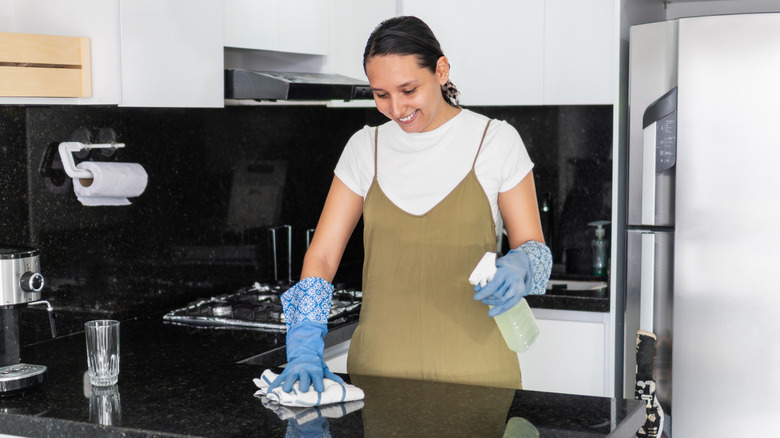
Credit: www.housedigest.com
Choosing The Right Cleaner
Choosing the right cleaner matters for keeping kitchen countertops safe and spotless. Different materials need different care to avoid damage. Some cleaners kill germs fast but may harm surfaces. Others are gentle but might need more effort. Picking the right cleaner helps maintain beauty and hygiene.
Natural Vs Chemical Options
Natural cleaners often use ingredients like vinegar, baking soda, or lemon juice. They are gentle and eco-friendly. These options work well on many surfaces but may not kill all bacteria. Chemical cleaners can be stronger and faster at sanitizing. They often contain bleach or ammonia. Use chemicals carefully to avoid skin irritation or breathing problems.
Safe Cleaners For Different Surfaces
| Surface Type | Recommended Cleaner | Notes |
|---|---|---|
| Granite | pH-neutral cleaner or mild dish soap | Avoid acidic cleaners that can dull finish |
| Quartz | gentle soap and water | No bleach or abrasive pads |
| Wood | mild soap and water | Dry immediately to prevent warping |
| Laminate | all-purpose cleaner or vinegar solution | Avoid harsh chemicals that cause peeling |
Always test a small area first. Follow cleaner instructions carefully. This protects surfaces and ensures effective sanitation.
Credit: academy-marble.com
Preparing Your Countertop
Preparing your kitchen countertop is the first step in effective sanitizing. A clean surface allows disinfectants to work better. Dirt and leftover food can block cleaning agents. Start by making sure the countertop is free of clutter. This makes it easier to reach every spot. A clean surface means a safer kitchen environment for cooking and eating.
Clearing The Surface
Remove all items from the countertop. This includes appliances, dishes, and utensils. Clearing the surface helps you see all dirty areas. It also prevents damage to items during cleaning. Use a basket or tray to hold the items temporarily. This keeps your kitchen organized while you work.
Removing Debris And Crumbs
Brush or wipe away loose crumbs and debris first. Use a dry cloth or a small hand broom. This step stops crumbs from spreading during cleaning. Pay attention to corners and edges where crumbs hide. After removing debris, the countertop will look cleaner and ready for sanitizing.
Step-by-step Sanitizing Process
Begin by clearing the countertop of all items and crumbs. Use warm, soapy water to clean the surface thoroughly. Finish by applying a disinfectant spray and let it air dry for full sanitation.
Sanitizing your kitchen countertops is crucial for maintaining a healthy home. With all the meals prepared and snacks served, your countertops can quickly become a breeding ground for bacteria. This step-by-step sanitizing process ensures your kitchen stays safe and clean, all while being easy to follow.
Washing With Soap And Water
Start by clearing your countertops of any clutter or appliances. Use warm water and a few drops of dish soap to wash the surface. A soft sponge or cloth works best for scrubbing away any food particles or stains. Rinse the countertop thoroughly with clean water to remove any soap residue. This step not only cleans but also prepares the surface for effective sanitization.
Applying Sanitizer Effectively
Choose a sanitizer that is suitable for your countertop material. Many people opt for a solution of one tablespoon of bleach per gallon of water. Pour the sanitizer into a spray bottle for easy application. Spray the sanitizer evenly across the countertop. Make sure all areas are covered, including the often-missed corners and edges. This ensures that every inch of your surface gets the attention it needs.
Allowing Proper Contact Time
Did you know that the contact time is crucial for killing germs effectively? Allow the sanitizer to sit on the countertop for at least 5 to 10 minutes. This time allows the solution to penetrate and kill bacteria effectively. Avoid wiping the countertop immediately after applying the sanitizer. Letting it air dry is a good practice, ensuring maximum efficacy. This simple step can make a significant difference in the safety of your kitchen. Take a moment to admire your spotless, sanitized countertop. How often do you sanitize your kitchen surfaces? Implementing this routine regularly can keep your kitchen hygienic and your family healthy.

Credit: unitedgranitepa.com
Sanitizing Tips For Specific Materials
Sanitizing kitchen countertops requires special attention to the material you’re working with. Different surfaces react uniquely to cleaning agents and techniques, so knowing how to care for each type can protect your investment and keep your kitchen hygienic. Here are practical tips tailored to common countertop materials.
Granite And Marble Care
Granite and marble countertops are beautiful but porous, which makes them vulnerable to stains and damage from harsh chemicals. Avoid acidic cleaners like vinegar or lemon juice, as they can etch the stone’s surface.
Use a pH-neutral cleaner or a mixture of mild dish soap and warm water to sanitize. Apply the solution with a soft cloth, then rinse with clean water and dry thoroughly to prevent streaks.
Sealing your granite or marble every six months adds a protective layer that helps repel bacteria and liquids. Have you checked the seal on your stone countertops lately? It might be time.
Laminate And Tile Surfaces
Laminate and tile countertops are generally easier to clean but can have grout lines or seams that trap dirt and bacteria. Use a gentle all-purpose cleaner or a diluted bleach solution for effective sanitization.
Pay special attention to grout by scrubbing it with a soft brush and a baking soda paste or specialized grout cleaner. This step often gets overlooked but makes a big difference in overall cleanliness.
Be careful not to use abrasive pads on laminate, as they can scratch the surface. Instead, stick with soft sponges or microfiber cloths for wiping down.
Wooden Countertops
Wooden countertops add warmth but require careful cleaning to avoid moisture damage and bacterial growth. Never soak wood surfaces or use harsh chemicals that strip the finish.
Wipe down with a solution of mild soap and water, then sanitize with white vinegar or a diluted hydrogen peroxide spray. Both are effective yet gentle options that won’t harm the wood.
After cleaning, dry the surface immediately and regularly apply food-safe mineral oil to maintain the wood’s condition. Do you notice any rough spots or stains? Those could be signs your wood needs extra care.
Preventing Cross-contamination
Preventing cross-contamination is essential to keeping your kitchen safe and hygienic. It means stopping harmful bacteria and germs from spreading between different surfaces and foods. Without careful attention, your clean countertops can quickly become breeding grounds for illness-causing microbes.
Using Separate Cloths And Sponges
Using different cloths and sponges for various kitchen tasks can drastically reduce the risk of cross-contamination. For example, keep one cloth for wiping raw meat juices and another for cleaning fruit or cooked food areas.
Label or color-code your cleaning tools to help you remember which is which. This simple step prevents you from accidentally transferring bacteria from raw foods to ready-to-eat items.
Have you ever noticed how some sponges stay damp and smell bad? That’s a sign they harbor germs. Replace or disinfect them regularly to keep your cleaning effective.
Regular Cleaning Schedule
Creating a routine for cleaning your countertops ensures bacteria don’t get a chance to build up. Wipe down surfaces immediately after food prep, especially after handling raw meat, poultry, or seafood.
Set specific times in your day or week to deep clean your kitchen counters with a sanitizing solution. This habit keeps your workspace consistently safe and ready for your next meal.
Ask yourself: How often do you clean your kitchen counters beyond just visible dirt? A regular schedule can make a big difference in preventing contamination.
Maintaining A Germ-free Kitchen
Keeping kitchen countertops clean is key to a healthy home. Germs spread fast in the kitchen. They can cause sickness if not controlled. A germ-free kitchen protects your family’s health. It also keeps food safe and fresh. Small daily actions can make a big difference. Regular sanitation reduces bacteria and viruses effectively.
Daily Cleaning Habits
Wipe countertops every day after use. Use warm water and mild soap for cleaning. A clean cloth or sponge works best. Avoid harsh scrubbing that may damage surfaces. Dry the countertop with a clean towel. This prevents bacteria from growing in moisture. Clean spills immediately, especially from raw meat or juice. Regular cleaning stops germs from building up.
Periodic Deep Sanitizing
Sanitize countertops deeply at least once a week. Use a safe disinfectant suitable for kitchen surfaces. Follow product instructions carefully for best results. Spray the surface and let it sit for a few minutes. Wipe off with a clean cloth to remove germs. Steam cleaning is another effective option. It kills bacteria without chemicals. Deep sanitizing removes hidden germs daily cleaning misses.
Frequently Asked Questions
How Often Should I Sanitize Kitchen Countertops?
Sanitize kitchen countertops daily to reduce bacteria and germs. After food preparation, especially raw meat, clean immediately. Regular sanitizing prevents cross-contamination and keeps surfaces safe for cooking.
What Is The Best Sanitizer For Kitchen Countertops?
Use a disinfectant approved for kitchen surfaces, like diluted bleach or alcohol-based sprays. Avoid harsh chemicals that damage countertops. Always follow product instructions for safe and effective sanitizing.
Can Natural Products Sanitize Kitchen Countertops Effectively?
Yes, natural products like vinegar and hydrogen peroxide can sanitize well. They kill many germs without harsh chemicals. However, avoid using vinegar on stone countertops, as it may cause damage.
Should I Clean Before Sanitizing Kitchen Countertops?
Yes, always clean countertops with soap and water first. Cleaning removes dirt and food debris. Sanitizing after cleaning ensures germs are effectively killed and surfaces are safe.
Conclusion
Sanitizing kitchen countertops keeps your space clean and safe. Use the right cleaner for your countertop type. Wipe surfaces regularly to stop germs from spreading. Dry counters well to avoid moisture buildup. Small steps make a big difference in kitchen hygiene.
Keep your family healthy with simple cleaning habits. Clean countertops help prevent foodborne illnesses. Stay consistent and make sanitizing part of your routine. A clean kitchen feels fresh and welcoming every day.