
Your kitchen is the heart of your home, and keeping it clean is more important than you might think. If your kitchen equipment isn’t properly sanitized, harmful germs can sneak into your meals and put your health at risk.
But don’t worry—sanitizing your tools doesn’t have to be complicated or time-consuming. You’ll discover simple, effective ways to sanitize your kitchen equipment so you can cook with confidence and keep your loved ones safe. Ready to learn the easy steps that make a big difference?
Let’s dive in!
Importance Of Sanitizing Kitchen Equipment
Sanitizing your kitchen equipment is not just about cleanliness—it’s about protecting your health and enhancing the quality of your food. Every time you cook, your tools come in contact with raw ingredients that can carry harmful bacteria. If these bacteria aren’t properly removed, they can cause foodborne illnesses that affect you and your loved ones.
Think about the last time you used a cutting board for raw chicken and then immediately chopped vegetables on the same surface. Without proper sanitization, harmful germs transfer easily. Have you ever wondered how a simple step like sanitizing can change your kitchen safety?
Prevents Foodborne Illnesses
Bacteria like Salmonella and E. coli can hide on your kitchen equipment. These germs multiply quickly if surfaces aren’t sanitized. Cleaning alone removes dirt, but sanitizing kills the dangerous microorganisms that cause sickness.
Sanitizing reduces the risk of cross-contamination, especially when you handle different types of food. Your health depends on these small but crucial actions.
Maintains Equipment Longevity
Sanitizing not only protects your health but also preserves your kitchen tools. Food residues and moisture can cause corrosion or damage over time. Proper sanitization keeps equipment in good condition, saving you money on replacements.
Have you noticed how a well-maintained kitchen appliance performs better and lasts longer? Sanitizing contributes directly to this durability.
Improves Food Quality And Taste
Residues and bacteria on your equipment can spoil the flavor of your meals. Sanitized tools help maintain the freshness and intended taste of your ingredients. Clean equipment ensures your food tastes as it should.
Next time you cook, think about how much flavor comes from using properly sanitized tools. Can you taste the difference?
Meets Health And Safety Standards
If you run a professional kitchen or simply care about hygiene, sanitizing is essential. It helps you comply with health regulations and avoid potential fines or closures. Even at home, it sets a standard of cleanliness that protects your family.
Are you confident your kitchen meets the right safety standards? Sanitizing is a key step toward that assurance.

Credit: www.youtube.com
Common Kitchen Equipment To Sanitize
Sanitizing your kitchen equipment is crucial to keep your cooking space safe and hygienic. Certain items come into contact with raw foods and can easily harbor harmful bacteria if not cleaned properly. Knowing which equipment needs regular sanitizing helps you focus your effort where it matters most.
Utensils And Cutlery
Your everyday utensils and cutlery are used repeatedly, often with raw ingredients. Sanitizing these items after each use prevents cross-contamination. Pay special attention to knives, spoons, forks, and tongs, especially if they’ve touched raw meat or eggs.
Use hot, soapy water followed by a sanitizing rinse or soak in a bleach solution. Ever noticed how dull knives can sometimes feel sticky? That’s often leftover food residue that needs proper cleaning to avoid bacterial growth.
Cutting Boards And Surfaces
Cutting boards and kitchen surfaces are hotspots for germs. Wooden boards require gentle scrubbing and drying to prevent warping, while plastic ones can often go in the dishwasher. Sanitizing these surfaces after each use is non-negotiable.
Consider having separate boards for meats and vegetables to reduce contamination. Have you ever thought about how a tiny scratch on a board can hide bacteria? Regular inspection and replacement of worn boards can make a big difference.
Appliances And Tools
Blenders, food processors, mixers, and even can openers need cleaning beyond just wiping off visible dirt. These appliances often have nooks where food particles get stuck, creating a breeding ground for bacteria.
Disassemble removable parts and soak them in a sanitizing solution. Wipe down non-removable parts carefully. If you don’t sanitize these regularly, you risk introducing germs into your meals without realizing it.
Effective Cleaning Vs Sanitizing
Cleaning removes dirt and food from kitchen tools, while sanitizing kills germs. Proper sanitizing keeps equipment safe and helps prevent illness. Use approved sanitizers after cleaning for best results.
In the bustling environment of your kitchen, understanding the difference between cleaning and sanitizing is crucial. While both processes are important, they serve distinct purposes. Cleaning removes visible dirt and food particles, while sanitizing reduces the number of harmful bacteria to safe levels. But how do you know when to clean and when to sanitize?
What Is Effective Cleaning?
Effective cleaning involves using soap and water to remove dirt, food residue, and grease from surfaces. This step is essential before sanitizing because it clears the way for disinfectants to work more effectively. Imagine trying to sanitize a countertop covered in crumbs; the disinfectant can't reach the bacteria hiding underneath. Consider your routine: do you consistently clean your kitchen equipment before sanitizing? If not, you might be leaving bacteria behind. Make cleaning a priority to ensure your sanitizing efforts aren't in vain.
When To Sanitize Kitchen Equipment?
Sanitizing should follow cleaning and is particularly important for surfaces that come into contact with raw food. This includes cutting boards, knives, and any equipment used to prepare meat or fish. Using a food-safe sanitizer ensures these surfaces are free from bacteria that could cause foodborne illnesses. You might think your kitchen looks clean, but without proper sanitization, invisible bacteria could still pose a threat. Prioritize sanitizing after prepping raw foods to maintain a safe cooking environment.
How To Effectively Sanitize?
To effectively sanitize, use a food-safe sanitizer or a solution of bleach and water. Ensure you follow the instructions for dilution and contact time, as these are crucial for killing bacteria. A quick wipe won't suffice; surfaces need time to air dry to be properly sanitized. Consider investing in sanitizing sprays designed for kitchen use. These can make the process easier and more reliable, giving you peace of mind that your kitchen is truly safe. One common mistake is skipping the cleaning step and going straight to sanitizing. This reduces the effectiveness of the sanitizer. Another is not allowing enough contact time for the sanitizer to work. Do you rush through the sanitizing process? Remember, thoroughness is key. Taking a few extra minutes to let surfaces air dry can make all the difference in ensuring harmful bacteria are eliminated.

Credit: alsaedco.com
Step-by-step Sanitizing Process
Sanitizing kitchen equipment keeps your cooking space safe and clean. Follow a clear process to remove germs and bacteria effectively. This step-by-step guide helps you sanitize equipment properly. It covers cleaning, choosing sanitizers, applying them, and storing items safely.
Pre-cleaning And Washing
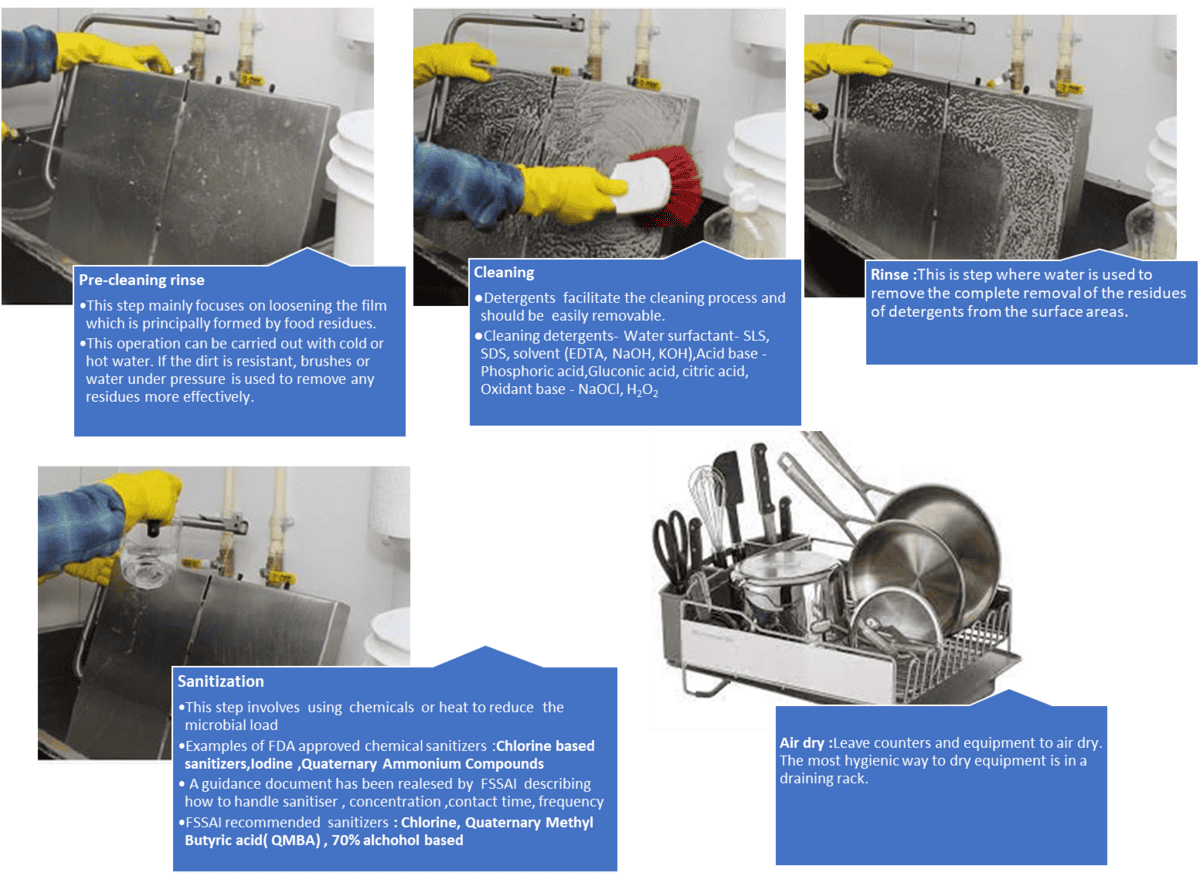
Start by removing food scraps and debris from all equipment. Use warm water and soap to wash surfaces thoroughly. Scrub with a brush or cloth to remove grease and dirt. Rinse well to avoid soap residue. Clean equipment is ready for sanitizing.
Choosing The Right Sanitizer
Select a sanitizer suitable for kitchen use and safe for food contact surfaces. Common options include chlorine bleach, quaternary ammonium, and iodine solutions. Check the label for proper dilution rates and safety instructions. Use the sanitizer that works best for your kitchen setup.
Applying Sanitizer Safely
Apply the sanitizer evenly on all cleaned surfaces. Use a spray bottle, soak, or wipe method depending on the item. Allow the sanitizer to sit for the recommended time to kill germs. Avoid rinsing unless the product instructions say so. Wear gloves to protect your skin during application.
Drying And Storage
Let the sanitized equipment air dry completely. Avoid using towels to prevent recontamination. Store equipment in a clean, dry place away from dust and moisture. Proper drying and storage keep your kitchen tools safe and ready for use.
Natural Sanitizing Alternatives
Natural sanitizing alternatives offer a safe way to clean kitchen equipment. They reduce the use of harsh chemicals and keep your kitchen eco-friendly. These options use common household items that kill germs effectively. Easy to use and affordable, they suit daily cleaning needs.
Vinegar And Baking Soda
Vinegar has acetic acid, which kills many bacteria and viruses. Baking soda helps scrub away dirt and grime without scratching surfaces. Together, they make a powerful natural cleaner.
- Mix equal parts white vinegar and water in a spray bottle.
- Sprinkle baking soda on the kitchen equipment.
- Spray the vinegar solution over the baking soda.
- Let it fizz and sit for 10 minutes.
- Scrub gently with a sponge or brush.
- Rinse thoroughly with water and dry.
Lemon And Salt
Lemon contains natural acids that break down grease and kill germs. Salt works as a gentle abrasive to remove stains and buildup. This combination cleans and freshens kitchen tools well.
- Cut a lemon in half.
- Sprinkle coarse salt on the lemon's cut side.
- Rub the lemon and salt over the kitchen equipment.
- Focus on stained or dirty areas.
- Let it sit for 5 minutes.
- Rinse with warm water and dry completely.
Credit: foodsafetyworks.com
Sanitizing Frequency And Best Practices
Keeping your kitchen equipment sanitized is essential for food safety and preventing contamination. Knowing how often to sanitize and the best practices ensures you maintain a clean and healthy cooking environment without wasting time or resources.
How Often Should You Sanitize Kitchen Equipment?
Frequency depends on how you use the equipment. Tools that come into direct contact with raw food, like cutting boards and knives, need sanitizing after every use to avoid cross-contamination.
For items like mixers or blenders, sanitize after each use if you’re switching between raw and cooked ingredients. Otherwise, a daily sanitizing routine is usually enough for equipment that doesn't touch food directly.
Choosing The Right Sanitizing Solution
Not all sanitizers are created equal. A simple bleach solution (1 tablespoon bleach per gallon of water) works well for most kitchen tools and surfaces.
Alternatively, you can use commercial food-safe sanitizers—just make sure to follow the instructions carefully. Avoid using harsh chemicals that might leave harmful residues or damage your equipment.
Best Practices For Effective Sanitizing
- Clean first:Remove all food debris and grease before sanitizing. Sanitizers work best on clean surfaces.
- Use the right contact time:Let the sanitizer sit on the surface for at least 30 seconds to kill germs effectively.
- Air dry:Allow equipment to air dry rather than wiping it off. This prevents recontamination.
- Sanitize frequently touched parts:Don’t forget handles, switches, and buttons—they often harbor germs.
Creating A Sanitizing Schedule That Works
Think about your kitchen flow and identify high-risk areas. You might sanitize cutting boards after each use but only sanitize shelves once a week.
Use a checklist or a reminder system to keep track. It’s easier to stay consistent when you have a clear plan.
What small change can you make today to improve your sanitizing routine?
Preventing Cross-contamination
Preventing cross-contamination is essential for kitchen safety. It stops harmful germs from moving between foods and equipment. This practice lowers the risk of foodborne illnesses and keeps meals safe.
Cross-contamination often happens when raw and cooked foods share tools or surfaces. Proper sanitation and careful handling of kitchen equipment help maintain a clean cooking environment. Clear steps can prevent this common problem.
Separate Equipment For Raw And Cooked Foods
Use different cutting boards for raw meat and cooked foods. Knives and utensils should also be kept separate. This stops germs from raw food spreading to ready-to-eat items.
Label equipment to avoid confusion. Color-coded tools work well. Store raw food equipment away from cooked food tools. Clean and sanitize all equipment after each use.
Regular Equipment Inspection
Check kitchen tools regularly for damage or wear. Cracks and scratches can hide bacteria. Replace old or broken equipment promptly.
Inspect surfaces for cleanliness before and after use. Make sure sanitizers reach all parts of the equipment. Regular checks ensure your tools stay safe and reliable.
Common Mistakes To Avoid
Sanitizing kitchen equipment is essential for food safety, but many people unknowingly make mistakes that reduce its effectiveness. Avoiding these errors ensures your kitchen stays clean and free from harmful bacteria. Are you confident your sanitation routine is actually working?
Not Cleaning Before Sanitizing
Sanitizing dirty equipment doesn't work well. If food residue or grease remains, the sanitizer can’t reach all surfaces. Always wash and rinse your tools thoroughly before applying any sanitizer.
Using The Wrong Sanitizer
Not all sanitizers are created equal. Some are designed for specific types of equipment or surfaces. Check the label to make sure the sanitizer you choose is safe and effective for your kitchen tools.
Ignoring Contact Time
Sanitizers need time to work. Rushing the process by wiping them off too soon means bacteria might survive. Follow the instructions for how long the sanitizer should stay wet on the surface.
Overlooking Temperature And Concentration
Hot water or sanitizer that's too diluted won’t kill germs properly. Make sure you use the right water temperature and mix sanitizers according to the guidelines. Have you measured your sanitizer’s concentration lately?
Reusing Dirty Cloths Or Sponges
Cleaning equipment with dirty cloths spreads bacteria instead of removing it. Use fresh, clean cloths or disposable wipes every time you sanitize. It’s a simple step that makes a big difference.
Frequently Asked Questions
How Often Should I Sanitize Kitchen Equipment?
Sanitize kitchen equipment after each use to prevent bacteria buildup. Regular sanitizing maintains hygiene and food safety. It reduces cross-contamination risks and ensures your kitchen stays clean and safe.
What Is The Best Sanitizer For Kitchen Tools?
Use food-safe sanitizers like diluted bleach or commercial sanitizing solutions. Ensure the sanitizer is approved for kitchen use. Follow manufacturer instructions for proper dilution and contact time for effective sanitization.
Can I Sanitize Kitchen Equipment With Vinegar?
Vinegar is a natural cleaner but not a reliable sanitizer. It may reduce some bacteria but doesn’t eliminate all pathogens. For proper sanitization, use approved sanitizers designed for kitchen equipment.
Should I Sanitize Kitchen Equipment Before Or After Washing?
Always wash equipment with soap and water before sanitizing. Cleaning removes dirt and grease, allowing the sanitizer to work effectively. Sanitizing after washing ensures maximum hygiene and safety.
Conclusion
Sanitizing kitchen equipment keeps your cooking safe and clean. Clean tools stop germs from spreading. Use hot water and soap to wash first. Then, apply sanitizer to kill bacteria. Dry items well before storing them. Regular cleaning protects your health and food quality.
Small steps make a big difference in hygiene. Keep your kitchen fresh and safe every day. Clean tools help you cook with peace of mind.