
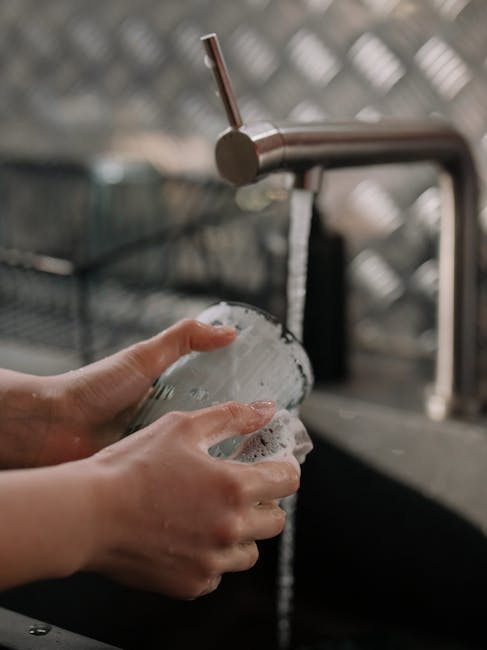
Your kitchen sink is one of the busiest spots in your home, but it can also be a hidden hotspot for germs and bacteria. If you want to keep your family safe and your kitchen fresh, learning how to sanitize your sink properly is a must.
You’ll discover simple, effective steps that anyone can follow to eliminate harmful germs and keep your sink sparkling clean. Ready to make your kitchen a healthier place? Let’s dive in!

Credit: www.express.co.uk
Importance Of Sink Sanitization
Keeping your kitchen sink clean is more than just about appearance—it’s about safety and health. Your sink is a hotspot for germs that can easily spread to your hands, dishes, and food. Ignoring sink sanitization can lead to contamination and illness, making it essential to maintain a regular cleaning routine.
Common Germs In Kitchen Sinks
Your kitchen sink can host a surprising variety of germs. Bacteria like Salmonella, E. coli, and Listeriathrive in damp environments. These germs often come from raw meat, unwashed vegetables, or dirty dishes left in the sink.
Fungi and mold can also grow in the crevices and drains if the sink stays wet for too long. Have you noticed a musty smell or black spots around your drain? That’s a sign these unwanted guests are already living there.
Health Risks Of Unsanitary Sinks
Using a sink that isn’t properly sanitized increases your risk of foodborne illnesses. Germs can transfer from the sink surface to your hands, utensils, or food, leading to infections like stomach cramps, diarrhea, or worse. This risk is especially high if you have kids or elderly family members at home.
Even small cuts on your hands can become infected if they come into contact with these harmful bacteria. Think about how often you touch your sink throughout the day—are you confident it’s safe? Sanitizing your sink regularly helps protect you and your loved ones from these hidden dangers.
Gathering Cleaning Supplies
Gathering the right cleaning supplies is key to sanitize your kitchen sink properly. The right products and tools make the task easier and more effective. Prepare everything before you start to avoid interruptions. This helps maintain focus and ensures a thorough clean.
Essential Sanitizing Products
- Disinfectant spray or bleach solution
- Liquid dish soap
- Baking soda for scrubbing
- White vinegar for natural cleaning
- Antibacterial wipes for quick touch-ups
Choose products that kill germs and remove stains. Avoid harsh chemicals that can damage your sink surface. Natural options like vinegar and baking soda are safe and effective for many sink types.
Tools For Effective Cleaning
- Soft sponge or scrub brush
- Old toothbrush for corners
- Microfiber cloth for drying
- Rubber gloves to protect hands
- Spray bottle for applying liquids
Use tools that reach all areas of the sink. Gentle sponges prevent scratches. Small brushes clean tight spots. Gloves keep your skin safe from irritants.
Preparing The Sink For Cleaning
Clear the sink of any dishes and debris to start with a clean surface. Rinse thoroughly with warm water to remove loose dirt. This helps the sanitizer work better and keeps the sink hygienic.
Preparing the kitchen sink for cleaning is a simple but essential task. A clean sink ensures a hygienic space for food preparation. This process involves a few careful steps. Let's dive into each one.
Clearing Debris And Food Particles
Begin by removing any visible debris. Use your hands or a paper towel to collect food particles. Dispose of them in the trash, not down the drain. This prevents clogs and keeps your sink in good condition. Rinse the sink with warm water. This helps in loosening stubborn particles. Ensure the water runs clear before moving on.
Removing And Cleaning Sink Accessories
Remove any accessories like dish racks or drain stoppers. These often harbor grime and bacteria. Wash them with warm, soapy water. Use a sponge or brush to scrub thoroughly. Rinse the accessories and let them air dry. This prevents the growth of mold and bacteria. Once dry, set them aside for reassembly after cleaning the sink.

Credit: www.yahoo.com
Sanitizing Steps For A Germ-free Sink
Keeping your kitchen sink germ-free is essential for a healthy home. Germs and bacteria love to hide in the crevices and drains, making it a hotspot for contamination. You can tackle this problem effectively by following clear sanitizing steps that ensure your sink is spotless and safe for food preparation.
Using Natural Cleaning Agents
Natural cleaning agents like vinegar and baking soda are powerful allies in sanitizing your sink without harsh chemicals. Sprinkle baking soda all over the sink, then pour white vinegar on top to create a fizzy reaction that loosens grime and kills germs.
After a few minutes, rinse with hot water to wash away debris. Lemon juice also works great to neutralize odors and add a fresh scent. Have you tried using these simple kitchen staples for cleaning before?
Applying Commercial Sanitizers Safely
Commercial sanitizers can offer an extra layer of protection, especially if your sink sees heavy use. Always read the label carefully to understand the correct dilution and contact time for effective sanitization.
Wear gloves to protect your skin, and avoid mixing different chemicals to prevent dangerous reactions. Spray or apply the sanitizer evenly, then let it sit as recommended before rinsing thoroughly with water.
Scrubbing Techniques For Deep Cleaning
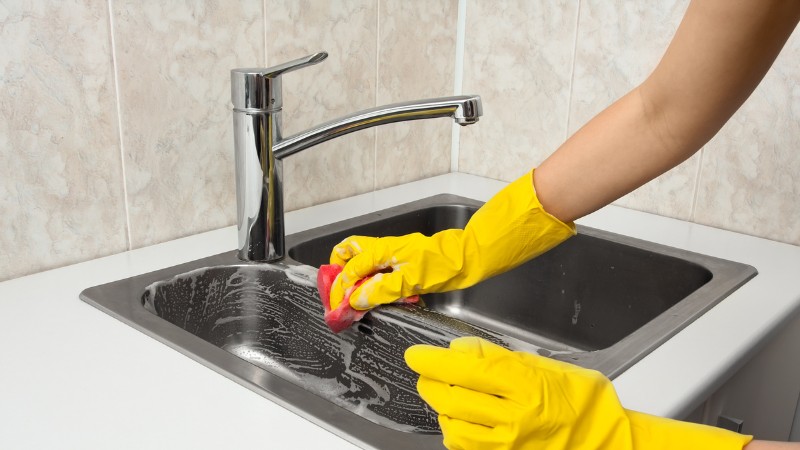
Deep cleaning requires more than just wiping the surface. Use a scrub brush or sponge with firm bristles to reach corners, faucet bases, and drain openings where bacteria hide.
Don’t forget to flip the scrubber regularly to avoid spreading germs back onto the sink. Scrubbing in circular motions helps break down stubborn stains and buildup effectively.
Maintaining A Clean And Sanitized Sink
Keeping your kitchen sink clean and sanitized is essential not just for appearance but for health. A sink is a hotspot for germs since it comes into contact with food, dishes, and hands daily. Maintaining its cleanliness prevents bacteria buildup and unpleasant odors, making your kitchen a safer place to prepare meals.
Daily Cleaning Habits
Start with rinsing your sink after each use to remove leftover food particles. Wiping it down with a mild dish soap and warm water keeps grime at bay without much effort. You can also use a soft sponge or cloth to avoid scratching the surface.
After cleaning, dry the sink with a towel to prevent water spots and mold growth. Have you noticed how a dry sink instantly looks fresher and more inviting? Small habits like this make a big difference over time.
Regular Deep Cleaning Schedule
Set aside time once a week for a thorough cleaning session. Use a mixture of baking soda and vinegar to scrub the sink—this combination lifts stains and kills bacteria naturally. Let it sit for a few minutes before rinsing with hot water.
Don’t forget to sanitize the faucet handles and drain area, as these spots harbor germs. You might try using a disinfectant spray or a diluted bleach solution for effective sanitizing. How often do you check the drain for buildup? Clearing debris regularly prevents clogs and bad smells.
Preventing Future Contamination
Keeping your kitchen sink clean is important. Preventing future contamination stops germs from growing again. It also keeps the sink safe for food preparation and dishwashing. Small habits can make a big difference. Focus on managing waste and avoiding blockages to keep your sink fresh and clean.
Proper Waste Disposal
Dispose of food scraps in the trash, not the sink. Avoid pouring grease or oil down the drain. These substances can coat pipes and cause buildup. Use a sink strainer to catch small particles. Empty the strainer regularly to prevent decay and odor. Proper disposal reduces the risk of bacteria and mold growth.
Avoiding Sink Blockages
Rinse dishes before washing to remove large food bits. Avoid flushing coffee grounds, eggshells, or fibrous vegetables down the drain. These can clog pipes and trap bacteria. Use hot water and baking soda monthly to clear minor clogs. Regular maintenance helps water flow smoothly and keeps the sink sanitary.
Credit: modern-maids.com
Frequently Asked Questions
How Often Should I Sanitize My Kitchen Sink?
Sanitize your kitchen sink at least once a day. Daily cleaning prevents bacteria buildup and keeps the sink hygienic. For heavy use, sanitize more frequently to avoid germs and odors. Regular cleaning maintains a safe and fresh kitchen environment.
What Household Items Can Sanitize A Kitchen Sink?
Common items like bleach, vinegar, and baking soda effectively sanitize sinks. Bleach kills bacteria quickly, vinegar removes grime, and baking soda deodorizes. Combine these with hot water for best results. Always rinse thoroughly after sanitizing to avoid residue.
Can I Use Bleach To Sanitize My Kitchen Sink?
Yes, bleach is a powerful sanitizer for kitchen sinks. Dilute one tablespoon of bleach in one gallon of water. Apply the solution, let it sit for five minutes, then rinse well. Bleach kills most germs and keeps your sink safe.
Is Vinegar Effective For Sanitizing Kitchen Sinks?
Vinegar is a natural sanitizer that kills some bacteria and removes odors. It’s safe and eco-friendly but less powerful than bleach. Use white vinegar with water, spray the sink, and wipe clean. Vinegar works well for regular maintenance cleaning.
Conclusion
Sanitizing your kitchen sink keeps your home healthy and clean. Regular cleaning stops germs from spreading. Use simple tools and safe products for best results. Don’t forget to clean the drain and faucet handles. A clean sink makes cooking and washing easier.
Small steps make a big difference every day. Keep your kitchen sink fresh and safe for your family. Try these tips often to maintain a spotless sink. Cleanliness starts with you.