

Your kitchen tools and equipment are the backbone of every meal you create. But have you ever stopped to think about how clean they really are?
Using dirty utensils can lead to unwanted germs and even foodborne illnesses that affect you and your loved ones. Imagine preparing a delicious dish, only to worry if your tools might be putting your health at risk. What if you could easily make sure your kitchen gear is spotless and safe every single time?
You'll discover simple, effective ways to sanitize your kitchen tools and equipment—methods that you can trust and use daily. Keep reading, because your health and peace of mind depend on it.
Importance Of Sanitizing Kitchen Tools
Sanitizing your kitchen tools isn’t just about keeping them looking clean. It plays a crucial role in protecting your health and the health of everyone you cook for. Neglecting this simple task can turn your kitchen into a breeding ground for harmful bacteria and viruses.
Think about the last time you prepared raw chicken and then chopped vegetables without properly cleaning your cutting board. That’s a perfect example of why sanitizing is so important. It stops harmful germs from spreading and keeps your food safe.
Preventing Cross-contamination
Cross-contamination happens when bacteria or allergens transfer from one surface or food to another. This often occurs through kitchen tools like knives, cutting boards, and utensils.
You can prevent this by cleaning and sanitizing your tools right after use. For instance, washing a knife used for raw meat before cutting vegetables stops dangerous bacteria from spreading. Have you ever thought about how many times you reuse a spatula without washing it thoroughly? That’s a risk you want to avoid.
Reducing Foodborne Illness Risks
Foodborne illnesses can be severe and sometimes life-threatening. Sanitizing kitchen equipment reduces the risk of contamination from bacteria like Salmonella and E. coli.
Even if food looks fine, invisible germs can cause stomach pain, vomiting, or worse. Sanitizing kills these harmful microbes, making your cooking environment safer. What steps do you take to keep your kitchen tools germ-free every day?
Types Of Kitchen Tools To Sanitize
Sanitizing kitchen tools is essential for food safety. Different tools need specific care to remove germs effectively. Knowing which items to clean and how to do it helps prevent foodborne illnesses.
Cutting Boards And Knives
Cutting boards and knives are used for raw and cooked foods. They can carry harmful bacteria if not cleaned well. Use hot, soapy water to wash them. Sanitize cutting boards with a bleach solution or vinegar spray. Dry knives and boards completely before storing to avoid bacteria growth.
Utensils And Gadgets
Spoons, spatulas, peelers, and other gadgets touch many foods. Clean these tools after each use with warm water and dish soap. Some utensils are dishwasher safe; check labels before placing them inside. For gadgets with small parts, use a brush to remove food bits. Sanitizing helps keep these tools safe and ready.
Appliances And Surfaces
Kitchen appliances like blenders, mixers, and food processors need regular cleaning. Disassemble removable parts and wash thoroughly. Wipe appliance surfaces with a disinfectant wipe or cloth. Countertops, sinks, and cutting areas should be cleaned and sanitized daily. Keeping surfaces clean reduces the chance of cross-contamination.
Cleaning Vs Sanitizing
Cleaning removes dirt and grease from kitchen tools, while sanitizing kills germs and bacteria. Proper sanitizing ensures your equipment is safe for food preparation. Use hot water or disinfectants to sanitize after cleaning for best results.
Cleaning and sanitizing are terms often used interchangeably, but they serve different purposes in your kitchen. Cleaning involves removing dirt, food residues, and grease from surfaces. Sanitizing, on the other hand, goes a step further by reducing bacteria to safe levels.
Differences Explained
Cleaning is your first line of defense in maintaining a hygienic kitchen environment. It focuses on eliminating visible debris and grime. Think of it as preparing the surface for the next crucial step. Sanitizing is all about the unseen enemies—microorganisms. While cleaning removes physical dirt, sanitizing kills bacteria, ensuring your kitchen tools are safe for food preparation.
When To Clean And When To Sanitize
You should clean your kitchen tools and equipment after every use. This prevents the buildup of food particles and grease, which can harbor bacteria. Use soap and water for effective cleaning. Sanitizing should follow cleaning, especially when dealing with raw meats or eggs. This step is crucial to prevent cross-contamination and foodborne illnesses. A simple sanitizing solution, like diluted bleach or vinegar, can work wonders. Consider this: do you clean and sanitize your cutting board after chopping vegetables? If not, you might be leaving harmful germs behind. Regularly cleaning and sanitizing not only keeps your kitchen safe but also extends the life of your tools.

Credit: www.restaurantsupply.com
Sanitizing Methods
Sanitizing your kitchen tools and equipment is essential to keep your cooking space safe and hygienic. Different methods work best depending on the type of tool and how heavily it’s used. Understanding these methods helps you choose the right one for your needs and ensures you’re not just cleaning but truly sanitizing.
Hot Water And Soap
Hot water combined with soap is the simplest way to remove dirt and grease. Use water that’s at least 110°F (43°C) to break down oils and food particles effectively.
Scrub your tools thoroughly, paying close attention to crevices where bacteria love to hide. Rinse with hot water and air dry or use a clean towel.
This method works great for everyday cleaning but doesn’t always kill all germs. Have you noticed how some stains linger despite washing? That’s a sign you might need a stronger sanitizer.
Bleach Solutions
Bleach is a powerful sanitizer that kills most bacteria and viruses quickly. Mix 1 tablespoon of unscented household bleach with 1 gallon of water for an effective solution.
Soak or spray your tools for at least 1 minute, then rinse with clean water. Be cautious—bleach can corrode metal and irritate skin, so use gloves and work in a ventilated area.
Bleach works well for plastic and glass tools but might damage wooden utensils. Have you ever noticed your wooden spoons cracking after harsh cleaning? That’s why it’s important to know when to skip bleach.
Commercial Sanitizers
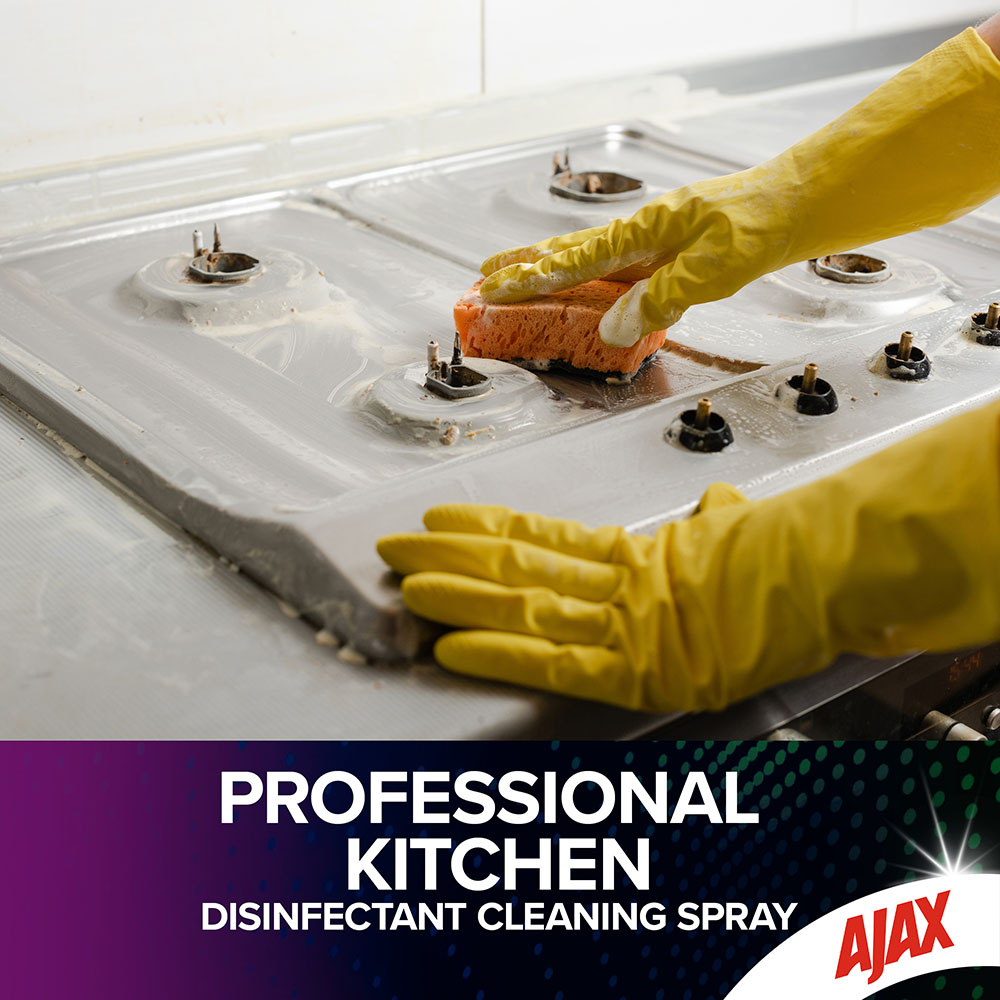
Commercial sanitizers come in various forms like sprays, wipes, or dips and are designed for food-contact surfaces. These products often use quaternary ammonium compounds or hydrogen peroxide.
They are convenient and usually fast-acting, making them ideal in busy kitchens. Always follow the manufacturer’s instructions to ensure effectiveness and safety.
Do you find commercial sanitizers easier to use than homemade solutions? Their portability and quick action can save time, especially during meal prep rush.
Steam Cleaning
Steam cleaning uses high-temperature vapor to kill germs without chemicals. It’s excellent for sanitizing delicate items that can’t handle harsh detergents or bleach.
Steam penetrates hard-to-reach areas and dries quickly, reducing the risk of bacteria growth. This method is especially useful for cutting boards, grills, and heavy-duty kitchen tools.
Have you tried steam cleaning your kitchen tools? It’s a chemical-free option that leaves no residue and can refresh even the most stubborn equipment.
Step-by-step Sanitizing Process
Sanitizing kitchen tools and equipment is essential for food safety. It removes harmful bacteria and prevents cross-contamination. Follow the step-by-step process below to ensure your kitchen items are clean and safe to use.
Preparing Tools For Cleaning
Start by removing any food scraps from the tools. Use warm water and soap to wash off grease and dirt. Scrub hard-to-reach areas with a brush. Rinse thoroughly with clean water to remove soap residue. Inspect tools for any remaining stains or debris before moving on.
Applying Sanitizing Agents
Select a food-safe sanitizer suitable for your tools. Dilute the sanitizer according to the label instructions. Apply the solution evenly over all surfaces of the tools. Let the sanitizer sit for the recommended contact time. Avoid rinsing unless the product instructions require it. This step kills bacteria and other pathogens effectively.
Proper Drying Techniques
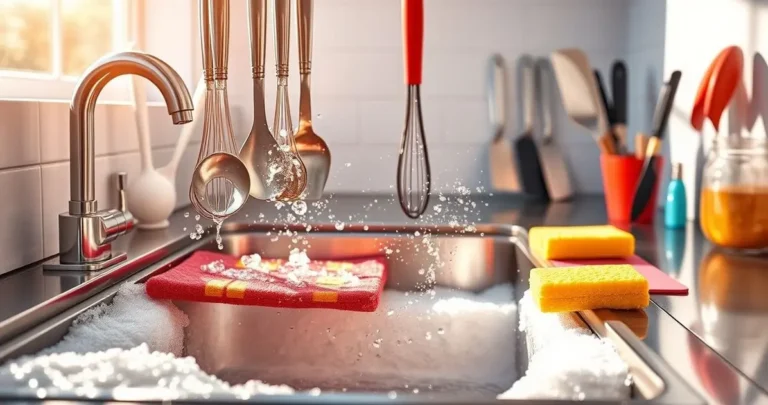
Dry tools completely to prevent bacterial growth. Use a clean, dry cloth or air-dry on a sanitized rack. Avoid using towels that might carry germs. Store tools in a dry, clean place after drying. Proper drying extends the life of your kitchen equipment and maintains hygiene.
Credit: veganmealsprep.com
Safety Tips During Sanitization
Sanitizing your kitchen tools and equipment is essential for maintaining a hygienic cooking space. However, safety during this process is just as important as cleanliness. Paying attention to how you handle chemicals and prevent cross-contamination will protect you and everyone who uses your kitchen.
Handling Chemicals Safely
Always read the label before using any sanitizing chemical. Different products require different dilution ratios and contact times to work effectively and safely.
Wear gloves to protect your skin from irritation. Some chemicals can cause burns or allergic reactions if they come into direct contact with your hands.
Never mix cleaning agents like bleach and ammonia. This can create dangerous fumes that are harmful to your lungs and overall health.
Store chemicals away from food and out of reach of children. This prevents accidental ingestion or contamination.
Avoiding Cross-contamination
Use separate cloths or brushes for different kitchen zones, such as raw meat areas and vegetable prep stations. This limits the spread of harmful bacteria.
After sanitizing, rinse tools thoroughly if the sanitizer requires it. Residues can alter the taste of your food or cause stomach issues.
Dry tools completely before storing them. Moist environments encourage bacterial growth, undoing your sanitization efforts.
Have you ever thought about how a simple towel can transfer germs from one surface to another? Choosing the right cleaning materials and routines can make all the difference in keeping your kitchen truly safe.
Maintaining Sanitized Tools
Maintaining sanitized kitchen tools and equipment is essential for food safety. Clean tools prevent bacteria growth and cross-contamination. Consistency in cleaning helps protect your health and keeps your kitchen efficient.
Regular Cleaning Schedule
Set a cleaning routine for all kitchen tools and equipment. Clean cutting boards, knives, and utensils after every use. Deep clean pots, pans, and appliances weekly. Use hot soapy water to remove grease and food particles. Follow with a sanitizing solution to kill germs. Dry tools thoroughly before storing to prevent mold and rust.
Storage Best Practices
Store kitchen tools in clean, dry places to keep them safe. Use drawers, racks, or containers that allow air circulation. Avoid stacking wet tools together to stop bacterial growth. Keep sharp objects like knives in protective sheaths or blocks. Label storage areas to maintain organization and hygiene. Regularly inspect storage spots for dirt or moisture buildup.
Eco-friendly Sanitizing Alternatives
Sanitizing your kitchen tools and equipment doesn’t have to mean relying on harsh chemicals. Eco-friendly sanitizing alternatives offer effective cleaning without harming the environment or your health. These options let you maintain a spotless kitchen while reducing your chemical footprint and protecting your family.
Natural Cleaning Agents
Natural ingredients like vinegar, baking soda, and lemon juice can sanitize kitchen tools effectively. Vinegar’s acidity kills many bacteria and helps dissolve grease, making it perfect for cutting boards and knives.
Baking soda acts as a gentle abrasive that removes stains and odors without scratching surfaces. Mixing lemon juice with salt creates a powerful scrub for stubborn grime and adds a fresh scent.
Have you tried soaking your utensils in a solution of vinegar and water? It’s a simple way to sanitize without chemicals, and it leaves your kitchen smelling clean and fresh.
Reducing Chemical Use
Cutting back on chemical cleaners starts with choosing the right tools and methods. Use microfiber cloths and hot water, which can remove a surprising amount of bacteria on their own.
Consider investing in steam cleaners; they use only water vapor to sanitize surfaces, avoiding any need for chemicals. This method is especially useful for cleaning hard-to-reach spots on kitchen equipment.
Ask yourself: can I swap my usual cleaner for a safer, greener option without losing effectiveness? Often, simple changes make a big difference for your health and the planet.
Credit: www.ajax.com
Frequently Asked Questions
How Often Should Kitchen Tools Be Sanitized?
Kitchen tools should be sanitized after every use. This prevents bacteria buildup and cross-contamination. Regular sanitizing maintains food safety and hygiene.
What Is The Best Sanitizer For Kitchen Equipment?
A solution of diluted bleach or food-safe sanitizers are ideal. Always follow manufacturer instructions for safe and effective use. Avoid harsh chemicals that may damage tools.
Can I Sanitize Wooden Kitchen Tools Safely?
Yes, sanitize wooden tools with mild soap and hot water. Avoid soaking to prevent warping. Dry thoroughly and apply mineral oil to maintain wood quality.
Is Dishwasher Sanitizing Effective For Kitchen Tools?
Dishwashers with a sanitize cycle effectively kill germs on tools. High heat and detergent clean and sanitize simultaneously. Check if your tools are dishwasher safe before use.
Conclusion
Keeping kitchen tools clean protects your health and food quality. Regular sanitizing stops germs and bacteria from spreading. Use hot water, soap, and safe disinfectants to clean well. Dry tools fully before storing to avoid mold and rust. Follow simple steps every day for a safer kitchen space.
Clean tools make cooking safer and more enjoyable for all. Small efforts lead to big health benefits in the kitchen. Stay consistent and keep your kitchen tools sanitized.