
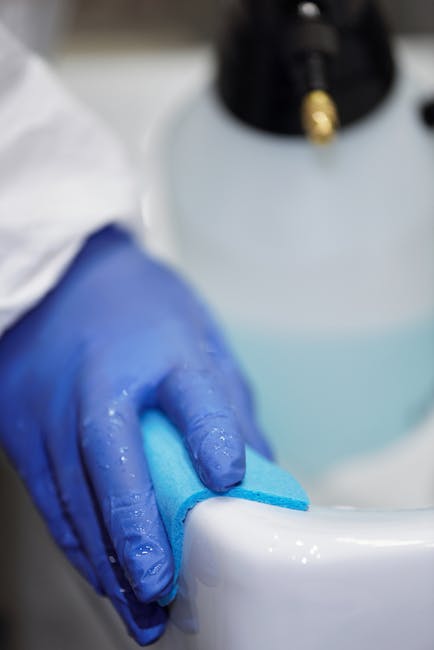
Your kitchen tools are used every day to prepare meals for you and your loved ones. But have you ever stopped to think about how clean they really are?
Germs and bacteria can hide on knives, cutting boards, and other utensils, putting your health at risk. Learning how to properly sanitize your kitchen tools is easier than you think—and it can make a huge difference in keeping your food safe.
Keep reading to discover simple, effective ways you can protect yourself and your family with clean, sanitized kitchen tools every time.
:max_bytes(150000):strip_icc()/fw-roundup-cleaning-products-to-throw-awayreplace-tout-5d3ac101183f41c49f9ac8a43426d644.jpg)
Credit: www.foodandwine.com
Why Sanitize Kitchen Tools
Sanitizing your kitchen tools is more than just a routine chore—it's a crucial step to protect your health and ensure food safety. Every time you cook, your tools come into contact with raw ingredients, spills, and bacteria that can cause illness. Understanding why sanitization matters helps you stay vigilant and maintain a safe cooking environment.
Health Risks From Dirty Tools
Dirty kitchen tools can harbor harmful bacteria and viruses that lead to foodborne illnesses. These risks include stomach cramps, nausea, and even severe infections in vulnerable individuals. Have you ever wondered how a simple knife or cutting board could become a source of sickness?
Cross-contamination happens when bacteria from raw meat or unwashed vegetables transfer to other foods. Using unclean tools increases this risk dramatically. Protecting yourself means breaking this cycle by regularly sanitizing your tools.
Common Kitchen Germs
Several germs thrive in kitchens, including Salmonella, E. coli, and Listeria. These bacteria can cling to surfaces and survive for hours or even days if not properly cleaned. You might not see them, but they are there, quietly waiting to cause trouble.
Besides bacteria, molds and yeasts can grow on damp tools, affecting food quality and safety. A damp sponge or a cutting board left wet overnight can become a breeding ground. Recognizing these common germs helps you understand the importance of thorough sanitization.
Benefits Of Proper Sanitization
Sanitizing your kitchen tools reduces the risk of foodborne illnesses and keeps your cooking space hygienic. It extends the lifespan of your tools by preventing rust and damage caused by lingering residues. Clean tools also improve the taste and appearance of your meals.
Think about the last time you cut vegetables with a freshly sanitized knife versus a neglected one. The difference in safety and confidence is clear. Making sanitization a regular habit protects your health and enhances your cooking experience.
Types Of Kitchen Tools To Sanitize
Sanitizing kitchen tools is vital for safe food preparation. Different tools need special care. Some tools come in direct contact with food. Others store or help prepare meals. Knowing which tools to sanitize keeps your kitchen safe.
Cutting Boards And Knives
Cutting boards and knives touch raw foods often. They can carry bacteria from meat, vegetables, or fruits. Wooden boards need gentle cleaning but thorough sanitizing. Plastic boards can be washed in hot water. Knives require careful handling during cleaning. Use hot, soapy water and sanitize after every use.
Utensils And Gadgets
Spoons, spatulas, and peelers also need sanitizing. These tools often touch food directly. Small gadgets like garlic presses or graters can trap food bits. Clean them immediately to avoid germs. Use brushes to remove stuck particles. Sanitize with hot water or a mild bleach solution.
Containers And Storage Items
Containers keep leftovers and ingredients fresh. They can grow bacteria if not cleaned well. Plastic and glass containers should be washed in hot water. Pay attention to lids and seals. These spots often hold moisture and germs. Sanitize containers regularly to prevent contamination.
Sanitizing Methods
Sanitize kitchen tools by washing them with hot, soapy water to remove dirt and germs. Rinse thoroughly, then soak in a bleach solution or use a dishwasher for extra cleanliness. Air dry completely to prevent bacteria growth.
Ensuring your kitchen tools are properly sanitized is crucial for maintaining a healthy cooking environment. Bacteria and germs can easily transfer from one surface to another, contaminating food and potentially leading to health issues. With the right sanitizing methods, you can protect yourself and your loved ones from unwanted illnesses. Below, we explore several effective ways to sanitize your kitchen tools, each with its own advantages and considerations.
Hot Water And Soap
Using hot water and soap is one of the simplest and most effective methods to sanitize your kitchen tools. Start by filling your sink or a large basin with hot, soapy water. Submerge your tools, scrubbing them thoroughly with a brush or sponge to remove any food residue. Rinse the tools under running water to wash away the soap. For an extra level of sanitation, you can rinse them with boiling water. But be careful—make sure not to burn yourself in the process!
Bleach Solutions
Bleach solutions are excellent for killing bacteria and viruses. To create a bleach solution, mix one tablespoon of bleach with one gallon of water. Immerse your kitchen tools in this solution for at least two minutes. After soaking, rinse the tools thoroughly with clean water to remove any bleach residue. Keep in mind that bleach can be harsh, so use it sparingly and ensure proper ventilation.
Vinegar And Natural Alternatives
If you prefer natural alternatives, vinegar is a great option. Fill a spray bottle with equal parts water and white vinegar. Spray your kitchen tools generously and let them sit for a few minutes. Afterwards, rinse with water and dry with a clean towel. Vinegar is not only effective but also environmentally friendly, making it a perfect choice for eco-conscious individuals.
Dishwasher Use
Your dishwasher can be a powerful tool for sanitizing kitchen items. Most dishwashers have a sanitizing setting, which uses high temperatures to kill germs. Simply load your tools into the dishwasher and select the appropriate cycle. Ensure that all items are dishwasher-safe to avoid damage. The convenience of this method makes it an attractive option for busy households. However, not all tools are suitable for dishwashers, so always check the manufacturer's guidelines. Which method fits best into your routine? Each has its unique benefits, so consider your needs and preferences. Remember, a clean kitchen is a happy kitchen!
Step-by-step Sanitizing Process
Sanitizing your kitchen tools is essential to keep your cooking environment safe and hygienic. Understanding the correct process ensures that harmful bacteria and germs are effectively removed. Here’s a clear, easy-to-follow guide to sanitizing your kitchen tools properly.
Pre-cleaning And Scrubbing
Start by removing any visible food debris from your kitchen tools. Use warm, soapy water and a scrub brush or sponge to clean every surface thoroughly. Pay special attention to crevices and handles where dirt can hide.
Have you noticed how often small particles stay stuck in knife handles or cutting boards? Skipping this step means sanitizer won’t work as well. Taking time to scrub well sets the stage for effective sanitizing.
Applying Sanitizer
After cleaning, apply a food-safe sanitizer to your tools. You can use a commercial sanitizer or a homemade solution like diluted bleach (1 tablespoon bleach per gallon of water). Make sure the sanitizer covers all surfaces evenly.
Let the sanitizer sit for the recommended time—usually a few minutes—to kill bacteria effectively. Rushing this step can leave harmful germs behind, so give it the time it needs to work.
Rinsing And Drying
Once sanitized, rinse your tools with clean water to remove any leftover chemical residue. Chemicals left on your utensils can be harmful and affect food taste.
Dry tools completely before storing them to prevent moisture buildup, which encourages bacterial growth. Using a clean towel or air drying on a rack works well.
Sanitizing Frequency Tips
Knowing how often to sanitize kitchen tools keeps your cooking space safe. It stops germs from spreading and protects your health. Different situations need different cleaning times. Follow these tips to keep your kitchen tools clean and safe every day.
Daily Cleaning Vs. Deep Sanitizing
Clean kitchen tools after each use with warm, soapy water. This daily cleaning removes food and dirt. Deep sanitizing kills germs and needs stronger methods. Use bleach solutions or hot water for deep sanitizing.
Daily cleaning keeps tools ready for cooking. Deep sanitizing should happen weekly or after heavy use. Both types of cleaning help keep your kitchen safe.
After Handling Raw Foods
Raw meat, fish, and eggs carry harmful bacteria. Sanitize tools right after contact with these foods. Wash first with soap and water. Then sanitize with a proper disinfectant.
This stops bacteria from spreading to other foods. Always sanitize cutting boards, knives, and utensils used with raw foods.
Special Cases: Illness And Contamination
If someone is sick, clean kitchen tools more often. Germs spread easily in these conditions. Sanitize tools after every use during illness.
Also sanitize immediately if tools touch contaminated surfaces. Use strong disinfectants and rinse well. This reduces the risk of illness spreading through food preparation.
Maintaining Tool Hygiene
Maintaining tool hygiene in your kitchen is essential not just for safety but also for the quality of your food. Clean tools prevent the spread of bacteria and keep your cooking environment healthy. Focusing on how you store, inspect, and handle your tools can make a big difference in keeping your kitchen safe.
Proper Storage Practices
Where and how you store your kitchen tools affects their cleanliness. Always keep tools in a dry, well-ventilated area to avoid moisture buildup, which can lead to mold and bacteria growth.
Use utensil holders or drawers lined with clean cloths to separate different tools. This stops them from touching contaminated surfaces or each other unnecessarily.
Have you checked if your storage spots are free from dust and food residues? Regularly wipe down these areas to maintain a clean environment for your tools.
Regular Inspection And Replacement
Inspect your kitchen tools often for signs of wear, cracks, or rust. Damaged tools are harder to clean and can harbor harmful germs.
Keep a checklist or schedule for reviewing your tools. This habit helps you identify when something needs replacing before it becomes a hygiene risk.
Think about your last time you replaced your cutting board or spatula. Could you benefit from updating some tools right now?
Avoiding Cross-contamination
Cross-contamination happens when bacteria transfer from one surface or tool to another. Always use separate tools for raw meat, vegetables, and cooked food.
Color-coded cutting boards or labeled utensils can help you keep track and prevent mix-ups. This simple step lowers the risk of foodborne illnesses.
Do you have a system in place to keep your tools dedicated to specific tasks? If not, setting one up is a practical way to protect your food and your health.
Common Mistakes To Avoid
Sanitizing kitchen tools properly is crucial to keep your cooking space safe and hygienic. However, many people unknowingly make mistakes that reduce the effectiveness of their cleaning efforts. Avoiding these common errors can save you from foodborne illnesses and ensure your kitchen tools stay truly clean.
Skipping Sanitizing Steps
Rushing through the cleaning process often leads to skipping important sanitizing steps. Washing knives or cutting boards with soap and water alone isn’t enough to kill bacteria. You need to follow up with a proper sanitizer, like a diluted bleach solution or food-safe sanitizer spray, to ensure harmful germs are eliminated.
Have you ever thought a quick rinse was enough? Many do, but that’s a risk you don’t want to take with your health.
Using Ineffective Cleaners
Not all cleaners are created equal. Using dish soap alone or natural cleaners like vinegar without proper sanitizing agents won’t kill all bacteria and viruses. Make sure your cleaner is designed for kitchen sanitation and safe for food contact surfaces.
Remember, some tools—like plastic spatulas or silicone brushes—can hold onto residues, so a strong, effective cleaner is necessary. Check product labels and avoid relying solely on homemade mixtures unless you know they’re proven to sanitize effectively.
Neglecting Hard-to-reach Areas
Hidden nooks and crannies often harbor germs that get overlooked during cleaning. Items like blender blades, grater holes, or the seams of wooden spoons can trap food particles and bacteria.
Take extra time to disassemble tools if possible and scrub these tricky spots thoroughly. If you don’t, you’re leaving potential sources of contamination behind, which defeats the whole purpose of sanitizing.

Credit: www.delish.com
Credit: veganmealsprep.com
Frequently Asked Questions
How Often Should I Sanitize Kitchen Tools?
Sanitize kitchen tools after every use to prevent bacteria buildup. Regular sanitization ensures food safety and reduces contamination risks. Tools exposed to raw meat need extra attention. Consistent cleaning protects your health and maintains tool longevity.
What Is The Best Way To Sanitize Kitchen Tools?
Use hot, soapy water first to clean tools thoroughly. Then, soak them in a bleach solution or use a commercial sanitizer. Air-dry completely to avoid moisture retention. This method kills most bacteria and germs effectively.
Can I Sanitize Wooden Kitchen Tools Safely?
Yes, sanitize wooden tools by washing with hot, soapy water. Avoid soaking wood long to prevent cracking. Use vinegar or diluted bleach for disinfection, then air dry. Proper care keeps wooden tools safe and durable.
Is Dishwasher Sanitizing Effective For Kitchen Tools?
Dishwasher sanitizing is effective if the dishwasher has a sanitizing cycle. High temperatures kill most bacteria and germs. Ensure tools are dishwasher-safe before using this method. It offers a convenient and reliable sanitizing option.
Conclusion
Sanitizing kitchen tools keeps your cooking safe and healthy. Clean tools stop germs from spreading to food. Use warm water, soap, and a sanitizer regularly. Dry tools fully before storing to avoid bacteria growth. Simple steps make a big difference in your kitchen.
Keep your tools clean and enjoy safer meals every day. Small habits protect you and your family from illness. Stay careful, stay healthy!