
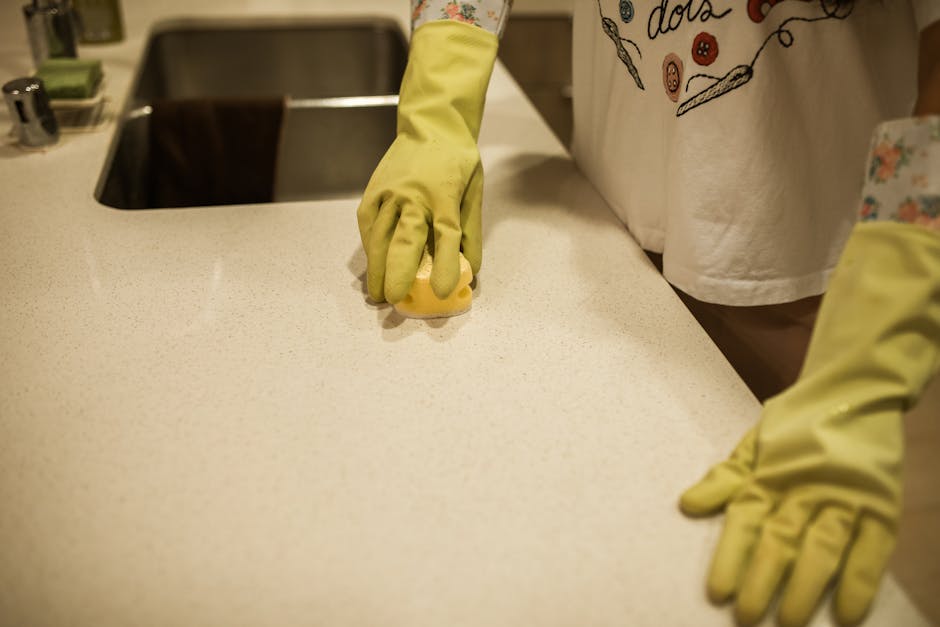
Your kitchen sponge is one of the dirtiest items in your home, even dirtier than your toilet seat. Every time you use it, bacteria and germs build up, putting your health at risk.
But don’t worry—sanitizing your sponge is easier than you think. You’ll discover simple, effective ways to keep your kitchen sponge clean and safe to use. Keep reading to protect your family and make your kitchen a healthier place.
Why Sanitize Your Sponge
Your kitchen sponge is one of the most used tools in your home, but it can also be a hotspot for germs if you don’t keep it clean. Sanitizing your sponge isn’t just about keeping it fresh; it’s about protecting your health and the food you prepare. You might be surprised to learn what lurks in an unsanitized sponge and why it’s crucial to sanitize it regularly.
Bacteria And Germs In Sponges
Sponges are damp and full of tiny crevices, making them perfect places for bacteria to grow. Everyday use spreads food particles and moisture, creating an ideal environment for germs to multiply quickly.
Studies have shown that kitchen sponges can carry more bacteria than a toilet seat. Imagine wiping your dishes with something that’s teeming with harmful microorganisms.
Have you ever noticed a bad smell coming from your sponge? That smell is a clear sign that bacteria are thriving inside it. Regular sanitizing helps stop this buildup before it gets out of control.
Risks Of Unsanitized Sponges
Using a sponge loaded with bacteria can cause cross-contamination, spreading germs to your dishes, countertops, and even your hands. This increases the risk of foodborne illnesses like salmonella and E. coli.
Think about the last time you got sick after eating at home. Could your sponge have played a role? It’s a simple tool, but if ignored, it can be a hidden source of infection.
Sanitizing your sponge prevents these risks, helping you maintain a safer kitchen environment. It’s a small habit that protects you and your family from preventable health issues.
:max_bytes(150000):strip_icc()/GettyImages-1425295065-f406affe0c904d83a5b948f2d8b2ebff.jpg)
Credit: www.realsimple.com
Daily Sponge Care Habits
Keeping your kitchen sponge clean every day is essential to prevent bacteria buildup. Simple daily habits can make a big difference in how fresh and safe your sponge stays. These habits don’t take much time but can save you from germs spreading around your kitchen.
Rinse And Wring Properly
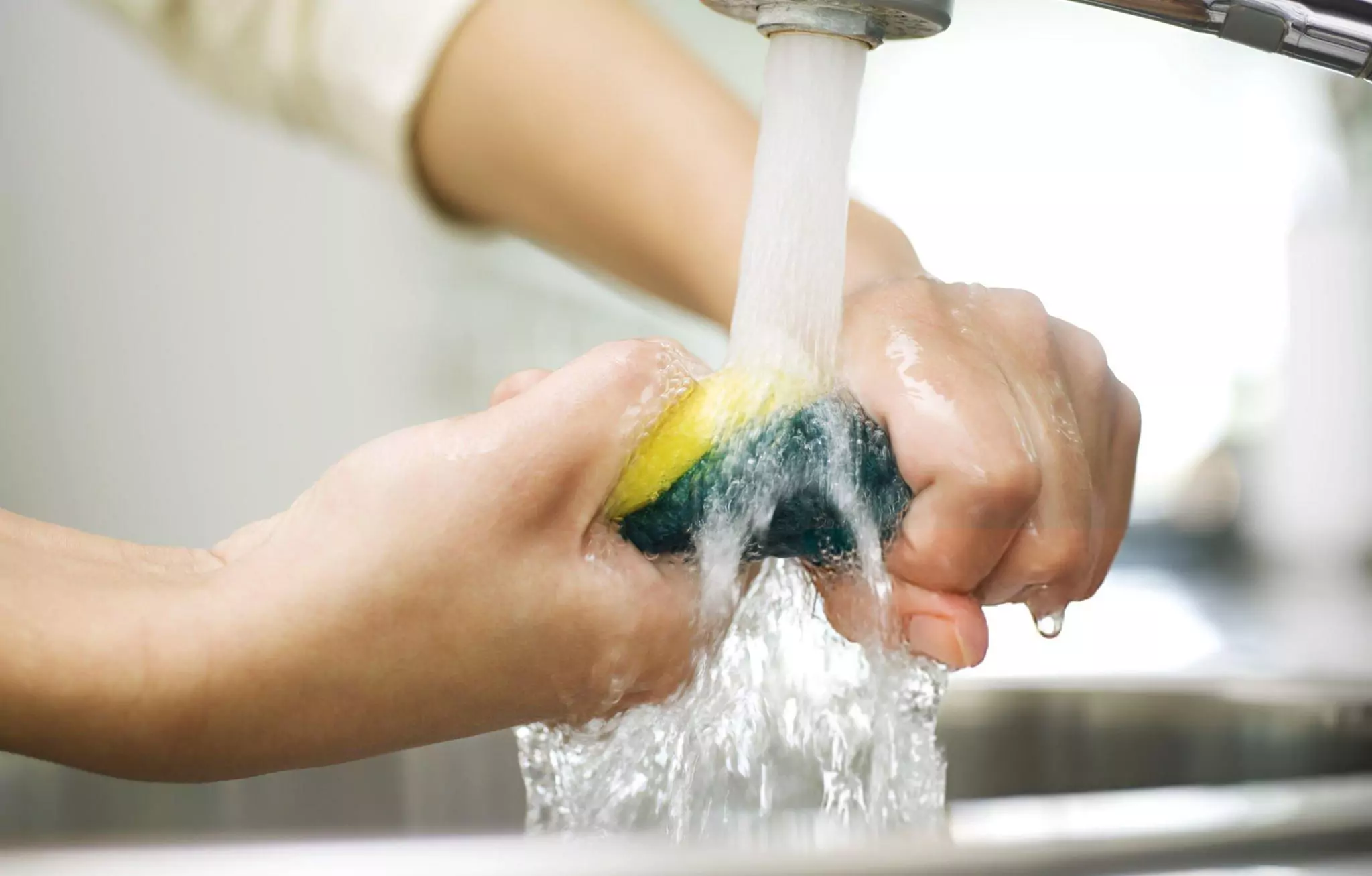
After using your sponge, rinse it thoroughly with hot water. This removes food particles and soap residues that attract bacteria.
Next, wring out as much water as you can. A damp sponge is a breeding ground for germs, so the drier it is, the better. Try squeezing firmly from all sides to get rid of excess moisture.
Have you noticed how a soggy sponge smells after a day or two? That’s a sign it wasn’t wrung out properly.
Air Drying Techniques
Place your sponge in a spot where it can dry quickly and completely. Avoid leaving it in a sink or on a flat surface where moisture collects.
- Use a sponge holder with good ventilation.
- Stand the sponge upright to expose more surface area to air.
- Consider placing it near a window or a fan to speed up drying.
Drying your sponge well each day cuts down on odor and bacteria growth. Have you tried switching where you leave your sponge? It might surprise you how much faster it dries and stays fresher.
Effective Sanitizing Methods
Keeping your kitchen sponge clean is essential to prevent germs and bad odors. Effective sanitizing methods kill bacteria and make your sponge safe to use again. Different approaches fit various needs and tools available at home. Choose a method that suits your schedule and equipment. Regular sanitizing helps maintain a healthy kitchen environment.
Microwave Sanitizing
Microwaving your sponge is a quick way to kill germs. First, soak the sponge in water to avoid fire. Place the wet sponge in the microwave. Heat on high for about two minutes. Let it cool before removing carefully. This method kills most bacteria and refreshes the sponge.
Dishwasher Cleaning
Use your dishwasher to clean and sanitize sponges easily. Put the sponge on the top rack. Run a full hot water cycle with detergent. The heat and soap remove bacteria and dirt. This method fits well into regular dishwashing routines. It saves time and effort.
Bleach Solution Soak
Bleach is a strong sanitizer that kills almost all germs. Mix one tablespoon of bleach in one gallon of water. Soak the sponge in this solution for five minutes. Rinse the sponge well with water after soaking. Use this method once a week to avoid damage. Bleach kills bacteria effectively but handle it with care.
Vinegar And Baking Soda Method
Natural vinegar and baking soda create a powerful cleaning duo. Soak the sponge in white vinegar for five minutes first. Sprinkle baking soda on the sponge and scrub lightly. Rinse with warm water afterward. This method removes odors and kills many bacteria. It is safe and eco-friendly for regular use.

Credit: www.yahoo.com
When To Replace Your Sponge
Knowing when to replace your kitchen sponge is just as important as sanitizing it. A sponge can hide bacteria and germs deep within its fibers, even after cleaning. Replacing it at the right time helps keep your kitchen safe and your dishes truly clean.
Signs Of Wear And Tear
Look closely at your sponge every day. If you notice it starting to fall apart, develop a bad odor, or change color, these are clear signs it’s time to toss it. A sponge that feels slimy or leaves residue on dishes is also past its prime.
Have you ever kept a sponge a bit too long, only to regret it later? That unpleasant smell is a warning your sponge is no longer effective. Don’t ignore these signals—they matter for your health.
Recommended Replacement Frequency
Most experts suggest replacing your kitchen sponge every one to two weeks. If you use it heavily or it’s constantly wet, aim for once a week. Sponges in less busy kitchens might last a little longer, but frequent checks are still essential.
- Replace after heavy use or contact with raw meat juices
- Swap out immediately if it shows signs of mold or persistent odor
- Consider a quick replacement after sanitizing if the sponge feels worn
Could a simple habit like regular sponge replacement improve your kitchen hygiene dramatically? Think about how much time and effort you spend cleaning—fresh sponges save you from hidden germs and extra scrubbing.
Alternative Cleaning Tools
Kitchen sponges can harbor many germs if not cleaned properly. Using alternative tools like brushes or microfiber cloths helps keep surfaces cleaner and reduces bacteria buildup. Regularly sanitizing these tools ensures a healthier kitchen environment.
Having a clean kitchen is essential for your health and peace of mind. While the traditional sponge may be a staple in your cleaning arsenal, it’s not the only tool available. There are alternative cleaning tools that can make your kitchen cleaning routine more efficient and hygienic. These alternatives not only help in maintaining cleanliness but also reduce waste and are often more sustainable. Let's explore some of these options.
Silicone Scrubbers
Silicone scrubbers are a fantastic alternative to the conventional sponge. They are designed to be durable and long-lasting, saving you money in the long run. Unlike traditional sponges, silicone scrubbers are non-porous, which means they don't harbor bacteria or odors. You can easily sanitize them by running them through the dishwasher or boiling them in water for a few minutes. One personal insight is how much easier they are to clean. After a particularly messy meal, I simply tossed mine in the dishwasher, and it came out looking brand new. Have you ever considered how much time you spend cleaning your cleaning tools? With silicone scrubbers, it's minimal.
Reusable Cloths
Reusable cloths are another eco-friendly option for keeping your kitchen spotless. They are versatile and can be used for wiping surfaces, washing dishes, or even drying your hands. Many are made from natural fibers, making them biodegradable and less harmful to the environment. The best part is their reusability. Toss them in the laundry, and they're ready to use again. I remember switching to reusable cloths and noticing a significant decrease in the number of paper towels I used. This simple change not only helped me save money but also reduced waste significantly. Isn't it satisfying to make a small change that has a big impact?
Natural Sponges
Natural sponges offer a biodegradable solution, perfect for those wanting to reduce their environmental footprint. These sponges are made from renewable resources and are free from synthetic materials. They are highly absorbent and ideal for a variety of cleaning tasks in the kitchen. However, it's important to maintain them properly to maximize their lifespan. Rinse them thoroughly after use and allow them to dry completely to prevent mold and bacterial growth. I once forgot to dry mine out, and it developed a musty smell, reminding me of the importance of care. Have you noticed how sometimes small habits can make a big difference in maintaining hygiene? Incorporating these alternative cleaning tools into your routine not only improves kitchen hygiene but also supports sustainability. Which one will you try first?
Tips To Maintain Kitchen Hygiene
Maintaining a clean kitchen helps prevent germs and keeps your family safe. Small habits make a big difference. Focus on simple steps to keep your kitchen sponge and tools hygienic.
Regular Cleaning Routine
Clean your kitchen sponge daily to stop bacteria growth. Rinse it well with hot water after every use. Use a disinfectant or microwave the damp sponge for one minute. Replace sponges every two weeks or sooner if they smell bad.
Proper Storage Of Cleaning Tools
Store sponges in a dry, well-ventilated place. Avoid leaving sponges in the sink or wet areas. Use a holder that allows air to circulate. Keep other cleaning tools separate and dry to prevent cross-contamination.
Credit: tidyhere.com
Frequently Asked Questions
How Often Should I Sanitize My Kitchen Sponge?
You should sanitize your kitchen sponge daily. Frequent cleaning reduces bacteria buildup and prevents odors. Regular sanitizing ensures a hygienic kitchen environment and prolongs sponge life.
What Are The Best Methods To Sanitize A Kitchen Sponge?
Microwaving, boiling, and using a dishwasher sanitize sponges effectively. Each method kills most bacteria and germs. Choose the method that fits your routine and equipment availability.
Can I Use Bleach To Sanitize My Kitchen Sponge?
Yes, dilute bleach can sanitize sponges safely. Mix one tablespoon of bleach with one gallon of water. Soak the sponge for five minutes, then rinse well before use.
Does Vinegar Effectively Sanitize Kitchen Sponges?
Vinegar has some antibacterial properties but is less effective than other methods. It can reduce odors but may not kill all harmful bacteria on sponges.
Conclusion
Sanitizing your kitchen sponge keeps your kitchen clean and safe. Use simple methods like microwaving or soaking in vinegar. Do this regularly to stop germs from spreading. Replace old sponges often to avoid bacteria build-up. Clean sponges help prevent food contamination and illness.
A small effort makes a big difference in hygiene. Keep your kitchen fresh and healthy every day.