
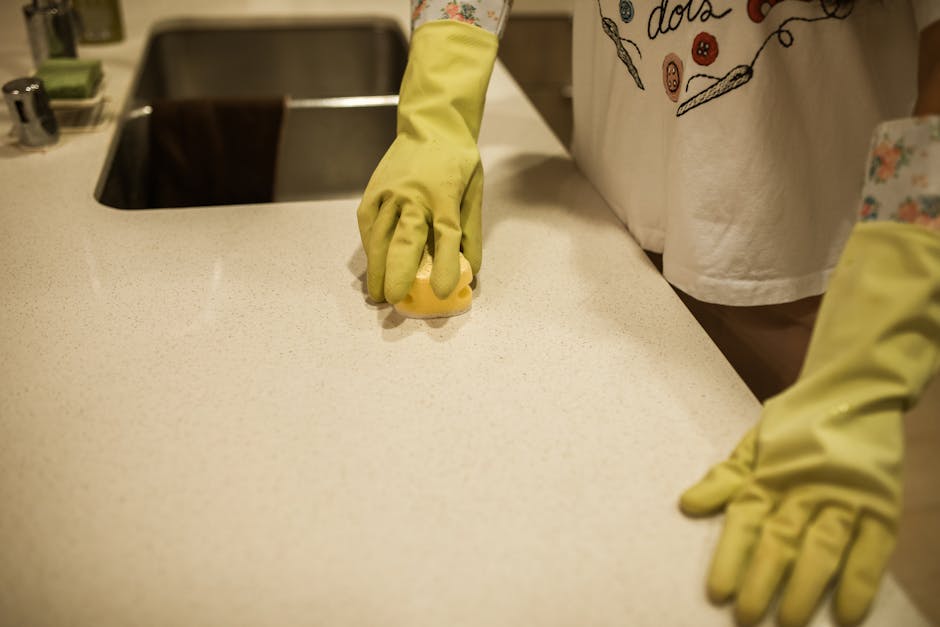
Your kitchen sponge is one of the dirtiest items in your home, and if you’re not careful, it can spread germs instead of cleaning them. But don’t worry—sanitizing your kitchen sponge is easier than you think.
You’ll discover simple, effective ways to keep your sponge clean and safe to use. By following these easy steps, you’ll protect your family’s health and keep your kitchen fresh. Ready to learn how to make your sponge a powerful cleaning tool again?
Let’s dive in!
:max_bytes(150000):strip_icc()/GettyImages-1425295065-f406affe0c904d83a5b948f2d8b2ebff.jpg)
Credit: www.realsimple.com
Why Sanitize Your Sponge
Keeping your kitchen sponge clean is more important than most people realize. You use it daily to wipe surfaces, wash dishes, and clean up spills, yet it often becomes a hotspot for germs. Understanding why you need to sanitize your sponge can help you protect your health and maintain a truly clean kitchen.
Germs In Kitchen Sponges
Your kitchen sponge is a perfect breeding ground for bacteria, mold, and yeast. The damp, warm environment combined with food particles creates an ideal space for germs to multiply quickly.
Studies show that sponges can harbor more bacteria than a toilet seat. Can you imagine what happens when you use that same sponge to wipe your countertops or wash your dishes?
Cleaning your sponge regularly stops these germs from spreading and contaminating your kitchen tools and surfaces.
Health Risks Of Dirty Sponges
Using a dirty sponge can lead to foodborne illnesses. Harmful bacteria such as Salmonella and E. coli can transfer to your hands, utensils, and food, increasing the risk of infections.
People with weakened immune systems, children, and elderly family members are especially vulnerable. You might not notice immediate symptoms, but repeated exposure to these germs can cause stomach issues and other health problems.
Are you willing to take that risk just to save a few minutes of cleaning? Sanitizing your sponge regularly is a simple step to protect yourself and your loved ones from potential health hazards.

Credit: www.youtube.com
Daily Sponge Care
Daily sponge care keeps your kitchen clean and safe. A well-maintained sponge stops germs from spreading. Simple habits make a big difference. Focus on rinsing, squeezing, and storing your sponge properly. These small steps keep it fresh longer and reduce bacteria buildup.
Rinsing And Squeezing
Rinse the sponge thoroughly after every use. Use hot water to wash away food particles and soap. Squeeze out all the water to dry the sponge quickly. A wet sponge invites bacteria to grow fast. Make sure no moisture remains inside the sponge.
Proper Storage
Store the sponge in a dry place between uses. Avoid leaving it in the sink or on a wet surface. Use a sponge holder that allows air to circulate around it. Keeping the sponge dry helps prevent mold and bad smells. Change the sponge regularly, even with good care.
Effective Sanitizing Methods
Microwaving a damp sponge for one to two minutes kills most germs quickly. Soaking it in vinegar or bleach water also cleans effectively. Regular sanitizing keeps your kitchen sponge safe and fresh for daily use.
Keeping your kitchen sponge clean is crucial for maintaining a hygienic cooking environment. Did you know that a dirty sponge can harbor more bacteria than your toilet seat? It's essential to sanitize your sponge regularly to prevent the spread of germs. Here are some effective methods to ensure your sponge is as clean as possible.
Microwave Cleaning
Microwaving your sponge is a quick and efficient way to kill bacteria. First, make sure your sponge is wet. A dry sponge can catch fire in the microwave, which no one wants. Place the wet sponge in the microwave and heat it on high for about one to two minutes. Carefully remove it, as it will be hot. This method is perfect for those who want a speedy sanitizing solution.
Dishwasher Cycle
If you already run your dishwasher daily, this method is a no-brainer. Simply place your sponge in the top rack of the dishwasher. Run it through a regular wash cycle with the heat dry option. The hot water and detergent work together to sanitize the sponge thoroughly. This method saves time and ensures your sponge is cleaned alongside your dishes.
Bleach Solution Soak
Bleach is a powerful disinfectant that can effectively kill bacteria on your sponge. Mix a tablespoon of bleach in a gallon of water. Submerge your sponge in the solution for about five minutes. Rinse thoroughly with water to remove any bleach residue. Consider using this method if you haven't sanitized your sponge in a while or if it's heavily soiled.
Vinegar And Baking Soda
This method combines two household staples for a natural cleaning solution. Soak your sponge in a bowl of full-strength white vinegar for five minutes. Sprinkle baking soda on the sponge and give it a gentle scrub. The fizzing action helps lift dirt and kill bacteria. Rinse well after the process. This eco-friendly method is great if you're looking for a chemical-free option. Have you tried any of these methods before? Each has its own benefits, so pick the one that best fits your routine. Your kitchen and your health will thank you!

Credit: www.yahoo.com
Replacing Your Sponge
Replacing your kitchen sponge is key to keeping your kitchen clean and safe. Sponges soak up germs and bacteria quickly. Old sponges spread more germs than they clean. Changing your sponge regularly stops bacteria from building up. It also helps avoid bad smells and stains.
How Often To Replace
Replace your sponge every one to two weeks. If you use it daily, change it weekly. Sponges used less often can last two weeks. Change it sooner if it smells bad or falls apart. A fresh sponge cleans better and stays safer.
Choosing The Right Sponge
Pick a sponge that suits your kitchen needs. Look for:
- Non-toxic materials
- Good scrubbing power without scratching
- Quick drying to avoid bacteria growth
- Durable and easy to rinse
Some sponges have antimicrobial properties. These can help reduce germs but still need regular replacement. Soft sponges work well for dishes. Rougher sponges help clean pots and pans.
Alternatives To Traditional Sponges
Traditional kitchen sponges often trap bacteria and odors. Finding alternatives can help keep your kitchen cleaner. These options last longer and are easier to sanitize. They also reduce waste and save money over time.
Silicone Scrubbers
Silicone scrubbers resist bacteria better than regular sponges. Their non-porous surface stops germs from hiding inside. You can clean them easily with hot water or in the dishwasher. They dry quickly, which prevents mold growth. Silicone scrubbers also last much longer than traditional sponges.
Reusable Cloths
Reusable cloths are a versatile alternative to sponges. They absorb liquids well and scrub surfaces gently. These cloths can be washed in the washing machine or by hand with soap. Frequent washing keeps them fresh and free of germs. Using reusable cloths reduces plastic waste from disposable sponges.
Frequently Asked Questions
How Often Should I Sanitize My Kitchen Sponge?
You should sanitize your kitchen sponge at least once a day. Frequent cleaning prevents bacteria buildup and odors. Daily sanitizing keeps your sponge safe for food contact and extends its usability.
What Is The Best Way To Sanitize A Kitchen Sponge?
Microwaving your damp sponge for one to two minutes is highly effective. Alternatively, soak it in a bleach solution or run it through the dishwasher. These methods kill most bacteria and germs quickly.
Can I Sanitize A Kitchen Sponge In The Dishwasher?
Yes, placing your sponge on the top rack of a dishwasher during a hot cycle sanitizes it effectively. The high temperature kills harmful bacteria and refreshes the sponge for reuse.
Does Boiling A Kitchen Sponge Kill All Bacteria?
Boiling a sponge for five minutes kills most bacteria but not all. It’s a simple method but may not eliminate resistant germs. Combine boiling with other cleaning methods for best results.
Conclusion
Sanitizing your kitchen sponge keeps your kitchen cleaner and safer. Regular cleaning stops germs from spreading. Use simple methods like microwaving or soaking in vinegar. Change sponges often to avoid bad smells and bacteria build-up. Clean sponges last longer and work better.
Small habits make a big difference in kitchen hygiene. Keep your kitchen fresh and healthy by caring for your sponge. Easy steps, big impact.