
Your kitchen is the heart of your home, where meals are made and memories are shared. But have you ever stopped to think about how clean and safe your kitchen really is?
A spotless kitchen isn’t just about looking good—it’s about protecting you and your loved ones from harmful germs and bacteria. You’ll discover simple, effective ways to sanitize your kitchen so you can cook with confidence and peace of mind. Keep reading, and learn how to turn your kitchen into a safe, healthy space effortlessly.
Daily Kitchen Cleaning Habits
Keeping your kitchen clean every day is key to preventing germs from building up and keeping your food safe. Simple habits you do regularly can make a big difference in how fresh and sanitary your kitchen feels. Let’s look at some practical daily cleaning tasks that you can easily fit into your routine.
Wiping Down Surfaces
After you finish cooking or eating, take a moment to wipe down all your kitchen surfaces. Use a clean cloth and a mild disinfectant or soapy water to remove crumbs, spills, and bacteria.
Pay close attention to frequently touched areas like countertops, cabinet handles, and light switches. I once noticed a sticky spot on the counter that I ignored for days—it became a magnet for ants. Cleaning it immediately would have saved me that hassle.
Proper Dishwashing Techniques
Don’t just rinse your dishes and leave them; washing them thoroughly is essential to kill germs. Use hot water and a good dish soap, scrubbing all surfaces including utensils and cutting boards.
Consider using a separate sponge for dishes and another for cleaning surfaces to avoid cross-contamination. If you hand wash, rinse well and allow dishes to air dry completely before putting them away to prevent bacteria growth.
Handling Spills Immediately
Spills can quickly turn into sticky messes that attract pests and bacteria. The moment you notice a spill, grab a paper towel or cloth and clean it up right away.
This habit prevents stains and reduces the chance of mold or mildew forming. Have you ever left a spill and later found a hard-to-remove stain? Cleaning spills immediately saves you time and effort later.

Credit: www.carawayhome.com
Effective Sanitizing Products
Effective sanitizing products are essential for keeping your kitchen safe and clean. Choosing the right product can make a big difference in how well you eliminate harmful bacteria and viruses. It’s not just about grabbing any cleaner off the shelf; understanding what works best for your kitchen surfaces and your health is key.
Choosing The Right Disinfectants
Not all disinfectants are created equal. Look for products that list EPA-approved ingredients known to kill common kitchen germs. These include quaternary ammonium compounds, hydrogen peroxide, and sodium hypochlorite.
Make sure the product is safe for food-contact surfaces if you plan to use it on countertops or cutting boards. Some disinfectants require a certain amount of “dwell time” – the time they need to stay wet on the surface to work effectively. Have you ever wiped a cleaner off too quickly and wondered if it really did the job?
Natural Alternatives To Chemicals
If you prefer to avoid harsh chemicals, natural options like vinegar, lemon juice, and baking soda can help sanitize your kitchen. Vinegar has antibacterial properties and works well on glass and stainless steel.
Lemon juice adds a fresh scent and can break down grease. While these alternatives are great for regular cleaning, they may not kill all types of bacteria and viruses. Consider using natural products alongside occasional chemical disinfectants for a balanced approach.
Safe Use Of Bleach And Alcohol
Bleach and alcohol are powerful sanitizers but require careful handling. Use bleach diluted properly—usually one tablespoon of bleach per gallon of water—to avoid damage to surfaces and harmful fumes.
Isopropyl alcohol at concentrations above 70% effectively kills germs but evaporates quickly, so you need to keep the surface wet for at least 30 seconds. Always ensure good ventilation and never mix bleach with ammonia or other cleaners. Your safety comes first when using these strong sanitizers.
Sanitizing Common Kitchen Areas
Kitchen counters, sinks, and cutting boards need regular cleaning to stop germs. Use warm water and soap, then wipe with a disinfectant for safety. Focus on handles and knobs where bacteria often hide.
Sanitizing common kitchen areas is crucial for a healthy home. It helps prevent the spread of germs and bacteria. A clean kitchen also ensures safe food preparation. Focus on high-touch surfaces and areas prone to contamination.
Cleaning Cutting Boards And Utensils
Cutting boards and utensils contact various foods. Use hot, soapy water to clean them. Rinse thoroughly to remove all soap. For deeper cleaning, use a solution of vinegar and water. Let it sit for a few minutes. Rinse again with clean water. Dry with a clean towel or air dry. Wooden boards need extra care. Avoid soaking them in water. Apply mineral oil monthly to keep them in good condition.
Disinfecting Sink And Faucet
The sink and faucet are germ hotspots. Use a disinfectant spray or a bleach solution. Spray and let it sit for a few minutes. Scrub the sink with a brush. Pay attention to the drain area. Rinse with warm water. Wipe the faucet with a clean cloth. Ensure all surfaces are dry. This prevents mold and bacteria growth.
Sanitizing Refrigerator And Handles
The refrigerator stores fresh and raw foods. Clean spills immediately to prevent odors. Use a mixture of water and baking soda for cleaning. Wipe shelves and drawers thoroughly. Focus on the handles and exterior. These areas are touched frequently. Use a disinfectant wipe on handles. Let it air dry for complete sanitation. Repeat this process weekly for best results.
Preventing Cross-contamination
Preventing cross-contamination is key to keeping your kitchen safe. Harmful bacteria can spread easily from raw foods to cooked foods. This can cause foodborne illnesses. Simple habits in the kitchen stop this risk. Follow these easy steps to keep foods separate and clean.
Separating Raw And Cooked Foods
Keep raw meat, poultry, and seafood away from cooked foods. Store raw items on the bottom shelf of the fridge. This stops their juices from dripping onto other foods. Use different plates and cutting boards for raw and cooked foods. Never place cooked food back on a plate that held raw items. Always cook foods to the right temperature to kill germs.
Using Color-coded Tools
Use color-coded cutting boards and utensils for different foods. For example:
- Red for raw meat
- Green for vegetables
- Blue for fish
- Yellow for cooked foods
This system helps avoid mixing bacteria from one food type to another. Clean tools thoroughly after each use. Replace tools that have deep cuts where bacteria can hide.
Proper Handwashing Techniques
Wash hands often to stop spreading germs. Use warm water and soap. Scrub hands for at least 20 seconds. Clean under nails, between fingers, and wrists. Dry hands with a clean towel or air dryer. Wash hands after touching raw food, garbage, or pets. Hand hygiene is a simple but powerful way to prevent contamination.
Deep Cleaning Tips
Deep cleaning your kitchen ensures a safer and healthier cooking space. It removes hidden dirt and germs that daily cleaning misses. Focusing on appliances, tough spots, and air and drainage keeps your kitchen fresh and hygienic.
Cleaning Kitchen Appliances
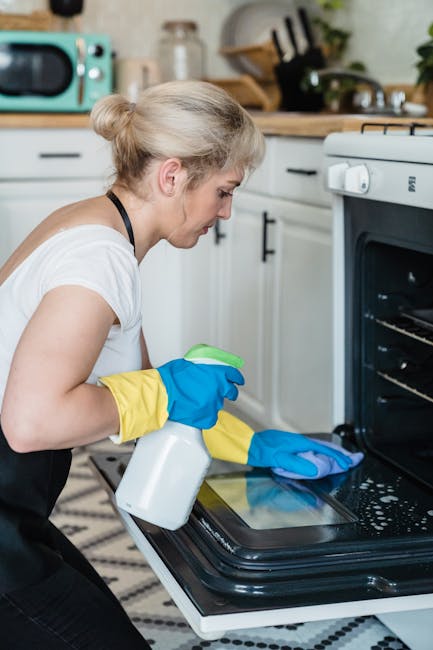
Appliances can harbor grease and bacteria. Unplug each device before cleaning. Use warm, soapy water for removable parts like trays and shelves. Wipe the exterior with a damp cloth and mild detergent. For ovens and microwaves, use a baking soda paste to lift stains. Don’t forget to clean small appliances like toasters and coffee makers regularly.
Dealing With Hard-to-reach Spots
Corners, behind appliances, and under sinks collect dust and grime. Use a small brush or toothbrush to scrub these areas. Vacuum or wipe dust from vents and light fixtures. Pull out movable furniture and appliances to clean underneath. Use a flashlight to spot hidden dirt.
Maintaining Clean Air And Drainage
Good air quality reduces odors and bacteria. Open windows or use an exhaust fan while cooking. Clean or replace air filters regularly. Pour baking soda and vinegar down drains to clear blockages and kill germs. Flush drains with hot water after cleaning to remove residues.

Credit: food52.com
:max_bytes(150000):strip_icc()/9ThingsYouShouldCleaninYourKitchenEveryWeek-28c9ca430069452181b75b201c65d16e.jpg)
Credit: www.eatingwell.com
Frequently Asked Questions
How Often Should I Sanitize My Kitchen Surfaces?
Sanitize kitchen surfaces daily to prevent bacteria buildup. Focus on countertops, cutting boards, and sink areas. Use a food-safe sanitizer or diluted bleach solution for best results. Regular sanitizing reduces the risk of foodborne illnesses.
What Is The Best Sanitizer For Kitchen Use?
A diluted bleach solution or commercial food-safe sanitizers work best. Ensure the sanitizer is safe for food contact surfaces. Avoid harsh chemicals like ammonia near food prep areas. Always follow product instructions for safe and effective use.
Can I Use Vinegar To Sanitize My Kitchen?
Vinegar has some antibacterial properties but is not a strong sanitizer. It is better for cleaning than sanitizing. Use vinegar to remove grease and grime, but rely on bleach or commercial sanitizers for disinfection.
How Do I Sanitize Kitchen Sponges And Cloths?
Microwave damp sponges for two minutes or boil them briefly to kill germs. Wash cloths in hot water with detergent regularly. Replace sponges and cloths often to maintain hygiene and prevent bacteria spread.
Conclusion
Sanitizing your kitchen keeps your home safe and clean. Regular cleaning stops germs from spreading. Use simple steps like washing surfaces and tools well. Clean spills right away to avoid bacteria growth. Choose safe cleaning products that work best for your needs.
Keep your hands clean during food prep. A clean kitchen helps protect your family’s health. Small daily habits make a big difference. Start today and enjoy a fresher, healthier kitchen space.