
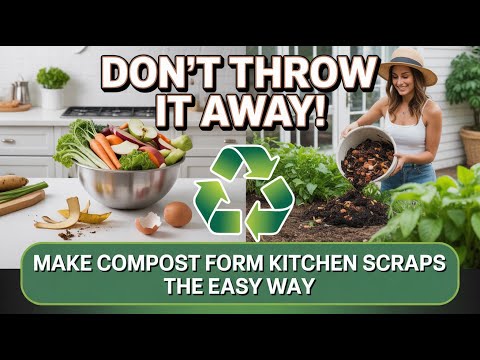
Are you tired of throwing away kitchen scraps every day? What if you could turn those leftover peels, cores, and bits into something valuable for your garden?
Saving kitchen scraps for compost is a simple habit that can make a big difference. Not only does it reduce waste, but it also helps you create rich soil that makes your plants thrive. You’ll discover easy ways to collect and store your kitchen scraps so they stay fresh and ready for composting.
Keep reading to learn how to transform your everyday food waste into garden gold!

Credit: www.youtube.com
Benefits Of Composting Kitchen Scraps
Composting your kitchen scraps can transform everyday waste into a valuable resource. It’s a simple way to reduce what you throw away and create something that benefits your garden and the planet. Understanding the benefits can motivate you to start saving your scraps today.
Reduces Household Waste
Composting kitchen scraps cuts down the amount of garbage sent to landfills. This helps reduce methane emissions, a potent greenhouse gas produced by organic waste in landfills. You can see a real impact by saving just your fruit peels, coffee grounds, and vegetable trimmings instead of tossing them out.
Enriches Soil Naturally
Compost adds essential nutrients back into your soil, improving its texture and water retention. This means your plants grow healthier without needing synthetic fertilizers. When I started composting, my tomato plants became noticeably stronger and produced more fruit by the second season.
Saves Money On Garden Supplies
Using compost reduces the need to buy commercial fertilizers and soil conditioners. This saves you money and decreases chemical use in your garden. You might be surprised how much you can save just by turning your kitchen scraps into nutrient-rich compost.
Supports Microbial Life
Compost feeds beneficial microorganisms that help break down organic matter and protect plants from diseases. Healthy soil microbes create a balanced ecosystem in your garden. Have you ever wondered what really keeps your plants healthy? It’s often the tiny life beneath the surface.
Encourages Sustainable Living
By composting, you actively reduce your environmental footprint. It’s a practical step you can take at home to contribute to a greener world. Could your kitchen scraps be a small yet powerful part of the solution to waste problems?
Credit: erickaleigh.medium.com
Best Kitchen Scraps For Compost
Saving kitchen scraps for compost helps reduce waste and enrich soil naturally. Choosing the right scraps speeds up composting and improves soil health. Some scraps break down quickly, while others add valuable nutrients.
Fruit And Vegetable Peels
Fruit and vegetable peels are perfect for compost. They break down fast and add essential nutrients. Citrus peels, banana skins, potato peels, and carrot tops are excellent choices. Avoid peels with pesticides or wax coatings. Chop them into smaller pieces for quicker composting.
Coffee Grounds And Tea Bags
Coffee grounds add nitrogen to compost and improve soil texture. Tea bags also work well but check if they contain plastic. Use natural, biodegradable tea bags to avoid contamination. Spread coffee grounds and tea bags evenly in the compost bin.
Eggshells And Nut Shells
Eggshells provide calcium, which strengthens plant cell walls. Crush them before adding to compost for faster breakdown. Nut shells take longer to decompose but help aerate the compost. Avoid shells from treated or flavored nuts to keep compost safe.
Grains And Bread
Grains and bread scraps add carbon and energy to compost. Use stale bread, rice, or pasta in small amounts. Too much bread can attract pests, so balance with green scraps. Break grains into small pieces for better decomposition.
Scraps To Avoid In Compost
Avoid meat, dairy, and oily foods as they can attract pests and slow composting. Keep citrus peels and onion skins minimal to prevent bad odors. Focus on vegetable scraps, coffee grounds, and eggshells for healthy compost.
Composting is a fantastic way to reduce waste and enrich your garden soil. However, not all kitchen scraps are suitable for your compost bin. It's essential to know which items to exclude to maintain a healthy compost pile. Let's explore some common scraps you should avoid composting to keep your heap thriving.
Meat And Dairy Products
Meat and dairy products can attract unwanted pests to your compost pile. Animals like raccoons and rats are often lured by the smell of these scraps. Additionally, meat and dairy can create unpleasant odors as they decompose. Consider using these items in a separate bin or, better yet, reducing their waste by planning meals more efficiently. Composting should be a pleasant experience, not a smelly one!
Oils And Fats
Adding oils and fats to your compost is a recipe for disaster. These substances can cause your compost pile to become overly moist and stinky. They also slow down the decomposition process, making it harder for your compost to break down effectively. Instead, wipe excess oil from pans with a paper towel and dispose of it in the trash. Keeping your compost heap free from oils ensures it stays balanced and efficient.
Diseased Plants
It might seem logical to toss all plant material into your compost bin, but beware of diseased plants. If you include them, you risk spreading pathogens throughout your compost and, ultimately, your garden. By carefully selecting healthy plant scraps, you protect your garden from potential threats. Always examine your plant material before adding it to your compost.
Pet Waste
Pet waste, including feces and litter, should never find its way into your compost. These materials can harbor harmful bacteria and parasites that are unsafe for humans and plants alike. If you're a pet owner, consider setting up a separate composting system specifically for pet waste. This way, you can keep your garden compost safe while still managing pet waste responsibly. Avoiding these scraps in your compost not only keeps your pile healthy but also your garden flourishing. What changes will you make to your composting routine?
Storing Scraps Before Composting
Storing kitchen scraps before adding them to your compost pile is important. Proper storage keeps your scraps fresh and stops bad smells. It also prevents pests from invading your kitchen. Organizing your scraps well can make composting easier and cleaner.
Choosing The Right Container
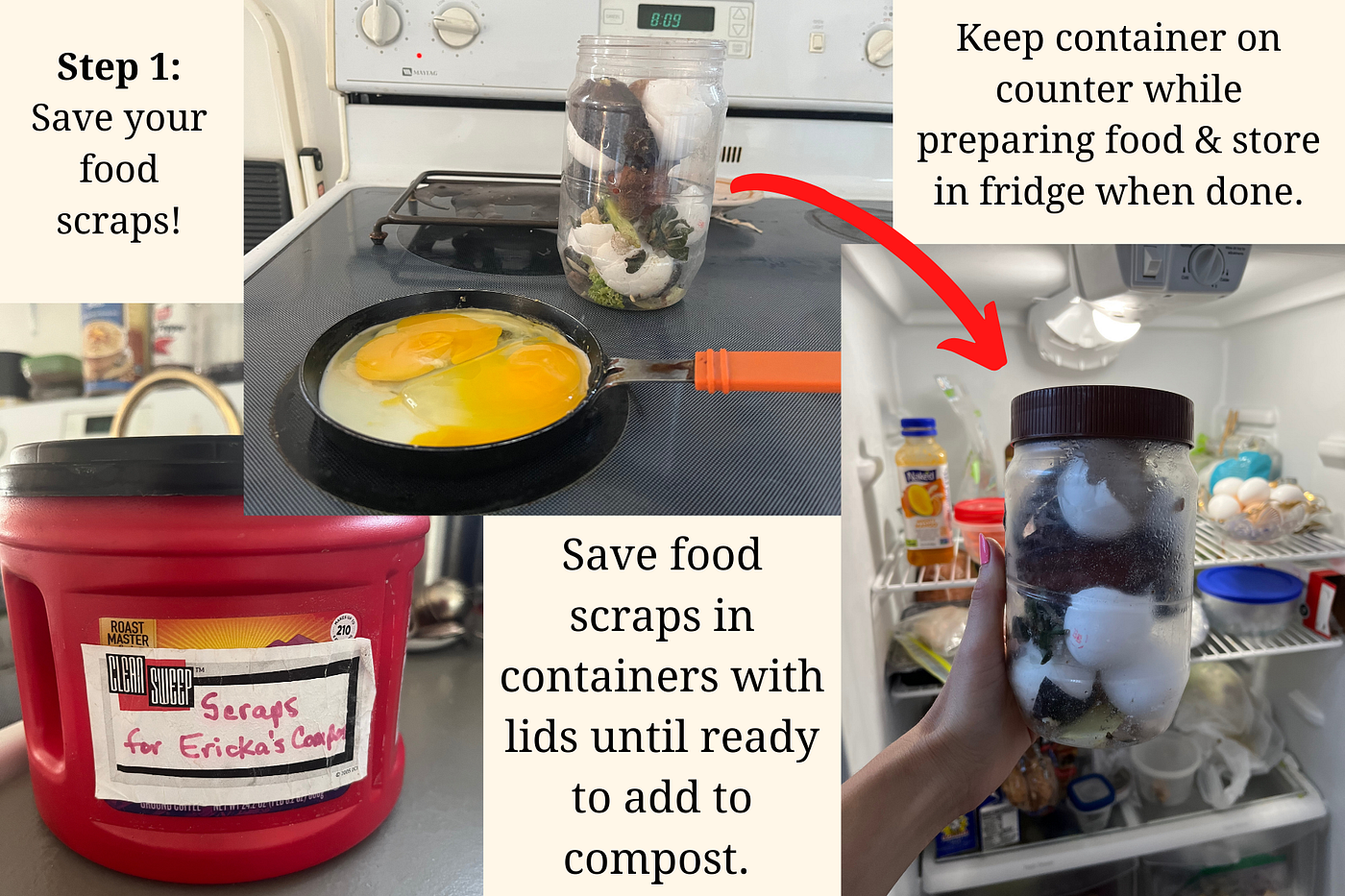
Select a container with a tight-fitting lid to keep scraps sealed. Small containers work well for everyday kitchen use. Materials like plastic, glass, or metal are good choices. Containers with a carbon filter help reduce odors. Clean the container often to avoid buildup and stains.
Preventing Odors And Pests
Keep scraps dry by adding paper towels or newspaper at the bottom. Avoid adding too many wet scraps at once. Store scraps in the fridge or a cool place to slow decay. Use a lid that seals tightly to block smells and bugs. Empty the container regularly to prevent odors and pest problems.
Freezing Scraps For Later Use
Freezing scraps is a smart way to store them longer. Use a freezer-safe bag or container for storage. Chop scraps into small pieces for faster composting later. Label the container with the date to keep track. When ready, thaw the scraps before adding to your compost pile.
Preparing Scraps For Composting
Preparing your kitchen scraps correctly can make a huge difference in how quickly and effectively they turn into rich compost. Taking the time to chop, balance, and manage moisture ensures your compost pile stays healthy and active. These simple steps can transform your everyday waste into a valuable resource for your garden.
Chopping And Shredding
Breaking down scraps into smaller pieces speeds up decomposition. When you chop vegetable peels, fruit scraps, and coffee grounds, you increase the surface area for microbes to work on. I started chopping my scraps finely, and I noticed my compost broke down in weeks instead of months.
Use a kitchen knife or food processor to shred tougher items like corn husks or stems. Avoid adding large chunks that can slow the composting process. Smaller pieces also reduce odors, making your compost bin more pleasant to keep indoors.
Balancing Greens And Browns
Your compost needs a mix of “greens” (nitrogen-rich materials) and “browns” (carbon-rich materials) to stay active. Greens include fruit scraps, vegetable peelings, and coffee grounds. Browns are dry leaves, shredded paper, or cardboard.
Too many greens make the pile smelly and soggy; too many browns slow down decomposition. A good rule is to add roughly two to three parts browns for every part green. Have you checked what your compost bin looks like lately? Adjusting this balance might be the key to speeding it up.
Moisture Control
Compost should be as damp as a wrung-out sponge. If it’s too dry, microbes become inactive; too wet, and the pile turns slimy and stinky. I keep a spray bottle nearby to add water gradually and stir the pile regularly to maintain the right moisture level.
If your scraps look dry, sprinkle a little water before adding them. Conversely, if your bin is soggy, mix in more dry browns like shredded paper or dry leaves. Managing moisture well means your compost stays healthy and ready to nourish your plants.
Composting Methods For Kitchen Waste
Composting kitchen scraps turns food waste into valuable soil nutrients. Different composting methods suit various spaces and needs. Choose the right method to keep scraps from the trash and help the environment.
Outdoor Compost Bins
Outdoor compost bins are simple and effective. Place a bin in your garden or backyard. Add kitchen scraps like vegetable peels, coffee grounds, and eggshells. Mix with dry materials like leaves or paper.
Compost breaks down faster with good air flow. Turn the pile every few weeks to speed decomposition. Keep the bin moist but not wet. Outdoor bins handle larger amounts of scraps well.
Indoor Composting Systems
Indoor composting systems work well in small spaces. Use a sealed container to avoid smells. Many systems use special filters to keep air fresh. Add scraps daily and stir often for airflow.
These systems are perfect for apartment living. They break down food waste quickly. Common scraps include fruit peels, vegetable trimmings, and coffee grounds. Avoid meat or dairy to prevent odors.
Vermicomposting With Worms
Vermicomposting uses worms to turn scraps into rich compost. Use a bin with bedding like shredded paper. Add red worms that eat kitchen scraps.
- Worms digest food and produce nutrient-rich castings.
- Keep the bin dark and moist for worm health.
- Avoid citrus, onions, and spicy foods that harm worms.
Vermicomposting is space-efficient and fast. It produces excellent fertilizer for plants and gardens.
Tips To Reduce Kitchen Waste
Reducing kitchen waste helps save money and supports composting efforts. Small changes in daily habits make a big difference. Focus on practical ways to cut down scraps before they even reach the bin. This keeps your kitchen clean and your compost healthy.
Meal Planning And Portion Control
Plan meals ahead to avoid buying too much food. Use shopping lists to buy only what you need. Cook portions that match your family size to prevent leftovers. Smaller servings mean less food waste and fewer scraps to compost.
Using Leftovers Creatively
Transform leftovers into new meals instead of throwing them away. Turn extra vegetables into soups or stir-fries. Use stale bread for breadcrumbs or croutons. Save peels and trimmings for compost rather than the trash.
Regular Compost Maintenance
Keep your compost bin clean and well-aerated to avoid odors. Turn the compost regularly to speed up decomposition. Add kitchen scraps in balanced layers with dry materials like leaves or paper. This creates rich soil and reduces kitchen waste effectively.

Credit: www.bamboozlehome.com
Frequently Asked Questions
What Kitchen Scraps Are Best For Composting?
Vegetable peels, fruit scraps, coffee grounds, eggshells, and tea bags are ideal for composting. Avoid meat, dairy, and oily foods as they attract pests and slow decomposition.
How Should I Store Kitchen Scraps Before Composting?
Use a small, airtight container or compost bin with a lid to store scraps. Keep it in a cool, dry place or refrigerate to prevent odors and pests.
Can I Compost Cooked Food Scraps Safely?
Small amounts of cooked vegetable scraps are compostable, but avoid cooked meat, dairy, and oily foods. These can cause odors, attract pests, and disrupt compost balance.
How Often Should I Add Kitchen Scraps To My Compost Pile?
Add kitchen scraps regularly, ideally daily or every few days. Frequent additions speed up decomposition and keep your compost pile active and healthy.
Conclusion
Saving kitchen scraps for compost helps reduce waste and grow healthy plants. Keep a small container near your sink to collect scraps daily. Avoid putting meat, dairy, or oily foods in the compost. Regularly empty your container into a compost bin outside.
Over time, these scraps turn into rich soil for your garden. Start small, stay consistent, and watch your compost grow. It’s an easy way to help the environment and improve your garden’s health. Simple steps can make a big difference every day.