

Have you ever wanted a kitchen apron that fits perfectly and shows off your style? Sewing your own apron is easier than you think, and it lets you create something unique just for you.
Imagine having a handy apron that protects your clothes and adds a personal touch every time you cook or bake. In this guide, you’ll learn simple steps to sew a kitchen apron from start to finish. By the end, you’ll have a beautiful, custom apron you’ll be proud to wear—and maybe even gift to someone special.
Ready to get started? Let’s dive in!

Credit: www.youtube.com
Choosing Fabric And Materials
Choosing the right fabric and materials lays the foundation for a kitchen apron that’s both durable and comfortable. Your fabric choice affects how the apron feels on your skin and how well it holds up against spills and stains. Let's look at what works best and what tools you’ll need to bring your apron to life.
Best Fabrics For Aprons
Look for fabrics that are sturdy yet easy to wash. Cotton is a top pick because it’s breathable and withstands frequent laundering. Denim and canvas offer extra durability, perfect if you plan to use your apron for heavy kitchen work or crafting.
Consider if you want a smooth or textured finish. Linen gives a natural, crisp look but wrinkles easily. Polyester blends resist stains and drying faster, though they might not feel as soft.
Have you thought about pattern and color? Darker shades hide stains better, while fun prints can brighten your cooking routine. Pick something that fits your style and the type of cooking you do.
Selecting Thread And Notions
Your thread choice is just as important as the fabric. Use polyester or cotton-wrapped polyester threads because they’re strong and stretch a bit with the fabric. Avoid cheap threads that break easily during sewing or use.
Notions like buttons, snaps, or adjustable buckles add functionality. Choose metal or durable plastic that won’t rust or crack with frequent washing. Don’t forget strong interfacing for added structure at the pockets or ties.
Think about how the apron will be used. Are you planning to add pockets? Reinforce stress points with bar tacks or double stitching to keep your apron lasting longer.
Gathering Sewing Tools
Before starting, make sure your sewing tools are ready and in good condition. A sharp pair of fabric scissors makes cutting easier and prevents frayed edges. Pins or clips will hold your pieces in place as you sew.
A sewing machine is ideal for neat, strong seams, but you can hand sew if needed. Have a measuring tape and fabric chalk or markers to keep your cuts precise. Don’t overlook a seam ripper for fixing mistakes quickly.
Do you have a comfortable workspace? Good lighting and a flat surface can make sewing less frustrating and more enjoyable. When your tools are organized, your apron project flows smoothly from start to finish.
Credit: www.sewnwyoming.com
Measuring And Cutting
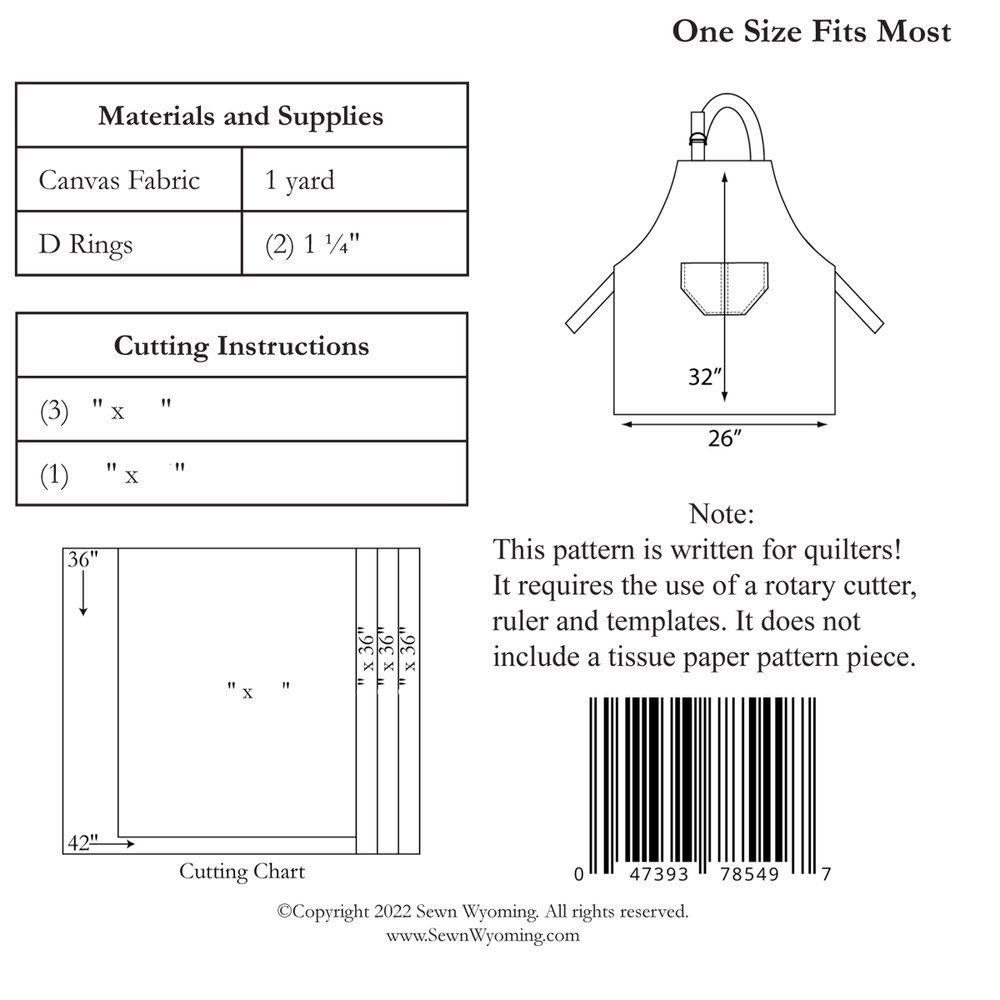
Measuring and cutting are the foundation of a well-fitting kitchen apron. Getting these steps right saves you time and fabric while making the sewing process smoother. Precision here means your apron will look professional and feel comfortable to wear.
Taking Accurate Measurements
Start by measuring your waist, chest, and the length you want your apron to cover. Use a soft measuring tape and keep it snug but not tight. Double-check each measurement—small errors can throw off the entire project.
Think about how you like your apron to fit. Do you prefer it to cover more of your chest or sit lower on your waist? Adjust your measurements accordingly to match your comfort and style.
Creating A Simple Pattern
You don’t need fancy tools to draft your apron pattern. Use kraft paper, newspaper, or any large sheet to draw the outline based on your measurements. Mark the waist, length, and straps clearly to avoid confusion.
Keep your pattern simple: a rectangular body with straps works perfectly for most aprons. Adding a pocket? Sketch its size and position now so you can include it in your cutting plan.
Cutting Fabric Pieces
Place your pattern on the fabric, pin it down to prevent slipping, and cut carefully around the edges. Use sharp fabric scissors to get clean lines—jagged cuts can affect sewing and final appearance.
Remember to add seam allowances around the edges—usually about ½ inch. Skipping this step might make your apron too small after sewing. How do you ensure your cuts are precise? I find working in a well-lit area with a flat surface helps a lot.
Sewing The Apron Body
Cut fabric pieces for the apron body and pin them together carefully. Sew along the edges using a straight stitch, keeping seams even and strong. Press the seams flat for a neat, professional finish.
Sewing the apron body is the heart of your kitchen apron project. It’s where the apron starts to take shape and you truly begin to see your hard work come together. As you sew the apron body, think of the countless meals and baking adventures it will accompany you on, making it a delightful addition to your kitchen attire.
Assembling Front And Back Panels
Start by laying out your fabric pieces on a flat surface. Ensure the right sides are facing each other to hide the seams once sewn. Pin the front and back panels together along the sides and the top. Use a straight stitch to sew the pinned edges, leaving the bottom open. This will form the apron body. Remember to backstitch at the beginning and end to secure the seams.
Adding Pockets
Pockets can be both practical and stylish additions. Cut a piece of fabric to your desired pocket size. Fold and press the edges inwards to create a clean finish. Pin the pocket onto the front panel of your apron. Position it where it's most convenient for you—perhaps to hold a recipe card or a spatula. Sew the pocket onto the apron, reinforcing the top corners with a diagonal stitch for extra durability.
Finishing Edges
Creating smooth, finished edges is crucial for a polished look. Use bias tape or simply fold the raw edges under and press them flat. Sew along the folded edge to secure it in place. Pay attention to the bottom hem of your apron. A double-folded hem works well to prevent fraying and adds a neat finish. Take your time with this step; well-finished edges make a big difference in the final appearance of your apron. Do you have any favorite edge-finishing techniques that you swear by? Share your thoughts, as they might inspire others to try something new!
Making And Attaching Straps
Making and attaching straps is key to a comfortable and functional kitchen apron. Straps hold the apron in place and must fit well. Strong, neat straps also add to the apron’s look. This section explains how to cut, sew, and attach neck and waist straps.
Cutting Strap Pieces
Choose fabric that matches or complements your apron. Cut long strips about 2 to 3 inches wide. The length depends on the wearer’s size:
- Neck strap: Measure from one side of the neck to the other.
- Waist straps: Measure around the waist plus extra for tying.
Cut all strap pieces straight to avoid twisting when sewing.
Sewing Neck And Waist Straps
Fold each strap lengthwise with the right sides together. Sew along the long edge with a ¼ inch seam allowance. Turn the strap right side out using a safety pin or a loop turner.
Press the straps flat with an iron. Topstitch close to the edges for a polished finish and added strength.
Attaching Straps Securely
Pin the neck strap to the top corners of the apron’s bib. Sew it firmly using a backstitch or a strong stitch. Repeat for waist straps at the sides of the apron’s body.
Reinforce stitching by sewing a small square or triangle at each strap’s base. This prevents pulling and tearing during use.
Adding Decorative Touches
Adding decorative touches to your kitchen apron is where your creativity truly shines. These final details make your apron stand out and reflect your personal style. Think beyond just function—your apron can be a piece of art that brightens your cooking space and mood.
Using Embroidery Or Appliqué
Embroidery lets you add intricate designs that catch the eye. You can stitch simple patterns like herbs, utensils, or your initials to make the apron uniquely yours. Appliqué is another fun option where you sew fabric shapes onto your apron, creating colorful accents without complicated stitching.
Try combining both techniques for a layered effect. I once embroidered tiny flowers along the pocket edges and added an appliqué teapot in the center—it gave the apron a charming, handmade feel that guests always notice. What small design could you add that tells a story about your cooking style?
Adding Ruffles Or Trims
Ruffles add a playful, feminine touch while trims can give a clean, polished look. You can sew ruffles along the apron’s edges or pockets to soften the shape and add texture. Ribbon trims or lace give a vintage vibe and are easy to attach with basic sewing skills.
Experiment with different widths and colors. I once added a bright red trim to a plain black apron—it instantly transformed it into a bold statement piece. Would a pop of color or a delicate lace trim suit your kitchen personality better?
Personalizing With Fabric Paint
Fabric paint offers endless possibilities for customization without sewing. You can hand-paint quotes, patterns, or even your favorite recipe right onto the apron. Use stencils for clean shapes or freehand for a more artistic, casual look.
One time, I painted a simple bunch of basil leaves on the apron pocket to remind me of fresh herbs while cooking. It was quick and added a personal touch that felt meaningful. What message or image would you like to carry with you in the kitchen?
Final Fitting And Adjustments
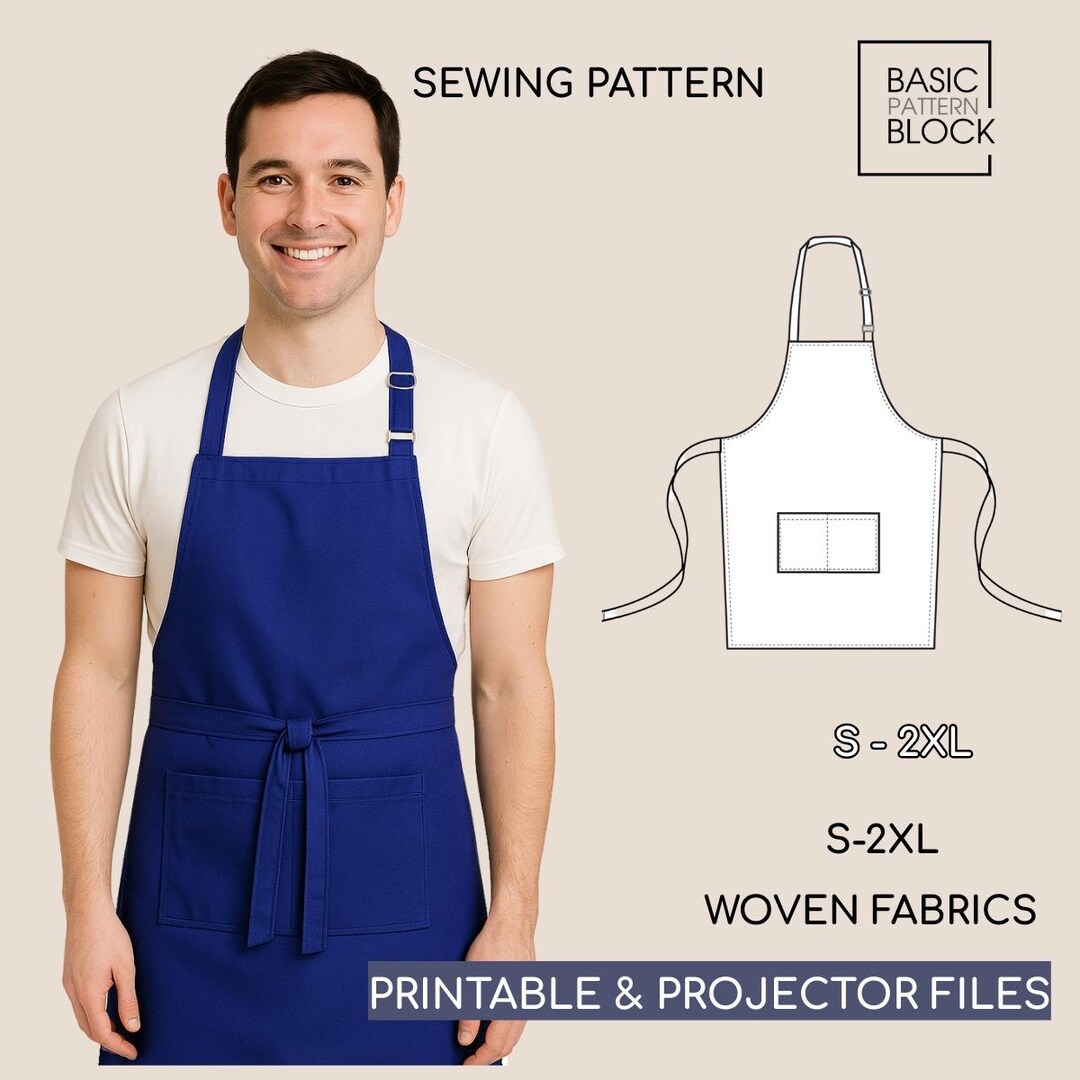
Final fitting and adjustments are key to making your kitchen apron comfortable and practical. This stage ensures the apron fits well and feels good during use. Pay attention to details like strap length and overall comfort. A well-fitted apron looks neat and stays secure while you work in the kitchen.
Trying On The Apron
Put the apron on and check how it fits your body. Look in a mirror to see if it covers your clothes properly. Move around to test comfort and coverage. Notice if any part feels too tight or loose. Make mental notes of areas that need change.
Making Strap Length Changes
Adjust the neck and waist straps for a perfect fit. Shorten straps if the apron hangs too low or feels loose. Lengthen straps if it pulls tightly or digs into your skin. Use pins or safety pins to test new lengths before sewing. This saves time and avoids mistakes.
Ensuring Comfortable Fit
Check that the apron allows easy movement. Make sure straps do not cause discomfort or irritation. Confirm the apron stays in place during tasks. Adjust ties or add extra length if needed. Comfort helps you work better and enjoy wearing your apron.
Credit: www.etsy.com
Frequently Asked Questions
What Materials Are Needed To Sew A Kitchen Apron?
You need fabric, thread, scissors, pins, measuring tape, and a sewing machine. Choose durable, washable fabric like cotton for easy maintenance.
How Do I Measure For A Kitchen Apron?
Measure from the chest to the desired apron length. Also, measure around your waist for the ties.
What Sewing Techniques Are Best For Apron Edges?
Use a double-fold hem or bias tape for clean, durable edges. This prevents fraying and adds a professional look.
How Long Does It Take To Sew A Kitchen Apron?
A basic apron takes about 1 to 2 hours, depending on skill. More complex designs may take longer.
Conclusion
Sewing a kitchen apron is a fun and useful skill. You can choose your favorite fabric and style. It protects your clothes while cooking or baking. The steps are simple and easy to follow. Practice helps you improve with each apron made.
Handmade aprons also make thoughtful gifts. Enjoy the process and wear your apron with pride. Keep sewing to create more personalized kitchen accessories.