
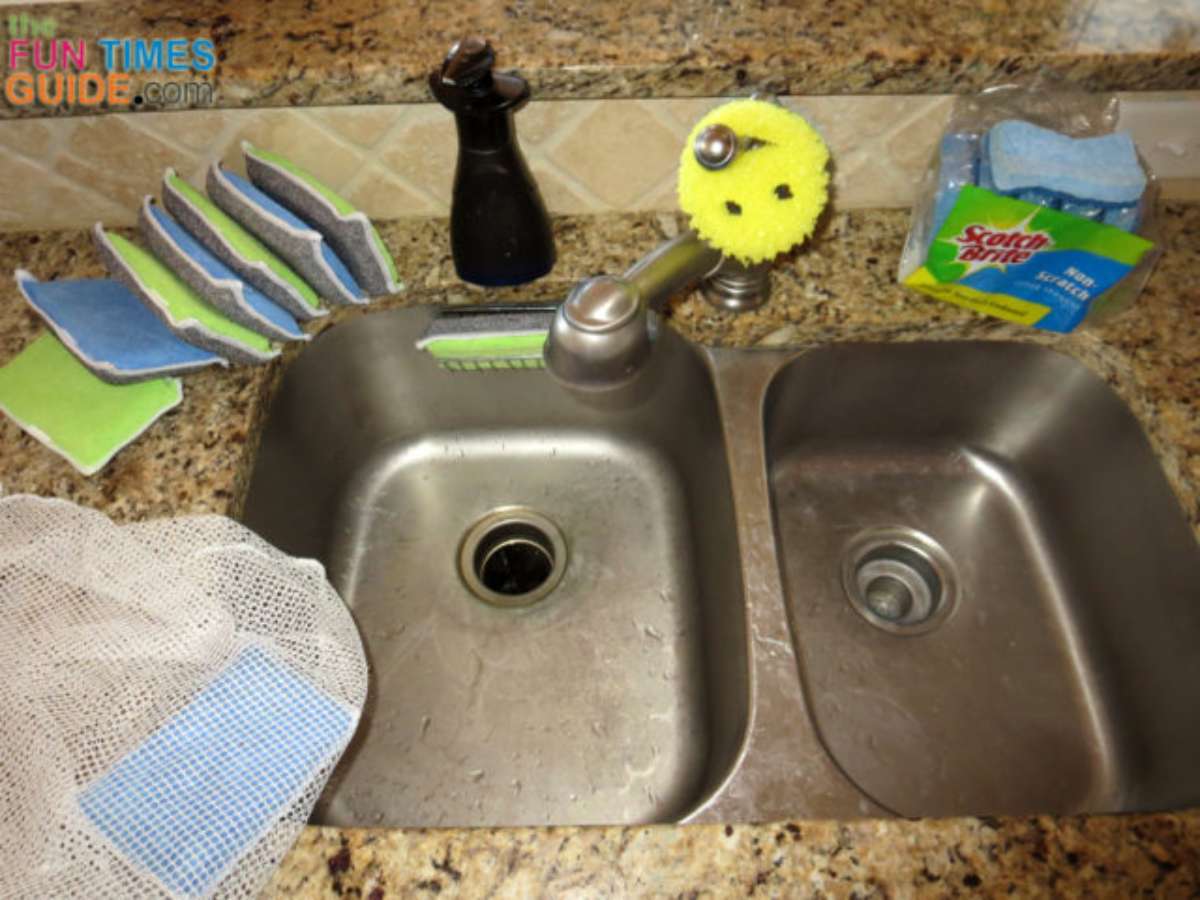
Your kitchen sponge is one of the dirtiest items in your home, even dirtier than your toilet! If you don’t sterilize it regularly, harmful bacteria can build up and spread germs every time you use it.
But don’t worry—cleaning your sponge is easier than you think. You’ll discover simple and effective ways to sterilize your kitchen sponge quickly. Keep reading to learn how to protect your family’s health and keep your kitchen truly clean.
Why Sterilize Kitchen Sponges
Kitchen sponges are useful but can become a breeding ground for germs. Regular cleaning is not enough to remove harmful bacteria. Sterilizing sponges helps keep your kitchen safe and clean. It reduces the risk of spreading germs to your dishes and countertops. Understanding why sterilization matters can improve your kitchen hygiene.
Common Germs Found In Sponges
Sponges often contain many types of bacteria. Some common germs include:
- Escherichia coli (E. coli):Found in raw food residues, it can cause stomach illness.
- Salmonella:Linked to raw meat and poultry, it causes food poisoning.
- Staphylococcus aureus:Can cause skin infections and food contamination.
- Fungi and mold:Lead to unpleasant smells and allergic reactions.
These germs thrive in the damp, warm environment of a kitchen sponge. Without proper sterilization, they multiply quickly.
Health Risks Of Dirty Sponges
Dirty sponges can transfer harmful bacteria to your hands and dishes. This can cause:
- Foodborne illnesses like diarrhea and vomiting.
- Infections from cuts or wounds.
- Allergic reactions due to mold spores.
Using a contaminated sponge increases the risk of sickness in your home. Sterilizing sponges helps protect your family’s health.
Signs Your Sponge Needs Sterilizing
Knowing when to sterilize your kitchen sponge is essential for a clean and safe kitchen. Sponges can hide bacteria and germs that cause illness. Recognizing the signs that your sponge needs sterilizing helps keep your home healthy.
Many people use sponges daily but miss the warning signs of contamination. These signs include changes you can see and smell. Acting fast can prevent the spread of germs and unpleasant smells.
Foul Odor And Discoloration
A strong, bad smell is a clear sign your sponge needs cleaning. Sponges absorb food particles and moisture, which breed bacteria. This causes a sour or rotten odor that is hard to ignore.
Discoloration also shows a sponge is dirty. Dark spots or a yellowish tint mean bacteria and mold may be growing. If your sponge looks different from when you bought it, it’s time to sterilize it.
Visible Mold Or Slime
Sponges with visible mold or slime are a health risk. Mold appears as fuzzy patches that are white, green, or black. Slime feels sticky and slimy to the touch.
These growths indicate bacteria buildup and poor hygiene. Using a sponge with mold or slime can spread germs to your dishes and countertops. Always sterilize or replace sponges showing these signs.
Methods To Sterilize Kitchen Sponges
Kitchen sponges are breeding grounds for bacteria, and keeping them clean is essential for a healthy kitchen environment. But how can you effectively sterilize these porous cleaning tools? Below, we explore several methods you can use to ensure your kitchen sponge remains hygienic and ready for use.
Microwave Sterilization
Did you know your microwave can help you tackle germs on your sponge? Simply dampen the sponge and place it in the microwave. Heat it on high for one to two minutes. This process helps kill bacteria through heat. Just be cautious, as the sponge will be hot when you remove it.
Boiling Water Method
Boiling water is a traditional yet effective method to sanitize your sponge. Submerge the sponge in a pot of boiling water for about five minutes. This method is straightforward and uses no chemicals, making it a great option for those who prefer natural cleaning techniques.
Dishwasher Cleaning
Running your sponge through a dishwasher cycle is another easy way to sterilize it. Place the sponge on the top rack of your dishwasher and run a normal cycle. The combination of hot water and detergent effectively cleans and sanitizes the sponge.
Bleach Solution Soak
A bleach solution soak is a powerful way to eliminate bacteria. Mix a solution of one part bleach to nine parts water. Soak the sponge in the solution for at least five minutes. Rinse thoroughly to ensure no bleach residue remains.
Vinegar And Baking Soda Treatment
Combine the natural cleaning powers of vinegar and baking soda for an effective sponge sterilization. Soak the sponge in vinegar for five minutes, then sprinkle baking soda over it. Rinse with warm water. This method not only sanitizes but also helps in deodorizing the sponge.
Which method do you find most convenient for your routine? Try each one and see which best fits your lifestyle. Keeping your kitchen sponge clean is a small step that makes a big difference in your overall kitchen hygiene.

Credit: tidyhere.com
Step-by-step Microwave Sterilization
Microwave sterilization offers a quick way to kill bacteria on kitchen sponges. It uses heat to disinfect without chemicals. This method is effective and easy to do at home.
Follow these steps to make sure your sponge is clean and safe to use again.
Prepare The Sponge
- Rinse the sponge with water to remove food particles.
- Squeeze out excess water but keep it damp.
- Place the sponge in a microwave-safe bowl or container.
- Do not use a dry sponge; it may catch fire.
Microwave Duration And Settings
- Set the microwave to high power.
- Heat the sponge for 1 to 2 minutes.
- Check your microwave’s wattage; adjust time if needed.
- A 2-minute heating usually kills most bacteria and germs.
Safety Tips
- Handle the sponge carefully; it will be hot after microwaving.
- Allow it to cool down for a few minutes before use.
- Do not microwave sponges with metal scrubbers attached.
- Check the sponge for damage; replace if it starts to fall apart.
Maintaining Sponge Hygiene Daily
Keeping your kitchen sponge clean every day is essential to avoid spreading germs while you cook. A sponge can trap food particles and moisture, creating a perfect environment for bacteria to grow. You don’t need complicated steps to keep it fresh; simple daily habits can make a big difference.
Rinsing And Squeezing
After each use, rinse your sponge thoroughly under hot water to wash away food debris. Then, squeeze out as much water as possible to reduce dampness, which slows bacterial growth. Have you noticed how a wet sponge smells worse? That’s a clear sign it needs better drying.
Frequent Replacement
Even with good care, sponges don’t last forever. Replace yours every one to two weeks, depending on how often you use it. Waiting too long can turn your sponge into a bacteria hotspot, no matter how well you rinse it.
Storage Tips
Where you keep your sponge matters. Store it in a spot where it can air dry quickly, like on a rack or a holder with holes. Avoid leaving it in the sink or on a damp surface, which keeps it wet and encourages germs.

Credit: www.absolutesolutions.com.sg
Alternatives To Traditional Sponges
If you’re tired of constantly replacing traditional kitchen sponges due to odor and bacteria buildup, it might be time to consider some alternatives. These options not only last longer but can also be easier to clean and maintain. Switching to different materials can improve your kitchen hygiene and reduce waste.
Silicone Scrubbers
Silicone scrubbers are a game-changer for many home cooks. Unlike traditional sponges, they don’t absorb water, which means fewer bacteria can grow. You can easily rinse them clean or even put them in the dishwasher for a deep clean.
They also tend to last much longer, saving you money and trips to the store. If you’re worried about effectiveness, silicone scrubbers handle stuck-on food well without scratching your pots and pans. Have you tried one yet?
Microfiber Cloths
Microfiber cloths offer a soft but effective cleaning option. These cloths trap dirt and grease without needing harsh chemicals, making your kitchen safer and your cleaning simpler. You can wash and reuse them many times, reducing waste and cost.
What’s great is how versatile microfiber cloths are—they work well on counters, appliances, and even delicate surfaces. Keeping a few on hand can make your cleaning routine faster and more thorough. Would you consider swapping your sponge for a microfiber cloth?
Natural Fiber Sponges
If you prefer something biodegradable, natural fiber sponges made from materials like cellulose or coconut husks could be your best bet. These sponges break down more easily in the environment and are often free from synthetic chemicals. They still clean effectively but need drying out between uses to prevent mildew.
Many users find natural fiber sponges less prone to that unpleasant smell. Plus, supporting eco-friendly products can feel rewarding every time you clean. How important is sustainability in your kitchen tools?
:max_bytes(150000):strip_icc()/hydrogen-peroxide-uses-home-4174809-05-3c126f03778d46f4858d75c2780429a9.jpg)
Credit: www.thespruce.com
Frequently Asked Questions
How Often Should I Sterilize My Kitchen Sponge?
Sterilize your kitchen sponge at least once a week. This prevents bacteria buildup and keeps it hygienic. Frequent sterilization ensures a cleaner kitchen and reduces odors.
What Is The Best Method To Sterilize A Kitchen Sponge?
Microwaving a damp sponge for 1-2 minutes is highly effective. It kills most bacteria quickly. Alternatively, boiling or using a dishwasher’s sanitize cycle also works well.
Can I Use Bleach To Sterilize A Kitchen Sponge?
Yes, soaking the sponge in a diluted bleach solution for 5 minutes sterilizes it. Rinse thoroughly afterward to remove bleach residue and avoid contamination.
Will Sterilizing A Sponge Remove All Bacteria?
Sterilizing significantly reduces bacteria but may not remove all germs. Regular replacement is recommended to maintain kitchen hygiene and prevent illness.
Conclusion
Sterilizing your kitchen sponge keeps your kitchen cleaner and safer. Regular cleaning stops germs from spreading. Use simple methods like microwaving or soaking in vinegar. Remember to dry the sponge well after cleaning. Replace old sponges often to avoid bacteria buildup.
Clean sponges help protect your family’s health. Small steps make a big difference in your kitchen. Keep your sponge fresh and your kitchen healthier every day.