
Are you tired of your kitchen mat sliding every time you step on it? A slipping mat can be more than just annoying—it can be dangerous.
Imagine preparing a meal and suddenly losing your footing. You don’t want that risk in your busy kitchen. Luckily, you can stop your kitchen mat from slipping with simple, effective solutions. Keep reading to discover easy tips that will keep your mat firmly in place, so you can cook safely and comfortably every day.
Common Causes Of Kitchen Mat Slipping
Kitchen mats often slip, causing annoyance and safety risks. Understanding why this happens helps to find the right fix. Several common causes lead to kitchen mats moving out of place.
These causes range from the type of floor to the mat's material. Identifying the exact reason makes it easier to stop the slipping effectively.
Uneven Or Smooth Floor Surfaces
Smooth surfaces like tile or hardwood offer little grip for mats. Uneven floors can also create gaps, making mats unstable. Both conditions reduce friction, causing mats to slide.
Inappropriate Mat Material
Some mats lack a non-slip backing. Thin or lightweight mats move easily. Materials like plastic or thin fabric often fail to grip the floor properly.
Lack Of A Non-slip Backing
Mats without rubber or latex backing slip on smooth floors. Without this layer, mats can slide with even small movements. The backing is essential for grip.
Moisture And Spills
Water or oil under the mat reduces friction. Spills make floors slippery and cause mats to slide. Moisture weakens the grip between mat and floor.
Heavy Foot Traffic
Constant movement shifts mats out of position. Walking or standing on the mat pushes it around. High traffic areas need mats with extra grip.
Choosing The Right Mat Material
Choosing the right material for your kitchen mat plays a huge role in preventing it from slipping. Different materials have unique textures and weights that affect grip and stability. Picking a mat that naturally stays in place can save you from constant adjustments and potential accidents.
Natural Rubber Mats
Natural rubber mats offer excellent slip resistance because of their inherent tackiness. They grip tightly to smooth kitchen floors without needing extra pads underneath. Plus, they’re durable and easy to clean, making them a practical choice for busy kitchens.
Have you noticed how rubber feels sticky when you touch it? That same quality helps keep your mat firmly anchored, even when you’re moving around a lot.
Memory Foam Mats With Non-slip Backing
Memory foam mats provide comfort but can sometimes slide if their backing isn’t designed well. Look for mats that combine soft foam with a non-slip bottom layer made of rubber or latex. This mix gives you cushioned support and prevents unwanted movement.
Comfort matters when you spend hours cooking. But comfort without stability can be frustrating. Choosing a mat with reliable backing solves that problem.
Cotton Or Fabric Mats
Cotton or fabric mats often look stylish but tend to slip unless paired with a non-slip rug pad. Without proper backing, these mats can become a hazard on slick kitchen floors. Adding a non-slip underlay or choosing fabric mats with rubberized bottoms improves safety significantly.
If you like fabric mats for their softness or patterns, ask yourself: have you tried securing them with a pad? It could be a simple fix for a big problem.
Vinyl And Pvc Mats
Vinyl and PVC mats are water-resistant and easy to clean but may slide on polished floors. Their smooth bottoms don’t offer much grip, so these mats work best with additional non-slip pads. Consider the floor type before choosing these materials.
Do your kitchen floors get wet often? Vinyl mats handle spills well but check if they stay put underfoot. Adding grip-enhancing solutions might be necessary.
Using Non-slip Rug Pads
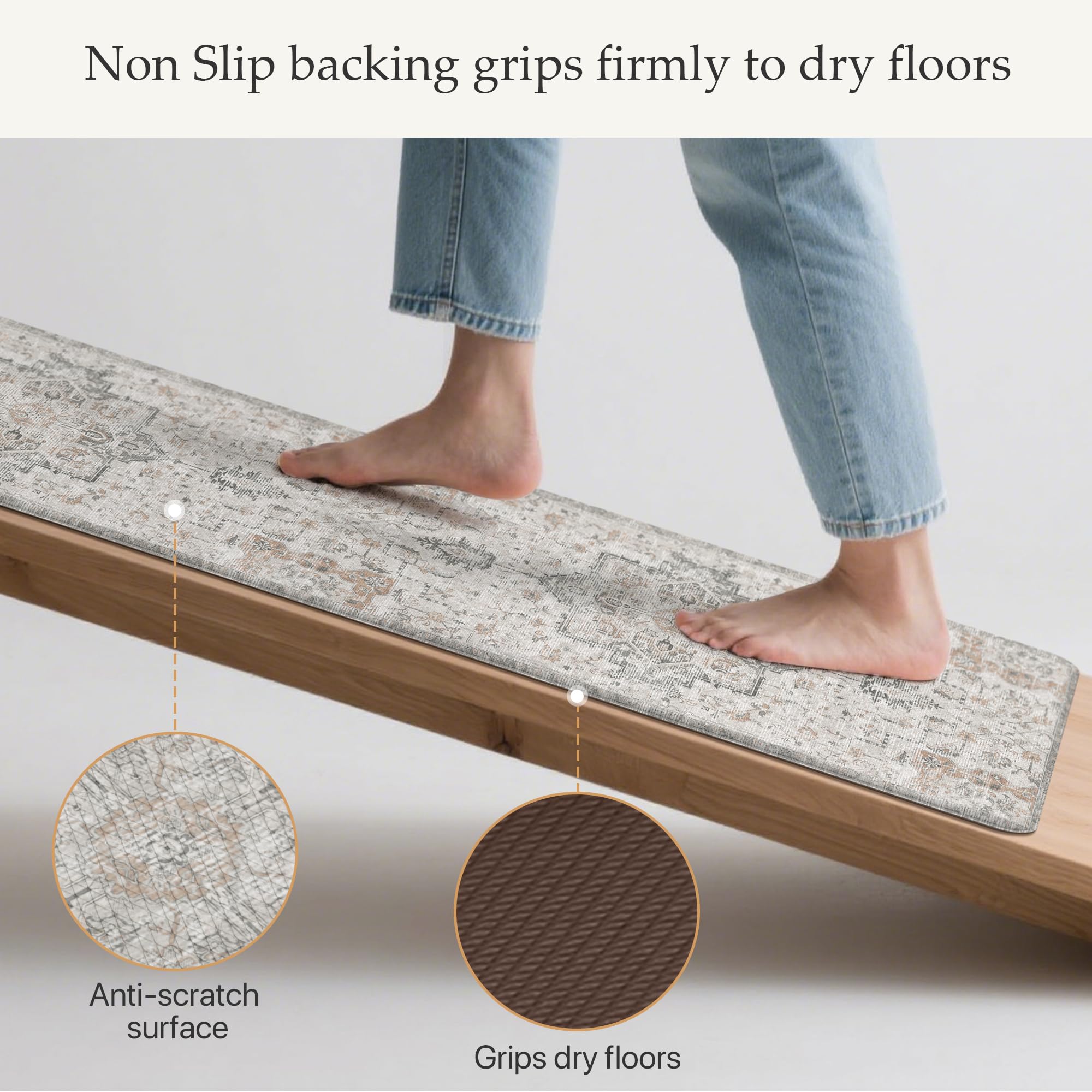
Using non-slip rug pads is a simple way to stop your kitchen mat from slipping. These pads create extra grip between the floor and the mat. They keep the mat in place and prevent accidents in busy kitchen spaces.
Non-slip rug pads also protect your floors from scratches. They add a soft layer that absorbs pressure from foot traffic. Choosing the right pad can improve comfort and safety while cooking or cleaning.
Types Of Rug Pads
- Rubber Pads:Provide strong grip on tile or hardwood floors.
- Felt Pads:Add cushioning but less grip; best combined with rubber.
- Memory Foam Pads:Offer comfort and moderate grip for long standing.
- PVC Mesh Pads:Lightweight and water-resistant; good for kitchen use.
How To Install Rug Pads
Start by cleaning the floor under the kitchen mat. Make sure it is dry and free of dust.
Cut the rug pad to match the size of your kitchen mat. It should be slightly smaller to avoid edges showing.
Place the pad on the floor, then lay the kitchen mat on top. Press down firmly to secure both layers.
Check the mat’s edges to ensure they lie flat. Smooth any bumps or folds for safety.
Credit: www.amazon.com
Applying Double-sided Tape
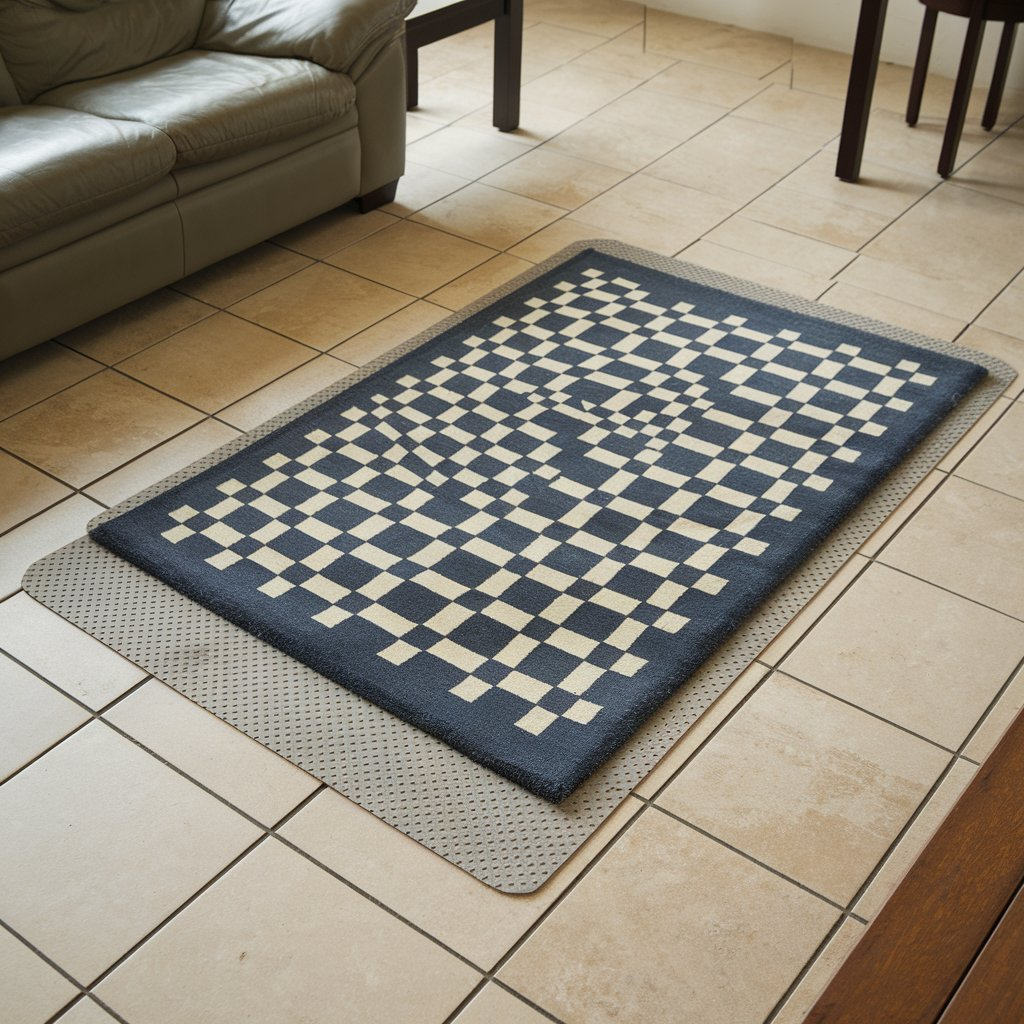
Applying double-sided tape is a simple and effective way to keep your kitchen mat in place. It adds extra grip between the floor and the mat, preventing slips and trips. This method works well on various floor types, including tile, hardwood, and laminate.
Best Tape Options
Not all double-sided tapes are created equal. You want a tape that offers strong adhesion but won’t damage your floor when removed.
- Heavy-Duty Carpet Tape:Designed specifically for rugs, this tape holds well on smooth and textured floors.
- Foam Double-Sided Tape:Offers cushioning and strong stickiness; great for uneven surfaces.
- Removable Double-Sided Tape:Ideal if you want a secure hold but plan to move or wash your mat frequently.
Think about your floor type and how often you clean the mat when choosing the tape. Have you noticed some tapes lose stickiness after a few days? Picking the right one saves you from that hassle.
Step-by-step Application
Start by thoroughly cleaning the floor under your kitchen mat. Dirt and dust reduce the tape’s effectiveness.
- Cut strips of your chosen double-sided tape to fit the edges and center of the mat.
- Peel off one side of the tape and stick it firmly to the floor where you want the mat to stay put.
- Remove the tape backing from the exposed side, then carefully place the mat on top, pressing down to secure it.
Make sure the tape covers enough area to prevent any movement but isn’t visible from the sides. Have you tried pressing down the mat for a few minutes after placement? This helps improve adhesion.
Spraying Non-slip Adhesives
Spraying non-slip adhesives is a simple way to keep your kitchen mat from sliding. These adhesives create a sticky layer that grips the floor and mat firmly. They work well on smooth surfaces like tile, wood, and linoleum. The spray dries quickly and does not leave a mess. Using non-slip spray helps make your kitchen safer and more comfortable.
Safe Adhesive Products
Choose non-slip sprays labeled safe for indoor use. Look for products that are water-based and low in odor. These sprays do not release harmful chemicals. Some popular brands offer sprays specifically for rugs and mats. Check the label to make sure the adhesive is non-toxic. Avoid products with strong fumes or harsh ingredients.
Proper Usage Tips
- Clean the floor and mat before spraying.
- Spray evenly on the back side of the mat.
- Allow the adhesive to dry fully before placing the mat.
- Test a small area first to check for any damage.
- Reapply the spray every few weeks for best grip.
Follow these tips to keep your mat secure without damage. Proper use ensures lasting slip resistance and safer kitchen floors.
Credit: floorcoveringslocal.co.uk
Securing Mats With Velcro Strips
Securing kitchen mats with Velcro strips offers a simple and effective way to stop slipping. This method keeps the mat firmly in place without damaging your floor. Velcro strips are easy to install and remove, making them a practical choice for busy kitchens. They provide strong grip and can work on various floor types, including tile, wood, and vinyl.
Choosing Velcro Types
Select Velcro strips designed for floor use. Look for heavy-duty, adhesive-backed strips that resist moisture and dirt. Some Velcro strips have a low-profile design to avoid tripping hazards. Consider the length and width to cover enough surface area under your mat. Check the product label to confirm it is safe for your floor type.
- Adhesive strength suitable for floors
- Weather and moisture resistant
- Low-profile design for safety
- Easy to remove without residue
Installation Guide
Clean the floor area where you will place the mat. Use rubbing alcohol to remove dust and grease. Let the surface dry completely before applying Velcro strips. Cut the strips to fit the edges or corners of your mat. Stick one side of the Velcro to the floor and the other to the mat’s underside.
Press firmly on both sides for a strong bond. Align the mat carefully before pressing down. Test the mat by stepping on it to check for movement. Replace or add more Velcro strips if needed to secure the mat fully.
Regular Cleaning To Maintain Grip
Regularly cleaning the kitchen mat removes dirt and dust that reduce its grip. Keeping the mat clean helps it stay firmly in place and prevents slipping. Simple wiping or washing can improve safety in the kitchen.
Keeping your kitchen mat in place is essential to prevent accidents and maintain a tidy space. One effective way to ensure your mat stays put is regular cleaning. A clean mat not only looks better but also retains its grip on the floor, reducing the risk of slipping. Let's explore practical cleaning methods and how often you should clean your kitchen mat to maintain its grip.
Cleaning Methods
Ensuring your kitchen mat remains clean can be simple and straightforward. Start by shaking it out to remove loose dirt and debris. For a deeper clean, you can use a damp cloth and mild detergent to wipe down the surface. If your mat is machine washable, follow the care instructions for a thorough wash. Consider using a vacuum cleaner with a brush attachment for regular maintenance. This helps lift embedded dirt without damaging the mat. After cleaning, allow your mat to air dry completely before placing it back on the floor to prevent moisture buildup, which can lead to slipping.
Frequency Recommendations
How often should you clean your kitchen mat? The answer depends on your kitchen's foot traffic and cooking frequency. For most households, a weekly cleaning is sufficient to maintain grip and hygiene. If your kitchen sees a lot of activity, or if you have pets, you might need to clean your mat more frequently. A quick daily shake-out can help, with a more thorough cleaning once or twice a week. Does your mat still slip after cleaning? It might be time to check the condition of the mat or consider using a non-slip rug pad underneath. Keeping your kitchen mat secure is crucial for a safe and functional cooking environment.
Alternative Solutions For Slipping
Slipping kitchen mats cause frustration and safety risks. Finding a reliable way to keep mats in place improves kitchen comfort and safety. Alternative solutions offer practical options that fit different needs and budgets.
Weighted Mats
Weighted mats have extra material inside to keep them steady. Their added weight stops mats from moving on smooth floors. These mats work well on tiles or hardwood surfaces. They need no extra tools or pads underneath.
Weighted mats also provide good cushioning. They reduce fatigue when standing for long periods. Choose mats with non-toxic weights for safe kitchen use.
Rubber-backed Mats
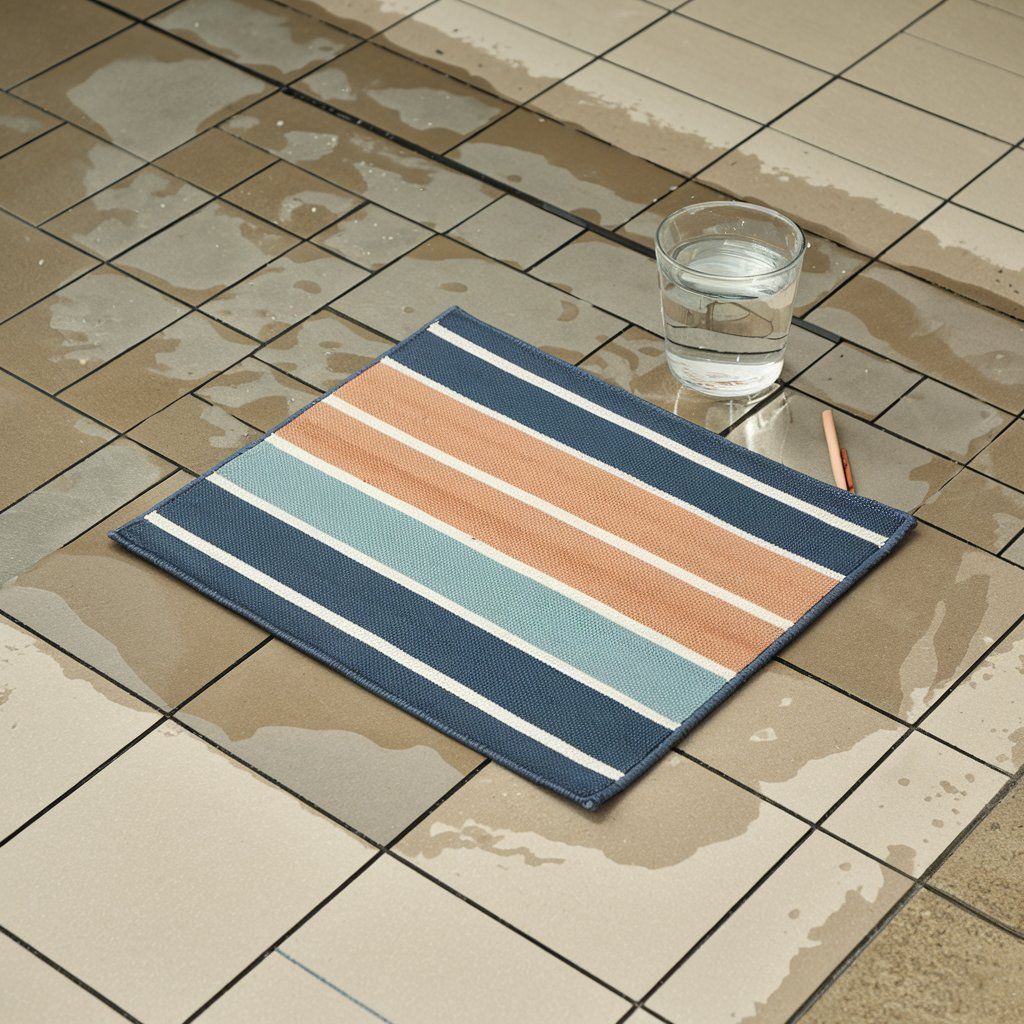
Rubber-backed mats have a non-slip surface on the bottom. This material grips the floor firmly. It prevents sliding even on wet or oily floors.
These mats are easy to clean and maintain. They stay flat and do not curl at the edges. Rubber backing suits both small and large kitchen mats well.
Credit: floorcoveringslocal.co.uk
Frequently Asked Questions
How Can I Prevent My Kitchen Mat From Slipping?
Use a non-slip rug pad or double-sided tape under the mat. These provide grip and stop movement. Regularly clean both floor and mat bottom to maintain traction.
What Materials Help Kitchen Mats Stay In Place?
Rubber or latex backing on mats offers good grip. Additionally, non-slip pads made of felt and rubber are effective to keep mats stable.
Are There Diy Ways To Stop Kitchen Mats Slipping?
Yes, applying silicone caulk or hot glue dots on the mat’s underside can create traction. Let it dry before placing the mat on the floor.
Can Cleaning Improve Kitchen Mat Stability?
Yes, dirt reduces grip. Clean both the floor and mat bottom regularly. This maintains friction and prevents slipping.
Conclusion
Stopping your kitchen mat from slipping keeps your space safe and neat. Use non-slip pads or double-sided tape for better grip. Choose mats with rubber backing to hold them in place. Keep the floor clean and dry under the mat.
These small steps prevent accidents and keep your kitchen tidy. Enjoy cooking without worrying about slipping mats. Simple fixes make a big difference every day.