

Is your kitchen sponge starting to smell bad no matter how often you rinse it? You’re not alone.
That unpleasant odor can make even the cleanest kitchen feel less fresh. But here’s the good news—you don’t have to put up with it. You’ll discover simple, effective ways to stop your kitchen sponges from smelling. By the time you finish reading, you’ll know exactly how to keep your sponge fresh and your kitchen smelling clean.
Ready to say goodbye to that nasty smell for good? Let’s get started.
Credit: www.goodmorningamerica.com
Causes Of Sponge Odor
Have you ever noticed that your kitchen sponge starts to smell bad, even after just a day or two of use? Understanding why this happens can help you keep your sponge fresh and your kitchen smelling clean. The odor mostly comes from three main causes that often work together to create that unpleasant smell.
Bacteria Growth
Bacteria love damp, warm places, and your kitchen sponge is a perfect home for them. Every time you use the sponge, tiny food particles and moisture stay trapped inside, creating an ideal environment for bacteria to multiply quickly.
These bacteria produce waste that smells foul, which is why your sponge begins to stink. Have you ever thought about how often you clean or replace your sponge? Neglecting this allows bacteria to build up unnoticed.
Moisture Retention
Sponges hold onto water even after rinsing, staying wet for hours or even days. This constant moisture doesn’t just help bacteria thrive—it also prevents the sponge from drying out properly.
Without drying, the sponge becomes a breeding ground for germs and mold. Ask yourself: does your sponge get enough air and sunlight between uses? If not, moisture is likely contributing to the bad smell.
Food Residue
Small bits of food often cling to your sponge after washing dishes. These tiny leftovers rot over time, creating a strong, unpleasant odor.
Even if the food pieces are invisible to the naked eye, they still feed bacteria and add to the smell. How often do you inspect your sponge for trapped food? Regularly rinsing it under hot water can help reduce residue buildup.

Credit: blog.whogivesacrap.org
Regular Cleaning Techniques
Keeping your kitchen sponge fresh is easier than you think. Regular cleaning techniques can stop that unpleasant smell before it starts. These simple habits extend the life of your sponge and keep your kitchen hygienic.
Microwave Method
Place your damp sponge in the microwave and heat it on high for about one to two minutes. The heat kills most of the bacteria causing the bad odor. Just be sure the sponge is wet to avoid any fire hazards.
I once forgot to dampen my sponge and almost caused a smoky mess. Have you ever tried this trick? It’s quick and surprisingly effective for a daily refresh.
Dishwasher Cleaning
Pop your sponge into the dishwasher on the top rack and run it through a heated dry cycle. This method uses high temperatures and soap to clean deeply without extra effort. It’s perfect if you already plan to run the dishwasher.
Try this if you want a hands-off approach that fits easily into your routine. Does your dishwasher have a sanitize setting? That can boost the cleaning power even more.
Boiling Water Soak
Boil a pot of water and pour it over your sponge or submerge the sponge in boiling water for about five minutes. The intense heat breaks down grime and kills odor-causing germs. Be careful when handling hot water to avoid burns.
This old-school technique works wonders if your sponge smells stubborn. Do you have a favorite cleaning hack that uses just kitchen basics? Boiling water might just be your new go-to.
Natural Deodorizing Hacks
Kitchen sponges can quickly develop unpleasant odors. Natural deodorizing hacks offer effective solutions. These methods are simple and use common household items. They help keep your kitchen sponge fresh and clean. Let's explore some easy techniques.
Vinegar Soak
Vinegar is a powerful natural deodorizer. To use it, fill a bowl with white vinegar. Submerge the sponge in the vinegar for 5-10 minutes. This will kill bacteria and eliminate odors. Rinse the sponge thoroughly with water after soaking.
Baking Soda Rub
Baking soda is another excellent deodorizer. Sprinkle baking soda over the damp sponge. Rub it gently to cover the entire surface. Let the sponge sit for 15 minutes. Rinse well under warm water to remove any residue.
Lemon Juice Treatment
Lemon juice offers a fresh and pleasant scent. Squeeze the juice from half a lemon onto the sponge. Allow it to soak for 10 minutes. The citric acid helps neutralize odors. Rinse the sponge thoroughly with warm water after the treatment.
Proper Sponge Care
Proper sponge care helps keep your kitchen sponge fresh and odor-free. It reduces bacteria buildup and extends the sponge's life. Simple habits make a big difference in sponge cleanliness and smell. Follow these easy tips to care for your sponge daily.
Rinsing And Squeezing
Rinse your sponge thoroughly after each use. Use hot water to remove food and soap residue. Squeeze out all excess water to prevent moisture buildup. A wet sponge attracts bacteria and causes bad smells.
Air Drying Tips
Let your sponge dry completely between uses. Place it in a well-ventilated area. Avoid leaving it in the sink or closed containers. Use a sponge holder or rack to improve airflow. Dry sponges resist odor and bacteria growth better.
Frequent Replacement
Replace your sponge every one to two weeks. Old sponges harbor more germs and odors. If it smells bad even after cleaning, toss it out. Keep a spare sponge ready to swap out regularly. Fresh sponges keep your kitchen cleaner and safer.
Alternative Sponge Options
If your kitchen sponge constantly develops a bad smell, it might be time to rethink what you’re using. Traditional sponges trap moisture and bacteria, which leads to that unpleasant odor. Switching to alternative sponge options can keep your kitchen fresher and make cleaning more efficient.
Silicone Sponges
Silicone sponges don’t absorb water like regular sponges. This means they dry quickly and resist bacteria buildup. Plus, they are easy to rinse and can be sanitized in the dishwasher.
I've noticed my silicone sponge lasts weeks without smelling, even after daily use. It’s also gentle on delicate surfaces, so you won’t worry about scratches. Have you tried a silicone sponge yet? It might surprise you how much fresher your kitchen feels.
Antimicrobial Sponges
Antimicrobial sponges are designed with built-in agents that stop bacteria and mold from growing. This feature helps reduce odors and extends the sponge’s life. You can find these sponges in most supermarkets or online.
Using an antimicrobial sponge means you don’t have to replace it as often, saving money and effort. Just remember to follow the manufacturer’s care instructions for the best results. Could this be the simple change that solves your sponge smell problem?
Reusable Cloths
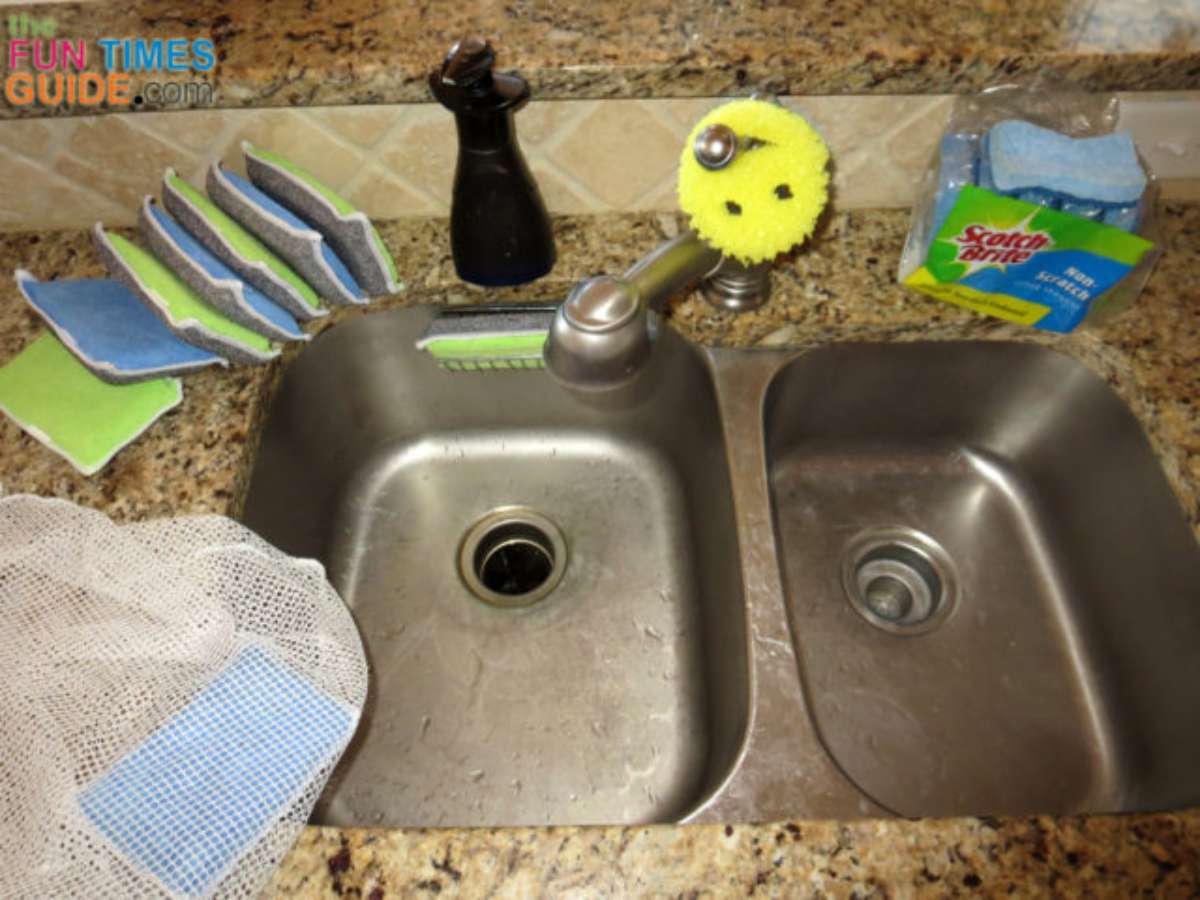
Reusable cloths, like microfiber or cotton, can be a great alternative to sponges. They dry faster and can be washed regularly in the washing machine. This helps prevent bacteria buildup and keeps your cleaning tools smelling fresh.
Switching to reusable cloths has worked well for me, especially when I use separate cloths for dishes and countertops. It cuts down on odors and makes cleaning more hygienic. What if your kitchen cleaning routine included cloths that you could refresh easily?
Credit: household-tips.thefuntimesguide.com
Frequently Asked Questions
Why Do Kitchen Sponges Start To Smell Bad?
Kitchen sponges smell bad due to trapped food particles and moisture. This creates a breeding ground for bacteria and mold, causing unpleasant odors. Regular cleaning and drying are essential to prevent this smell and maintain sponge hygiene.
How Often Should I Replace My Kitchen Sponge?
Replace your kitchen sponge every 1 to 2 weeks. Frequent use and exposure to bacteria reduce its effectiveness. Regular replacement helps avoid bad smells and maintains a clean kitchen environment.
What Is The Best Way To Clean A Smelly Kitchen Sponge?
To clean a smelly sponge, soak it in a mixture of vinegar and water or microwave it wet for 1-2 minutes. These methods kill bacteria and neutralize odors, helping extend the sponge's life and keep it fresh.
Can I Use Baking Soda To Deodorize Kitchen Sponges?
Yes, baking soda effectively deodorizes kitchen sponges. Sprinkle baking soda on the sponge, let it sit for 10-15 minutes, then rinse thoroughly. Baking soda neutralizes odors and removes residue, keeping your sponge fresh.
Conclusion
Keeping kitchen sponges fresh is easy with simple habits. Clean sponges dry faster and smell better. Change sponges often to avoid bacteria build-up. Use vinegar or baking soda to remove odors. Store sponges in a dry place after use. These small steps help maintain a clean kitchen.
Enjoy cooking without worrying about bad smells. Your kitchen stays healthier and more pleasant. Try these tips today for a fresh-smelling sponge.