
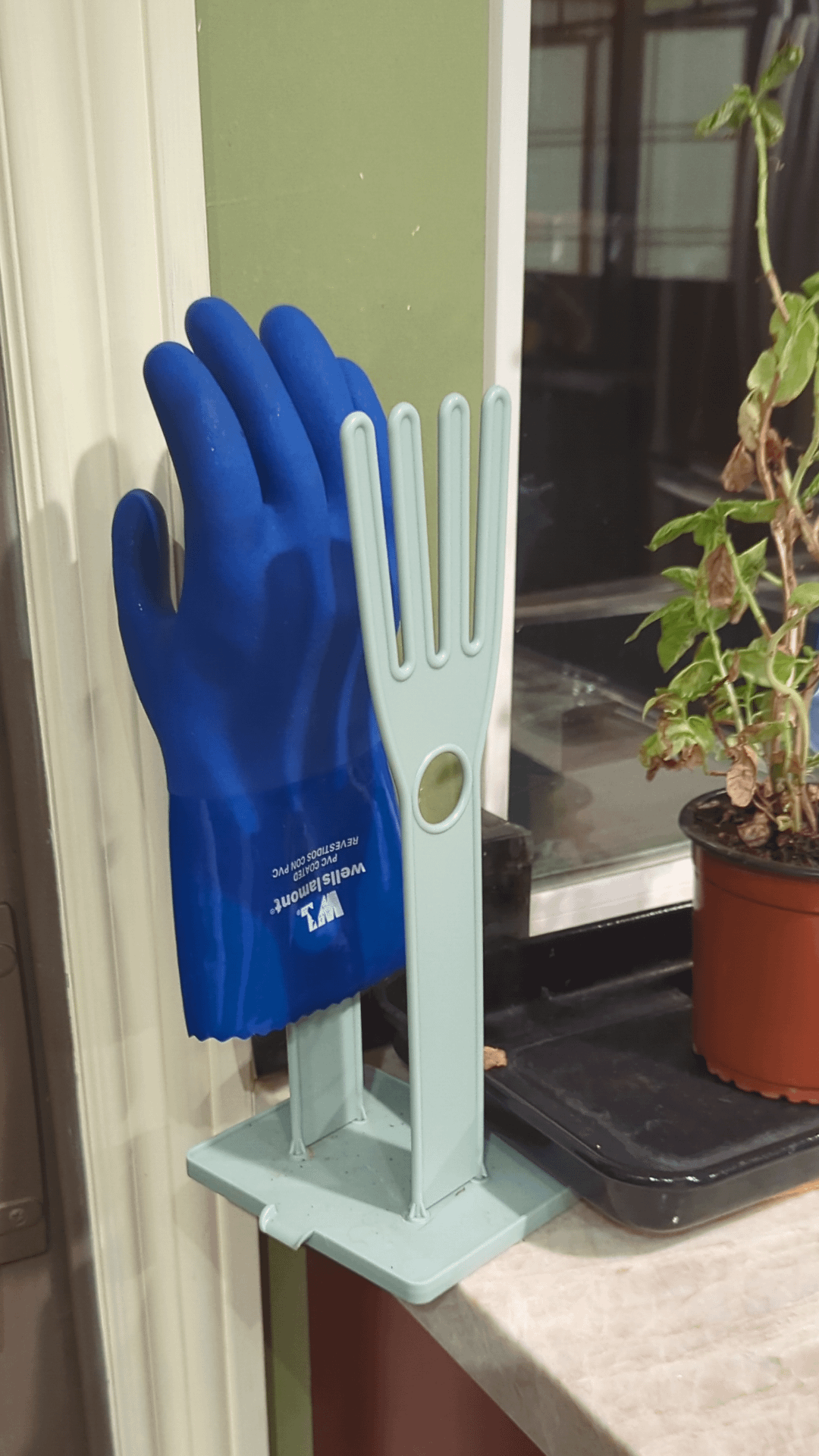
Are you tired of your kitchen rubber gloves cracking, smelling bad, or losing their grip? How you store your gloves can make a huge difference in how long they last and how well they protect your hands.
You’ll discover simple, effective ways to keep your gloves in perfect shape. By following these easy tips, you’ll save money, avoid frustration, and always have your gloves ready when you need them. Keep reading to learn the best storage secrets that every kitchen needs!
Choose The Right Gloves
Choosing the right kitchen rubber gloves is the first step to keeping them in good shape and ensuring they serve you well. Not all gloves are created equal, and the material and fit can affect how long they last and how comfortable they are to use. Let’s look at how you can pick gloves that not only protect your hands but also stay durable over time.
Material Matters
The material of your kitchen gloves affects everything from comfort to durability. Rubber gloves commonly come in latex, nitrile, or vinyl. Latex gloves offer great flexibility and fit, but some people may find they cause allergic reactions.
Nitrile gloves are a good alternative; they resist punctures and chemicals better. Vinyl gloves tend to be less durable but are often cheaper and suitable for light tasks. Think about what tasks you do most and how often you use your gloves to decide which material suits you best.
Size And Fit
Wearing gloves that don’t fit well can be frustrating and may even shorten their lifespan. Gloves that are too tight can tear easily, while loose gloves reduce your grip and control. Try on different sizes if possible, or check the sizing chart carefully before buying.
Remember, you want gloves that feel like a second skin—snug but not constricting. If you’ve ever struggled with gloves slipping off or bunching up, you know how important this is. A good fit will make your kitchen tasks easier and keep your gloves in better condition.

Credit: www.amazon.co.uk
Clean Gloves Properly
Cleaning your kitchen rubber gloves properly keeps them safe and durable. Dirt and chemicals can damage gloves if not removed. A clean pair lasts longer and stays comfortable to wear.
Rinse After Use
Rinse gloves with warm water right after use. This removes food bits and soap residue. Avoid hot water as it can weaken the rubber. Hold gloves inside out to clean thoroughly.
Use Mild Soap
Apply mild soap or gentle detergent to clean gloves. Harsh cleaners can cause cracks or tears. Rub softly to avoid stretching the rubber. Rinse well to remove all soap traces.
Dry Thoroughly
Dry gloves completely before storing to prevent mold. Turn gloves inside out and air dry in a cool place. Avoid direct sunlight or heat sources. Ensure both inside and outside are dry.
Avoid Common Storage Mistakes
Storing kitchen rubber gloves the right way helps them last longer. Mistakes during storage can damage gloves quickly. Avoid common errors to keep gloves clean and safe. Proper care saves money and effort in the long run.
Keep Away From Heat
Heat can make rubber gloves stiff and brittle. Avoid placing gloves near ovens, stoves, or heaters. Store them in a cool, dry place instead. This keeps the gloves flexible and ready to use.
Avoid Direct Sunlight
Sunlight causes rubber to crack and fade. Do not leave gloves in windows or outside. Keep them in a shaded area or inside cabinets. This protects the gloves from damage and discoloration.
Prevent Contact With Sharp Objects
Sharp items can tear or puncture gloves easily. Avoid storing gloves near knives or metal tools. Use a dedicated container or hook to hang them safely. This keeps gloves intact and extends their usability.

Credit: www.temu.com
Best Storage Methods
Keep kitchen rubber gloves dry and clean before storing. Store them in a cool, well-ventilated place to avoid damage. Avoid folding or creasing to maintain their shape and durability.
When you think about keeping your kitchen tidy and organized, storing your rubber gloves might not be at the top of your list. However, proper storage can extend the life of your gloves and keep them ready for action when you need them. Let's explore some of the best methods for storing your kitchen rubber gloves effectively.
Hang Them Up
Hanging rubber gloves is a simple yet effective storage method. You can use hooks or a dedicated glove holder. This keeps them off the counter and allows them to dry properly, reducing the chance of unpleasant odors or mold. Consider placing the hooks near your sink or cleaning station for easy access. You might be surprised at how much more often you’ll use them when they’re conveniently located.
Use Airtight Containers
Airtight containers are fantastic for keeping your rubber gloves fresh and clean. When gloves are stored in a sealed environment, they are protected from dust and moisture. Choose a container that fits your gloves comfortably without cramming them in. This is particularly useful if you have multiple pairs for different tasks.
Store In A Cool, Dry Place
Temperature and humidity can affect the durability of rubber gloves. Storing them in a cool, dry place can prevent degradation. Think about the location—under the sink may seem convenient, but if it’s prone to dampness, it’s not ideal. Find a spot that’s both accessible and suitable for preserving the material. Have you ever found your gloves sticky or brittle? This is often due to improper storage. With a little effort, you can ensure your gloves are always ready for the next cleaning challenge.
Extend Glove Life
Extending the life of your kitchen rubber gloves is all about proper care and attention. The way you store and manage your gloves can make a huge difference in how long they stay effective and comfortable. Small habits can prevent tears, hardening, and unpleasant odors.
Rotate Gloves Regularly
Using the same pair of gloves every day wears them out faster. Keep at least two pairs and switch between them. This gives each pair time to dry fully and recover from daily wear.
Think about how your skin feels after wearing the same shoes daily without a break. Gloves need similar rest to maintain their flexibility.
Inspect For Damage
Before and after use, check your gloves for holes, cracks, or thinning spots. Even tiny damage can let water or chemicals through, reducing protection.
Keep a small checklist or set a routine to examine your gloves every time you use them. Catching damage early means you can avoid skin irritation or contamination.
Replace When Needed
Don’t hold on to gloves that have lost their elasticity or have visible damage. Using worn-out gloves can be risky and uncomfortable.
Ask yourself: Is your glove still doing its job? If not, it’s time to invest in a new pair. Your hands will thank you for it.

Credit: www.temu.com
Frequently Asked Questions
How Do I Clean Kitchen Rubber Gloves Before Storing?
Rinse gloves thoroughly with warm water and mild soap. Dry completely inside and out to prevent mold and odors. Proper cleaning extends glove life and maintains hygiene.
What Is The Best Way To Dry Kitchen Rubber Gloves?
Turn gloves inside out and air dry them in a well-ventilated area. Avoid direct sunlight or heat sources to prevent damage and cracking.
Where Should I Store Kitchen Rubber Gloves?
Store gloves in a cool, dry place away from direct sunlight. Avoid damp or hot areas to prevent deterioration and maintain flexibility.
Can I Hang Kitchen Rubber Gloves For Storage?
Yes, hanging gloves by the cuffs allows air circulation, helping them dry and stay fresh. Use hooks or clips to keep them organized and accessible.
Conclusion
Storing kitchen rubber gloves properly keeps them clean and lasts longer. Always dry gloves fully before putting them away. Keep them in a cool, dry place to avoid damage. Avoid folding or crushing gloves to prevent cracks. Regular care helps maintain their strength and flexibility.
Clean gloves after each use to remove dirt and germs. Small steps make a big difference in glove life. Follow these tips for safe and easy glove storage. Your hands will thank you. Simple habits protect your gloves and keep your kitchen safe.