
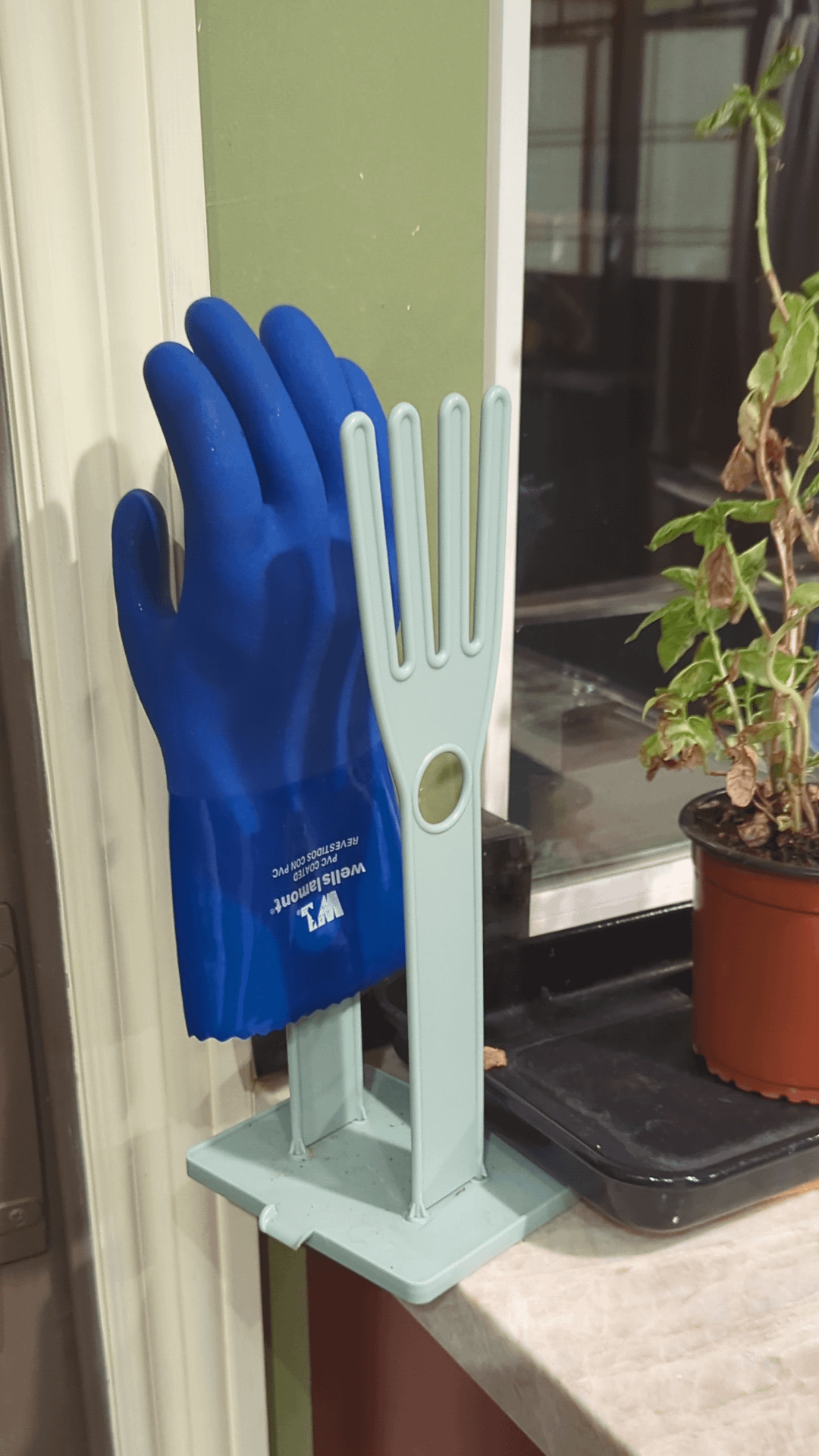
Are your rubber gloves always slipping out of reach or getting damaged in your kitchen? Properly storing your gloves can save you time, keep them in great shape, and make your kitchen tasks much easier.
You’ll discover simple, smart ways to store your rubber gloves so they last longer and stay ready whenever you need them. Keep reading to transform how you handle this everyday kitchen essential!

Credit: www.temu.com
Choose The Right Gloves
Choosing the right rubber gloves is the first step to making sure they last longer and stay safe to use in your kitchen. The gloves you pick affect not only your comfort but also how well they protect your hands and how easy they are to store. Think about what you really need and how different gloves fit into your daily kitchen tasks.
Material Matters
Rubber gloves come in various materials, each with its own strengths. Latex gloves offer great flexibility and a snug fit but can cause allergies in some people. Nitrile gloves are a strong alternative—they resist punctures and chemicals better and are less likely to cause skin reactions.
Vinyl gloves are affordable and good for short, simple tasks but tend to tear easily. Consider the tasks you do most often—are you handling strong cleaning chemicals or just washing dishes? Choosing the right material can help your gloves last longer and keep your hands safe.
Size And Fit
Wearing gloves that fit well makes a huge difference in comfort and durability. Gloves that are too tight can tear easily and make your hands feel cramped. Gloves that are too loose can slip off or let water in, defeating their purpose.
Try different sizes if you can. Notice how the gloves feel when you move your fingers or grip something. A proper fit means you can work efficiently without constant adjustments or worrying about damage.

Credit: www.amazon.com
Clean Gloves Properly
Cleaning your rubber gloves properly is key to keeping them in good shape and safe for repeated use in your kitchen. Neglecting this step can lead to bacteria buildup or unpleasant smells. Taking a few extra minutes to clean your gloves right after use protects your hands and extends the life of your gloves.
Rinse After Use
Always rinse your gloves immediately after you finish using them. Use warm water to wash away food particles, grease, and any cleaning agents. This simple step prevents residue from drying and sticking to the gloves, which can make them harder to clean later.
If you notice stubborn stains or grime, gently rub the surface while rinsing. Avoid using harsh scrubbers that can damage the rubber. Have you ever left your gloves dirty and found them sticky or smelly the next day? Rinsing right away helps avoid that problem entirely.
Dry Thoroughly
After rinsing, dry your gloves completely before storing them. Moisture trapped inside or on the gloves can encourage mold or mildew growth. Pat them dry with a clean towel and then turn them inside out to air dry fully.
Make sure your gloves are stored in a dry, well-ventilated spot. If you keep them in a damp drawer or container, the risk of unpleasant odors and damage increases. Have you tried storing gloves that weren’t fully dry? The difference in freshness is noticeable.
Select Proper Storage Spots
Choosing the right spot to store your rubber gloves in the kitchen is more important than you might think. Proper storage helps keep the gloves in good shape, ready for the next use, and prevents damage that could shorten their life. Let’s look at what to avoid and how to protect your gloves effectively.
Avoid Heat And Sunlight
Heat and sunlight can quickly degrade rubber gloves. Storing them near the stove or on windowsills exposes them to temperature changes and UV rays that cause cracking and brittleness.
Pick a cool, shaded spot like a drawer or a cabinet away from kitchen appliances that generate heat. If you’ve ever found your gloves sticky or torn unexpectedly, poor storage might be the reason.
Keep Away From Sharp Objects
Sharp kitchen tools like knives, scissors, or even metal edges can easily puncture or tear rubber gloves. Even small nicks reduce their protective barrier, making them unsafe to use.
Use a dedicated container or hang them on a hook that’s clear of sharp utensils. You might have noticed gloves stored loosely in a drawer with other kitchen tools—this is a common mistake that often leads to damage.
Use Storage Containers
Storing rubber gloves properly keeps them clean and extends their life. Using storage containers helps protect gloves from dust, moisture, and damage. Choosing the right container type matters for maintaining glove quality.
Air-tight Options
Air-tight containers block moisture and air from reaching gloves. This prevents rubber from drying out or cracking. Look for containers with secure lids that seal tightly.
- Plastic boxes with snap-lock lids work well.
- Glass jars with rubber seals keep air out.
- Small storage bins with silicone gaskets offer strong seals.
Clean gloves before storing them in air-tight containers. Dry them completely to avoid mold growth inside.
Ventilated Containers
Ventilated containers allow air flow around the gloves. This reduces moisture buildup and keeps gloves fresh. Choose containers with small holes or mesh sides.
- Plastic baskets with holes provide good ventilation.
- Wire mesh bins keep gloves dry and visible.
- Fabric pouches with breathable material offer light protection.
Use ventilated storage if gloves are damp or wet. Let gloves air dry inside the container to prevent odors.
Prevent Cross-contamination
Store rubber gloves in a clean, dry place away from raw food. Keep them separate to avoid germs spreading between surfaces. Proper storage helps maintain kitchen hygiene and prevents cross-contamination.
Preventing cross-contamination in the kitchen is vital. Rubber gloves can carry germs. Storing them properly reduces risks. Organize your gloves with care. Clean storage helps in keeping the kitchen safe.
Separate Gloves By Use
Use different gloves for different tasks. Assign one pair for cleaning. Use another pair for handling food. This keeps germs from spreading. Store them in distinct locations. Avoid mixing gloves to maintain hygiene.
Label Storage Areas
Label storage spaces for each glove type. Use clear labels to identify them. This ensures everyone knows where each glove belongs. It makes access easy and efficient. Labeling also helps in quick identification. Keep storage areas tidy and organized. Maintain a clean environment to prevent contamination.
Maintain Freshness Longer
Keeping your rubber gloves fresh for longer can save you money and hassle. Proper storage helps prevent odors, stickiness, and degradation. Here are some simple tricks that you can try at home to maintain the freshness of your kitchen gloves.
Apply Talcum Powder
Talcum powder works wonders to keep rubber gloves dry and prevent them from sticking together. After washing and fully drying your gloves, sprinkle a small amount of talcum powder inside and outside. This helps absorb any remaining moisture and keeps the gloves feeling smooth.
Make sure to shake off excess powder before storing the gloves. You’ll notice they stay fresh and easy to put on, even after days of storage. Have you ever struggled with gloves that felt sticky or sweaty? Talcum powder can solve that issue quickly.
Use Silica Gel Packs
Silica gel packs are great at absorbing moisture and preventing mold or mildew inside your gloves. Place a few packets alongside your gloves in a sealed container or storage bag. These packets keep the environment dry, extending the life of your gloves.
You can reuse silica gel packs by drying them out in the oven when they become saturated. Do you keep any moisture absorbers in your kitchen tools? Adding silica gel packs with your gloves can make a noticeable difference in freshness.

Credit: www.amazon.co.uk
Frequently Asked Questions
How Should I Store Rubber Gloves In The Kitchen?
Store rubber gloves in a cool, dry place away from sunlight. Avoid heat and moisture to prevent damage. Hang them or lay flat to maintain shape. Proper storage extends glove life and keeps them hygienic for kitchen use.
Can Rubber Gloves Be Stored Inside Kitchen Drawers?
Yes, rubber gloves can be stored inside kitchen drawers if the area is dry. Ensure gloves are clean and fully dry before storing. Avoid tight spaces to prevent deformation. Use a dedicated container or pouch for better organization.
What Is The Best Way To Dry Rubber Gloves Before Storage?
Turn gloves inside out and air dry completely. Avoid direct sunlight or heat sources, which can degrade rubber. Use a clean, dry towel to remove excess water. Proper drying prevents mold and extends glove usability.
How Often Should Rubber Gloves Be Replaced In The Kitchen?
Replace rubber gloves every 3 to 6 months or when damaged. Frequent use and exposure to chemicals reduce their effectiveness. Inspect gloves regularly for tears or stiffness. Timely replacement ensures safety and hygiene while cooking.
Conclusion
Proper storage keeps rubber gloves clean and ready to use. Store them in a dry, cool place away from sunlight. Avoid folding or crushing gloves to keep their shape. Regularly check for tears or damage before wearing. Clean gloves after use to extend their life.
Simple care helps you save money and stay safe. Keep gloves organized to find them easily when needed. Small habits make a big difference in kitchen hygiene. Store your rubber gloves right and enjoy a cleaner kitchen every day.