

If your kitchen sink soap dispenser is clogged or not working right, you might feel stuck. But don’t worry—you can fix it yourself by taking it apart.
Knowing how to take apart a kitchen sink soap dispenser saves you time and money. Plus, it gives you control over a small but important part of your kitchen. In this guide, you’ll get simple, clear steps to help you carefully disassemble your dispenser without causing damage.
Keep reading, and you’ll be ready to tackle the problem with confidence.
Tools Needed
Knowing exactly what tools you need makes taking apart your kitchen sink soap dispenser much easier. Having the right equipment on hand saves time and prevents frustration. You don’t want to start the job only to realize you’re missing a crucial tool halfway through.
Gathering your tools before you begin keeps the process smooth. It helps you stay focused and reduces the risk of damaging any parts. Let’s look at the essential tools you should have ready.
Adjustable Wrench
An adjustable wrench is key for loosening the nuts that secure the dispenser to the sink. It fits various sizes, which means you don’t need multiple wrenches. Make sure it’s sturdy and provides a good grip to avoid slipping.
Phillips And Flathead Screwdrivers
Soap dispensers usually have screws that require either Phillips or flathead screwdrivers. Having both types ensures you can handle any screw head you encounter. Choose screwdrivers with comfortable handles to avoid hand fatigue during the process.
Pliers
Pliers are great for gripping and twisting parts that are hard to reach with your fingers. Needle-nose pliers, in particular, help you handle small clips or springs inside the dispenser. They add precision when you need to pull or adjust tight components.
Bucket Or Bowl
A bucket or bowl is essential to catch any leftover soap or water that might spill during disassembly. This keeps your workspace clean and prevents messes under the sink. Plus, it makes cleanup much quicker.
Towel Or Rag
Keep a towel or rag nearby to wipe away drips and clean your hands as you work. It’s also handy for protecting surfaces from scratches when placing tools down. You’ll appreciate having one ready when things get a bit wet or slippery.
Do you notice how having just these few tools can make the task straightforward? What other tools have you found helpful in similar small household repairs? Having a simple, well-organized toolkit can transform your DIY experience.

Credit: www.amazon.com
Prepare The Area
Preparing the area before taking apart a kitchen sink soap dispenser is crucial. It helps avoid mess and makes the task easier. A clean, organized workspace prevents losing small parts. It also protects your sink and countertop from damage. Follow these simple steps to set up your area properly.
Clear The Sink And Countertop
Remove any dishes, soap bottles, or cleaning tools near the sink. This clears space and reduces the risk of knocking things over. A clean surface helps you spot small screws or parts that may fall.
Gather Necessary Tools
Collect tools like a wrench, screwdriver, and a small bowl. The bowl holds screws and small parts safely. Having tools ready saves time and avoids interruptions.
Place Towels Or A Cloth
Lay down towels or a soft cloth around the sink area. This protects the countertop from scratches and catches drips of water or soap. It also cushions any dropped parts.
Locate the water valves under the sink and turn them off. This stops water from leaking while you work. Even if the dispenser does not connect to water, shutting off supply prevents accidents.
Turn Off Water Supply
Turning off the water supply is the first and most important step before taking apart a kitchen sink soap dispenser. This prevents water leaks and keeps your workspace dry. It also protects your plumbing from accidental damage while you work.
Stopping the water flow ensures safety and makes the process smoother. Without turning off the water, water can spray out and cause a mess. Knowing where and how to shut off the water is essential for any DIY sink task.
Locate The Shut-off Valves
Look under the sink for two small valves. Usually, these control the hot and cold water supply. They are near the pipes that connect to the faucet and soap dispenser. The valves might be round knobs or small levers.
Turn The Valves Clockwise
Use your hand to turn the valves clockwise. This tightens the valve and stops the water flow. Turn until you feel resistance and the valve no longer moves easily. This means the water is fully shut off.
Check For Water Flow
After turning off the valves, test the soap dispenser or faucet. Press the soap pump or open the faucet briefly. No water should come out. If water flows, double-check the valves to ensure they are fully closed.
Remove Soap Bottle
Removing the soap bottle from your kitchen sink soap dispenser is a simple task that can save you time and money. It allows you to clean the bottle thoroughly or replace it when needed. Understanding how to do this correctly helps avoid damage and keeps your dispenser working smoothly.
Locate The Soap Bottle Under The Sink
Look beneath your sink to find the soap bottle attached to the dispenser. It’s usually a plastic container secured by a threaded neck or clip. Make sure the area is well-lit, so you can easily see what you’re working with.
Unscrew Or Unclip The Soap Bottle
Grip the soap bottle firmly and turn it counterclockwise to unscrew it from the dispenser. If it uses a clip instead, press or release the clip to detach the bottle. Sometimes, the bottle might be stuck due to dried soap, so a gentle wiggle can help loosen it.
Handle The Bottle Carefully To Avoid Spills
Once detached, hold the bottle upright to prevent soap from spilling. If the bottle is full, you might want to place a towel or bowl underneath as a precaution. Avoid squeezing or shaking the bottle to keep your workspace clean.
Clean Or Replace The Soap Bottle
After removal, rinse the bottle with warm water if you plan to reuse it. If the bottle is damaged or cracked, replacing it is the best option. Using a clean bottle ensures your soap dispenser works efficiently without clogging.
Reattach The Soap Bottle Securely
To put the soap bottle back, align it with the dispenser and twist it clockwise until tight. If your dispenser uses a clip, make sure it snaps back into place firmly. A secure fit prevents leaks and keeps the soap flowing smoothly.
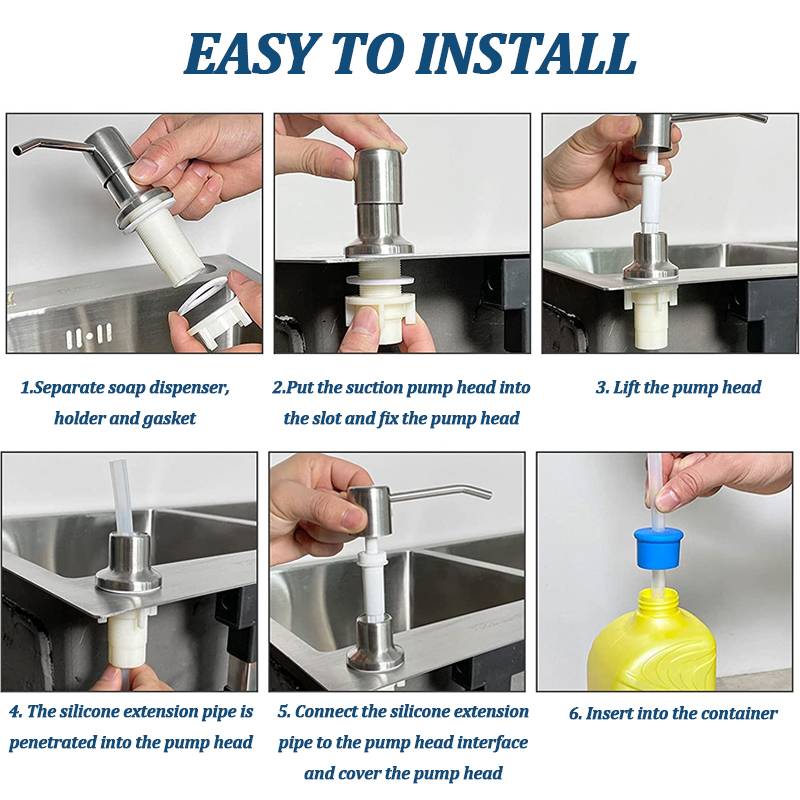
Detach Dispenser Pump
The dispenser pump is the part you press to get soap out. Detaching it is key for cleaning or fixing the dispenser. This step allows access to the pump mechanism and the bottle below.
Handle the pump gently to avoid breaking any parts. It often twists or pulls off with little force. Knowing how to detach it correctly saves time and effort.
Locate The Dispenser Pump
Find the pump head above the sink. It usually sits on top of the soap bottle. Look for a small nozzle where soap comes out.
Twist The Pump Head
Hold the pump head firmly. Turn it counterclockwise. It should loosen and come off easily. If it feels stuck, try a gentle back-and-forth motion.
Pull The Pump Out
After twisting, pull the pump straight up. It detaches from the soap bottle tube. Avoid forcing it sideways to prevent damage.
Check For Clips Or Locks
Some pumps have small clips holding them in place. Press or release clips carefully. This helps remove the pump without breaking parts.
Keep Parts Organized
Place the pump and any small parts on a clean surface. This prevents loss during cleaning or repair. Label parts if necessary for easier reassembly.
Credit: mpedia.ir
Unscrew Mounting Nut
The mounting nut holds the soap dispenser firmly under the sink. Unscrewing this nut is key to removing the dispenser. It keeps the dispenser stable during use and prevents leaks.
Accessing the mounting nut requires working underneath the sink. Space is usually tight, so patience helps. Proper tools make the task easier and faster.
Locate The Mounting Nut
Look under the sink directly below the soap dispenser. The mounting nut is a round piece securing the dispenser’s base. It often has ridges or grooves for grip.
Choose The Right Tool
- Use an adjustable wrench or pliers to grip the nut.
- A basin wrench works well in tight spaces.
- Make sure the tool fits snugly to avoid slipping.
Loosen The Mounting Nut
Turn the nut counterclockwise to loosen it. Apply steady pressure to avoid damage. If stuck, try tapping gently with a tool handle for extra leverage.
Remove The Nut And Dispenser
Once loose, unscrew the nut by hand. Keep hold of the soap dispenser as you remove the nut. Carefully pull the dispenser up and out of the sink hole.
Lift Out Dispenser Assembly
The soap dispenser in your kitchen sink is a handy tool. Over time, it can get clogged or stop working. Knowing how to take it apart can save time and money. The first step in this process is to lift out the dispenser assembly. This might seem challenging, but it's quite simple with the right approach.
Remove The Pump
Begin by removing the pump from the soap dispenser. Grip the pump tightly and twist it counterclockwise. This will help to loosen it. Once loosened, lift it straight up to remove it. This step gives access to the dispenser assembly below.
Lift Off The Cap
Next, lift the cap that covers the soap reservoir. This cap often sits snugly on top. Carefully pry it off using your fingers or a flat tool. This reveals the inner workings of the dispenser. Handle the cap gently to avoid any damage.
Detach The Soap Bottle
Once the cap is off, locate the soap bottle underneath. Twist the bottle counterclockwise to detach it. Hold the bottle firmly to prevent spills. This step provides a clear view of the dispenser assembly.
Inspect The Assembly
With the bottle removed, inspect the dispenser assembly. Look for any clogs or damage. Check the tube for soap build-up. This can block the flow and cause issues. Clean the assembly thoroughly if needed.
Reassemble The Dispenser
After cleaning, reassemble the dispenser. Attach the soap bottle by twisting it clockwise. Ensure it is secure. Place the cap back on top. Finally, insert the pump and twist it into place. Test the dispenser to ensure it works smoothly.
Clean Components
Cleaning the components of your kitchen sink soap dispenser is key to keeping it working smoothly. Over time, soap residue and grime can build up, causing clogs or reducing the dispenser’s efficiency. Taking a little time to clean each part thoroughly can make a big difference in how well your dispenser performs.
Remove And Rinse The Pump Mechanism
Start by gently pulling out the pump mechanism from the dispenser. Rinse it under warm water to wash away any soap buildup. If the pump feels sticky or clogged, soak it in a mixture of warm water and vinegar for about 15 minutes.
Clean The Soap Reservoir
Empty the soap reservoir completely before cleaning. Use a soft brush or cloth to scrub the inside with warm soapy water. Rinse well to avoid leaving any soap residue that could cause blockages later.
Check And Clear The Dispenser Tube
The tube that delivers soap can get clogged with dried soap. Run warm water through it or use a thin brush to clear any blockages. If it’s stubborn, soaking the tube in vinegar helps dissolve buildup effectively.
Dry Components Thoroughly Before Reassembly
After cleaning, make sure all parts are completely dry. Moisture left inside can encourage mold or cause the soap to dilute. Pat dry with a cloth and let parts air dry if needed before putting everything back together.
Have you noticed your soap dispenser working slower or clogging often? Cleaning these components might solve the problem without needing a replacement. What’s your experience with maintaining kitchen fixtures like this?
Check For Damage
Checking for damage is a crucial step when taking apart your kitchen sink soap dispenser. It helps you understand the condition of the parts and prevents further problems during reassembly. Identifying cracks, rust, or worn-out areas early saves time and money.
Look carefully at each component. Small cracks can cause leaks. Rust might block the dispenser from working smoothly. Worn parts may need replacement to keep your dispenser functional.
Inspect The Pump Mechanism
The pump is the heart of the soap dispenser. Check the spring and plunger for any signs of rust or breakage. Test if the pump moves freely without sticking. Stiff or broken parts usually need replacement.
Examine The Soap Reservoir
Look inside the soap container for cracks or leaks. A damaged reservoir can cause soap to spill or dry out. Clean the inside to spot hidden damage more easily.
Check The Mounting Hardware
Review the screws, nuts, and washers holding the dispenser. Loose or corroded hardware can cause instability. Tighten or replace any damaged pieces to ensure a secure fit.
Assess The Dispenser Spout
Look for clogs or cracks in the spout. Soap residue buildup can block the flow. Clean or replace the spout if it shows signs of wear or damage.

Credit: www.amazon.com
Reassemble And Test
Carefully put all parts of the soap dispenser back together. Tighten screws and check for leaks. Test the pump to ensure it works smoothly.
Reassembling your kitchen sink soap dispenser is the final step. This process ensures everything functions smoothly. With a few careful steps, your dispenser will be ready for use again. Testing the dispenser after reassembly is crucial. It helps to confirm there are no leaks or jams. Let's explore the steps to reassemble and test your dispenser effectively.
Reassemble The Soap Dispenser
Begin by gathering all the parts. Ensure nothing is missing or damaged. Start with the pump mechanism. Attach it securely to the dispenser head. This is vital for proper function. Next, insert the pump back into the soap bottle. Twist it until it's tight. Check that the pump operates smoothly.
Attach The Dispenser To The Sink
Slide the dispenser nozzle through the sink hole. Secure it from underneath with the mounting nut. Hand-tighten the nut to prevent wobbling. Ensure the nozzle aligns with the sink edge. This will make dispensing soap easy.
Fill The Soap Bottle
Pour soap into the bottle carefully. Avoid overfilling to prevent spills. Reattach the bottle to the dispenser. Twist it until it feels secure. This step ensures no leaks occur during use.
Test The Soap Dispenser
Press the pump several times. Check for smooth operation. Ensure soap dispenses without blockage. Listen for any unusual sounds. If the pump is stiff, adjust the assembly. It might need slight loosening.
Check For Leaks
Inspect the area under the sink. Look for any soap drips or leaks. Tighten connections if leaks are found. A dry setup indicates successful reassembly. With these steps complete, your kitchen sink soap dispenser should function well. Enjoy the convenience of having soap at your fingertips.
Frequently Asked Questions
How Do I Safely Remove A Kitchen Sink Soap Dispenser?
First, disconnect the water supply. Then, unscrew the mounting nut under the sink. Carefully lift out the dispenser from above.
What Tools Are Needed To Take Apart A Soap Dispenser?
You will need an adjustable wrench, screwdriver, and pliers. These tools help loosen nuts and separate parts efficiently.
Can I Clean The Soap Dispenser Parts After Disassembly?
Yes, remove all soap residue with warm water and mild soap. Dry parts thoroughly before reassembly to avoid clogs.
How Long Does It Take To Take Apart A Soap Dispenser?
It usually takes 10 to 15 minutes. The time depends on your familiarity and the dispenser’s design.
Conclusion
Taking apart a kitchen sink soap dispenser is simple with the right steps. Start by removing the pump and unscrewing the base carefully. Keep track of small parts to avoid losing them. Clean or replace any broken pieces as needed.
Reassemble the dispenser by following the steps backward. This process helps maintain your dispenser’s function and saves money. You can do this task without special tools or skills. A little patience goes a long way. Now, your soap dispenser should work smoothly again.