
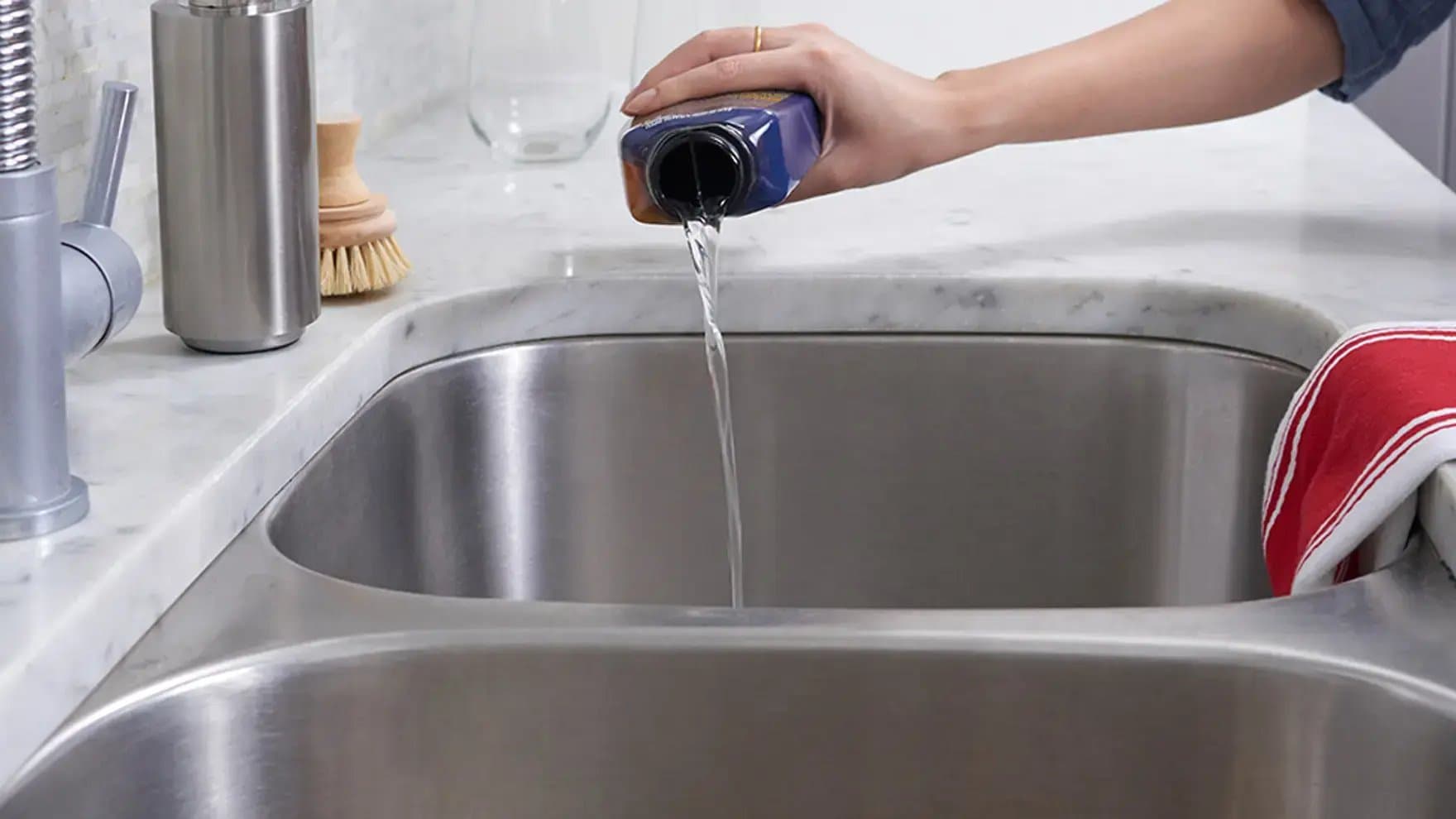
Is your kitchen sink clogged, and you don’t have a plunger nearby? Don’t worry—you can fix this yourself without buying any special tools.
A blocked sink can quickly disrupt your daily routine, causing frustration and mess. But with a few simple tricks, you can clear the blockage and get your sink working smoothly again. You’ll discover easy, effective methods to unblock your kitchen sink without a plunger.
Keep reading, and you’ll be surprised how quickly you can solve this common problem on your own.
Common Causes Of Kitchen Sink Clogs
Kitchen sink clogs are common and can disrupt daily chores. Understanding what causes these blockages helps prevent and fix them quickly. Several factors contribute to sink drains getting clogged. Recognizing these can save time and effort.
Food Debris Buildup
Small food particles often wash down the drain. Over time, they accumulate inside the pipes. Starchy foods like rice and pasta swell with water. They stick to pipe walls and trap other debris. This buildup slows water flow and may cause a clog.
Grease And Oil Residue
Pouring grease or oil down the sink causes serious problems. These substances cool and harden inside the pipes. Hardened grease narrows the drain space. It also attracts dirt and food scraps. This sticky residue forms a tough blockage that stops water flow.
Foreign Objects Blockage
Small objects like utensils, bottle caps, or pieces of packaging can fall into the sink. These items block pipes and traps. They prevent normal drainage and cause water to back up. Foreign objects often require removal to clear the clog completely.
Credit: www.appliancecity.co.uk
Tools And Materials Needed
Basic tools like a bucket, gloves, and a wrench help manage the task safely. Common materials include baking soda, vinegar, and hot water to clear clogs naturally. These simple items make unblocking a kitchen sink easier without special equipment.
When your kitchen sink gets clogged and you don't have a plunger on hand, don't worry. You can still tackle the blockage with some simple tools and materials you likely already have at home. Knowing the right tools can make a world of difference in resolving the issue swiftly and effectively.
Household Items You Can Use
You might be surprised by the effectiveness of common household items in clearing a clogged sink. Baking soda and vinegar are a dynamic duo, often used for their fizzing action that helps break down gunk. Start by pouring a cup of baking soda down the drain, followed by a cup of vinegar, and watch as the fizz works its magic. A wire coat hanger can also come in handy. Straighten it out, leaving a small hook at the end to fish out debris. It's a simple yet effective tool for reaching deep into the drain and pulling out hair or food particles. Another great option is boiling water. Pouring it directly into the sink can help dissolve mild grease clogs. Just be careful not to splash yourself with the hot water.
Safety Gear To Consider
While these methods are generally safe, it's important to protect yourself. Consider wearing rubber gloves to keep your hands clean and safe from any harsh substances or sharp objects lurking in the drain. Safety goggles are another smart choice. They protect your eyes from splashes of hot water or chemical reactions from the baking soda and vinegar mix. Additionally, having a towel or cloth nearby can be useful. In the event of a spill or splash, you can quickly clean up, minimizing mess and potential hazards. Are you ready to tackle that stubborn sink clog? With these household items and a bit of precaution, you'll be able to get your kitchen sink back to normal in no time.
Diy Methods To Unblock The Sink
Dealing with a blocked kitchen sink can be frustrating, especially when you don’t have a plunger handy. Luckily, there are several easy DIY methods you can try using common household items. These techniques not only save you time and money but also give you a sense of accomplishment once your sink is flowing smoothly again.
Boiling Water Technique
Pouring boiling water down your sink is one of the simplest ways to clear minor blockages caused by grease or soap buildup. The hot water melts and loosens the gunk stuck inside the pipes.
Make sure to pour the water slowly in stages, allowing it to work through the clog. Have you ever noticed how grease solidifies in cold water? This method reverses that effect effectively.
Baking Soda And Vinegar Reaction
This classic combination creates a fizzy reaction that can help break down stubborn debris in your drain. Start by pouring half a cup of baking soda into the sink drain.
Follow it with half a cup of vinegar and cover the drain for about 10-15 minutes. Then, flush the drain with hot water to clear away the loosened blockage.
Using A Wire Hanger
A simple wire hanger can be reshaped into a hook and used to physically pull out trapped food or hair. Carefully insert the hooked end into the drain and twist or pull to snag the clog.
This method is especially effective if you suspect the blockage is close to the surface. Have you tried this trick before? It often surprises people how much junk gets caught just below the drain cover.
Dish Soap And Hot Water
Dish soap helps dissolve greasy residues, making it easier for hot water to flush them away. Squirt a generous amount of dish soap into the drain, then pour a kettle of hot water slowly.
Allow the mixture to sit for a few minutes before running the tap to see if water drains more freely. This gentle approach is great for regular maintenance to prevent future clogs.
Wet/dry Vacuum Application
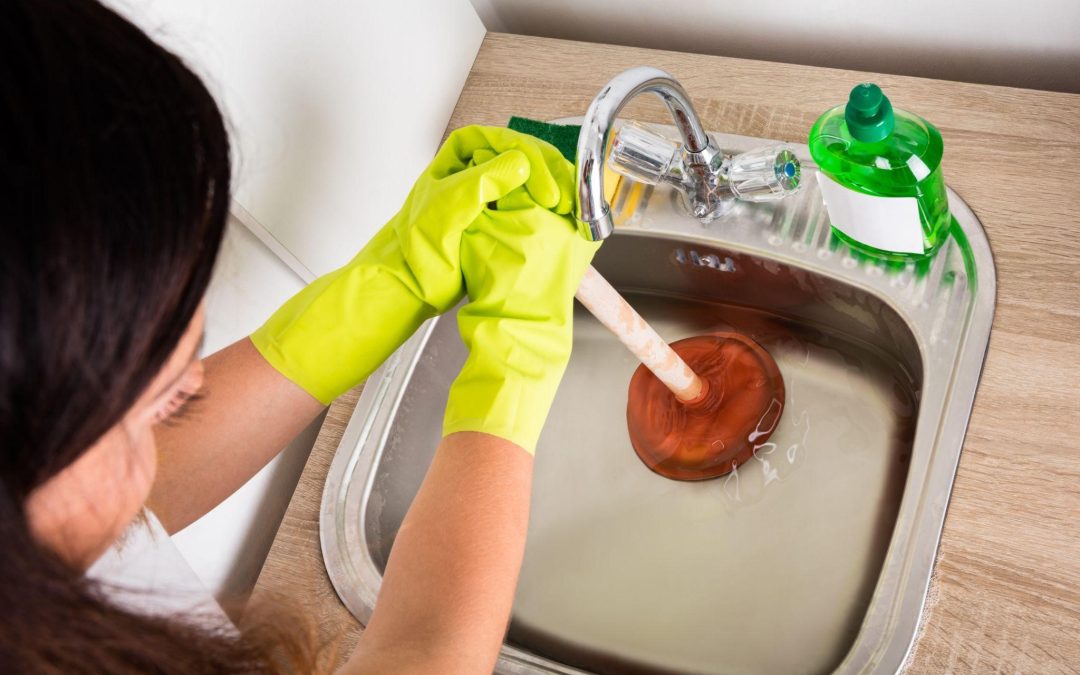
If you have a wet/dry vacuum, it can be a powerful tool to suck out blockages from your kitchen sink drain. Set the vacuum to liquid mode and create a tight seal around the drain opening.
Turn on the vacuum to pull out loosened debris and water. This method requires some caution, but it often clears stubborn clogs that other DIY tricks can’t handle.
Credit: brisbanedraincleaning.com.au
Preventing Future Clogs
Stopping kitchen sink clogs before they start saves you time and hassle. It’s easier to prevent blockages than to fix them. Small habits in daily kitchen use make a big difference in keeping your sink flowing freely.
Proper Waste Disposal Tips
Think twice before tossing scraps down the drain. Avoid putting fibrous foods like celery or onion skins, coffee grounds, and grease into the sink. These materials tend to stick and build up inside the pipes.
Instead, scrape leftovers into the trash or compost bin. Use a strainer to catch food particles and empty it regularly. These simple steps stop debris from gathering and causing clogs.
Regular Sink Maintenance
Cleaning your sink and pipes regularly keeps blockages at bay. Pouring a cup of baking soda followed by vinegar down the drain once a week helps break down buildup. Let it fizz for a few minutes, then flush with hot water.
Check the sink trap under the basin every month. Remove any trapped debris before it grows into a clog. Consistency here saves you from sudden blockages and costly repairs.
Avoiding Common Mistakes
Do you know what not to do can be as important as what you do? Avoid using chemical drain cleaners frequently—they can damage pipes over time. Instead, rely on natural cleaning methods.
Also, don’t ignore slow drainage or strange smells. These signs warn you before a full clog forms. Acting early with simple cleaning prevents bigger issues later.

Credit: www.express.co.uk
Frequently Asked Questions
How Can I Unblock A Kitchen Sink Without A Plunger?
You can use baking soda and vinegar to unblock a sink. Pour half a cup of baking soda, then add half a cup of vinegar. Let it sit for 30 minutes, then flush with hot water to clear the blockage.
What Household Items Unblock A Kitchen Sink Effectively?
Common items like baking soda, vinegar, and hot water can unblock sinks. They help dissolve grease and minor clogs safely without harsh chemicals. These natural solutions are eco-friendly and easy to use for quick sink unblock.
Is Boiling Water Safe To Unblock Kitchen Sinks?
Yes, boiling water can dissolve grease and soap buildup causing clogs. Pour boiling water slowly in stages, allowing it to work between pours. Avoid using boiling water on PVC pipes as it may damage them.
How Do I Prevent Kitchen Sink Blockages Naturally?
Regularly flush your sink with hot water to prevent buildup. Avoid pouring grease, coffee grounds, and food scraps down the drain. Use a sink strainer to catch debris and clean it frequently to keep drains clear.
Conclusion
Unclogging your kitchen sink without a plunger is simple and doable. Many common household items can help clear the blockage quickly. Try these easy methods before calling a plumber. Keep your sink clean to prevent future clogs. Small efforts save time and money.
Remember, patience and care work best. Your kitchen will flow smoothly again soon. Give these tips a try today.