
Is your double kitchen sink clogged and water won’t drain properly, especially with your dishwasher connected? It’s frustrating when your kitchen slows down because of a stubborn clog.
But don’t worry—you can fix it yourself without calling a plumber. In this guide, you’ll discover simple, effective steps to unclog your double kitchen sink with dishwasher drainage. By the end, you’ll have your sink running smoothly again and avoid future blockages.
Ready to get your kitchen back in action? Let’s dive in!
Credit: www.thekitchn.com
Signs Of A Clogged Sink
Water drains slowly or not at all from the sink. Strange noises or gurgling sounds come from the pipes. Water may back up into the dishwasher or both sinks.
Clogged kitchen sinks are more than just an annoyance; they can disrupt your daily routine and lead to bigger plumbing problems if left unattended. Identifying the signs of a clogged sink early can save you time and stress. Whether you're dealing with a double kitchen sink equipped with a dishwasher or a simple single basin, knowing these signs can be your first step in preventing a full-blown disaster.
Slow Drainage
Have you noticed water taking its sweet time to disappear down the drain? Slow drainage is often the first sign of a clog. This can be due to food particles, grease, or even soap residue building up in your pipes. Try running water for a minute and see how quickly it drains. If you're able to go and make a coffee while the sink is still draining, you likely have a clog.
Unpleasant Odors
A foul smell wafting up from your sink can be more than just yesterday's dinner remnants. Unpleasant odors often indicate trapped food particles decomposing in your pipes. Imagine the scent of a forgotten lunchbox left in a warm car—now imagine that smell lingering in your kitchen. If you find yourself lighting candles or spraying air fresheners more often, it might be time to investigate.
Water Backup
Seeing water pooling in your sink basin is a clear red flag. Water backup occurs when the clog is severe enough to prevent water from draining entirely. This can be particularly concerning if the backup happens when the dishwasher is running, as it might mean the blockage is impacting multiple areas. Have you ever had to pause your chores because water started rising ominously in your sink? It's a sign that action is needed. Addressing these signs promptly can prevent more serious plumbing issues down the line. Have you experienced any of these signs recently? It might be time to roll up your sleeves and tackle that clog.
Common Causes Of Clogs
Clogs in a double kitchen sink with a dishwasher often happen from a few common causes. Knowing these causes helps in fixing the problem faster. It also prevents future blockages. The pipes and drains in this setup face frequent stress. Food, grease, and dishwasher waste all contribute to clogging. Understanding these issues keeps your sink running smoothly.
Food Debris
Food scraps are a main cause of clogs. Bits of vegetables, meat, and other leftovers can get stuck in the drain. These bits collect over time, creating blockages. Small particles may pass through, but larger pieces cause trouble. Avoid washing large food chunks down the sink. Use a strainer to catch debris before it enters the drain.
Grease Buildup
Grease and fat from cooking can harden in pipes. When hot grease cools, it turns solid. This solid layer sticks to pipe walls and narrows the drain path. Over time, grease buildup blocks water flow. Avoid pouring grease directly down the sink. Instead, wipe pans and pour grease into a container for disposal.
Dishwasher Connection Issues
The dishwasher connects to the sink drain system. A clog can form where these two meet. Food particles and soap scum may build up in the dishwasher drain hose. Incorrect installation or a kinked hose also causes blockages. Check the hose for bends or damage. Clean the connection area regularly to keep water flowing freely.
Tools You’ll Need
Clearing a clogged double kitchen sink with a dishwasher requires a few simple tools. Having the right tools on hand makes the job faster and less messy. These tools help reach deep clogs and protect your kitchen from water spills. Prepare these items before starting to avoid interruptions.
Plunger
A plunger is essential for loosening blockages in the sink drain. Choose a cup-shaped plunger designed for sinks, not toilets. It creates strong suction to dislodge debris stuck in the pipes. Use firm, steady pressure to push and pull water through the drain.
Drain Snake
A drain snake, or auger, reaches clogs deep inside the pipes. It is a long, flexible wire that twists through bends in the drain. This tool breaks up or pulls out tough obstructions. Drain snakes come in manual or powered versions for different needs.
Bucket And Towels
A bucket catches any water that leaks during the unclogging process. Towels help soak up spills and keep the area dry. Place the bucket under the sink drain before starting work. Have several towels ready to wipe surfaces and prevent slips.
Step-by-step Unclogging Methods
Unclogging a double kitchen sink with a dishwasher connection can feel tricky, but breaking it down into clear, manageable steps makes the task much easier. Understanding the right tools and techniques helps you avoid damage and get your sink draining smoothly again. Let’s dive into some practical methods that you can try yourself without calling a plumber right away.
Using A Plunger Safely
A plunger is often your first line of defense. Before you start, make sure to block the other sink drain with a wet cloth or stopper—this creates the pressure needed to dislodge the clog.
Fill the clogged side with enough water to cover the plunger’s cup. Pump the plunger vigorously, but keep a firm seal to avoid splashing. If the water drains, great! If not, don’t force it too long; excessive plunging can damage pipes.
Have you noticed that plunging sometimes makes the clog worse? That usually means the blockage is deeper, so it’s time for a drain snake.
Clearing With A Drain Snake
A drain snake or auger is perfect for reaching clogs beyond what a plunger can handle. Insert the snake slowly into the drain, turning the handle clockwise as you push forward.
When you feel resistance, you’ve likely reached the clog. Twist and pull the snake back to break up or remove the blockage. Be patient; forcing the snake can damage your pipes.
After removing the snake, run hot water through the drain to flush any remaining debris. Have you ever been surprised by how much gunk a snake can pull out? It’s quite satisfying and effective.
Checking The Dishwasher Drain Hose
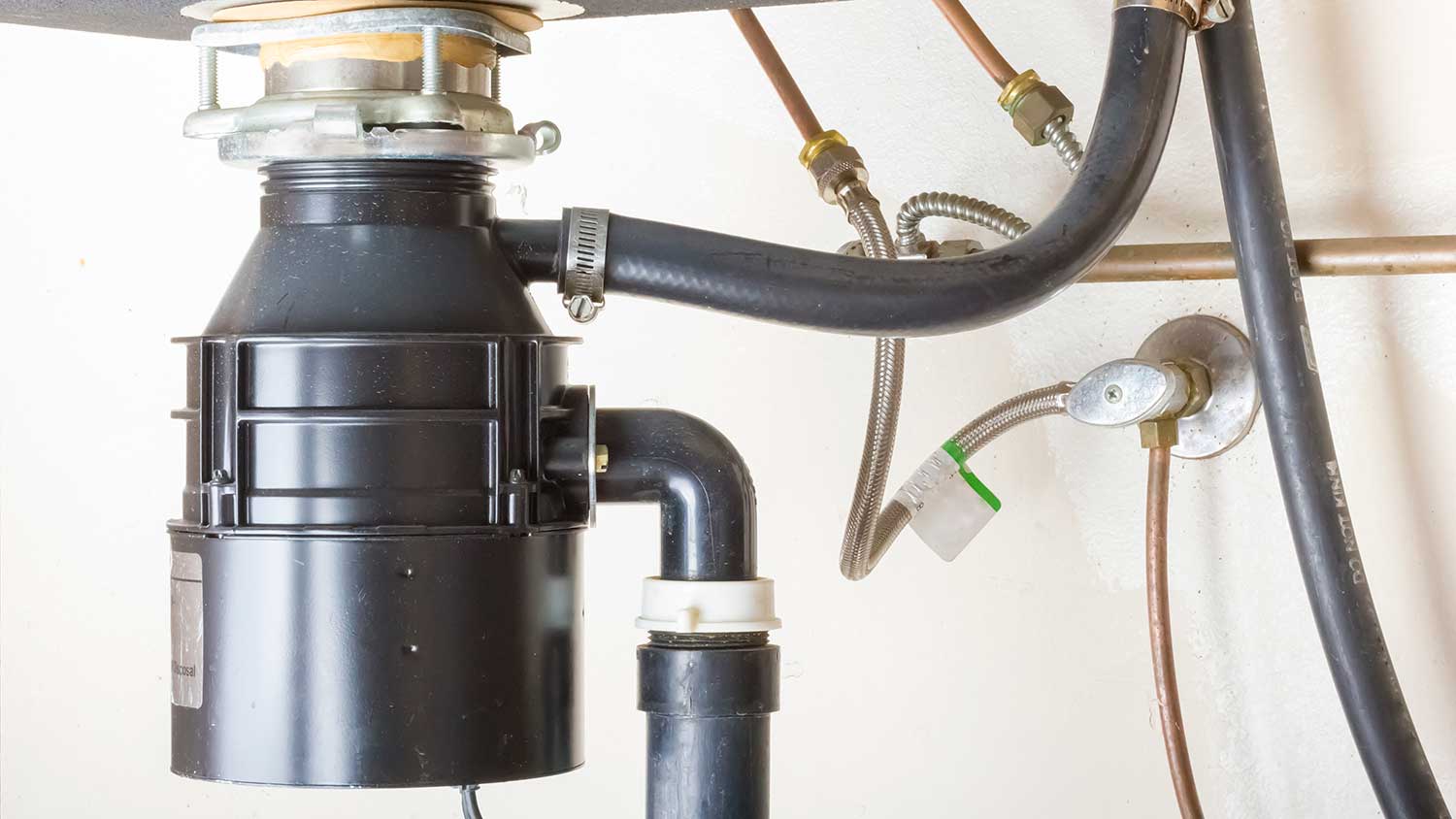
Since your dishwasher shares the drain, its hose can also cause backups. Locate the hose where it connects to the sink drain or garbage disposal and inspect it for kinks or clogs.
Disconnect the hose carefully and check inside for buildup. Use a flexible brush or run water through it to clear any blockages. Reattach the hose securely to prevent leaks.
Sometimes the clog isn’t in the sink drain but in this hidden hose. Have you checked this often-overlooked spot? It could save you time and frustration.
Cleaning The P-trap
Cleaning the P-trap is a key step to fix clogs in a double kitchen sink with a dishwasher. The P-trap holds water to block sewer gases. It also catches food and debris that cause blockages. Regular cleaning prevents bad smells and slow drainage.
Locating The P-trap
The P-trap is the curved pipe under your sink. It looks like a sideways "U" or a "P" shape. In a double sink, each basin has its own P-trap. The dishwasher drain usually connects to the P-trap or the drain pipe nearby. Check under the cabinet to find it easily.
Removing And Cleaning
Place a bucket under the P-trap to catch water. Loosen the slip nuts by hand or with pliers. Carefully remove the P-trap. Empty any water and debris inside. Use a brush or old toothbrush to scrub the pipe. Flush it with warm water to clear any buildup.
Reassembling Properly
Check the washers inside the slip nuts for damage. Replace them if needed to avoid leaks. Reattach the P-trap by tightening the slip nuts by hand. Make sure the pipes align correctly and no gaps exist. Run water through the sink and dishwasher to test for leaks and smooth flow.
Preventing Future Clogs
Preventing future clogs in a double kitchen sink with a dishwasher saves time and stress. Simple habits help keep drains clear and flowing well. Consistent care stops buildup and blockages before they start.
Regular Maintenance Tips
- Flush drains with hot water weekly to dissolve grease.
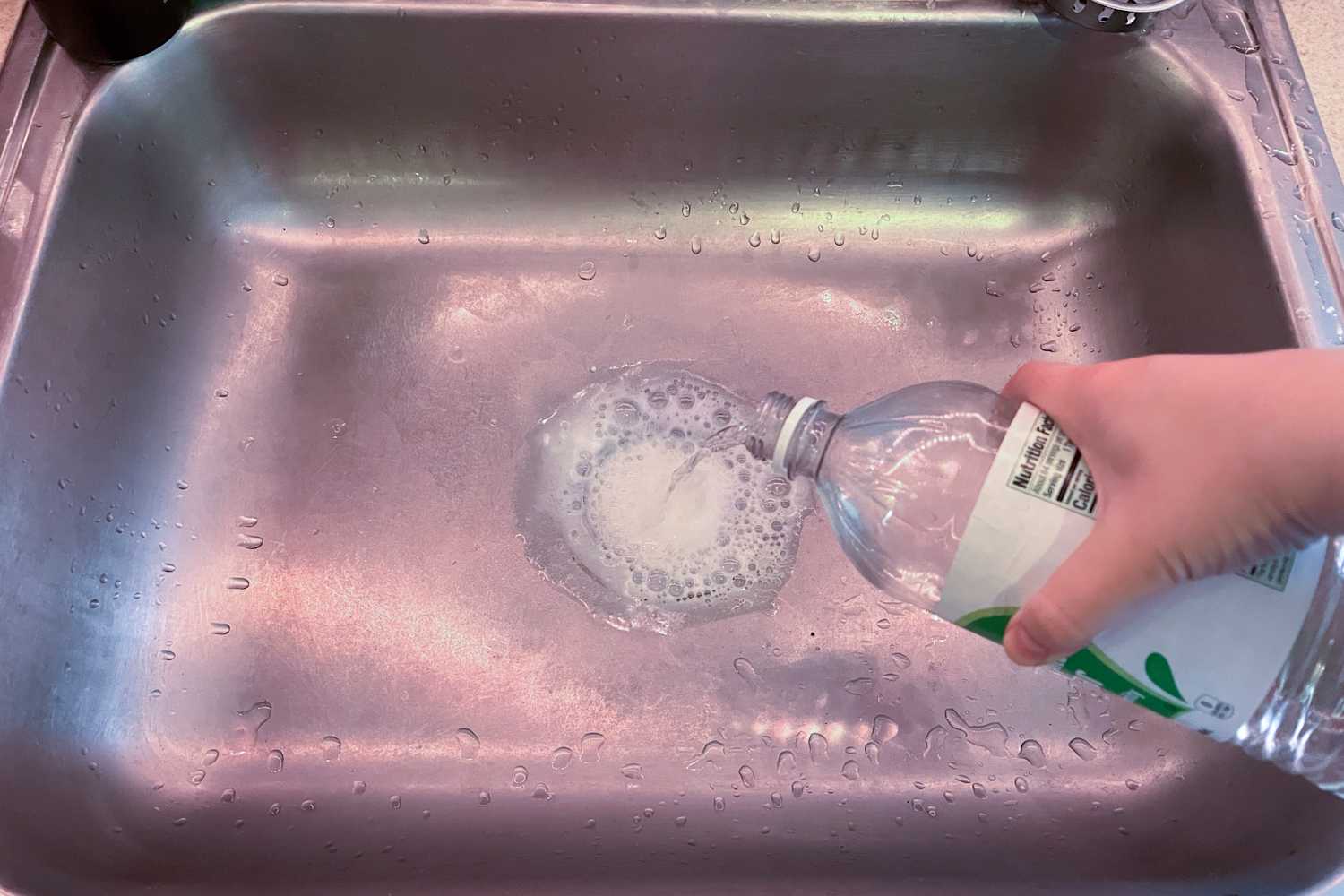
- Use a mixture of baking soda and vinegar monthly to clean pipes.
- Run the dishwasher with a full load to avoid food debris build-up.
- Check and clean the sink strainers often.
- Inspect the garbage disposal for stuck food particles regularly.
Avoiding Common Mistakes
- Do not pour grease or oil down the drain.
- Avoid rinsing large food scraps into the sink.
- Do not overload the dishwasher; it can cause drainage issues.
- Skip using harsh chemicals that can damage pipes.
- Never ignore slow drainage signs; act quickly.
Using Drain Screens
- Install drain screens on both sink basins to catch debris.
- Choose fine mesh screens for better protection.
- Empty and clean screens daily to prevent buildup.
- Replace screens if they get damaged or rusty.
- Use screens that fit well to avoid slipping.
When To Call A Professional
Knowing when to call a professional plumber is key to avoiding costly damage and frustration. While unclogging a double kitchen sink connected to a dishwasher might seem manageable, some problems require expert attention. Recognizing these moments can save you time and prevent further issues.
Persistent Blockages
If you’ve tried common DIY fixes like plunging or using a drain snake, but the clog keeps coming back, it’s time to call a professional. Persistent blockages often indicate something deeper in the plumbing system. Professionals have specialized tools to locate and clear these stubborn clogs quickly.
Signs Of Plumbing Damage
Watch for leaks, strange noises, or water backing up into the dishwasher or sink. These can be signs of damaged pipes or faulty connections. Ignoring these warning signs can lead to bigger problems, such as water damage or mold growth in your home.
Cost Considerations
It might seem cheaper to keep trying home remedies, but repeated attempts can cause more harm than good. Hiring a plumber early can prevent expensive repairs later. Think about the value of your time and the potential cost of untreated plumbing issues before deciding to DIY.

Credit: www.reddit.com

Credit: www.reddit.com
Frequently Asked Questions
How Do I Unclog A Double Kitchen Sink With A Dishwasher?
To unclog, first turn off the dishwasher and water supply. Use a plunger on both sink drains. If needed, disconnect the drain pipes and clean them. Finally, run hot water through the pipes to clear any remaining debris.
Can Dishwasher Drains Cause Sink Clogs?
Yes, dishwasher drains connect to the sink drain. Food particles and soap can build up, causing clogs. Regular cleaning and using strainers help prevent blockages in both dishwasher and sink drains.
What Tools Are Needed To Unclog These Sinks?
You’ll need a plunger, bucket, wrench, and drain snake. Also, have a flashlight and gloves for safety. These tools help remove debris and clear clogs effectively.
Is Baking Soda And Vinegar Safe For Sink Clogs?
Yes, baking soda and vinegar are safe natural cleaners. Pour half a cup of baking soda, then half a cup of vinegar down the drain. Let it fizz for 15 minutes, then flush with hot water to clear minor clogs.
Conclusion
Clogged double kitchen sinks with dishwashers can cause major hassles. Using simple tools and steps helps clear the blockage fast. Regular cleaning keeps pipes flowing smoothly and avoids buildup. Small efforts prevent costly repairs later. Stay patient and follow each step carefully.
A clear sink means easier dishwashing and less stress. Keep your kitchen working well by acting quickly when clogs appear. Simple fixes save time and money in the long run.