
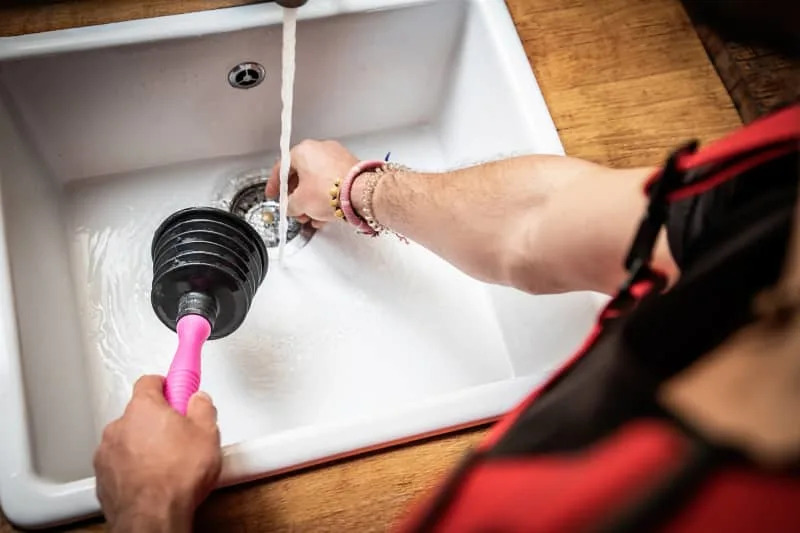
Is your kitchen sink draining slowly or completely clogged? It can be frustrating and messy, but you don’t need to call a plumber right away.
You have a simple tool right at home—a plunger—that can quickly clear the blockage and get your sink working like new. In this guide, you’ll learn easy, step-by-step methods to unclog your kitchen sink drain using a plunger. By the end, you’ll feel confident handling this common problem on your own, saving time and money.
Keep reading to discover how a little effort can make a big difference in your kitchen!
Tools Needed
Before you dive into unclogging your kitchen sink drain with a plunger, gathering the right tools is essential. The effectiveness of your effort depends heavily on having the correct equipment at hand. This saves time and spares you from unnecessary frustration.
Choosing The Right Plunger
Not all plungers are made equal, especially for kitchen sinks. You want a plunger designed specifically for sinks, which typically has a smaller, flat cup that fits snugly over the drain opening.
I once tried using a toilet plunger on my kitchen sink. The seal never felt tight, and the clog barely budged. Switching to a sink plunger made a huge difference because it created the right amount of pressure to dislodge the blockage.
Look for a plunger with a sturdy rubber cup and a comfortable handle. Wooden or heavy-duty plastic handles work best because they give you more control and durability during plunging.
Additional Supplies
Besides the plunger, having a few extra items nearby can make the job smoother. Keep a bucket ready to catch any water that might spill out when you remove the sink trap or loosen fittings.
- Rubber gloves:Protect your hands from grime and bacteria.
- Towels or rags:Useful for wiping up any drips or spills.
- Old toothbrush or small brush:Handy for cleaning around the drain opening before plunging.
- Flashlight:Helps you see inside the drain if you need to inspect it closely.
Preparing these tools beforehand means you won’t stop midway searching for something. Do you have all these ready before you start? It’s surprising how much easier the process is when you do.

Credit: www.popularmechanics.com
Preparing The Sink
Preparing the sink is the first step before using a plunger to clear a clog. This process helps create the right conditions for effective plunging. A clean and ready sink improves the chances of removing the blockage quickly.
Clearing The Area
Remove any dishes, soap bottles, and other items around the sink. Clear space helps prevent accidents and gives you room to work comfortably. Keep towels or rags nearby to catch any spills. A tidy area reduces distractions and keeps the workspace safe.
Removing Standing Water
Check how much water is in the sink. If the water level is too high, scoop out some with a small container or cup. Leaving a little water helps the plunger create suction. Too much water makes plunging messy, while too little reduces pressure.
Plunging Technique
Mastering the plunging technique can save you time and frustration when dealing with a clogged kitchen sink. It’s not just about having the right tool but using it correctly to create the suction needed to dislodge whatever is blocking your drain. Let’s break down the key elements of effective plunging so you can tackle the clog with confidence.
Positioning The Plunger
Place the plunger’s cup directly over the drain opening. Make sure it completely covers the hole to form a tight seal. If your sink has a double basin, plug the other drain with a wet cloth to maintain pressure.
Try to keep the plunger vertical to the drain. If it’s tilted, air will escape and reduce suction. Imagine trying to blow up a balloon through a bent straw—that’s what happens when your plunger isn’t positioned correctly.
Proper Motion And Pressure
Start with gentle pushes to avoid splashing dirty water. Once you feel resistance, increase the force without overdoing it. Quick, strong thrusts followed by slow releases create pressure changes that loosen the clog.
Keep the plunger moving in a straight up-and-down motion. Side-to-side or circular movements let air in and break the seal. How many times have you given up too soon? Sometimes it takes 15 to 20 solid pumps to clear the blockage.
Alternative Methods
Clogged kitchen sink drains can be a nuisance. While a plunger is a common tool, there are other effective methods. These alternative solutions are simple and use everyday items. Let's explore them.
Using Baking Soda And Vinegar
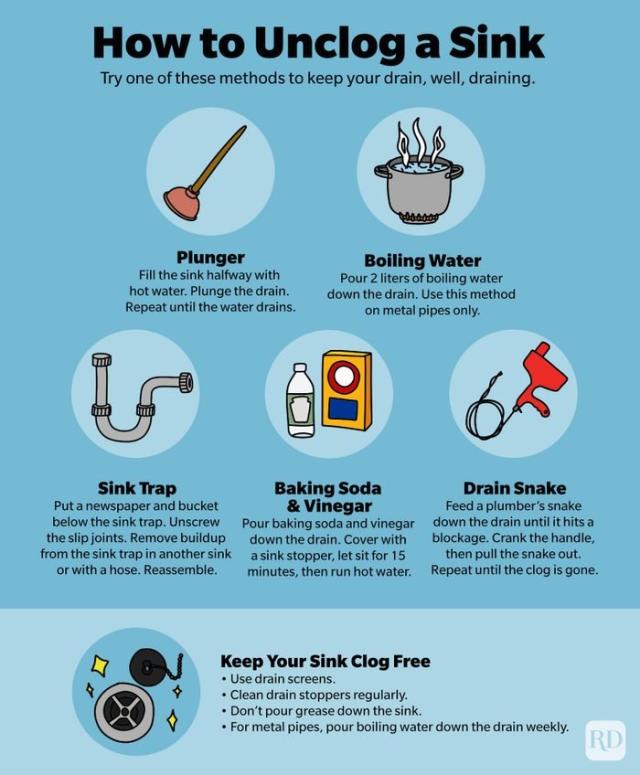
Baking soda and vinegar create a natural cleaning solution. Start by pouring a cup of baking soda into the drain. Follow it with a cup of vinegar. The mixture will fizz and bubble. This reaction helps break down the clog. Wait about 15 minutes. Then, pour boiling water down the drain to clear it.
Employing A Drain Snake
A drain snake can reach clogs deeper in the pipe. Insert the snake into the drain and twist it gently. This motion helps to hook onto the clog. Pull the snake out carefully. It should bring the debris with it. Run water to check if the drain is clear. Repeat if necessary.
Preventing Future Clogs
Preventing future clogs in your kitchen sink drain keeps your plumbing running smoothly. Small habits can stop blockages before they start. Staying consistent with simple actions saves time and stress.
Regular Cleaning Tips
Clean your drain once a week to remove buildup. Use hot water to flush out grease and food particles. Pour a mix of baking soda and vinegar down the drain, then rinse with hot water. This natural method helps clear minor blockages and neutralizes odors.
Use a drain strainer to catch food scraps. Empty it after each meal to prevent debris from entering pipes. Wipe down the sink basin to remove leftover residue. These easy steps keep your drain clear and fresh.
Avoiding Common Mistakes
Do not pour grease or oil down the sink. They harden inside pipes and cause clogs. Avoid disposing of fibrous foods like celery and potato peels in the drain. These items can tangle and block pipes.
Never use excessive force with a plunger. It can damage your pipes or seals. Avoid harsh chemical drain cleaners as they may corrode plumbing. Choose gentle, natural alternatives instead.
Credit: www.aol.com

Credit: www.drano.com
Frequently Asked Questions
How Do You Use A Plunger On A Kitchen Sink?
Place the plunger’s cup over the drain and push down firmly. Pump up and down rapidly to create suction. Repeat until water drains smoothly.
What Causes A Kitchen Sink Drain To Clog?
Food scraps, grease buildup, and soap residue often block kitchen sink drains. These materials stick inside pipes, causing slow drainage or complete clogs.
Can A Plunger Damage My Kitchen Sink Pipes?
Using a plunger correctly will not damage pipes. Avoid excessive force and use a sink plunger to protect your plumbing system.
How Long Should I Plunger A Clogged Sink?
Plunge for 1-2 minutes at a time. Check if water drains after each attempt. Repeat if necessary, but avoid prolonged plunging.
Conclusion
Unclogging a kitchen sink drain with a plunger is simple and quick. Start with the right plunger and create a good seal. Use steady, strong plunges to move the blockage. Keep trying until water flows freely again. This method saves time and money.
Regular care prevents future clogs. Remember, patience is key during the process. With practice, you will feel more confident handling minor clogs yourself. A clear sink means a cleaner kitchen and less stress. Give it a try—you can fix it today.