
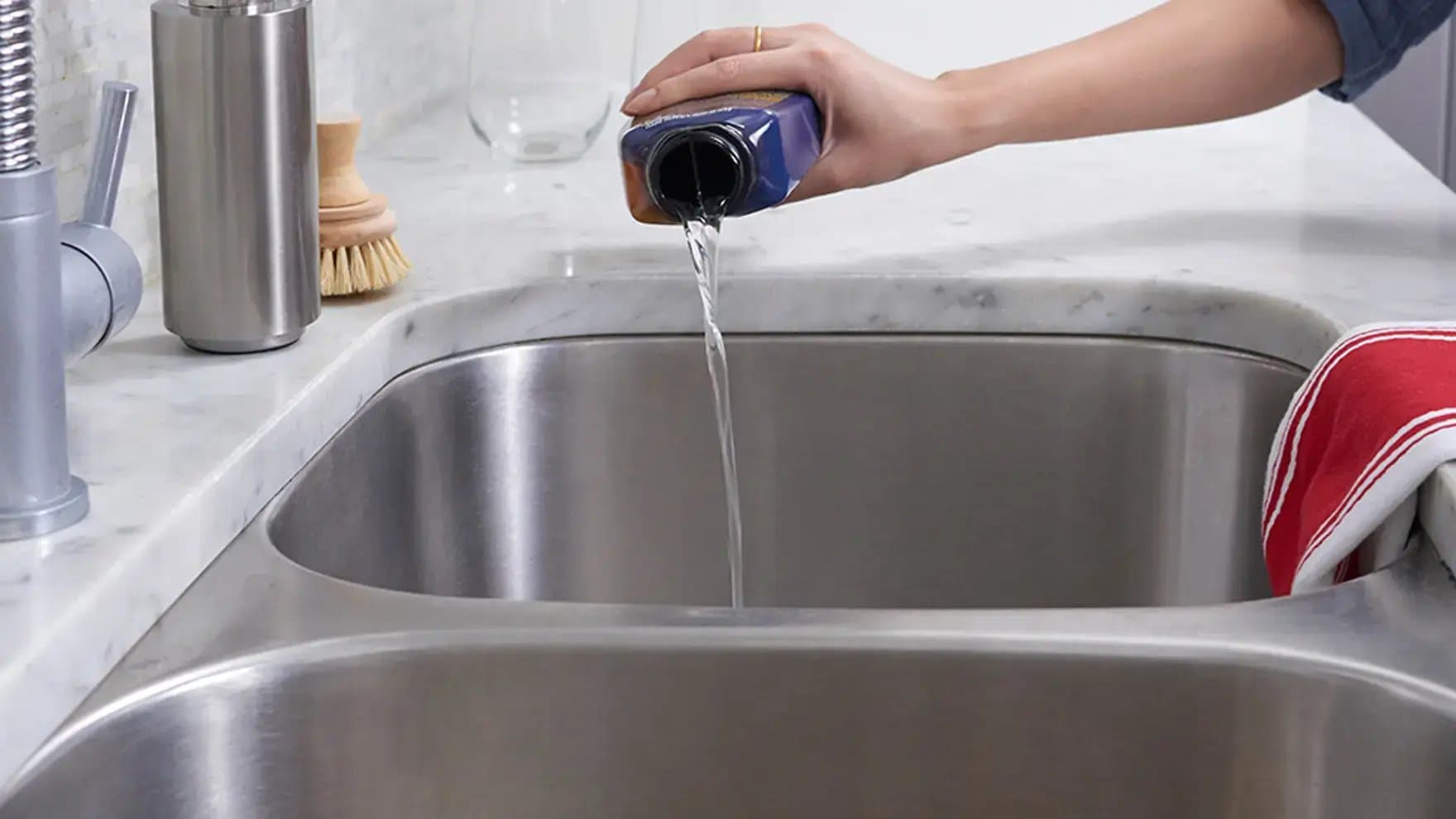
Is your kitchen sink clogged, and you don’t have a plunger nearby? Don’t worry—you can fix it yourself without calling a plumber or buying special tools.
Imagine clearing that stubborn blockage quickly with things you already have at home. You’ll discover simple, effective ways to unclog your kitchen sink fast. Keep reading to learn easy steps that will save you time, money, and frustration. Your sink will be draining smoothly again before you know it!
Common Causes Of Kitchen Sink Clogs
Understanding the common causes of kitchen sink clogs can save you time and frustration. Many clogs develop slowly, giving you a chance to stop them before they become a major issue. Knowing what typically blocks your drain helps you avoid those messy situations and keeps your sink flowing smoothly.
Food Debris
Small bits of food often get washed down the drain during cleanup. Items like vegetable peels, coffee grounds, and rice can stick to the pipes and build up over time. Have you noticed your sink draining slower after washing dishes? That’s usually food debris starting to cause trouble.
Grease Build-up
Grease is one of the sneakiest culprits. It looks liquid when hot but solidifies quickly inside your pipes as it cools down. Pouring cooking oil or bacon fat down the drain can create a stubborn, sticky blockage that traps other debris.
Soap Scum
Soap isn’t just harmless bubbles; it can leave behind a filmy residue. This soap scum sticks to the inside of pipes and combines with minerals in water. Over time, this layer thickens and narrows the drain, making clogs more likely.
Foreign Objects
Sometimes, objects that don’t belong in the drain find their way inside. Stray utensils, bottle caps, or even small toys can get stuck and block water flow. Have you ever dropped something small near the sink? It might have slipped through unnoticed and caused a clog.

Credit: ca.style.yahoo.com
Tools Needed For Diy Unclogging
Before you dive into unclogging your kitchen sink without a plunger, it's important to gather the right tools. Having the proper items on hand can save you time and frustration. You might be surprised how many common household items can effectively clear a clog.
Basic Household Items
Start by checking what you already have around the house. A pair of rubber gloves protects your hands from grime and bacteria. A bucket is handy for catching any water that spills while you work under the sink.
Old towels or rags come in useful to clean up any mess quickly. A wire coat hanger can be straightened and used as a makeshift drain snake to pull out debris blocking the pipes. These simple tools often do the trick without needing specialized equipment.
Natural Cleaning Agents
Natural cleaners are gentle but effective at breaking down buildup in your drain. Baking soda and white vinegar create a fizzing reaction that can dissolve grease and grime. Pour half a cup of baking soda down the drain, followed by half a cup of vinegar, then wait 15 minutes before rinsing with hot water.
Lemon juice works as a natural deodorizer and can help clear minor clogs. These ingredients are safe for your pipes and the environment, making them a smart choice for regular maintenance or minor blockages.
Common Kitchen Supplies
You might not expect some kitchen staples to help with a clogged sink, but they do. Boiling water poured slowly down the drain can loosen greasy buildup. Salt combined with hot water also helps scrub away residue inside the pipes.
Dish soap is another ally; it breaks down grease and makes it easier to flush blockages. Just squirt a generous amount into the drain and follow with hot water. These easy-to-find items often solve the problem faster than you think.
Using Baking Soda And Vinegar
Unclogging a kitchen sink without a plunger is possible using baking soda and vinegar. Pour baking soda down the drain, then add vinegar. This mixture breaks down the blockage effectively. Let it sit, then rinse with hot water. This natural method is simple and eco-friendly.
Unclogging a kitchen sink can seem like a daunting task, especially if you don't have a plunger at hand. But, there's a surprisingly effective, eco-friendly solution already sitting in your pantry: baking soda and vinegar. This classic combination is not just for school science projects; it's a powerful cleaning agent that can tackle stubborn clogs with ease. Let's dive into how you can use these household items to restore your sink's flow.
Step-by-step Process
First, ensure your sink is free from any standing water. You might need to scoop out excess water with a cup or bowl until the sink is nearly dry. This will allow the baking soda and vinegar to directly target the clog.
- Pour about one cup of baking soda down the drain. Use a spoon or spatula to push it down if necessary.
- Next, slowly pour one cup of vinegar into the drain. The mixture will start to fizz and bubble, which is a good sign.
- Cover the drain with a plug or a damp cloth to keep the reaction contained. Let it sit for about 15-20 minutes.
- Finally, flush the drain with hot water. Boil a kettle of water and carefully pour it down the sink to clear any remaining debris.
Repeat the process if needed. It's a simple method that doesn't require any special tools or chemicals.
Why It Works
The magic lies in the chemical reaction. Baking soda is a base, and vinegar is an acid. When combined, they create a fizzy reaction that helps break down the gunk clogging your pipes.
This bubbling action loosens the debris, making it easier to wash away with hot water. Unlike harsh chemical cleaners, this method is gentle on your pipes and safe for the environment.
Have you tried this method before? It's a great way to save money and avoid toxic chemicals. Plus, it's satisfying to see how a simple kitchen staple can solve a pesky problem.
Hot Water Flush Technique
The Hot Water Flush Technique is a simple yet powerful way to clear minor clogs in your kitchen sink without reaching for a plunger. Using hot water alone can often dissolve or loosen grease, soap buildup, and small food particles that slow down drainage. This method saves you time and effort while avoiding the mess that plungers sometimes create.
When To Use Hot Water
Hot water works best when the clog is caused by grease or soap residue. These substances tend to solidify and stick to the pipes as they cool, blocking water flow. If your sink drains slowly but still moves water, this technique could clear the way quickly.
However, if your sink is completely clogged or you notice a foul odor, hot water alone might not be enough. In those cases, combining this with other methods or calling a professional may be necessary. Have you ever tried pouring hot water down your drain only to find it worked better than expected?
Effective Pouring Method
To get the most from hot water, heat about 4 to 6 cups of water until it’s near boiling but safe to handle. Pour the water slowly in stages rather than all at once. This approach allows the heat to melt grease and debris gradually without pushing the clog deeper.
- Start by pouring half the hot water directly into the drain.
- Wait for about 5 minutes to let the heat take effect.
- Pour the remaining water slowly to flush the loosened clog.
Repeat this process if necessary, and always be cautious not to burn yourself with the hot water. You might find this technique surprisingly effective, especially after cooking greasy meals. How often do you think hot water alone could be the solution before calling for help?
Manual Removal Of Blockages
Sometimes, the best way to fix a clogged kitchen sink is by getting hands-on. Manual removal of blockages lets you directly tackle the source of the problem without relying on tools like plungers. You might find it easier than expected, especially when you understand where the clog hides and how to access it safely.
Clearing The Drain Trap
The drain trap, the curved pipe under your sink, often collects debris like food scraps and grease. Removing and cleaning it can clear the blockage quickly.
Start by placing a bucket under the trap to catch any water or debris. Then, carefully unscrew the slip nuts holding the trap in place—usually, you can do this by hand or with adjustable pliers. Once removed, check inside the trap for clogs and clean it out thoroughly with a brush or cloth.
Reassemble the trap securely to avoid leaks. This simple step saved me from calling a plumber when my sink was draining painfully slow after a big family dinner. Have you ever checked the trap before assuming the clog is deeper in the pipes?
Using A Wire Hanger
A wire hanger is a surprisingly effective tool for fishing out blockages near the sink drain. Straighten the hanger but keep a small hook at the end to snag debris.
Slowly insert the hooked end into the drain and twist or pull to catch hair, grease buildup, or food particles. Be gentle to avoid damaging the pipe or pushing the clog further down.
After you pull out the gunk, run hot water to flush out any remaining residue. This technique worked for me when grease hardened just past the drain opening—sometimes a simple wire hanger does the trick more efficiently than chemicals. What small tools do you keep handy for quick fixes around your kitchen?
Credit: www.appliancecity.co.uk
Salt And Baking Soda Combo
The salt and baking soda combo is a simple, natural way to clear a clogged kitchen sink. This mixture helps break down grease and grime that block the drain. It also deodorizes the pipes, leaving a fresh smell.
This method avoids harsh chemicals and is safe for most plumbing systems. It uses common kitchen ingredients that you probably already have. The process is quick and easy, perfect for minor clogs.
Preparing The Mixture
Start with equal parts of salt and baking soda. A good amount is half a cup of each. Mix them well in a small bowl. This blend creates a powerful cleaning agent.
Use coarse salt if possible, as it scrubs the pipes better. Baking soda provides gentle abrasion and reacts with the salt to break down debris. Make sure the mixture is dry before applying.
Application Tips
- Pour the dry salt and baking soda mixture directly into the drain.
- Follow with a cup of hot water to help dissolve the clog.
- Let the mixture sit for at least 30 minutes or overnight for tough clogs.
- Flush the drain with boiling water to clear loosened debris.
- Repeat the process if the clog persists, allowing time between attempts.
Avoid using cold water immediately after, as it may solidify grease. Use this method regularly to maintain clean drains and prevent future clogs.
Dish Soap And Hot Water Method
The dish soap and hot water method is a simple way to clear a clogged kitchen sink. It works well for grease and food blockages. Dish soap breaks down grease while hot water flushes it away. This method avoids harsh chemicals and uses items found at home. Follow the steps below for effective unclogging.
How To Soften Grease
Start by pouring about 1/4 cup of dish soap into the drain. Choose a soap that cuts grease well. Let the soap sit for 5 to 10 minutes. This gives it time to soften the hardened grease blocking the drain. The soap acts like a lubricant, making grease easier to move.
Flushing The Drain
Next, boil 2 to 3 liters of water until very hot. Slowly pour the hot water down the drain in stages. Allow the water to work for a few seconds between each pour. The heat melts the grease and pushes it through the pipes. Repeat pouring hot water until the sink drains freely. Avoid pouring boiling water too fast to prevent pipe damage.
Using Wet/dry Vacuum For Suction
Using a wet/dry vacuum for suction can be a surprisingly effective way to unclog your kitchen sink without reaching for a plunger. This tool creates strong suction that can pull out stubborn debris blocking your drain. It’s especially handy if the clog is just below the surface and you want to avoid harsh chemicals or dismantling pipes.
Setting Up The Vacuum
First, remove any standing water from the sink to allow the vacuum to work directly on the clog. Switch your wet/dry vacuum to the liquid setting if it has one, so it can handle any water suction safely. Next, create a tight seal around the drain opening—use a wet cloth or duct tape to ensure the vacuum hose fits snugly and doesn’t lose suction.
Turn the vacuum on and let it run for 30 seconds to a minute. You might hear debris being pulled up or see water moving, which means the clog is loosening. Repeat as necessary, but don’t overdo it; too much force can damage pipes.
Safety Precautions
Always unplug the vacuum before switching between wet and dry modes to avoid electrical hazards. Make sure the vacuum hose and connections are intact and free from cracks to prevent leaks during suction. Avoid using a standard household vacuum, as it’s not designed to handle liquids and could cause serious damage or injury.
Wear gloves to protect your hands from any dirty water or sharp objects that might come up. And think about what’s causing the clog—if you suspect grease buildup, avoid using hot water with the vacuum, as it can make the grease stickier and harder to remove.
Preventing Future Clogs
Preventing future clogs in your kitchen sink saves time and avoids costly repairs. Simple habits keep drains clear and water flowing smoothly. Regular care reduces the risk of blockages and foul smells. Small changes in daily routines have big effects on plumbing health.
Regular Maintenance
Clean your sink drain weekly using hot water. This helps dissolve minor buildups before they harden. Use a mixture of baking soda and vinegar once a month to freshen drains. Remove food scraps and debris from the drain opening daily. Check under the sink for leaks or slow drainage signs. Early attention prevents bigger problems later.
Proper Waste Disposal
Avoid putting large food scraps or coffee grounds down the drain. Use a sink strainer to catch solid waste. Dispose of fibrous foods like celery and onion peels in the trash. Never pour chemicals or grease directly into the sink. These substances cause buildup and damage pipes over time.
Avoiding Grease Build-up
Grease solidifies and clogs pipes quickly. Pour cooking oil or grease into a container and throw it in the trash. Wipe greasy pans with paper towels before washing. Run hot water after washing dishes with fats to keep pipes clear. Consistent grease control stops slow drains and bad odors.
Credit: www.housedigest.com
Frequently Asked Questions
How Can I Unclog A Kitchen Sink Without A Plunger?
Use baking soda and vinegar to dissolve clogs naturally. Pour half a cup of baking soda followed by half a cup of vinegar down the drain. Let it sit for 15 minutes, then flush with hot water. This method breaks down grease and debris effectively.
What Household Items Help Clear A Clogged Sink Drain?
Common items like baking soda, vinegar, and hot water can clear clogs. These ingredients create a natural chemical reaction that loosens buildup. Avoid harsh chemicals to protect pipes and the environment. This approach is safe, affordable, and easy to try at home.
Is Boiling Water Effective For Clearing Kitchen Sink Clogs?
Yes, boiling water can melt grease and soap scum causing clogs. Carefully pour boiling water down the drain in stages. This helps flush away buildup and improves drainage. Repeat as needed, but avoid boiling water on PVC pipes to prevent damage.
Can A Wire Hanger Unclog A Kitchen Sink Drain?
Straightening a wire hanger can help remove hair and debris manually. Insert it carefully into the drain to dislodge blockages. This method works well for shallow clogs near the surface. Always be gentle to avoid damaging the pipes.
Conclusion
Clogged kitchen sinks can be fixed without a plunger. Try simple methods like baking soda and vinegar or hot water. Use a wire hanger or dish soap to help clear the drain. These easy steps save time and money. Stay patient and repeat if needed.
Keep your sink clean to avoid future clogs. Small efforts bring big results in home care. You can handle this problem yourself with little effort. Clean drains make your kitchen work better every day.