
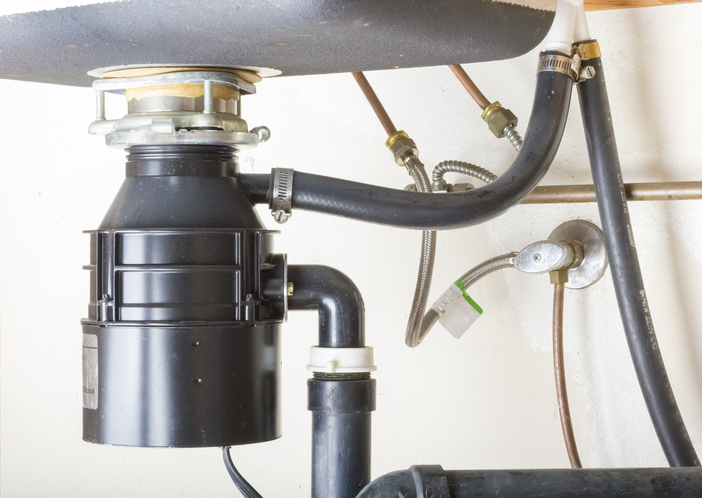
Is your kitchen sink clogged, and both your garbage disposal and dishwasher are acting up? It can be frustrating when water won’t drain, and you don’t know where to start fixing it.
But don’t worry—you can solve this problem yourself, quickly and without calling a plumber. You’ll discover simple, effective steps to unclog your kitchen sink when your disposal and dishwasher are involved. Keep reading to take back control of your kitchen and say goodbye to that stubborn clog for good.
Common Causes Of Clogs
Clogs in kitchen sinks with disposals and dishwashers often happen due to common issues. Knowing these causes helps prevent blockages and keeps water flowing smoothly. Clogs slow drainage and can cause bad smells. Understanding what creates these problems makes fixing them easier.
Food Waste Buildup
Food scraps often get stuck in the disposal or pipes. Small pieces can pile up over time. Fibrous foods like celery or potato peels cause more trouble. These scraps block the flow of water. Regular cleaning prevents buildup and keeps the sink clear.
Grease And Oil Blockages
Grease and oil harden inside pipes. Hot water cannot dissolve them completely. Over time, they form thick layers that trap food particles. This narrows pipes and stops water from draining. Avoid pouring grease down the drain to prevent clogs.
Dishwasher Drain Issues
Dishwasher drains connect to the kitchen sink pipes. Food particles or soap scum can block these pipes. Poor installation or damaged hoses cause backups. This leads to slow draining or water pooling in the sink. Regular checks keep dishwasher drains clear.
Foreign Objects In Disposal
Small items like bones, utensils, or fruit pits accidentally enter the disposal. These objects jam the blades or block the disposal chamber. The disposal stops working and causes clogs. Avoid putting hard or non-food items into the disposal.
Credit: www.callmattioni.com
Tools You’ll Need
Unclogging a kitchen sink that has a disposal and dishwasher connection requires the right set of tools. Having these tools ready saves time and prevents damage to your plumbing. Let’s look at what you should have on hand before you start tackling that clog.
Plunger Types
Not all plungers are the same. A cup plunger works well for flat surfaces like sinks, while a flange plunger fits better in pipes and drains with a flange lip. Using the right plunger increases your chances of clearing the blockage quickly. Do you have both types handy? It’s worth checking before you start.
Drain Snake
A drain snake, or auger, is a flexible tool that can reach deep into pipes to break up clogs. It’s especially useful if the blockage is beyond the trap or in the dishwasher line. Having one with a comfortable grip and the right length—around 15 to 25 feet—is ideal for kitchen sinks. Wondering if a drain snake can damage your pipes? As long as you use it carefully, it’s a safe and effective tool.
Wrench And Screwdriver
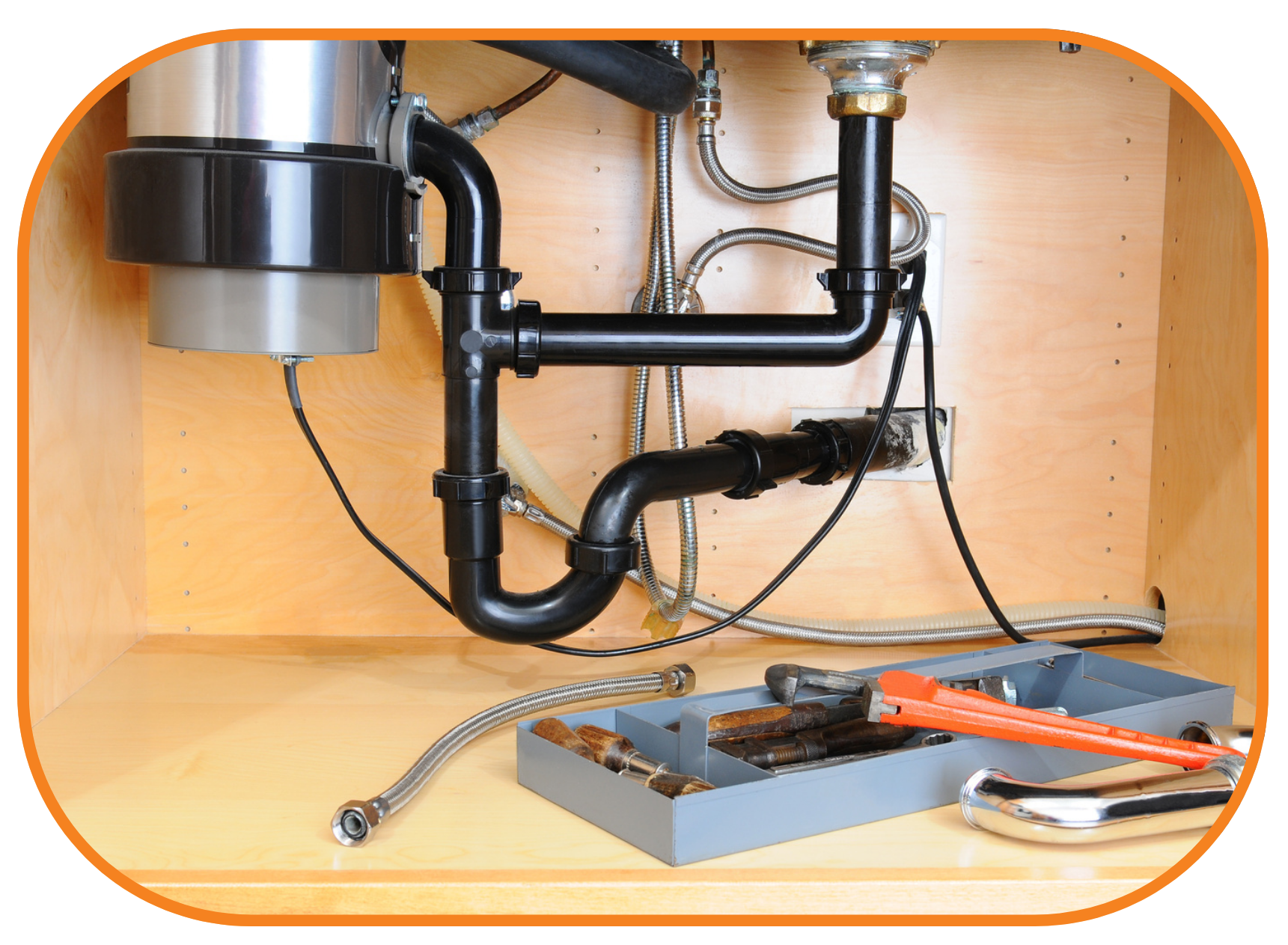
Sometimes, you need to remove the P-trap or access the disposal unit to clear a clog. A wrench and screwdriver are essential for loosening nuts and screws without causing damage. Keep adjustable wrenches and a set of flathead and Phillips screwdrivers ready. These tools also help when checking connections to your dishwasher hose.
Baking Soda And Vinegar
This natural duo is a powerful, chemical-free way to tackle minor clogs. Baking soda helps break down debris, while vinegar creates a fizzing action that loosens buildup. Have a box of baking soda and a bottle of white vinegar in your kitchen cabinet—they are also great for regular drain maintenance. Have you tried this method before? It’s a gentle way to keep your drains flowing smoothly.
Safety Precautions
Unclogging a kitchen sink with a disposal and dishwasher demands caution. Safety should be the top priority to prevent harm. Simple steps can make the process safe and effective.
Unplugging The Disposal
Always unplug the disposal before starting work. This prevents accidental activation. Check that the unit is off. Look under the sink and disconnect the power source. This simple step ensures personal safety during the process.
Avoiding Chemical Drain Cleaners
Skip using chemical drain cleaners for this task. They can damage pipes and the disposal unit. These chemicals pose health risks due to toxic fumes. Instead, opt for natural methods like baking soda and vinegar.
Proper Handling Of Tools
Gather the right tools for the task. A plunger, wrench, and pliers are useful. Ensure tools are clean and in good condition. Handle them with care to avoid injury. Wear gloves to protect your hands from sharp objects.

Credit: www.benjaminfranklinplumbingtyler.com
Step-by-step Unclogging Process
Unclogging a kitchen sink that has both a disposal and a dishwasher connection can feel tricky. However, breaking down the process into clear steps makes it manageable. Each part of the system needs attention to ensure water flows smoothly again.
Clearing The Disposal Unit
Start by turning off the disposal and unplugging it to avoid accidents. Use a flashlight to look inside for visible blockages like food scraps or utensils.
If you spot debris, carefully remove it with tongs or pliers—never use your hands. You can also try rotating the disposal’s flywheel manually with an Allen wrench to free any stuck parts. This often clears jams that cause clogs.
Using A Plunger Effectively
Choose a sink plunger, not a toilet plunger, for better suction. Seal the other drain openings with a wet cloth to focus pressure where it’s needed.
Push the plunger down firmly and pull up sharply several times without breaking the seal. This back-and-forth motion can dislodge stubborn clogs in the pipes connected to your disposal and dishwasher.
Running The Dishwasher Drain Cycle
After plunging, run the dishwasher’s drain cycle to check if water flows freely through its drain hose. Sometimes food particles stuck in the dishwasher’s drain hose cause backups.
Listen for any unusual noises or slow draining during the cycle. If you notice problems, disconnect the hose and inspect it for blockages or kinks.
Applying Natural Cleaners
Natural cleaners like baking soda and vinegar can break down grime without harsh chemicals. Pour half a cup of baking soda into the drain, followed by half a cup of vinegar.
Let the mixture fizz for about 15 minutes, then flush with hot water. This method helps remove buildup inside pipes and freshens your kitchen sink’s smell.
Preventive Measures
Preventive measures keep your kitchen sink, disposal, and dishwasher running smoothly. They reduce the chance of clogs and costly repairs. Simple habits and regular cleaning protect your plumbing and appliances.
Regular Disposal Maintenance
Run cold water before, during, and after using the disposal. This helps flush food waste down the drain. Avoid grinding hard items like bones or fibrous vegetables. Use ice cubes and lemon peels to clean and freshen the disposal. Regular maintenance prevents buildup and keeps the blades sharp.
Proper Waste Disposal Habits
Only put small food scraps into the disposal. Avoid dumping large amounts at once. Do not pour coffee grounds, eggshells, or grease down the drain. These can cause blockages. Use a sink strainer to catch solid waste and empty it into the trash.
Dishwasher Filter Cleaning
Remove and clean the dishwasher filter regularly. Food particles trapped here block water flow and cause odors. Rinse the filter under running water and scrub gently with a soft brush. Clean filters improve dishwasher performance and prevent sink clogs.
Avoiding Grease Pouring
Never pour grease or oil down the sink. They solidify and trap food particles inside pipes. Instead, collect grease in a container and throw it in the trash. This simple step protects your pipes and reduces clog risks.
When To Call A Professional
Knowing when to call a professional saves time and avoids damage. Some kitchen sink problems go beyond simple fixes. Attempting repairs without experience can worsen issues. Watch for signs that need expert help. These hints keep your kitchen safe and working well.
Persistent Clogs
Clogs that return quickly need professional attention. DIY fixes may clear the blockage temporarily. Professionals have tools to find deep or hidden blockages. Repeated slow drainage or backups can signal serious plumbing trouble. Experts prevent damage by fully clearing pipes.
Disposal Motor Issues
Strange noises or no power in the disposal are warning signs. A humming sound without grinding means a jam or motor problem. Reset buttons may not solve electrical or mechanical faults. Professionals diagnose and fix motor or wiring issues safely. Avoid risking injury by handling disposal repairs yourself.
Complex Plumbing Problems
Leaks, strange smells, or water pooling under the sink need expert help. Plumbing layouts under kitchen sinks can be complicated. Incorrect repairs cause leaks or water damage. Professionals understand pipe connections for disposal and dishwasher. They fix issues while protecting your home’s plumbing system.

Credit: www.youtube.com
Frequently Asked Questions
How Do I Unclog A Kitchen Sink With A Disposal?
First, turn off the disposal and unplug it. Use a plunger on the sink drain. If needed, clear the trap under the sink to remove debris. Avoid harsh chemicals to prevent damaging the disposal.
Can Dishwasher Clogs Cause Kitchen Sink Blockages?
Yes, dishwasher clogs can back up into the kitchen sink. Food particles or grease often cause the blockage. Regularly clean the dishwasher drain and check the hose connection to prevent clogs.
What Natural Methods Clear Kitchen Sink Clogs Safely?
Use a mixture of baking soda and vinegar to break down clogs. Pour boiling water after the reaction to flush the pipes. This method is eco-friendly and safe for disposals and dishwasher connections.
When Should I Call A Plumber For Sink Clogs?
If plunging and natural methods don’t work, or if water backs up continuously, call a plumber. Persistent odors or slow drainage may also indicate a serious clog needing professional help.
Conclusion
Clearing a clogged kitchen sink with a disposal and dishwasher is simple. Use basic tools and follow easy steps. Regular cleaning helps prevent future clogs. Avoid putting hard or sticky items down the drain. Acting quickly stops small problems from growing.
Keep your kitchen running smoothly and save time. You can handle this task without extra help. Clean drains mean less hassle and fewer repairs. Remember, small care keeps your kitchen sink working well.