
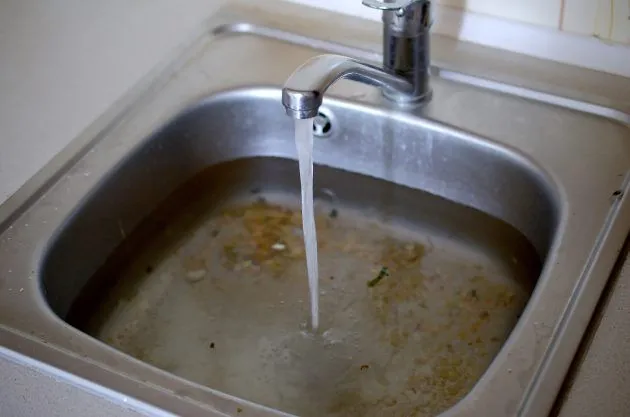
Is your kitchen sink clogged, and the garbage disposal or dishwasher isn’t helping? It’s frustrating when water won’t drain, leaving you stuck with a mess.
But don’t worry—you can fix this yourself without calling a plumber. You’ll discover simple, effective steps to unclog your kitchen sink, even when the garbage disposal and dishwasher are involved. Keep reading, and you’ll have your sink flowing smoothly again in no time.
Signs Of A Clogged Sink
Knowing the signs of a clogged sink helps you act fast. Early detection prevents bigger plumbing problems. Watch closely for changes in how your sink works and smells. These signs warn you that the garbage disposal or dishwasher drain may be blocked.
Slow Draining Water
Water that takes longer to drain shows a clog is forming. You might see a puddle of water in the sink basin. This happens because food scraps and grease block pipes. Slow draining often starts small but gets worse over time.
Unpleasant Odors
Bad smells coming from the sink signal trapped debris. Decaying food stuck in the garbage disposal or pipes causes foul odors. The smell may get stronger if the clog grows. This is a clear sign to check your drain soon.
Gurgling Sounds
Strange noises from the sink drain indicate air trapped by a blockage. Gurgling or bubbling sounds mean water can’t flow freely. These sounds happen when the dishwasher or garbage disposal tries to push water through. It’s a warning to clean the drain before a full clog forms.
Credit: www.allamericanpha.com
Safety First
Safety comes first when unclogging a kitchen sink with a garbage disposal and dishwasher. These appliances use electricity and sharp parts. Taking precautions prevents accidents and injuries. Always prepare before starting any unclogging work.
Turn Off Power
Cut the power to the garbage disposal at the circuit breaker. Never rely on just the switch under the sink. This step stops the disposal from turning on by accident. Double-check by pressing the disposal button to ensure it is off. Safety is better than risking a sudden start.
Use Protective Gear
Wear gloves to protect your hands from sharp blades and dirty water. Use safety glasses to shield your eyes from splashes or debris. Avoid loose clothing or jewelry that might get caught. Proper gear keeps you safe and clean throughout the process.
Basic Tools Needed
Clearing a clogged kitchen sink with a garbage disposal and dishwasher requires a few basic tools. These tools help you work safely and effectively. Having the right equipment saves time and prevents damage.
Gather these tools before starting the unclogging process. Each plays a key role in fixing the blockage.
Plunger
A plunger creates pressure to push blockages through pipes. It works well on minor clogs in sinks and drains. Use a plunger with a rubber cup that fits tightly over the sink drain. Push down and pull up in quick motions to clear the clog.
Wrench
A wrench loosens or tightens plumbing connections. It helps remove the trap under the sink for cleaning. Adjustable wrenches work best for different pipe sizes. Use it gently to avoid damaging pipes or fittings.
Bucket
A bucket collects water and debris when you disconnect pipes. Place it under the sink trap before loosening connections. This prevents spills and keeps your workspace clean. Choose a bucket large enough to hold any trapped water.
Clearing The Garbage Disposal
Clogged kitchen sinks with garbage disposals and dishwashers can stop water flow. Clearing debris and using simple tools can quickly fix blockages. Regular cleaning helps keep drains working smoothly and prevents buildup.
A clogged kitchen sink is frustrating. Especially with a garbage disposal. Clearing it is crucial for smooth operation. It starts with the disposal itself. Simple steps can make it work again. Let's explore some effective methods.
Resetting The Disposal
First, locate the reset button. It's usually red and at the bottom. Push it. This often fixes minor issues. Wait a moment and test the disposal. Hear a humming sound? This step might solve your problem.
Using An Allen Wrench
An Allen wrench can be handy. Find the small hole beneath the disposal. Insert the wrench and turn it clockwise. This motion can free any jammed items. Turn on the disposal. Listen for a clear, running sound.
Removing Debris Safely
Safety first. Ensure the disposal is off. Use tongs or pliers, not your hands. Carefully remove any visible debris. Check for trapped food or objects. Restore power and test. The sink should now drain smoothly.
Unclogging The Dishwasher Drain
Unclogging the dishwasher drain can restore proper water flow and prevent leaks. A blocked drain causes slow draining or water backup in the dishwasher. Cleaning this part is essential to keep the kitchen sink and dishwasher working well.
Checking The Air Gap
The air gap stops dirty water from flowing back into the dishwasher. Locate it near the sink or countertop. Remove the cover and check for debris inside. Clear any buildup using a small brush or toothpick. Flushing the air gap with water helps remove loose particles.
Cleaning The Filter
The dishwasher filter traps food scraps and prevents clogs. Find it at the bottom of the dishwasher tub. Take out the filter and rinse it under running water. Use a soft brush to clean stubborn debris. Make sure the filter is dry before placing it back.
Inspecting The Drain Hose
The drain hose carries wastewater from the dishwasher to the sink drain. Check it for kinks, bends, or blockages. Disconnect the hose from both ends carefully. Use a long brush or pipe cleaner to remove any clogs inside. Reconnect the hose securely to avoid leaks.
Using A Plunger Effectively
Using a plunger effectively can be a game-changer when dealing with a clogged kitchen sink that involves a garbage disposal and dishwasher. It’s not just about slamming the plunger down; knowing which plunger to choose and how to use it properly makes a huge difference. Let’s look at how you can tackle the clog with confidence and avoid making the problem worse.
Choosing The Right Plunger
Not all plungers are created equal. For a kitchen sink, especially one with a garbage disposal and dishwasher connection, a flange plunger works best. It has an extra rubber flap that fits snugly into the drain opening, creating a better seal.
A cup plunger, which you might use for toilets, won’t create enough suction on a flat sink surface. You want something that grips tightly to push and pull the clog loose without slipping.
Have you checked your tool drawer recently? If your plunger is cracked or worn out, it won’t work effectively. Investing in a good-quality flange plunger can save you frustration and time.
Proper Plunging Technique
Start by filling the sink with enough water to cover the plunger’s cup. Water helps create the pressure needed to dislodge the clog. If the sink is empty, the plunger won’t seal properly and won’t push against the blockage.
Place the plunger over the drain opening and press down gently to get a tight seal. Then, plunge with firm, controlled strokes—push down and pull up without breaking the seal. Repeating this motion about 15-20 times usually does the trick.
Be patient and avoid using too much force. Pushing too hard can damage pipes or the garbage disposal unit. After plunging, run hot water to flush out loosened debris and check if the water drains smoothly.
Manual Drain Cleaning
Manual drain cleaning is a hands-on way to tackle clogs in your kitchen sink, especially when you have a garbage disposal and dishwasher connected. It allows you to directly access the problem area and remove blockages that might be causing slow drainage or backups. This approach doesn’t require harsh chemicals, making it safer for your pipes and the environment.
Removing The P-trap
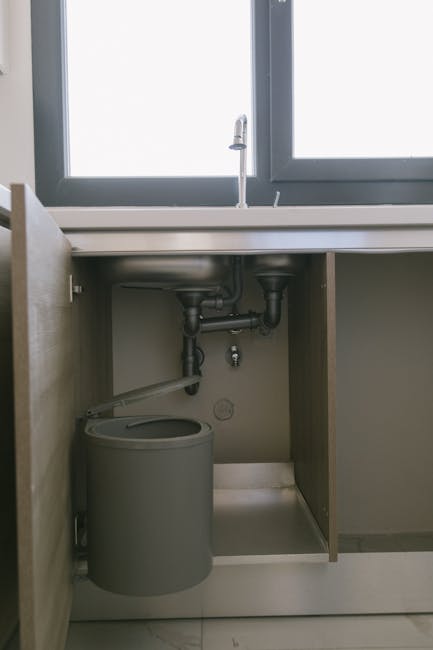
The P-trap is the curved pipe under your sink that holds water to block sewer gases from coming up. Over time, debris from the garbage disposal and dishwasher can build up here, causing clogs. To remove it, first place a bucket underneath to catch any water.
Use a wrench or your hands to loosen the slip nuts on both ends of the P-trap. Carefully take it off and inspect the inside for gunk or food scraps. This direct access often reveals the culprit behind your clogged drain.
Clearing Blockages By Hand
Once the P-trap is removed, you can clear out the blockage by hand or with a flexible brush. Wearing gloves is essential to keep your hands clean and safe. Reach inside and pull out any debris, hair, or buildup that might be stuck.
Don’t overlook the drain pipes leading from the P-trap to the wall. Sometimes blockages extend beyond the trap and need a little extra attention. Flushing the pipes with hot water after cleaning can help remove smaller particles and prevent future clogs.

Credit: www.benjaminfranklinplumbingtyler.com
Natural Cleaning Solutions
Natural cleaning solutions offer a safe and effective way to unclog your kitchen sink, especially when you have a garbage disposal and dishwasher involved. These methods avoid harsh chemicals that can damage your pipes or harm the environment. Plus, they often use ingredients you already have at home, making them both convenient and budget-friendly.
Baking Soda And Vinegar
Baking soda and vinegar work together like a gentle scrub and a fizzing agent to break down grime and clear blockages. Start by pouring about half a cup of baking soda directly into the drain.
Next, add one cup of white vinegar. You’ll notice bubbling and fizzing—that’s the reaction loosening the clog.
Let the mixture sit for 15 to 30 minutes. Then, flush the drain with hot water to wash away the debris.
This combination is especially useful if you notice slow drainage but no major clog. Have you tried this and wondered why it sometimes works better than chemical cleaners? It’s all about the natural reaction helping to clear buildup gently without damaging your pipes.
Hot Water Flush
Sometimes, simply flushing your sink with very hot water can clear minor blockages caused by grease and soap residue. Heat melts the fats and oils that can solidify and clog your pipes.
Boil a kettle or pot of water, then carefully pour it down the drain in stages, allowing it to work through the pipes.
Be cautious not to use boiling water if you have PVC pipes, as extreme heat can damage them. Instead, use the hottest water safe for your plumbing.
Have you noticed that this simple flush can prevent clogs before they start? It’s a quick trick you can do regularly to maintain a smooth-running sink without any extra expense.
When To Call A Professional
Knowing when to call a professional plumber can save time and prevent damage. Some problems go beyond simple fixes. Recognizing these signs helps avoid costly repairs and frustration.
Persistent Clogs
Clogs that return after several attempts to clear need expert help. Professionals have tools to reach deep blockages. They can identify hidden issues that cause repeated clogs.
Ignoring persistent clogs can damage pipes and appliances. A plumber can safely remove tough obstructions without harming your disposal or dishwasher.
Leaks And Damage
Leaks around the garbage disposal or dishwasher indicate a serious problem. Water damage may worsen if left unattended. Signs include water pooling or unusual smells.
Visible cracks or broken parts also require professional attention. Repairing leaks promptly protects your kitchen and avoids mold growth. Experts can replace damaged components safely and correctly.
Preventing Future Clogs
Regularly running cold water while using the disposal helps wash away food bits. Avoid pouring grease or large scraps down the drain to keep pipes clear. Simple habits protect sinks from future blockages.
Preventing future clogs in your kitchen sink is essential for hassle-free cooking. Simple habits can keep your sink clear and functional. Let’s explore some effective strategies to prevent clogs.
Proper Waste Disposal
Dispose of food scraps correctly. Avoid putting large food pieces in the sink. Use a trash bin for fibrous foods like celery or potato peels. Coffee grounds and eggshells can cause clogs too. Scrape plates into the trash before rinsing. Use cold water during disposal operation. Cold water helps solidify grease, so it can be chopped up before reaching the trap.
Regular Maintenance Tips
Regular maintenance keeps your garbage disposal running smoothly. Run cold water for a few seconds before and after using the disposal. Clean the disposal monthly with baking soda and vinegar. Pour half a cup of baking soda into the disposal. Follow it with a cup of vinegar. Let it fizz for a few minutes, then rinse with hot water. Grind small pieces of citrus peels for a fresh scent. Check the dishwasher filter weekly and remove any debris. Keep the sink and disposal clean for optimal performance.

Credit: www.angi.com
Frequently Asked Questions
How Do I Safely Unclog A Kitchen Sink With Garbage Disposal?
Turn off the power to the disposal first. Use a plunger or an Allen wrench to manually clear the jam. Avoid harsh chemicals as they can damage the disposal and pipes.
Can Dishwasher Clogs Affect Kitchen Sink Drainage?
Yes, dishwasher clogs often cause slow sink drainage. Food debris or soap scum can block the drain hose. Regular cleaning and checking the hose can prevent clogs.
What Household Items Help Unclog Kitchen Sinks?
Baking soda and vinegar create a natural drain cleaner. Hot water flushes grease and debris. A plunger or drain snake can physically remove blockages.
How To Prevent Future Clogs In Garbage Disposal?
Run cold water while using the disposal. Avoid disposing of fibrous or starchy foods. Regularly grind citrus peels to clean and freshen the disposal.
Conclusion
Clearing a clogged kitchen sink with a garbage disposal and dishwasher takes patience. Start with simple steps to avoid damage. Use safe tools and avoid harsh chemicals. Regular cleaning helps prevent future clogs. Stay calm and follow the process carefully.
Small efforts save time and money later. Keep your sink and pipes clean for smooth use. A clean kitchen means less stress and more comfort. Try these tips next time your sink slows down. You can handle it with ease.