
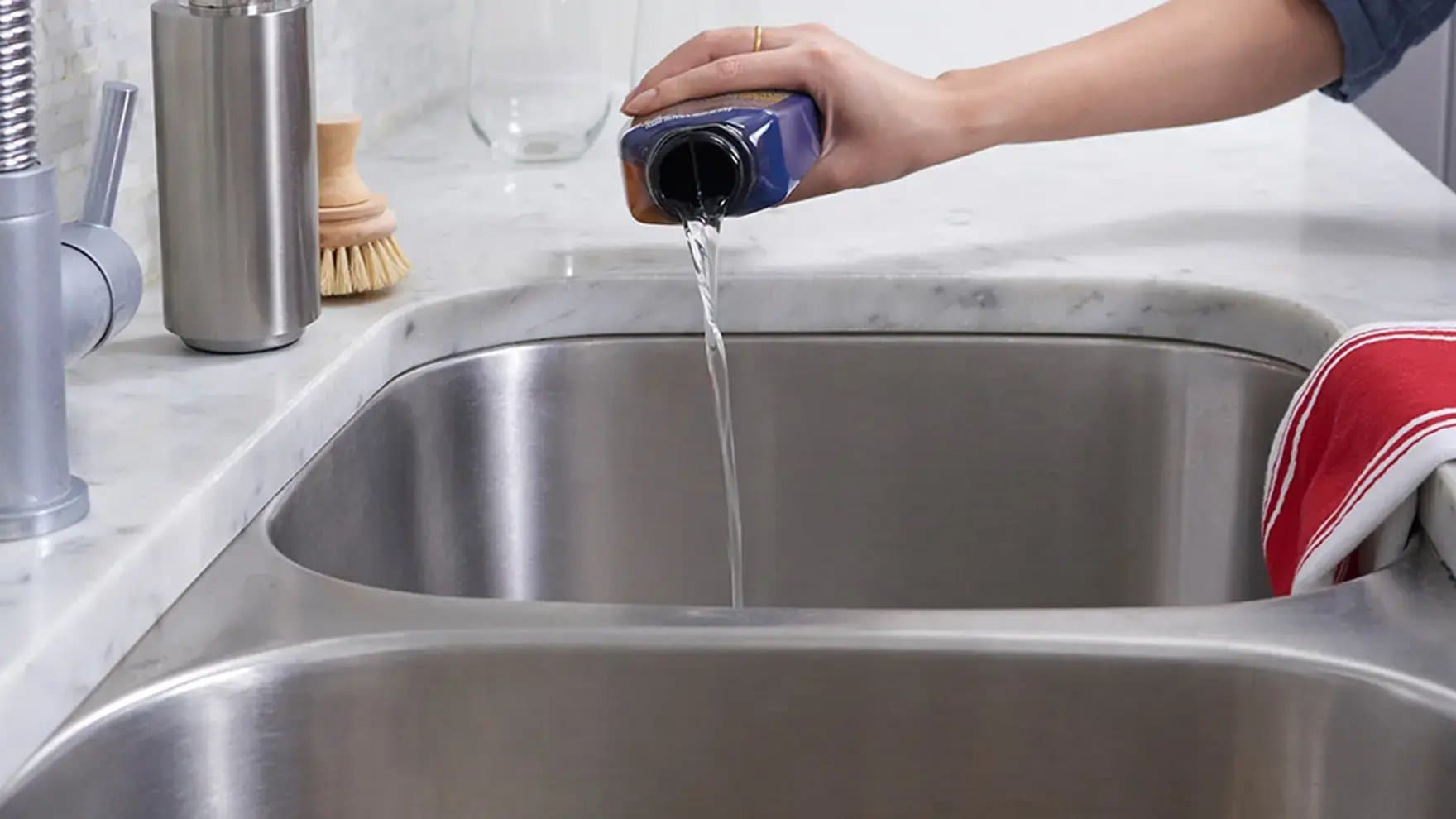
Is your kitchen sink clogged, and you don’t have a plunger nearby? Don’t worry—you can fix it yourself without any special tools.
A blocked sink can quickly turn your cooking and cleaning routine into a frustrating mess. But what if you could clear that clog fast, using simple items you already have at home? Keep reading, and you’ll discover easy, effective ways to unclog your kitchen sink without reaching for a plunger.
By the end, you’ll feel confident handling this common problem on your own.
Common Causes Of Kitchen Sink Clogs
Kitchen sink clogs happen often and cause a lot of trouble. Understanding what causes these blockages helps in fixing them quickly. Most clogs come from everyday kitchen waste and buildup inside the pipes. Identifying the cause is the first step to clearing the sink without using a plunger.
Food Particles And Grease
Food scraps left in the sink can block drains. Small pieces of food get stuck and pile up over time. Grease from cooking oils and fats hardens inside pipes. This sticky layer traps more debris and slows water flow. Together, food and grease create tough clogs that block drains.
Soap Scum Buildup
Soap residue mixes with minerals in water to form a hard layer. This scum sticks to pipe walls and narrows the drain path. Soap buildup grows slowly but can cause serious blockages. It also combines with grease and food waste, making clogs worse.
Foreign Objects
Small items like bottle caps, twist ties, or bits of packaging can accidentally fall into the sink. These objects get stuck in pipes and block water flow. They are often hard to spot but cause major clogs. Avoid putting anything non-food related down the drain to prevent this.
Credit: www.aol.com
Safety Tips Before You Start
Before you start unclogging your kitchen sink without a plunger, safety is key. Taking some simple precautions can protect you from injuries and make the task easier. It is important to prepare well and avoid common hazards.
Wear Protective Gloves
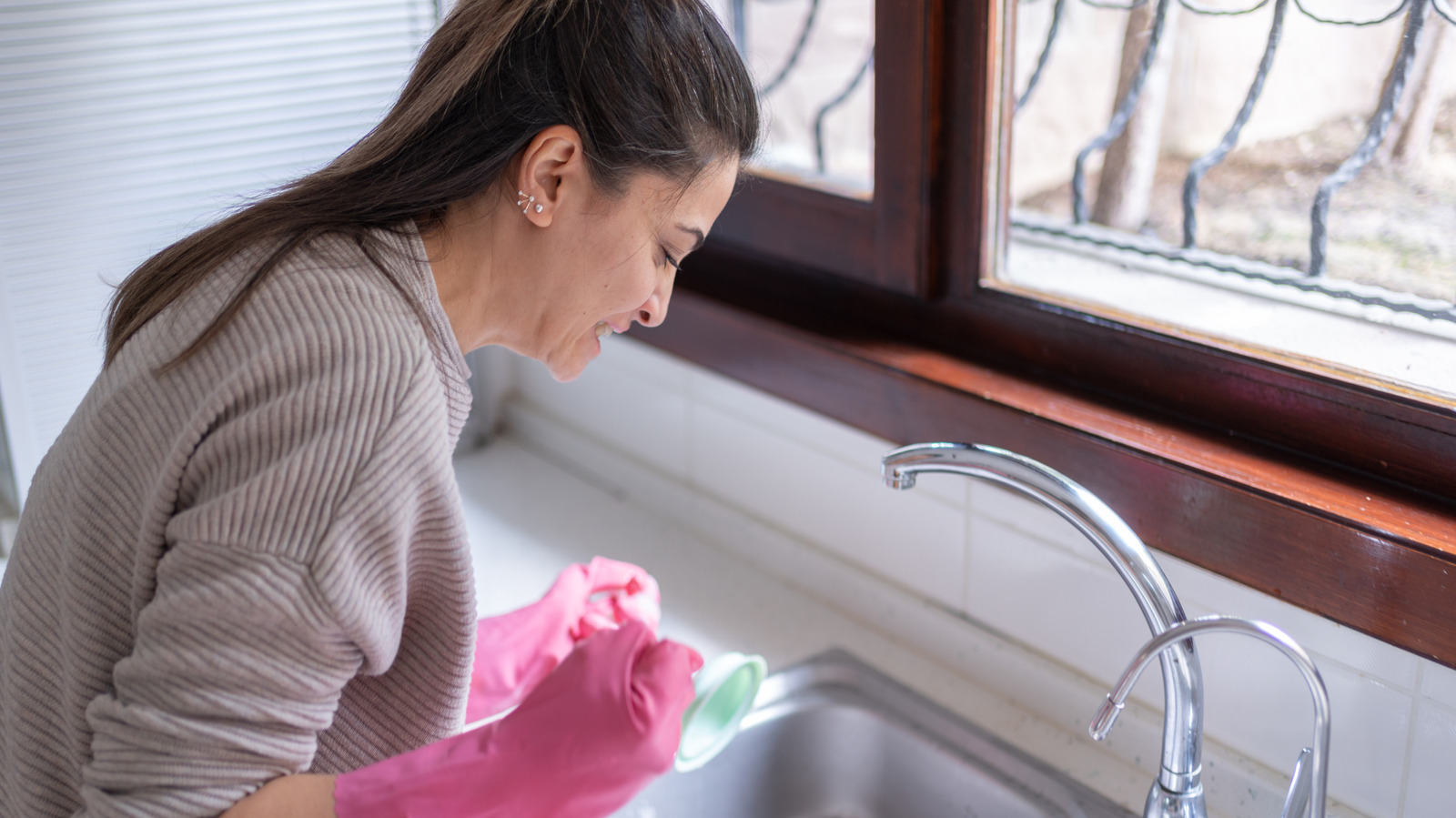
Always wear protective gloves before touching the drain or pipes. Gloves keep your hands safe from sharp objects and dirty water. They also protect your skin from bacteria and cleaning agents. Choose gloves that fit well and are waterproof.
Avoid Harsh Chemicals
Do not use strong chemical drain cleaners. These chemicals can burn your skin and damage pipes. They may also release harmful fumes. Try natural or mild solutions instead to clear the clog safely.
Prepare Your Workspace
Clear the area under the sink and around your workspace. Lay down old towels or a plastic sheet to catch spills. Keep a bucket nearby to collect water from the pipes. Good preparation keeps the area clean and reduces mess.
Diy Tools And Materials You Need
Unclogging a kitchen sink can be simple with the right tools. You don't need a plunger. Common household items can solve the problem. Gather these tools and materials before you start.
Baking Soda And Vinegar
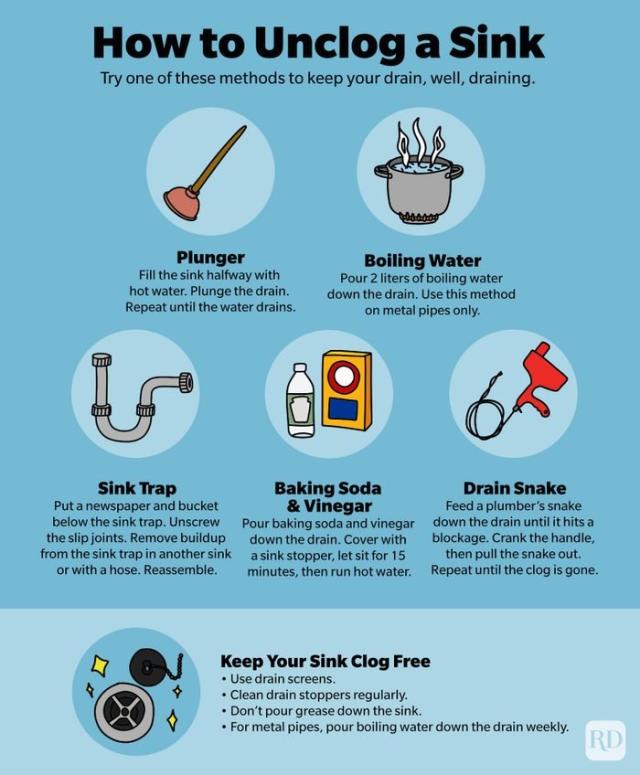
Baking soda and vinegar form a strong cleaning duo. These items are often in the kitchen. Together, they break down stubborn clogs effectively. Measure half a cup of baking soda. Pour it into the drain. Follow with half a cup of vinegar. Let it fizz for 15 minutes. The chemical reaction helps dissolve the blockage. Rinse with hot water afterwards.
Boiling Water
Boiling water is a simple solution. It can melt grease and loosen debris. Boil a large pot of water on the stove. Pour it slowly into the drain. Repeat if necessary. This method works best for minor clogs. Be cautious to avoid burns.
Wire Hanger Or Zip Tie
A wire hanger or zip tie can reach deep into the drain. Straighten a wire hanger. Create a small hook at one end. Insert it into the drain to pull out debris. A zip tie can also work. Bend the tip to form a hook. Gently push it into the drain to clear the clog.
Dish Soap
Dish soap can break down grease. It's gentle yet effective. Squeeze a generous amount into the drain. Follow with hot water. The soap lubricates the pipe, helping the blockage slide through. This method is ideal for grease-related clogs.
Step-by-step Diy Methods
Unclogging a kitchen sink without a plunger is possible with simple tools and household items. These DIY methods clear blockages safely and quickly. Follow the steps carefully to restore your sink’s flow.
Using Baking Soda And Vinegar
Start by pouring half a cup of baking soda into the drain. Follow with half a cup of white vinegar. Wait 15 minutes while the mixture fizzes and breaks down the clog. Flush the drain with hot water to clear debris.
Flushing With Boiling Water
Boil a kettle or large pot of water. Slowly pour the boiling water down the drain in stages. Let the hot water soften grease and soap buildup. Repeat this process a few times for better results.
Manual Removal With Wire Hanger
Straighten a wire hanger but keep a small hook at the end. Insert the hook into the drain carefully. Twist and pull to remove hair or gunk blocking the pipe. Dispose of the debris in the trash, not the sink.
Applying Dish Soap And Hot Water
Squirt a generous amount of liquid dish soap into the drain. Let it sit for 10 minutes to dissolve grease. Follow with hot water to flush away loosened grime. This method works well for minor clogs caused by grease.
Preventing Future Clogs
Preventing future clogs in your kitchen sink saves you time, money, and frustration. Small habits can make a big difference in keeping your drains flowing smoothly. Let’s look at practical ways to avoid blockages before they start.
Regular Cleaning Routine
Keeping your sink clean is essential to prevent buildup that leads to clogs. Try flushing your drain with hot water once or twice a week. This helps dissolve grease and soap residues before they harden.
You can also use a simple mixture of baking soda and vinegar. Pour half a cup of baking soda down the drain, followed by half a cup of vinegar. Wait 15 minutes, then rinse with hot water to clear away grime.
Avoiding Certain Food Waste
Think twice before tossing food scraps down the drain. Avoid putting fibrous items like celery, onion skins, and potato peels into the sink—they tangle and create blockages.
Grease and oil are major culprits as well. They look liquid when hot but solidify quickly, clogging pipes. Instead, collect fats in a container and throw them in the trash.
Using Sink Strainers
Sink strainers are simple but powerful tools to catch debris before it reaches your pipes. Place one over your drain every time you wash dishes or rinse food.
Empty the strainer frequently to prevent buildup. This small step can prevent hair, food particles, and other debris from piling up and causing slow drainage.
Credit: www.housedigest.com
When To Call A Professional
Knowing when to call a professional plumber can save time and prevent damage. Some clogs require expert tools and skills beyond home fixes. Recognizing the signs early helps avoid costly repairs and keeps your kitchen running smoothly.
Persistent Clogs
Clogs that do not clear after several attempts need expert help. Persistent blockages may hide deeper pipe problems. Professionals use special equipment to find and fix tough clogs quickly.
Slow Draining Despite Efforts
Slow drains that remain even after cleaning are a warning sign. This issue might mean a partial blockage or pipe buildup. A plumber can inspect and solve the problem safely.
Signs Of Plumbing Damage
Leaks, strange noises, or foul odors near the sink indicate damage. Damaged pipes can worsen if ignored and cause water damage. Calling a professional ensures proper repair and prevents future issues.
Credit: www.youtube.com
Frequently Asked Questions
How Can I Unclog A Kitchen Sink Without A Plunger?
To unclog, first remove visible debris from the drain. Use baking soda and vinegar, then flush with hot water. Alternatively, try a drain snake or wire hanger to clear blockages manually.
What Household Items Help Unclog Kitchen Sinks?
Common items include baking soda, white vinegar, and hot water. These create a natural chemical reaction that breaks down grime. Dish soap can also help dissolve grease clogs effectively.
How Long Does It Take To Unclog A Sink Naturally?
Natural methods usually take 15 to 30 minutes. Allow baking soda and vinegar to fizz for 10-15 minutes before flushing. Persistent clogs may need repeated treatment or manual removal.
Can Boiling Water Clear A Clogged Kitchen Sink?
Yes, boiling water can dissolve grease and soap buildup. Pour slowly in stages to avoid pipe damage. This method works best for minor clogs caused by grease.
Conclusion
Clearing a kitchen sink clog without a plunger is possible with simple tools. Try natural solutions like baking soda and vinegar to break blockages. Hot water helps wash away grease and debris. A wire hanger can reach and remove stuck food.
Always avoid harsh chemicals that can damage pipes. Regular cleaning prevents future clogs and keeps drains clear. Small efforts save time and money on repairs. Stay patient and follow each step carefully for best results. Your sink will flow smoothly again without extra tools.