
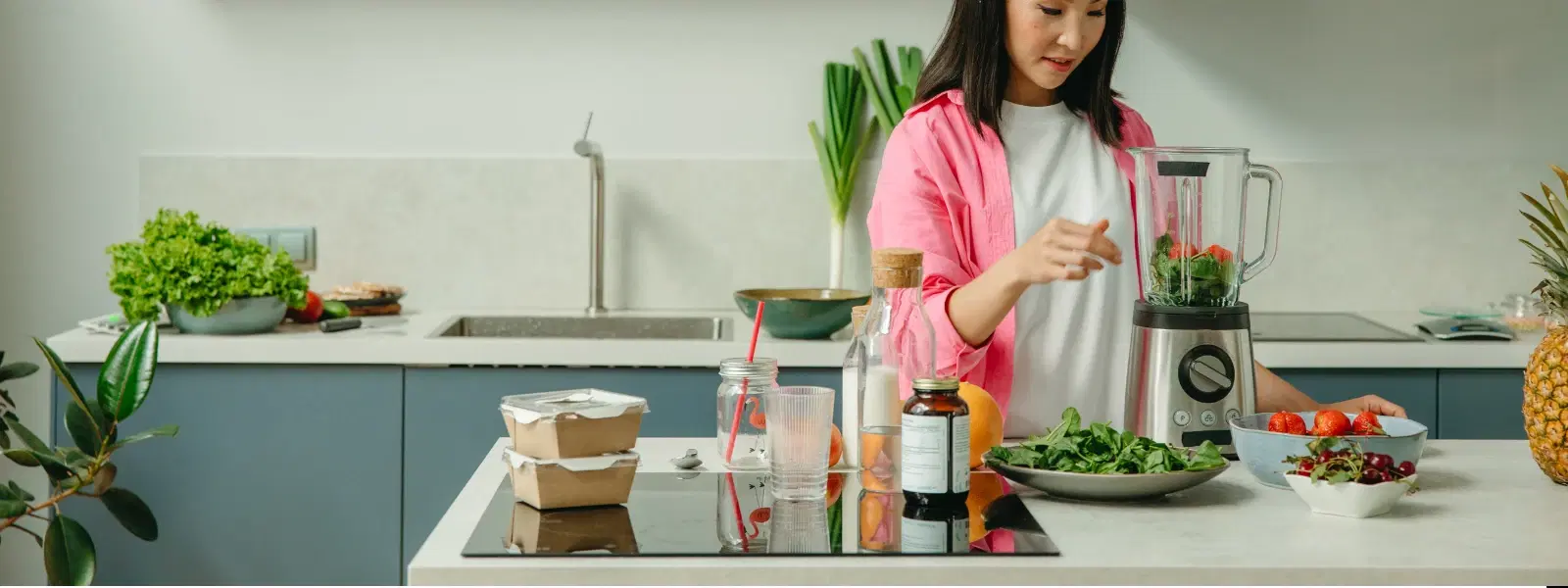
Have you ever wondered how to make your kitchen tasks faster and more fun? Using a blender can transform the way you prepare meals and drinks, saving you time and effort.
Whether you want to whip up a smooth smoothie, blend fresh sauces, or create creamy soups, mastering your blender is the key. In this guide, you’ll discover simple tips and tricks to get the most out of your blender, making your cooking experience easier and more enjoyable.
Ready to unlock the full power of your blender? Let’s dive in!
Credit: www.kitchenaid.com
Choosing The Right Blender
Choosing the right blender can make a huge difference in your kitchen experience. It’s not just about throwing ingredients together; the blender you pick affects the texture, taste, and even the ease of cleaning afterward. Knowing what to look for saves you time, frustration, and money.
Types Of Blenders
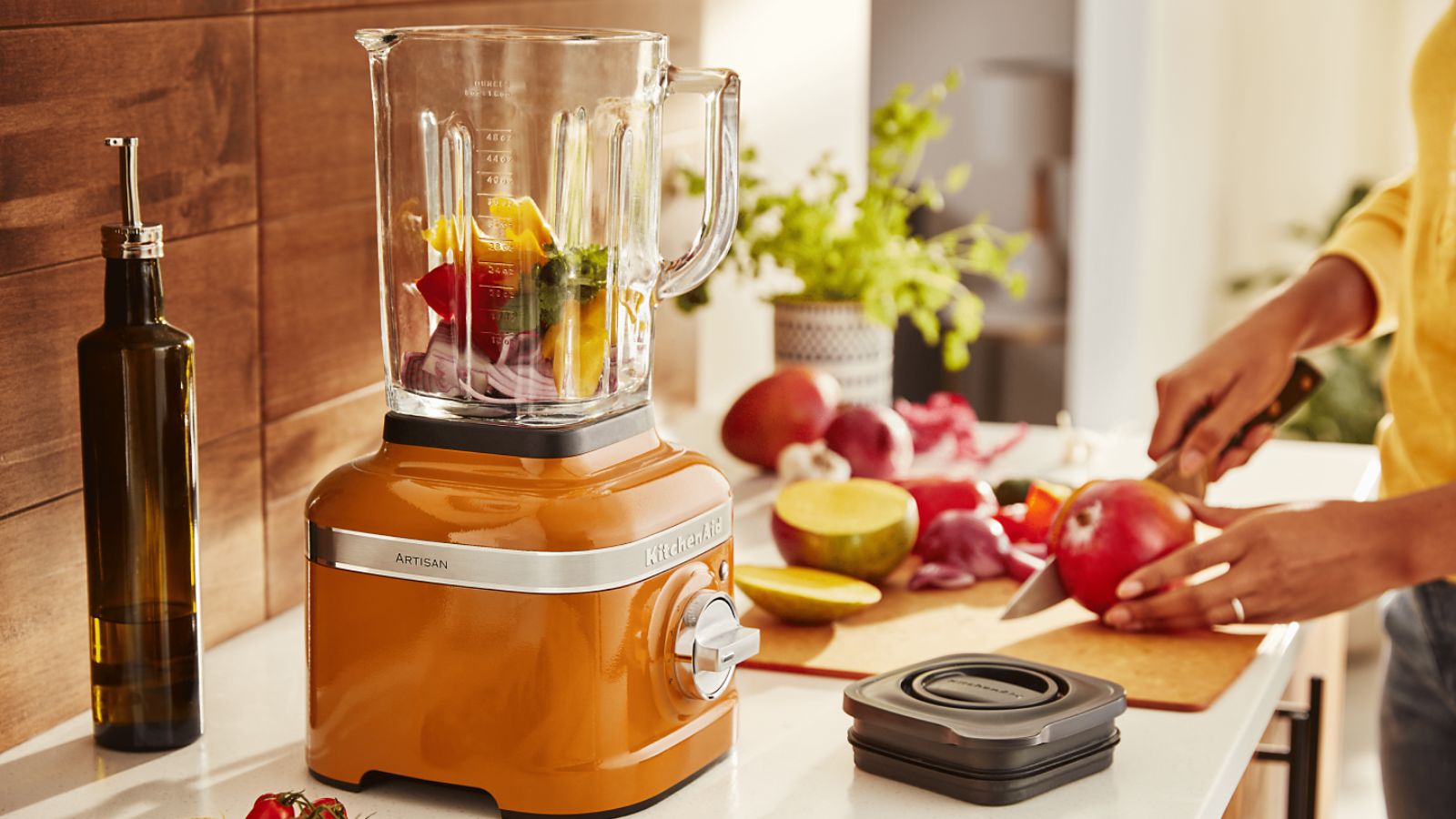
Blenders come in several types, each designed for different tasks. Countertop blenders are versatile and powerful, perfect for smoothies, soups, and crushing ice.
Personal or single-serve blenders are compact and great for quick shakes or small batches. Immersion blenders let you blend directly in pots or bowls, which is handy for sauces and purees. Consider what kind of recipes you’ll make most often to pick the right type.
Key Features To Consider
Look for motor power measured in watts; stronger motors handle tougher ingredients without overheating. Variable speed controls give you more precision, letting you blend gently or powerfully depending on the recipe.
Don’t overlook blade design—stainless steel blades stay sharp longer and handle more textures. Also, check the jar material: glass jars resist staining and odors better than plastic but are heavier. Easy-to-clean parts will save you time and keep your blender ready for the next use.
Budget And Brand Options
Setting a budget helps narrow down options quickly, but don’t let price alone dictate your choice. Some brands offer excellent durability and customer service, which can make a higher price worthwhile.
Brands like Ninja and Vitamix are known for power and reliability but come at a premium. On the other hand, brands like Hamilton Beach or Oster provide decent performance for everyday use at a lower cost. Think about how often you’ll use the blender and what features matter most to you before deciding.
Essential Blender Accessories
Blenders are versatile kitchen tools, but accessories enhance their use. Essential blender accessories improve functionality and convenience. Knowing these accessories helps you get better results. Choose the right parts for your blender model. They can make blending easier and faster.
Blades And Jars
Blades are key for blending performance. Different blades suit various tasks like crushing ice or pureeing. Sharp, durable blades last longer and blend smoothly.
Jars come in various sizes and materials. Glass jars resist stains and odors. Plastic jars are lightweight and less likely to break. Pick jars that match your cooking needs.
Additional Attachments
Attachments expand blender uses. Some include:
- Whisk attachments for whipping cream or eggs
- Chopper bowls for chopping vegetables or nuts
- Personal-sized cups for single servings
These tools add value and save kitchen space. They help prepare meals faster and with less effort.
Maintenance Tools
Keep your blender clean and safe with maintenance tools. A cleaning brush reaches tight spots. Silicone scrapers remove stuck food easily. Regular cleaning keeps blades sharp and jars clear. Proper maintenance extends blender life and keeps it working well.
Basic Blender Techniques
Mastering basic blender techniques can transform your kitchen experience. These simple skills help you create smooth sauces, chunky salsas, and perfectly blended smoothies with ease. Getting familiar with your blender’s functions lets you control texture and consistency exactly how you want.
Pulse Vs. Blend
Have you ever wondered why your salsa sometimes turns out too mushy? The pulse function gives you precise control by blending in short bursts. It’s perfect for chopping ingredients coarsely without over-processing.
On the other hand, the blend setting runs continuously for smooth results. Use it when making soups or creamy dressings. Think of pulse as your way to “test the waters” before committing to a fully blended texture.
Adjusting Speed Settings
Blenders usually offer multiple speed options, each suited for different tasks. Low speeds work well for mixing soft fruits or liquids gently. High speeds crush ice and harder ingredients quickly.
Start slow and increase speed gradually to avoid splattering or over-blending. Do you notice how starting at a low speed helps you achieve a consistent texture without lumps? Experiment with speed to find the perfect balance for your recipes.
Safe Blender Practices
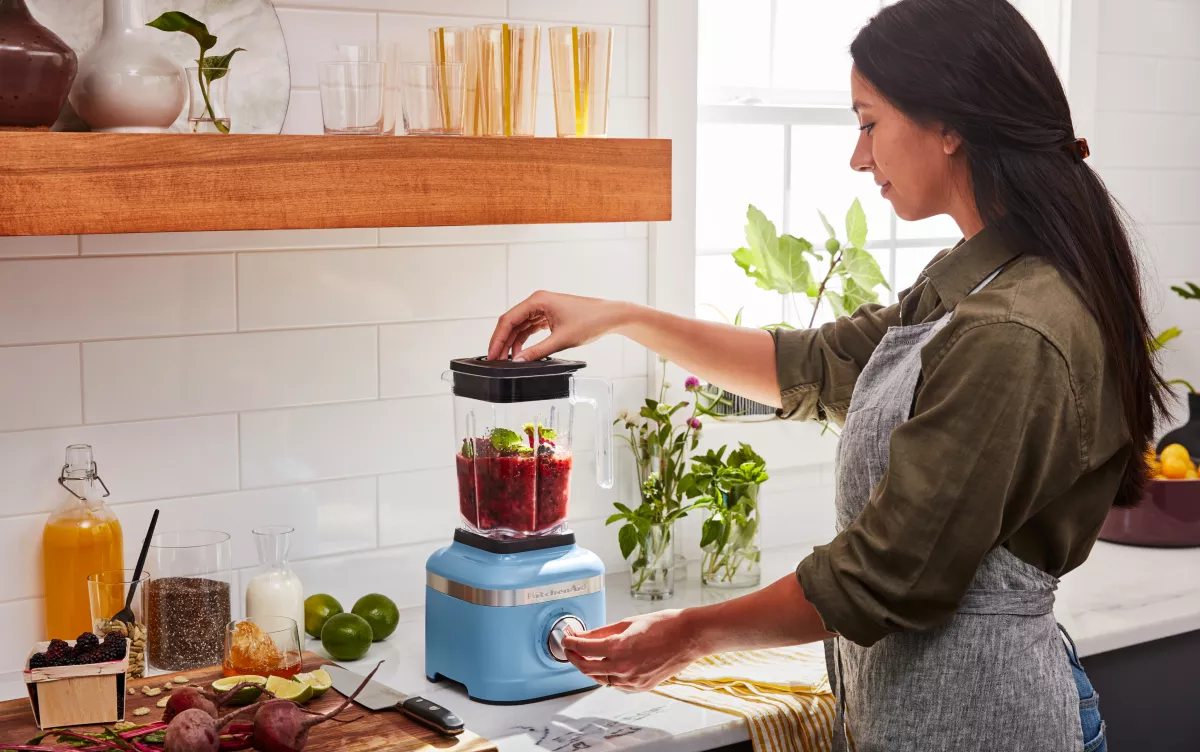
Safety matters every time you use your blender. Always ensure the lid is firmly in place before turning it on to prevent spills and accidents. Never put your hands or utensils inside while the blender is running.
Unplug the blender before cleaning or touching the blades. Sharp blades can cause serious cuts, so handle them carefully. Following these safety tips keeps your kitchen safe and your blender in good shape for years to come.
Credit: www.homesandgardens.com
Quick Breakfast Ideas
Quick breakfasts don’t have to be boring or unhealthy. Using your blender can save you precious time while creating delicious meals that energize your morning. Whether you want something drinkable, spoonable, or spreadable, your blender is a powerful tool for breakfast creativity.
Smoothies And Shakes
Smoothies and shakes are perfect for mornings when you’re on the go. Throw in fruits, yogurt, a handful of spinach, and a splash of milk or juice to make a nutrient-packed drink in seconds.
Try adding protein powder or oats to keep you full longer. Have you ever experimented with adding spices like cinnamon or ginger? They can completely change the flavor and provide extra health benefits.
Oatmeal And Batter Mixes
Your blender can quickly turn oats into fine flour for a smooth oatmeal texture or pancake batter. Blend oats with milk, eggs, and a bit of baking powder for a fast pancake mix without any lumps.
Whipping up batter in the blender also means less cleanup. Why not toss in fruits or nuts before cooking to add flavor and texture effortlessly?
Nut Butters And Spreads
Making nut butters at home is easier than you think with a powerful blender. Just roast your favorite nuts, add a pinch of salt, and blend until smooth.
Feel like experimenting? Mix in honey, cinnamon, or cocoa powder for unique spreads. Have you tried almond butter or cashew butter made fresh? The taste difference from store-bought is remarkable.
Simple Lunch And Dinner Recipes
Blenders are essential tools in any kitchen. They simplify meal preparation, especially for lunch and dinner. With a blender, you can create delicious meals effortlessly. Here are some simple recipes to make your meals tasty and quick.
Soups And Sauces
Blenders make smooth soups and sauces with ease. Try a creamy tomato soup. Blend cooked tomatoes, onions, and garlic. Add some basil and cream for flavor. For a quick sauce, blend roasted red peppers with olive oil and garlic. It's perfect for pasta or grilled meat.
Purees And Dips
Purees and dips are great for adding flavor to meals. Make a simple carrot puree. Blend boiled carrots with butter and a pinch of salt. This makes a tasty side dish. For a dip, blend avocados, lime juice, and cilantro. Serve with chips or veggies.
Salad Dressings
Homemade salad dressings are fresh and tasty. Blend olive oil, vinegar, and mustard for a basic vinaigrette. Add honey for sweetness. Or try a creamy dressing. Blend yogurt, lemon juice, and herbs. It's great on green salads or as a dip.
Healthy Snacks And Desserts
Blenders are perfect for making healthy snacks and desserts quickly. They help mix ingredients smoothly, saving time and effort. Using a blender, you can create tasty treats that nourish your body without extra sugar or fat. These snacks keep you full and energized throughout the day.
Energy Balls And Bars
Energy balls and bars are easy to prepare in a blender. Combine nuts, seeds, dates, and oats for a nutritious mix. Blend until the mixture sticks together. Roll into small balls or press into a pan for bars. Chill in the fridge to set. These snacks are great for on-the-go energy boosts.
Frozen Treats
Frozen treats made in a blender are healthy and refreshing. Use frozen fruits like berries, bananas, or mangoes. Blend with yogurt or plant-based milk for creaminess. Pour into molds or cups and freeze. These treats satisfy sweet cravings with natural ingredients and no added sugars.
Fruit And Nut Blends
Fruit and nut blends make excellent snack options. Blend dried fruits like apricots or raisins with nuts and a touch of cinnamon. This mix can be eaten as is or spread on toast. It provides fiber, healthy fats, and natural sweetness. Perfect for a quick and wholesome snack.
Cleaning And Maintaining Your Blender
Keeping your blender clean and well-maintained is key to its performance and longevity. Neglecting this can lead to unpleasant smells, clogged blades, or even motor damage. Let’s dive into simple ways you can keep your blender in top shape, so it’s always ready for your next kitchen creation.
Quick Cleaning Tips
After each use, rinse your blender jar immediately to prevent food from drying on the sides. Add warm water with a drop of dish soap, then run the blender for 30 seconds—this helps dislodge leftover bits quickly.
For the lid and blades, wipe them down carefully with a sponge or cloth. Avoid submerging the base in water; instead, use a damp cloth to clean it. This quick routine keeps your blender fresh without much hassle.
Deep Cleaning Methods
Every few weeks, your blender needs a thorough clean to remove stubborn stains and odors. Fill the jar halfway with warm water and add two tablespoons of baking soda or white vinegar. Let it sit for 15 minutes, then blend on high for 1 minute before rinsing well.
Don’t forget to disassemble parts like the blade assembly and gasket. Soaking these in warm, soapy water for 10-15 minutes and scrubbing gently can prevent buildup that affects performance. Dry all parts completely before reassembling to avoid mold or rust.
Troubleshooting Common Issues
Is your blender leaking? Check if the gasket (the rubber ring around the blade base) is damaged or misplaced. Replacing or repositioning it often stops leaks immediately.
If the blender won’t start, ensure it’s properly assembled and the jar is locked in place. Overheating can also cause it to shut off—give it a rest for 15 minutes before trying again.
Blades feeling dull? They can be sharpened carefully with a small file or replaced if needed. A sharp blade makes blending smoother and safer.

Credit: www.yahoo.com
Frequently Asked Questions
What Are The Basic Uses Of A Blender In The Kitchen?
A blender mixes, purees, and emulsifies ingredients quickly. It's great for smoothies, soups, sauces, and dressings. It saves time and ensures smooth textures.
How Do I Safely Operate A Kitchen Blender?
Always secure the lid before blending. Start at low speed, then increase gradually. Never put hands inside while running. Unplug before cleaning or removing parts.
Can A Blender Handle Hot Ingredients?
Yes, many blenders can blend hot liquids. Use caution and avoid overfilling. Allow steam to escape by slightly loosening the lid.
How To Clean A Blender Effectively After Use?
Rinse immediately after use. Blend warm water with a drop of dish soap for 30 seconds. Rinse thoroughly and air dry.
Conclusion
Using a blender in the kitchen makes cooking easier and faster. You can create soups, sauces, smoothies, and more with it. Just follow safety tips and clean it well after use. Practice blending different ingredients to see what works best.
A blender saves time and helps prepare healthy meals. It is a useful tool for any home cook. Try simple recipes first, then explore new ideas as you gain confidence. Enjoy the process and have fun experimenting in your kitchen!