

Imagine making your favorite smoothies, sauces, and soups in minutes, right in your own kitchen. Using a blender can save you time and bring new flavors to your meals.
But if you’re not sure how to use it properly, you might miss out on its full potential. This guide will show you simple steps to master your blender, so you can create delicious and healthy dishes with ease. Ready to transform your cooking?
Keep reading to discover tips that will make your blender your kitchen’s best friend.
.jpg)
Credit: www.wired.com
Choosing The Right Blender
Choosing the right blender can make a big difference in your kitchen experience. It’s not just about buying the most expensive one but finding a blender that fits your cooking style, space, and needs. Understanding the types, power, and features can guide you to a blender that works best for you.
Types Of Blenders
There are several types of blenders, each designed for different tasks. Countertop blenders are versatile and handle everything from smoothies to soups. Personal blenders are compact, perfect for quick shakes or small batches.
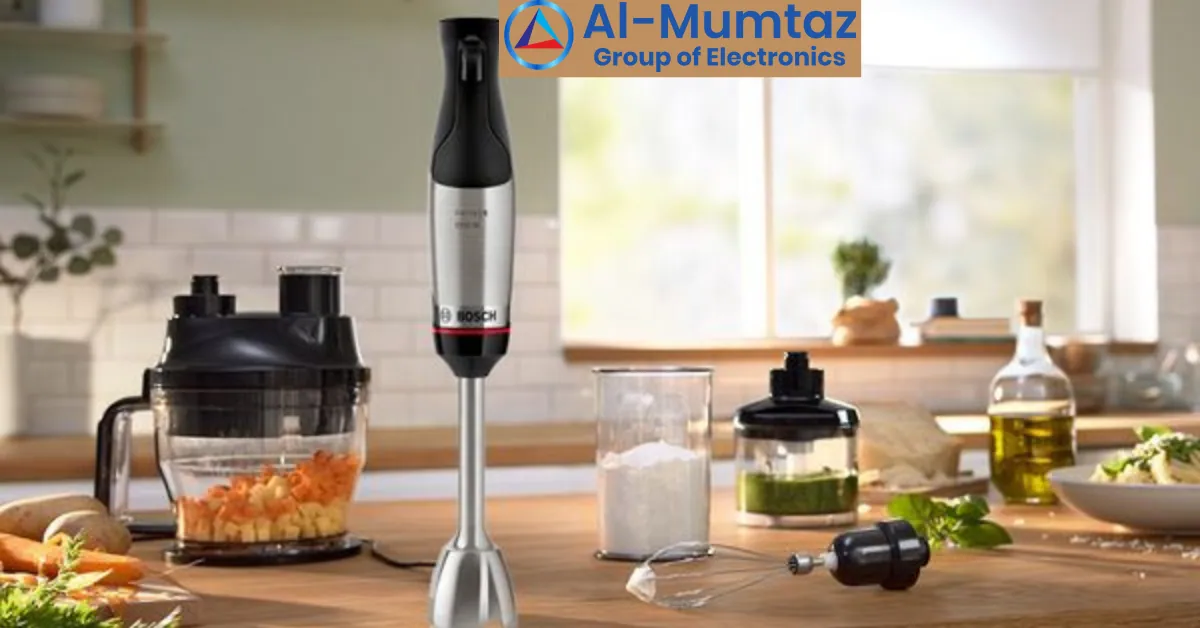
Immersion blenders are handheld and great for blending directly in pots or bowls. Consider what you blend most often to pick the style that suits your routine. Have you noticed which tasks you do repeatedly that could be easier with the right blender type?
Power And Capacity
Power, measured in watts, affects how well a blender handles tough ingredients. For crushing ice or blending nuts, 600 watts or more is ideal. If you mostly blend soft fruits or make sauces, a lower wattage might be enough.
Capacity also matters. A large pitcher (around 64 ounces) is good for families or batch cooking. Smaller jars (20-32 ounces) work better if you usually make single servings. Think about how much you blend at once to avoid wasting space or struggling with too small containers.
Essential Features
Look for features that add convenience and improve results. Variable speed controls let you adjust blending power for different ingredients. Pulse function is handy for quick bursts of power without overprocessing.
Dishwasher-safe parts save time on cleanup, while a sturdy base prevents slipping during use. Some blenders come with pre-programmed settings for smoothies, soups, or ice crushing—these can be helpful if you want consistent results without guesswork.
What feature would make your daily blending easier or more enjoyable? Identifying this can narrow your options quickly.
Preparing Ingredients For Blending
Preparing ingredients for blending is an important step to get smooth and tasty results. Proper preparation helps the blender work better and saves time. It also makes the texture more even and avoids overloading the blender.
Chopping And Prepping
Cut ingredients into small, even pieces before blending. Large chunks can damage the blender blades or cause uneven blending. Remove any seeds, pits, or tough skins that can affect texture and taste. Soft fruits and vegetables need less chopping, while hard ones like carrots need smaller pieces.
Using Fresh Vs Frozen
Fresh ingredients offer a natural flavor and texture. Frozen fruits and vegetables are convenient and last longer. Frozen items should be slightly thawed to avoid extra water in the blend. Both fresh and frozen can work well, depending on the recipe and blender power.
Portion Sizes
Keep portions moderate to avoid overloading the blender. Overfilling can cause spills or uneven blending. Use the blender’s recommended capacity as a guide. Blend in batches if needed. Balanced portions help achieve smooth and consistent results every time.
Blending Techniques For Different Meals
Blenders help create smooth soups, creamy sauces, and fresh smoothies quickly. Adjust speed and blending time for different meal textures. Using the right technique makes cooking easier and meals tastier.
Blending can transform your kitchen experiences by adding a touch of creativity to your meals. Whether you're crafting a refreshing smoothie, a heartwarming soup, or a creamy dip, mastering blending techniques can elevate your culinary skills. Let's explore how you can use your blender to create delightful dishes with ease.
Smoothies And Drinks
Creating smoothies is an art, and your blender is the brush. Start with a base of your favorite liquid such as almond milk or orange juice. Add fruits like bananas and berries for sweetness and texture. Throw in a handful of greens like spinach for a nutritional boost. For a thicker consistency, include yogurt or a scoop of protein powder. Always blend in stages, starting with low speed and gradually increasing to high for a smooth finish. Adjust the sweetness with honey or agave syrup if needed.
Soups And Sauces
Blenders can turn simple ingredients into rich, velvety soups and sauces. Start by cooking your base ingredients like tomatoes, onions, or pumpkins until soft. Once cooled slightly, transfer them to the blender, adding broth or cream for the desired consistency. Blend until smooth, and season with herbs and spices. For sauces, try blending roasted red peppers with garlic and olive oil for a robust flavor.
Dips And Spreads
Making dips and spreads is a breeze with a blender. Combine ingredients like chickpeas, tahini, and lemon juice for a classic hummus. For a creamy avocado dip, blend ripe avocados with lime, cilantro, and a pinch of salt. Experiment with different nuts and spices to create unique spreads. Blending in short bursts can give you a textured finish, perfect for pairing with crunchy vegetables or bread. Using these techniques, what new dishes will you create in your kitchen? Your blender is more than just an appliance—it's your partner in culinary exploration.
Credit: www.almumtaz.com.pk
Cleaning And Maintaining Your Blender
Keeping your blender clean and well-maintained helps it last longer. It also keeps your food fresh and tasty. Regular cleaning stops bad smells and bacteria build-up. Proper care protects the blades and motor from damage. Below are simple ways to clean and care for your blender.
Quick Cleaning Tips
- Fill the blender jar halfway with warm water.
- Add a drop of dish soap.
- Run the blender for 30 seconds.
- Rinse the jar with clean water.
- Dry the jar and lid with a soft cloth.
This quick cleaning works well after making smoothies or juices.
Deep Cleaning Methods
- Disassemble the blender jar, lid, and blade assembly.
- Soak parts in warm soapy water for 15 minutes.
- Use a brush to clean hard-to-reach areas.
- Rinse all parts thoroughly with warm water.
- Let the parts air dry on a clean towel.
- Wipe the blender base with a damp cloth only.
Deep cleaning is best after blending sticky or oily foods.
Blade Care
- Check blades regularly for dullness or damage.
- Handle blades carefully to avoid cuts.
- Do not soak blades for too long to prevent rust.
- Sharpen blades using a blade sharpener if needed.
- Replace blades if they become bent or dull.
Proper blade care ensures efficient blending and safety.
Creative Recipes To Try
Blenders are perfect for creating tasty and simple recipes. They save time and help mix ingredients smoothly. Using a blender in the kitchen allows you to try new dishes and add variety to your meals. Here are some creative ideas to start with.
Breakfast Ideas
- Smoothies with fruits, yogurt, and spinach for a quick start.
- Pancake batter blended in seconds for fluffy results.
- Oatmeal blended with milk and berries for a creamy texture.
- Whipped coffee made by blending instant coffee, sugar, and water.
Healthy Snacks
- Hummus from blended chickpeas, tahini, and lemon juice.
- Nut butters like peanut or almond made fresh at home.
- Energy balls combining dates, nuts, and cocoa powder.
- Fresh salsa with tomatoes, onions, and herbs blended finely.
Dinner Enhancements
- Soups pureed to creamy perfection, such as tomato or pumpkin.
- Sauces blended smoothly for pasta or grilled dishes.
- Marinades mixed quickly with herbs, oil, and spices.
- Homemade salad dressings from blended oils, vinegar, and mustard.

Credit: www.yahoo.com
Frequently Asked Questions
What Are The Main Uses Of A Blender In The Kitchen?
A blender is versatile for making smoothies, sauces, soups, and dressings. It helps in pureeing, chopping, and mixing ingredients quickly and efficiently. Using a blender saves preparation time and enhances texture and flavor in recipes.
How Do I Choose The Right Blender For Kitchen Use?
Consider power, capacity, and speed settings when choosing a blender. High wattage ensures better performance for tough ingredients. A larger jar suits families, while variable speeds offer control for diverse recipes.
Can A Blender Replace Other Kitchen Appliances?
A blender can replace several appliances like food processors and mixers for certain tasks. It handles chopping, pureeing, and blending well but may not fully substitute devices for kneading or slicing.
How Do I Properly Clean And Maintain My Blender?
Clean your blender immediately after use with warm soapy water. Remove and wash the blades carefully. Regularly check seals and motor base for damage to ensure longevity and safe operation.
Conclusion
Blenders make kitchen tasks quick and easy. They help chop, mix, and blend ingredients fast. Using a blender saves time and effort daily. Simple recipes become tastier with smooth textures. Clean your blender right after use for best results. Try new recipes by experimenting with your blender.
Cooking feels less hard with this handy tool. Enjoy healthy meals made fresh at home. Keep your blender close for easy meal prep.