
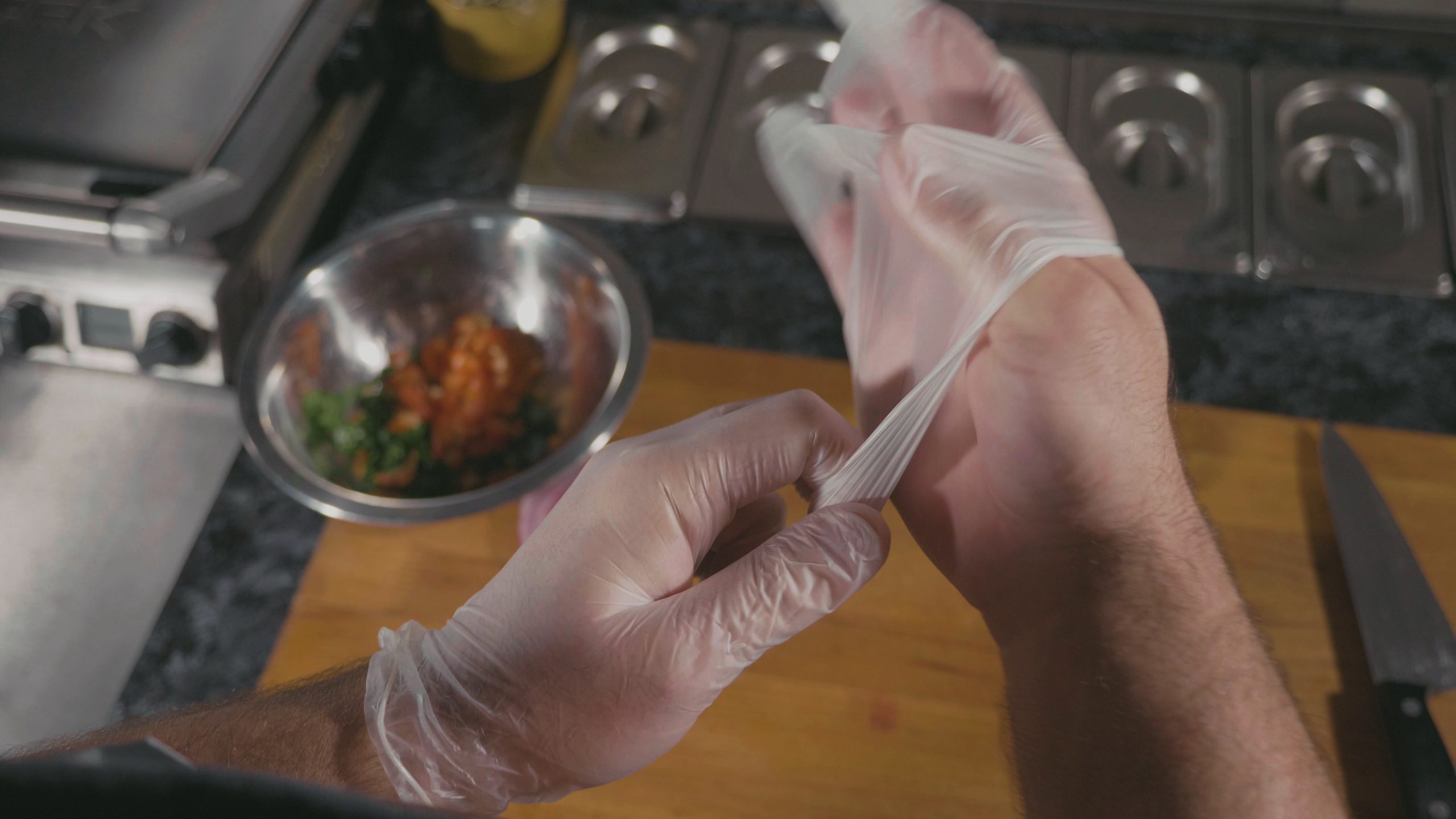
Are you using gloves in your kitchen the right way? Gloves might seem like a small detail, but they can make a big difference in keeping your food safe and your hands clean.
Whether you’re cooking for your family or preparing meals for others, knowing how to use gloves correctly can protect you from germs and prevent cross-contamination. You’ll discover simple tips and easy steps to make gloves a powerful tool in your kitchen routine.
Keep reading, and you’ll never look at kitchen gloves the same way again.
Choosing The Right Gloves
Choosing the right gloves for your kitchen tasks can make a big difference in safety and comfort. Not all gloves are created equal, and selecting the right type depends on what you’ll be doing. Let’s break down the key factors that should guide your choice.
Material Types
Gloves come in various materials, each suited for specific kitchen needs. Latex gloves offer excellent flexibility and sensitivity, making them ideal for delicate tasks like handling fish or peeling fruits.
Nitrile gloves are great if you need chemical resistance or have a latex allergy. They are also more puncture-resistant, which is handy when working with sharp knives.
Vinyl gloves are more affordable and suitable for light tasks but don’t provide the same durability or protection as latex or nitrile. Think about what you’ll be doing and pick a material that fits the job well.
Sizing And Fit
Wearing gloves that fit well is crucial for both safety and ease of movement. Gloves that are too tight can tear easily and restrict your hand movements. Loose gloves can slip off or reduce your grip, increasing the chance of accidents.
Try different sizes before buying, and remember your dominant hand might be slightly larger. A snug fit will help you handle tools and ingredients confidently without fumbling.
Disposable Vs Reusable
Disposable gloves are perfect for quick tasks where hygiene is a priority, like handling raw meat or cleaning. You can use a fresh pair every time, reducing cross-contamination risks.
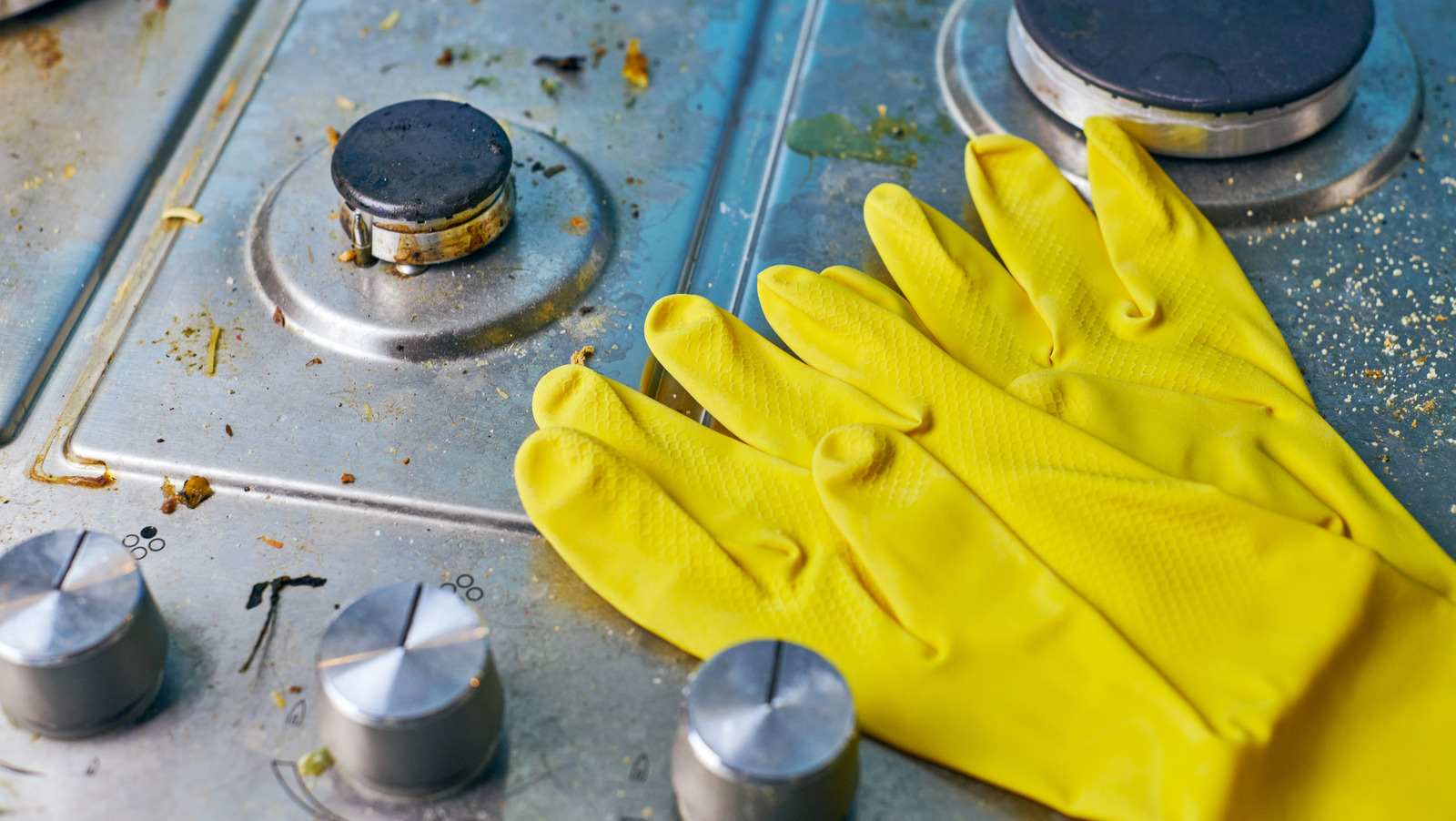
Reusable gloves, often made from thicker materials like rubber, are better for heavy-duty tasks such as washing dishes or scrubbing pots. They last longer but need proper cleaning and drying after use.
Ask yourself how often you cook and what tasks you do most. This will help you decide which type suits your kitchen routine best.
Credit: www.performancefoodservice.com
When To Wear Gloves
Knowing when to wear gloves in the kitchen helps keep food safe and clean. Gloves protect both the cook and the food from germs and dirt. Using gloves at the right moments reduces the risk of foodborne illness and makes cooking more hygienic.
Handling Raw Ingredients
Wear gloves when touching raw meat, poultry, or seafood. These foods carry bacteria that can spread easily. Gloves stop germs from moving to your hands and other foods.
Change gloves after handling raw ingredients. This prevents germs from spreading to cooked or ready-to-eat foods.
Preventing Cross-contamination
Cross-contamination spreads harmful bacteria between foods. Gloves create a barrier and reduce this risk. Use gloves when switching between different food tasks.
Always change gloves before touching clean surfaces or utensils. This keeps the kitchen safe and clean.
Dealing With Allergens
Gloves help prevent allergen transfer from one food to another. Use gloves when handling foods with allergens like nuts or shellfish.
Change gloves after handling allergenic ingredients. This protects people with allergies and keeps food safe.
Proper Glove Usage
Gloves protect hands and keep food safe from germs. Change gloves often, especially after touching raw meat or cleaning. Always wash hands before and after using gloves in the kitchen.
Proper glove usage in the kitchen ensures hygiene and safety. Gloves protect food from contamination and your hands from harmful substances. Knowing how to use them correctly is vital for a clean cooking environment. Here are some key practices for proper glove usage.
Washing Hands Before And After
Always wash your hands before putting on gloves. This removes bacteria and dirt. After removing gloves, wash your hands again. This prevents any contamination that might have occurred during use.
Avoiding Touching Face Or Surfaces
While wearing gloves, avoid touching your face. This spreads germs from your face to the food. Do not touch surfaces or objects unnecessarily. This keeps the work area clean and prevents cross-contamination.
Changing Gloves Frequently
Change gloves often, especially between tasks. Use a new pair when moving from raw to cooked foods. This minimizes the risk of transferring harmful bacteria. Keep extra gloves accessible to make frequent changes easy.
Maintaining Hygiene With Gloves
Using gloves in the kitchen is a simple way to keep your hands clean and prevent germs from spreading to your food. But just wearing gloves isn’t enough to maintain hygiene. How you take them off, throw them away, and store them makes a big difference in keeping your kitchen safe.
Safe Glove Removal Techniques
Removing gloves without touching the outside is key to stopping contamination. Pinch the outside of one glove near your wrist and peel it away, turning it inside out as you go.
Hold the removed glove in your gloved hand, then slide your fingers under the wrist of the remaining glove and peel it off over the first glove. This way, you avoid touching the dirty surface with your bare skin.
Have you noticed how easy it is to accidentally touch your face or phone with contaminated gloves? Practicing this removal method helps break that habit and keeps germs where they belong.
Disposal Of Used Gloves
Throw gloves away immediately after use. Don’t leave them lying on countertops or toss them in regular trash bins without a liner.
If you’re handling raw meat or other high-risk foods, use a dedicated bin with a lid. This prevents cross-contamination and keeps pests away.
Think about how often gloves get forgotten after use—can you spot areas where a disposal station could make it easier for you to toss gloves right away?
Storing Gloves Correctly
Store gloves in a cool, dry place away from direct sunlight. Heat and moisture can weaken the glove material and cause tears.
Keep gloves in their original box or a sealed container to protect them from dust and dirt. This simple step ensures every pair is ready to use when you need it.
Have you checked your glove storage recently? A quick glance can save you from using damaged gloves that might put your hygiene at risk.
Common Mistakes To Avoid
Using gloves in the kitchen helps keep food safe and hands clean. Many people make mistakes that reduce glove effectiveness. Avoid these common errors to keep hygiene high and prevent contamination.
Using Gloves As A Substitute For Handwashing
Gloves do not replace handwashing. Hands must be washed before putting on gloves. Dirty hands can transfer germs to gloves. Always wash hands with soap and water first. Gloves only protect if hands are clean.
Wearing Gloves For Too Long
Wearing the same gloves for a long time spreads germs. Change gloves often, especially after touching different foods. Gloves get torn and dirty quickly in the kitchen. Fresh gloves keep food safe and hands clean.
Reusing Disposable Gloves
Disposable gloves are for one-time use only. Reusing them spreads bacteria and dirt. Always throw away gloves after use. Use a new pair for each task or food type. This stops cross-contamination and keeps food safe.

Credit: totalfood.com
Glove Alternatives In The Kitchen
Gloves are common in kitchens for hygiene and safety. Yet, some cooks prefer other options. These alternatives keep hands clean and food safe without gloves. They offer flexibility and comfort in busy kitchens. Understanding these choices helps maintain good kitchen practices.
Using Utensils
Using utensils reduces direct contact with food. Tools like tongs, spoons, and spatulas keep hands away from raw ingredients. They help avoid cross-contamination between foods. Utensils also protect hands from heat and sharp items. Always clean utensils thoroughly after use.
Hand Sanitizers
Hand sanitizers kill germs quickly without water. They work best on clean, dry hands. Choose sanitizers with at least 60% alcohol for effectiveness. Use sanitizer before and after handling food. Avoid overusing sanitizers, as they can dry out skin.
Frequent Handwashing
Washing hands often is vital in kitchens. Use warm water and soap for at least 20 seconds. Clean under nails and between fingers. Wash hands before cooking, after touching raw food, and after breaks. Dry hands with a clean towel or air dryer to prevent bacteria.
Credit: www.chowhound.com
Frequently Asked Questions
Why Should I Wear Gloves In The Kitchen?
Wearing gloves in the kitchen helps prevent cross-contamination. They protect food from germs and keep your hands clean. Gloves also reduce the risk of foodborne illnesses by creating a sanitary barrier between your skin and food.
What Types Of Gloves Are Best For Kitchen Use?
Nitrile and latex gloves are best for kitchen use. Nitrile gloves are durable and chemical-resistant. Latex gloves offer good flexibility but may cause allergies. Choose disposable, food-safe gloves to ensure hygiene and safety while cooking.
How Often Should I Change Gloves While Cooking?
Change gloves after handling raw meat, seafood, or poultry. Also, switch gloves when touching different food types or surfaces. Frequent glove changes prevent cross-contamination and maintain food safety in the kitchen.
Can Gloves Protect Against Kitchen Cuts And Burns?
Gloves offer limited protection against cuts and burns. They mainly protect against germs, not injuries. Use proper kitchen tools and safety practices to avoid cuts and burns while cooking.
Conclusion
Wearing gloves in the kitchen keeps hands clean and food safe. It stops germs from spreading to meals. Choose gloves that fit well and change them often. Always wash hands before putting on gloves. Gloves protect both you and your family from illness.
Remember, gloves are a helpful tool, not a full solution. Keep your kitchen healthy by using gloves the right way. Small steps make a big difference in food safety. Stay safe and enjoy cooking every day.