

If you’ve just got a Kitchen Aid food processor or are thinking about using one, you might wonder how to get the most out of it. This handy kitchen tool can save you so much time and effort, turning tough chopping, slicing, and mixing into quick, easy tasks.
But if you’re not sure where to start, it can feel a bit overwhelming. Don’t worry—you’re about to discover simple steps and tips that will help you use your Kitchen Aid food processor like a pro. By the end of this article, you’ll be confident, efficient, and ready to create delicious meals faster than ever.
Keep reading to unlock the full potential of your food processor!

Credit: www.bbcgoodfood.com
Getting Started With Your Food Processor
Getting started with your KitchenAid food processor is the first step toward saving time and effort in your kitchen. Understanding how to properly set up and use the appliance ensures you get the best results while keeping safety in mind. Let’s walk through the initial steps to make your experience smooth and enjoyable.
Unboxing And Checking Components
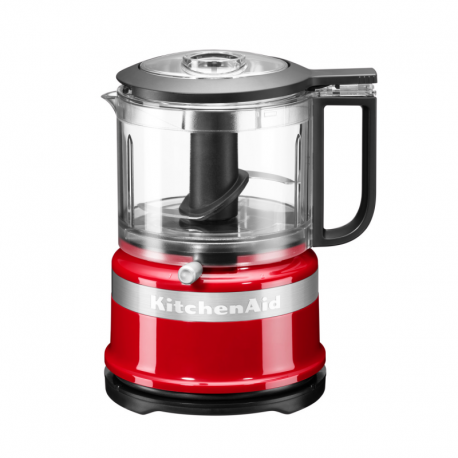
When you open your KitchenAid food processor box, take a moment to carefully unpack all the parts. Usually, you’ll find the main motor base, the work bowl, a lid with a feed chute, and various blades or discs.
Check each item for any damage or missing pieces. Having all components ready before you start prevents interruptions later. If any part is missing, contact customer support before proceeding.
Setting Up Safely
Place the motor base on a clean, flat surface to keep it stable during use. Avoid positioning it near water or the edge of your countertop to reduce the risk of accidents.
Attach the work bowl securely to the motor base until it locks in place. Then, insert the blade or disc you need for your recipe, making sure it fits snugly.
Always lock the lid before turning the processor on. KitchenAid models typically won’t operate unless everything is properly assembled, but double-checking adds an extra layer of safety.
Understanding The Controls
Your KitchenAid food processor usually features simple, intuitive controls like On, Off, and Pulse buttons. The Pulse function is especially useful for chopping ingredients in short bursts to prevent over-processing.
Spend a few minutes experimenting with these buttons using soft ingredients like herbs or cheese. You’ll quickly get a feel for how the machine responds.
Ask yourself: How finely do you want your ingredients? Mastering the controls means you can tailor the texture from coarse to smooth with precision.
Credit: kitchen.eu
Basic Functions To Master
Mastering the basic functions of your Kitchen Aid Food Processor can transform your cooking experience. These core skills let you handle a variety of ingredients quickly and precisely. Once you get comfortable with them, you’ll save time and enjoy more consistent results in your meals.
Chopping And Slicing
Chopping and slicing with your Kitchen Aid Food Processor is straightforward but requires attention to detail. Use the chopping blade for vegetables like onions, peppers, or nuts to get an even texture without turning them into mush.
The slicing disc is perfect for cutting cucumbers, carrots, or potatoes into uniform slices. Adjust the thickness setting to match your recipe’s needs. Have you noticed how slicing vegetables evenly improves cooking time and presentation?
Shredding And Grating
Shredding and grating are ideal for cheese, cabbage, or carrots. The shredding disc creates perfect strands for salads and toppings, while the grating disc works well for harder items like Parmesan or nuts.
Don’t overload the bowl; feed ingredients steadily to avoid uneven shredding. Quick tip: softer cheeses shred best when slightly chilled to prevent clumping.
Mixing And Pureeing
The mixing blade is your go-to for blending dough, batters, or even combining ingredients for dips and spreads. It gently folds without overworking the mixture.
Pureeing transforms cooked vegetables or fruits into smooth soups and sauces. Pulse in short bursts to control texture. Have you tried making your own hummus or baby food using this function? It’s surprisingly simple and fresh.
Using Attachments And Accessories
Using attachments and accessories with your KitchenAid food processor can transform simple chopping into a versatile cooking experience. Each accessory is designed to tackle specific tasks, making your food prep faster and more precise. Understanding how to use them properly ensures you get the best results every time.
Choosing The Right Blade
The blade you select depends on what you want to prepare. The standard S-shaped blade is perfect for chopping, slicing, and pureeing vegetables and fruits quickly.
For shredding or slicing, use the reversible shredding disc or slicing disc. These attachments allow you to switch between thin or thick slices without changing discs.
Ask yourself: Are you preparing dough, vegetables, or nuts? Picking the right blade saves time and keeps your food’s texture just right.
Using The Dough Blade
The dough blade is different from the sharp blades; it’s designed to mix and knead dough gently without cutting through it. This prevents overworking your dough, which can affect its rise and texture.
Attach the dough blade when making bread, pizza, or pastry dough. You’ll notice the dough comes together smoothly and evenly with minimal effort.
Have you tried kneading dough by hand? Using this blade feels like having a skilled assistant that never tires.
Attaching The Feed Tube
The feed tube is essential for safely adding ingredients while the processor is running. It fits securely onto the lid and guides food straight to the blade or disc.
Make sure the feed tube is locked in place before you start. This prevents accidents and keeps your hands away from moving parts.
Think about how much easier grating cheese or slicing cucumbers is when you can simply drop them into the feed tube rather than chopping by hand.
Tips For Efficient Food Processing
Use the Kitchen Aid food processor by choosing the right blade for your task. Pulse ingredients to avoid over-processing and clean parts immediately after use. This keeps food fresh and the machine working well.
Efficient food processing can transform your kitchen experience, making meal prep faster and more enjoyable. A KitchenAid food processor is a powerful tool, but knowing the right techniques can enhance its effectiveness. Whether you're a seasoned chef or a home cook, mastering a few simple tips can save you time and effort. Let's dive into some practical advice to help you get the most out of your food processor.
Preparing Ingredients Properly
Proper preparation of ingredients is crucial for achieving the best results. Start by cutting large items into smaller, uniform pieces. This ensures even processing and prevents overworking the motor. Peeling fruits and vegetables beforehand can also improve texture and taste. Remember to remove pits and seeds, as these can damage the blades and affect the end product. Taking a few extra minutes to prep can significantly enhance your cooking experience.
Avoiding Overfilling
Overfilling your food processor can lead to uneven chopping and even damage the appliance. It's important to fill it only up to the recommended capacity. Typically, leaving about a third of the bowl empty allows for proper circulation. Consider processing in batches if you have a large quantity. This not only ensures even results but also prolongs the life of your food processor. Are you making sure not to overload your equipment?
Pulse Vs Continuous Operation
Understanding when to use pulse versus continuous operation can make a big difference. Pulse is ideal for tasks requiring precision, like chopping nuts or making salsa. It gives you more control over the texture. Continuous operation works best for creating smooth mixtures, such as hummus or dough. Experiment with both settings to see what works best for different ingredients. Have you tried using pulse mode for those tricky recipes?
Cleaning And Maintenance
Keeping your Kitchen Aid Food Processor clean and well-maintained ensures it works efficiently and lasts longer. Regular cleaning removes food particles and prevents odors. Proper maintenance protects the motor and blades from damage. Follow these simple steps to care for your appliance.
Disassembling For Cleaning
Start by unplugging the food processor. Remove the lid and bowl carefully. Take out the blade or disc, holding it by the plastic edges. Avoid touching sharp parts directly. Separate all removable parts for thorough cleaning.
Safe Washing Practices
- Wash parts with warm, soapy water immediately after use.
- Use a soft cloth or sponge to avoid scratches.
- Do not immerse the motor base in water.
- Dry all components completely before reassembling.
- Check the blade for any stuck food and clean carefully.
- Dishwasher-safe parts can go on the top rack only.
Storage Tips
Store the food processor with all parts dry. Keep blades covered or in a safe place to avoid cuts. Assemble the bowl and lid loosely to prevent dust buildup. Place the unit in a cool, dry cabinet away from moisture and heat. Regular checks help spot wear or damage early.
Credit: www.youtube.com
Troubleshooting Common Issues
Facing problems with your Kitchen Aid Food Processor can disrupt your cooking routine. Troubleshooting common issues helps fix problems quickly. It saves time and avoids frustration. Below are solutions for frequent problems users face.
Processor Not Starting
Check if the food processor is properly plugged into a working outlet. The safety lock must be engaged for the machine to start. Ensure the bowl and lid are aligned and locked correctly. If the motor still does not start, examine the power cord for damage. Reset the circuit breaker if needed. If none of these works, contact customer support.
Uneven Chopping
Uneven chopping often happens when the bowl is overloaded. Avoid filling it beyond the maximum capacity line. Use the pulse button for better control over chopping consistency. Make sure the blade is sharp and correctly positioned. Stuck or dull blades can cause uneven cuts. Clean the blade and bowl thoroughly after each use to prevent build-up.
Unusual Noises
Strange noises may indicate that something is stuck under the blade. Stop the machine immediately and unplug it. Remove the bowl and check for hard or large pieces blocking the blade. Inspect the blade for any signs of damage or bending. Tighten any loose parts and reassemble carefully. Persistent noise might mean a motor issue, requiring professional help.
Creative Recipes To Try
Trying new recipes with your KitchenAid Food Processor can transform everyday meals into exciting experiences. This versatile tool makes it easy to whip up delicious dishes that impress both family and friends. Here are some creative recipes to get you started and inspire your culinary adventures.
Homemade Pesto
Making pesto at home is simple and fresh. Toss fresh basil, garlic, pine nuts, Parmesan cheese, and olive oil into your food processor. Within seconds, you’ll have a vibrant sauce perfect for pasta, sandwiches, or as a dip.
Have you ever noticed how store-bought pesto lacks that bright, fresh flavor? Using your KitchenAid, you control the ingredients and texture, customizing it just the way you like. Try swapping pine nuts for walnuts or adding a handful of spinach for a unique twist.
Fresh Salsa
Your KitchenAid Food Processor can chop vegetables evenly and quickly, making fresh salsa a breeze. Combine ripe tomatoes, onions, jalapeños, cilantro, lime juice, and a pinch of salt. Pulse until you reach your preferred chunkiness.
Salsa is more than just a dip. Why not use it as a topping for grilled chicken or fish? The freshness you get from making it yourself will surprise you and elevate your dishes instantly.
Nut Butters
Creating homemade nut butters with your food processor allows you to avoid added sugars and preservatives. Start with raw or roasted nuts like almonds, peanuts, or cashews. Blend them until smooth, adding a pinch of salt or a drizzle of honey if desired.
Have you ever tried spreading fresh almond butter on toast? The creamy texture and rich taste are incomparable to store brands. Plus, making it yourself means you can experiment with flavors like cinnamon or cocoa powder.
Frequently Asked Questions
How Do I Assemble A Kitchen Aid Food Processor?
To assemble, attach the bowl to the base securely. Insert the desired blade, then lock the lid. Ensure all parts click into place before use.
What Safety Tips Should I Follow Using Kitchen Aid Processor?
Always unplug before cleaning or blade changes. Keep hands away from blades during operation. Use the pusher tool to feed ingredients safely.
Can I Process Hot Food In Kitchen Aid Processor?
Avoid processing hot food directly to prevent damage. Let hot ingredients cool to room temperature before processing for safety and optimal results.
How Do I Clean My Kitchen Aid Food Processor?
Disassemble all removable parts. Wash with warm, soapy water or place them in the dishwasher. Wipe the base with a damp cloth only.
Conclusion
Using a Kitchen Aid Food Processor saves time and effort in the kitchen. It helps you chop, slice, and mix ingredients quickly. Cleaning is simple, so you can focus on cooking. Practice makes perfect—try different tasks to get comfortable. This tool suits many recipes and cooking styles.
Enjoy easy meal prep and fresh dishes every day. Give your kitchen a helpful boost with this device. You’ll find cooking more fun and less tiring.