

Are you looking for a quick and easy way to chop, blend, or puree your ingredients? Your Kitchen Aid Mini Food Processor can be the perfect helper in your kitchen.
It saves you time and effort, making meal prep faster and more enjoyable. In this guide, you’ll discover simple steps to use your Mini Food Processor like a pro. By the end, you’ll feel confident creating delicious dishes with less hassle.
Ready to unlock the full potential of your Kitchen Aid Mini Food Processor? Let’s dive in!
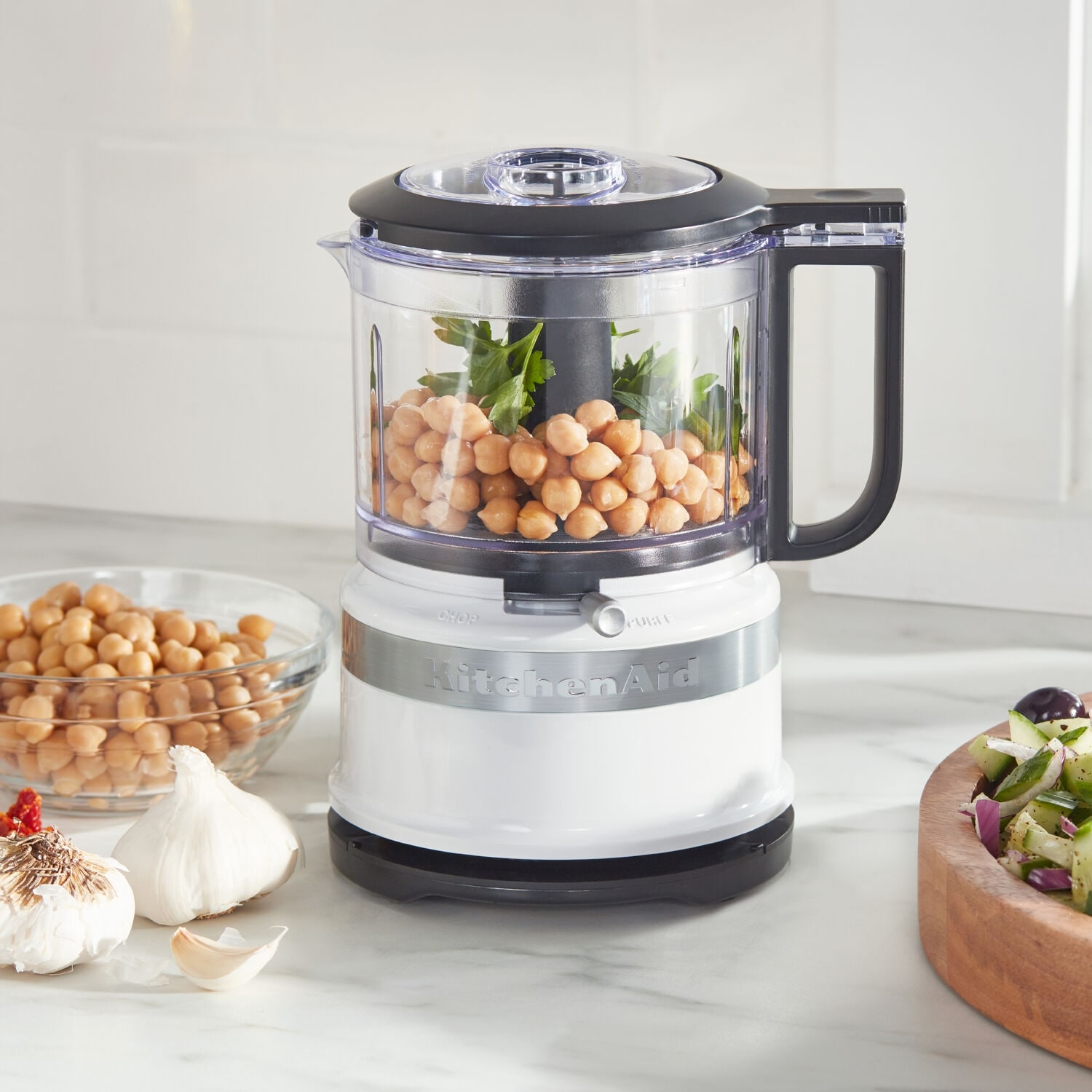
Credit: www.bedbathandbeyond.com
Getting To Know Your Kitchen Aid Mini
The Kitchen Aid Mini Food Processor is a handy tool for quick kitchen tasks. It saves time and space. This compact processor handles chopping, slicing, and mixing with ease. Understanding its features and parts helps you use it safely and efficiently.
Key Features
- Compact size fits small kitchens and tight spaces
- Powerful motor for fast processing
- Easy-to-use push-button controls
- Multiple speed options for different tasks
- Sharp blades for chopping, slicing, and pureeing
- Dishwasher-safe parts for easy cleaning
Parts And Accessories
- Base:Houses the motor and controls
- Bowl:Small container for food processing
- Lid:Secures the bowl and has a feed tube
- Blades:Interchangeable for chopping or slicing
- Spatula:Helps scrape food from the bowl
- Power Cord:Connects the processor to electricity
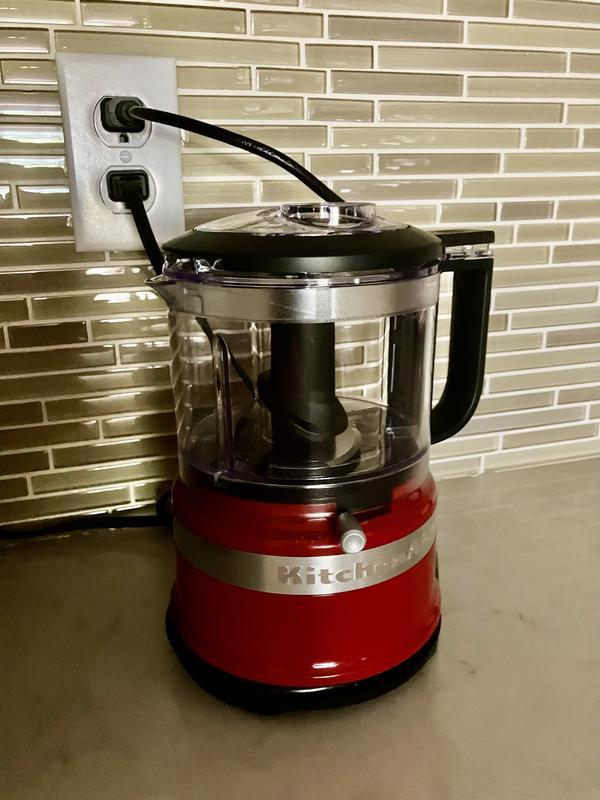
Credit: www.kitchenaid.com
Setting Up For First Use
Setting up the Kitchen Aid Mini Food Processor for first use is simple. Proper setup ensures safe and efficient operation. Follow these steps carefully to prepare your processor.
Assembling The Processor
Start by placing the base on a flat surface. Attach the bowl securely to the base. Insert the blade carefully into the bowl, aligning it with the center. Place the lid on top, making sure it locks into place. Check that all parts fit tightly. Plug the processor into a power outlet. Your food processor is now ready to use.
Safety Precautions
- Always assemble the processor before plugging it in.
- Keep hands and utensils away from the blades.
- Do not operate without the lid properly locked.
- Unplug the unit before cleaning or adjusting parts.
- Use the processor on a dry, stable surface.
Operating The Mini Food Processor
Operating the KitchenAid Mini Food Processor is simple and convenient. It’s designed to help you with various kitchen tasks. Learning its basic controls and processing techniques can enhance your cooking experience. Let's dive into the details.
Basic Controls
The KitchenAid Mini Food Processor features intuitive controls. You'll find a simple on/off button. This allows easy operation. A pulse option provides quick bursts of power. Ideal for chopping and mixing. The processor also includes a lid with a secure locking mechanism. This ensures safety during use.
Processing Techniques
Different techniques can be used with this processor. For chopping, cut ingredients into similar-sized pieces. This ensures even processing. Use the pulse function for a coarser texture. For pureeing, hold the button down for longer. This creates a smooth consistency. Mixing dough? Add dry ingredients first. Then gradually add liquids for best results.
Recipes Made Easy
The Kitchen Aid Mini Food Processor makes cooking faster and simpler. It cuts down prep time and helps create fresh meals with ease. This compact tool works well for small tasks in the kitchen.
Recipes become easier with the Mini Food Processor. It handles chopping, mixing, and grinding quickly. This means less time spent on tough kitchen jobs and more time enjoying your food.
Chopping Vegetables
Chop vegetables quickly and evenly. Simply add peeled or cut pieces to the bowl. Pulse a few times until the vegetables reach the desired size. Great for salads, soups, and stir-fries.
- Carrots
- Onions
- Peppers
- Celery
This tool saves effort and ensures consistent chopping every time.
Making Sauces And Dips
Create smooth sauces and creamy dips fast. Add ingredients like tomatoes, herbs, or avocados. Blend until smooth or leave a bit chunky, depending on your taste. Perfect for salsas, pesto, hummus, and guacamole.
- Tomato salsa
- Basil pesto
- Garlic aioli
- Spinach dip
The Mini Food Processor mixes ingredients evenly for rich flavor.
Grinding Nuts And Seeds
Grind nuts and seeds to use in baking or cooking. Place small batches in the bowl. Pulse to break them down to the right texture. Use for crusts, toppings, or adding crunch to dishes.
- Almonds
- Walnuts
- Flaxseeds
- Sunflower seeds
This helps achieve fresh, finely ground nuts without buying pre-ground products.
Maintenance And Cleaning
Keeping your Kitchen Aid Mini Food Processor clean and well-maintained ensures it works efficiently every time you use it. Regular cleaning prevents food buildup and avoids unpleasant odors. It also protects your investment, helping your processor last longer and perform better.
Disassembling For Cleaning
Start by unplugging the food processor before you take it apart. Remove the lid and bowl carefully, then detach the blade. Be cautious with the blade as it is sharp and can cause injury.
Wash the removable parts in warm, soapy water. Avoid using abrasive sponges that can scratch the surfaces. You can also place the bowl and lid in the dishwasher if the manufacturer’s instructions say it’s safe.
Wipe the base unit with a damp cloth—never submerge it in water. If food gets stuck in the crevices, use a soft brush or toothpick to clean it out gently. Make sure all parts are dry before reassembling to prevent mold or rust.
Care Tips To Extend Life
- Avoid overfilling:Overloading the processor strains the motor and can cause it to overheat.
- Use pulse mode:Pulsing gives better control and reduces wear on the motor.
- Store properly:Keep your processor in a dry place to avoid moisture damage.
- Check the blade:Regularly inspect the blade for dullness or damage and replace it if necessary.
- Clean after each use:This prevents food residues from hardening and becoming difficult to remove later.
Have you noticed your food processor slowing down or smelling strange? It might be time for a deep clean or a quick check-up on the blades and motor. Taking a few minutes for maintenance can save you from costly repairs or replacements later.
Troubleshooting Common Issues
Using your Kitchen Aid Mini Food Processor should be a smooth experience, but sometimes small issues pop up. Knowing how to troubleshoot common problems can save you time and frustration. Let's look at some typical challenges and how to fix them quickly so your food prep stays on track.
Processor Not Starting
If your processor doesn’t start, first check if it’s properly assembled. The lid must be securely locked in place; the processor won’t run otherwise.
Also, confirm that the bowl is correctly seated on the base. If either the bowl or lid isn’t aligned, the safety sensors prevent the motor from starting.
Have you checked the power source? Sometimes the plug might be loose or the outlet isn’t working. Try plugging in another device to verify power.
Uneven Chopping
Uneven chopping is often due to overloading the bowl. If you add too much food at once, the blades can’t reach everything evenly.
Try processing in smaller batches and pulse in short bursts rather than continuous running. This gives you better control and more consistent results.
Also, check if the blades are sharp and properly installed. Dull or misaligned blades can leave chunks unprocessed.
Unusual Noises
Strange noises during operation can mean something is stuck or the blades are hitting the bowl. Stop the processor immediately if you hear grinding or rattling sounds.
Remove the bowl and inspect for any hard objects like bones or pits that could cause damage. Clean the blade area thoroughly to remove stuck food bits.
If the noise continues, the motor might be strained. Avoid forcing the processor to handle tough ingredients without liquid or chopping in smaller amounts.
Tips For Best Performance
Getting the most out of your Kitchen Aid Mini Food Processor depends on a few smart habits. Paying attention to how you use it can extend its life and improve your results every time. These tips focus on practical ways to keep your food processor running smoothly and efficiently.
Avoiding Overloads
Overloading the processor can cause it to strain or stop working altogether. Always keep an eye on the fill line inside the bowl and avoid stuffing too many ingredients at once.
If you notice the motor struggling or slowing down, pause and give it a break. This prevents overheating and protects the blades from dulling quickly. Think about how you chop vegetables by hand—too much at once makes the job harder, and it’s the same here.
Choosing Ingredients Wisely
Not all ingredients behave the same in the mini food processor. Softer items like cooked vegetables and nuts blend easily, while hard or frozen foods can damage the blades or motor.
Cut larger pieces into smaller chunks before processing to ensure even chopping. Avoid adding large quantities of wet ingredients at once, as this can create a mushy texture rather than a clean chop.
Have you ever tried grinding ice or frozen fruit? It usually ends up uneven and can stall the machine. Stick to ingredients that match the processor’s power and capacity for the best results.
:max_bytes(150000):strip_icc()/faw-kitchenaid-3-bc679534599b4e0cbc4aaaa30b1398ec.jpeg)
Credit: www.foodandwine.com
Frequently Asked Questions
How Do I Assemble The Kitchenaid Mini Food Processor?
To assemble, attach the bowl to the base, then insert the blade. Lock the lid securely before use. Always ensure all parts fit snugly for safe operation.
What Foods Can I Process In This Mini Processor?
You can chop vegetables, nuts, herbs, and small fruits. It’s perfect for making sauces, dressings, and baby food. Avoid hard items like bones or frozen foods.
How Do I Clean The Kitchenaid Mini Food Processor?
Disassemble all parts and wash them with warm, soapy water. The bowl and blade are dishwasher safe. Wipe the motor base with a damp cloth only.
Can I Use The Mini Processor For Dough Or Thick Mixtures?
No, it’s designed for chopping and pureeing soft to medium textures. Use a stand mixer for dough or heavy mixtures to avoid damage.
Conclusion
The Kitchen Aid Mini Food Processor is easy to use and saves time. It chops, mixes, and blends small ingredients quickly. Clean-up is simple and fast, which helps keep your kitchen tidy. This tool fits well in small kitchens and works for many recipes.
Try using it daily to make cooking more fun and less stressful. Small steps bring big changes in your meal prep. Enjoy fresh, homemade dishes with less effort and mess.