
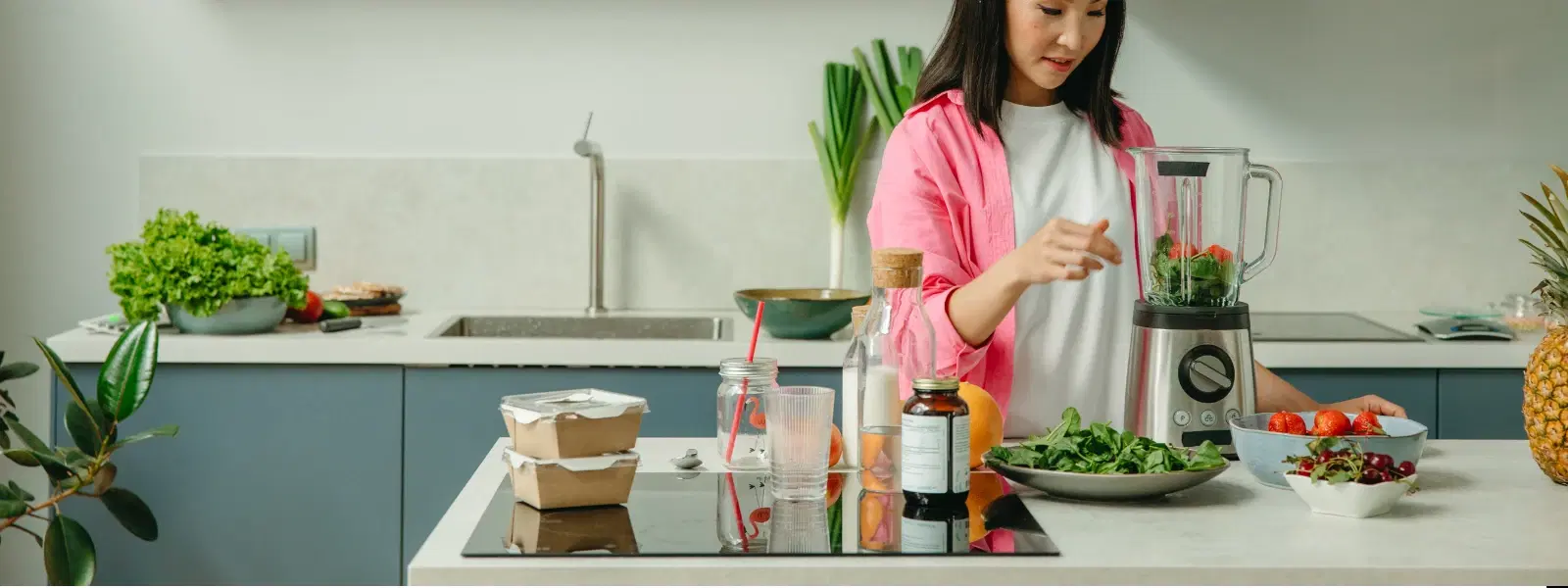
Have you ever wondered how to make the most out of your kitchen blender? Whether you want to whip up a quick smoothie, blend a creamy soup, or create a fresh sauce, knowing the right way to use your blender can save you time and effort.
In this guide, you’ll discover simple steps and insider tips to get perfect results every time. By the end, you’ll feel confident using your blender to make delicious meals and snacks that impress. Ready to unlock your blender’s full potential?
Let’s dive in!
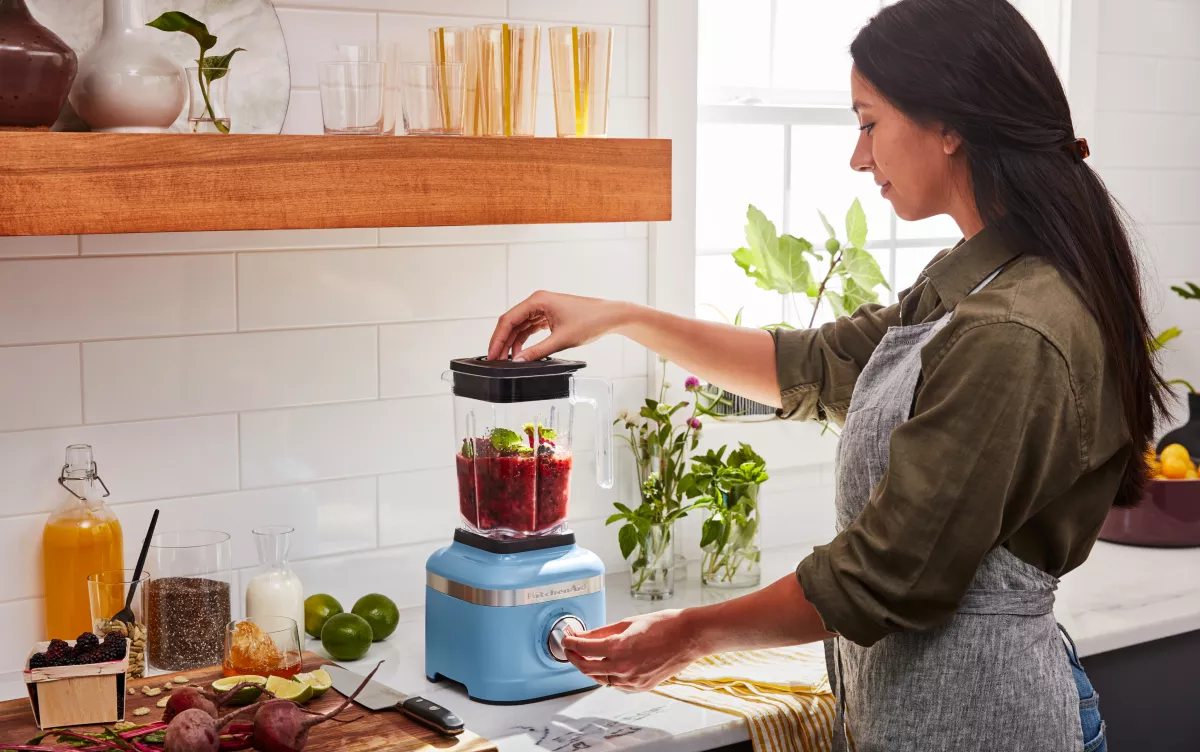
Credit: www.kitchenaid.com
Choosing The Right Blender
Choosing the right blender can make a big difference in your kitchen experience. It’s not just about picking the most expensive model but finding one that fits your needs and lifestyle. Think about what you’ll blend most often and how much counter space you have.
Types Of Blenders
Blenders come in various types, each designed for specific tasks. A countertop blender is perfect for smoothies, soups, and crushing ice. If you’re short on space, a personal blender is a great choice for single servings and quick use.
Immersion blenders are handheld and excellent for blending directly in pots or bowls. High-performance blenders offer powerful motors and advanced features for tougher ingredients. Which tasks do you do most often in your kitchen?
Key Features To Look For
Look for blenders with durable blades made of stainless steel; they last longer and handle hard ingredients better. A sturdy, easy-to-clean pitcher or jar makes your life easier. Some blenders have pre-programmed settings for soups, smoothies, or frozen drinks—these can save time but aren’t always necessary.
Consider the size of the blender and how it fits in your kitchen storage. Noise level might also be important if you live in an apartment or have small children. Have you checked how simple it is to disassemble and clean the parts?
Power And Speed Settings
The motor’s power, measured in watts, affects how well the blender handles tough ingredients. For regular kitchen use, aim for at least 500 watts. If you blend nuts, seeds, or ice frequently, a higher wattage around 700 or more is better.
Speed settings offer control over texture and consistency. Multiple speeds plus a pulse function let you blend precisely without overprocessing. Ask yourself if you need just basic settings or more advanced options for experimenting with recipes.
Preparing Ingredients
Preparing ingredients correctly is key to using a kitchen blender well. Proper prep helps the blender work smoothly. It also improves the texture and taste of your food.
Cutting ingredients into the right size matters. Adding the right amount of liquid makes blending easier. Different types of ingredients need different handling. Knowing these tips saves time and effort.
Chopping For Even Blending
Cut ingredients into small, equal pieces. This helps the blender chop evenly. Large chunks can strain the motor or leave unblended bits. Aim for pieces about 1 inch or smaller.
Soft ingredients like tomatoes or berries need gentle chopping. Hard vegetables like carrots need firmer cuts. Even chopping ensures smooth blending and better texture.
Adding Liquids For Smooth Texture
Pour liquids like water, juice, or milk into the blender first. Liquids help blades move and mix ingredients well. Too little liquid can cause the blender to jam. Too much liquid makes the mixture runny.
Start with a small amount of liquid. Add more if the blend is too thick. This method gives control over the final texture. It works for smoothies, soups, and sauces.
Handling Hard Vs Soft Ingredients
Hard ingredients need more time to blend. Cut them smaller and add enough liquid. Blend in short bursts to protect the motor. Soft ingredients blend quickly and require less liquid.
Mix hard and soft ingredients carefully. Start blending the hard ones first. Add soft ingredients later for even texture. This approach prevents over-blending and keeps flavors fresh.
Blending Techniques
Mastering blending techniques can transform your kitchen blender from a simple appliance into a versatile tool. Using the right technique affects texture, flavor, and even how easy your blender is to clean afterward. Let’s break down key blending methods that will help you get the best results every time.
Pulse Vs Continuous Blending
Pulse blending means turning the blender on and off in short bursts. This method gives you more control over texture and prevents over-processing. It’s perfect when you want chunky salsa or coarsely chopped nuts.
Continuous blending runs the blender without stopping until the ingredients reach the desired consistency. This is ideal for smoothies or purees where you want everything smooth and well mixed. Think about the difference between a creamy soup and a chunky vegetable mix.
Ask yourself: do you want control or speed? Choosing the right mode can save you from ruining your recipe.
Layering Ingredients Properly
How you add ingredients to the blender jar matters. Start by placing liquids at the bottom, followed by softer ingredients, and finish with harder or frozen items on top. This order helps the blades move smoothly and reduces the risk of jams.
Imagine trying to blend frozen fruit without enough liquid underneath—it’s a common mistake that stalls blenders. When layering, think about what needs the most force to blend and position it accordingly.
This simple step can improve blending efficiency and your blender’s lifespan.
Avoiding Overfilling
Overfilling your blender jar is tempting when you want to make large batches quickly. However, this can lead to uneven blending and even spills when the blender runs at high speed. Check the maximum fill line and respect it.
Leaving enough space allows ingredients to circulate properly and blend evenly. If you have a big batch, blend in smaller portions instead of cramming everything in at once.
Have you noticed your blender struggling or making odd noises? It might be a sign you’re overfilling it.

Credit: www.yahoo.com
Cleaning And Maintenance
Clean the blender immediately after use to prevent food from drying inside. Detach all parts and wash with warm, soapy water. Regularly check the blades and seals for wear to keep your blender working well.
Cleaning and maintaining your kitchen blender not only extends its lifespan but also ensures it performs at its best every time. A well-kept blender saves you money and effort in the long run. Plus, who doesn't love a sparkling clean appliance ready for the next culinary adventure?
Quick Cleaning Tips
After each use, fill your blender halfway with warm water and a drop of dish soap. Secure the lid and blend on a low setting for about 30 seconds. Rinse thoroughly with clean water and your blender is ready for the next use. For stubborn residue, a little white vinegar mixed with baking soda can work wonders. Pour the mixture into the jar and let it sit for a few minutes before blending. This not only cleans but also deodorizes the blender.
Deep Cleaning Methods
Every once in a while, your blender deserves a deep clean. Disassemble the parts, including the blade, gasket, and lid. Soak them in warm soapy water for about 20 minutes. Use a soft brush to gently scrub any remaining food particles. Pay special attention to the nooks and crannies where food can hide. Rinse and dry thoroughly before reassembling.
Blade Care And Replacement
Blades are the heart of your blender, and they need care. Regularly check them for dullness or damage. A dull blade can be sharpened with a specialized tool or replaced if needed. Never blend hard objects like bones or ice without liquid, as this can harm the blade. If you notice your blender struggling, it might be time for a new blade. Keep a spare blade handy for those just-in-case moments. Have you ever thought about how a well-maintained blender could transform your cooking routine? A little effort goes a long way in keeping your kitchen blender in top condition, ready to serve up your favorite smoothies and soups.
Troubleshooting Common Issues
Using a kitchen blender smoothly can sometimes hit a snag. Issues like stuck blades, uneven blends, or overheating can disrupt your cooking flow. Knowing how to troubleshoot these common problems helps you save time and keeps your blender working efficiently.
Dealing With Stuck Blades
Stuck blades usually happen when thick mixtures or hard ingredients jam the mechanism. First, unplug your blender for safety. Then, try gently moving the blades by hand or tapping the base to loosen the blockage.
If that doesn’t work, add a bit of warm water and a drop of dish soap, then run the blender on low speed. This can help break down residue causing the jam. Have you ever ignored a stuck blade only to find the motor struggling? Avoid that by regular cleaning after each use.
Fixing Uneven Blends
Uneven blending often results from overloading the jar or not chopping ingredients properly beforehand. Try cutting your ingredients into smaller pieces before blending to get a smoother mix.
Pause blending occasionally and stir the contents with a spatula. This redistributes the ingredients for a more uniform texture. You might find that using the pulse function instead of continuous blending gives better control too.
Handling Overheating
Blender motors can overheat if used continuously for too long or when blending tough ingredients. If your blender feels hot or shuts off, give it time to cool down before using it again.
To prevent overheating, blend in short bursts and avoid filling the jar beyond the recommended level. Do you notice your blender heating up quickly with certain recipes? Cutting down on blending time or adding liquid can reduce strain on the motor.

Credit: www.youtube.com
Creative Blender Uses
Blenders are often seen as simple kitchen gadgets, but their uses extend far beyond just mixing. You might be surprised how versatile your blender can be when you start experimenting with different recipes. Using your blender creatively can save time, reduce cleanup, and even inspire new culinary adventures right at home.
Making Smoothies And Shakes
Blending smoothies and shakes is the classic use, but there’s more to it than just throwing fruits and milk together. Try adding unexpected ingredients like spinach, avocado, or even cooked oats to boost nutrition without sacrificing taste.
Think about your favorite flavors—do you like chocolate with peanut butter, or maybe mango with coconut? Your blender can mix these combinations effortlessly, giving you fresh drinks tailored exactly to your taste.
Preparing Soups And Sauces
Your blender can turn cooked vegetables into smooth, creamy soups in minutes. After sautéing onions and garlic, add broth and your chosen veggies, then blend until silky smooth. You control the texture, whether you want it chunky or velvety.
Sauces like pesto or marinara become quick projects too. Blend fresh herbs, nuts, and olive oil for a fresh pesto, or puree tomatoes and spices for a homemade sauce that beats store-bought versions every time.
Crafting Nut Butters And Doughs
Did you know your blender can make nut butters at home? Simply blend roasted nuts until they release their oils and turn creamy. It’s satisfying to see how a few minutes can transform whole nuts into a spread with no additives.
Blenders can also mix doughs for pancakes or flatbreads. Combine your dry and wet ingredients and pulse until just combined—this saves time and reduces the mess from using multiple bowls.
Frequently Asked Questions
How Do I Safely Use A Kitchen Blender?
Always secure the lid before blending. Start at low speed and gradually increase. Avoid overfilling to prevent spills. Never insert utensils while the blender runs. Clean blades carefully to avoid injury.
What Foods Can I Blend In A Kitchen Blender?
You can blend fruits, vegetables, nuts, and ice. Smoothies, sauces, soups, and purees work well. Avoid hard or sticky items like bones or thick dough. Always cut large pieces into smaller chunks for easy blending.
How Do I Clean My Kitchen Blender Effectively?
Disassemble removable parts and rinse immediately after use. Use warm soapy water and a soft brush to clean blades. Avoid immersing the motor base in water. Dry parts thoroughly before reassembling to prevent mold and odors.
Can I Blend Hot Liquids In A Kitchen Blender?
Yes, but use caution. Allow hot liquids to cool slightly. Remove the center piece of the lid to release steam. Hold a kitchen towel over the lid while blending. Blend in small batches to avoid spills.
Conclusion
Using a kitchen blender makes cooking faster and easier. You can blend fruits, vegetables, and more with ease. Always clean the blender right after use. Start with simple recipes to get comfortable. Remember to use the right speed for each task.
Blenders save time and help make healthy meals. Enjoy experimenting with different ingredients and textures. Practice often to improve your skills. A kitchen blender is a useful tool for every home.