
Are you ready to unlock the full potential of your kitchen oven? Whether you’re a beginner or just want to cook more confidently, knowing how to use your oven correctly can make a huge difference.
Imagine perfectly baked cookies, juicy roasted chicken, or warm, fresh bread coming out of your oven every time. This guide will walk you through simple steps and insider tips to help you master your oven quickly and easily. Keep reading, and you’ll be cooking like a pro before you know it!

Credit: www.youtube.com
Choosing The Right Oven Settings
Choosing the right oven settings is key to great cooking results. Different foods need different temperatures and cooking modes. Using the correct settings saves time and energy. It also improves the taste and texture of your meals.
Understanding how to adjust temperature and select cooking modes helps you use your oven better. This section explains temperature controls, cooking modes, and convection use.
Temperature Controls Explained
Temperature controls let you set how hot the oven gets. Most ovens have a dial or digital display. The temperature usually ranges from 150°F to 500°F (65°C to 260°C).
Use low temperatures for slow cooking and high temperatures for fast cooking. Baking often needs steady heat between 325°F and 375°F (160°C to 190°C). Roasting might require higher heat to brown food.
Some ovens have preset temperatures for common dishes. These presets make cooking easier and reduce guesswork.
Selecting Cooking Modes
Ovens offer different cooking modes to suit various recipes. The main modes include:
- Bake:Heat comes from the bottom, ideal for cakes and bread.
- Broil:Heat comes from the top, perfect for grilling and browning.
- Roast:Uses both top and bottom heat, good for meats and vegetables.
- Keep Warm:Maintains low heat to keep food warm without cooking further.
Choose the mode that matches your recipe. This ensures even cooking and the right texture.
When To Use Convection
Convection mode uses a fan to circulate hot air inside the oven. This helps cook food faster and more evenly.
Use convection for roasting meats and vegetables. It creates a crispy outside and juicy inside. It also works well for baking cookies and pastries.
Avoid convection for delicate items like soufflés or cakes that need gentle heat. For these, stick to regular baking mode.
Lower the temperature by 25°F (15°C) when using convection. This prevents overcooking and burning.
Credit: www.whirlpool.com
Preparing Your Oven For Cooking
Preparing your oven for cooking is more than just turning it on. It sets the stage for how evenly your food will cook and how delicious the final dish will be. Getting this right can save you from undercooked meals or burnt edges, making your cooking experience smoother and more enjoyable.
Preheating Tips
Preheating your oven ensures it reaches the right temperature before you put your food in. This step is crucial because placing food in a cold oven can lead to uneven cooking.
Turn your oven on and give it at least 10-15 minutes to warm up. Some ovens beep or have an indicator light when they reach the set temperature, but if yours doesn’t, use an oven thermometer for accuracy.
Have you noticed how some recipes seem off when you skip preheating? That’s because the initial cooking stage depends heavily on a stable temperature.
Rack Placement Strategies
Where you place your racks affects how heat circulates around your food. The middle rack is usually the safest spot for most dishes, offering even heat distribution.
Use the top rack for broiling or browning the tops of casseroles, and the bottom rack for baking pizzas or crusty bread where a crispy base is key.
Think about your dish’s goal: Do you want a crispy top, a tender middle, or a crunchy bottom? Adjust the rack accordingly to achieve that.
Using Oven Thermometers
Oven temperatures can be misleading. The dial might say 350°F, but the actual temperature inside can vary widely.
An oven thermometer helps you check the true temperature, preventing surprises like burnt cookies or raw centers.
Place the thermometer in the center of the oven and check it a few minutes after preheating. If your oven tends to run hot or cold, adjust the temperature setting accordingly.
Cooking Techniques For Oven Success
Mastering your kitchen oven means understanding how different cooking techniques affect your food's texture and flavor. Each method—baking, roasting, and broiling—requires its own approach to get the best results. Knowing when and how to use these techniques can make your meals stand out and save you from common oven mishaps.
Baking Basics
Baking is all about even heat and patience. Keep your oven temperature steady, and avoid opening the door too often, as this causes heat loss and uneven cooking.
Use the middle rack for most baked goods to ensure balanced heat circulation. If you’re baking cookies, try chilling the dough first; it helps maintain shape and improves texture.
Ever wondered why some cakes rise beautifully while others don’t? It often comes down to proper mixing and accurate oven temperature. Invest in an oven thermometer to double-check your settings.
Roasting Tips
Roasting enhances flavor by caramelizing the outside while keeping the inside juicy. Start with a hot oven—usually between 400°F and 450°F—to get that golden crust.
Use a roasting pan with a rack to allow air circulation around the meat or vegetables. Basting occasionally with pan juices adds moisture and richness.
Think about the size of your cuts; smaller pieces cook faster and more evenly. Also, allow meat to rest after roasting to lock in juices—don’t skip this step if you want tender results.
Broiling Effectively
Broiling cooks food quickly using high, direct heat from above. It’s perfect for melting cheese, crisping tops, or giving a smoky char.
Keep your food close to the broiler but not too close to avoid burning. Watch it closely, since broiling works fast and can easily overcook your food.
Use a broiler pan or a rimmed baking sheet to catch drips and prevent flare-ups. How often do you check your food under the broiler? Setting a timer can help you avoid surprises.
Maximizing Flavor And Texture
Maximizing flavor and texture in your oven-cooked meals can transform simple dishes into memorable experiences. Small tweaks in preparation and cooking techniques can make a big difference in how your food tastes and feels. Are you ready to discover practical ways to bring out the best in every bite?
Using Foil And Parchment
Foil and parchment paper are powerful tools in your oven arsenal. Wrapping food in foil traps moisture, keeping meats juicy and tender, while parchment allows for gentle steaming and easy cleanup.
Try baking fish or vegetables in parchment packets to lock in natural flavors without drying them out. When roasting, covering the dish with foil halfway through cooking can prevent over-browning but still develop a crispy finish.
Marinating And Seasoning
Marinating adds depth and complexity that oven heat alone can’t achieve. A simple mix of oil, acid (like lemon juice or vinegar), and herbs can tenderize and infuse your meat or veggies with flavor.
Don’t forget to season generously before cooking. Salt enhances flavor and helps develop a better crust. Ever noticed how a well-seasoned roast tastes completely different? That’s the magic of proper seasoning.
Resting Cooked Food
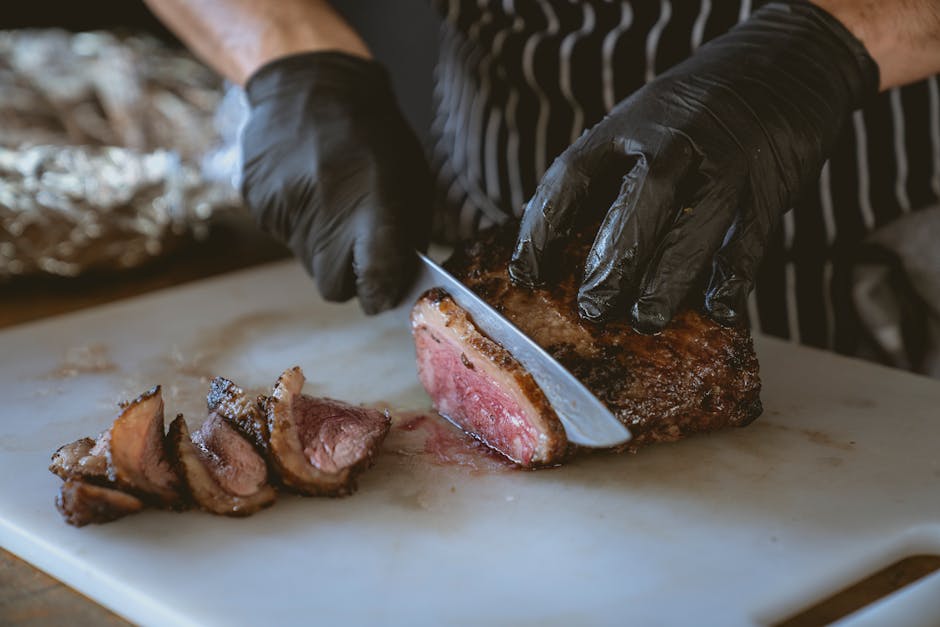
Resting is often overlooked but crucial for texture and flavor. After taking meat out of the oven, let it sit for 5 to 15 minutes. This allows juices to redistribute evenly, making each bite juicy instead of dry.
Have you ever cut into hot meat only to see all the juices run out? Resting stops that, locking in moisture and improving tenderness. It’s a small wait with a big payoff.
Cleaning And Maintenance
Keeping your kitchen oven clean ensures it works efficiently. Regular cleaning and maintenance can extend its lifespan. A clean oven also prevents odors and smoke during cooking. Let’s explore some effective practices for maintaining your oven.
Best Cleaning Practices
Use natural cleaners for your oven. Baking soda and vinegar are effective. Create a paste with baking soda and water. Spread it inside the oven, avoiding heating elements. Let it sit overnight, then wipe with a damp cloth. Finish by spraying vinegar to remove any residue.
Handling Spills And Splatters
Clean spills immediately to prevent sticking. Use a damp cloth to wipe fresh splatters. For stubborn spots, use a soft scraper. Avoid using harsh chemicals on your oven. They can damage surfaces and leave harmful residues.
Regular Oven Checks
Inspect your oven regularly to ensure everything functions well. Check the seals around the door. Worn seals can lead to heat loss. Examine heating elements for any damage. A well-maintained oven cooks food evenly and saves energy.
Credit: www.maytag.com
Troubleshooting Common Issues
Troubleshooting common oven issues helps keep your cooking on track. Many problems can stop meals from turning out right. Simple checks and fixes often solve these issues fast. Understanding common problems saves time and frustration.
Uneven Cooking
Uneven cooking means some parts of food cook faster than others. This happens when heat does not spread well inside the oven.
- Check if the oven racks are level and not overcrowded.
- Use the middle rack for most cooking to get even heat.
- Rotate pans halfway through cooking for better results.
- Clean the oven regularly to avoid blocked heat vents.
Temperature Fluctuations
Temperature changes inside the oven cause inconsistent cooking. Food may burn or stay raw in spots.
- Use an oven thermometer to check if the temperature matches the setting.
- Make sure the oven door seals tightly to keep heat inside.
- Avoid opening the door too often during cooking.
- Inspect the thermostat or heating element for damage.
Oven Not Heating
An oven that does not heat at all stops cooking completely. This issue needs quick attention.
- Confirm the oven is plugged in and the power is on.
- Check the circuit breaker or fuse box for tripped switches.
- Look for visible signs of damage on heating elements.
- Consult the user manual for error codes or reset instructions.
Frequently Asked Questions
How Do I Preheat My Kitchen Oven Properly?
Preheat your oven by setting the desired temperature and waiting 10-15 minutes. This ensures even cooking and accurate results. Use an oven thermometer if needed to check the temperature. Avoid opening the door frequently during preheating to maintain consistent heat.
What Temperature Should I Bake Common Dishes At?
Most baked goods cook well between 325°F and 375°F. Cookies usually bake at 350°F, while casseroles range from 350°F to 375°F. Always follow the recipe's temperature instructions for best results. Adjust temperature slightly based on your oven’s unique performance.
How Can I Clean My Kitchen Oven Safely?
Use a mixture of baking soda and water to create a paste for cleaning. Apply it to the oven interior, let it sit for hours, then scrub gently. Avoid harsh chemicals, and always wear gloves. Regular cleaning prevents buildup and improves oven efficiency.
What Are The Safety Tips For Using A Kitchen Oven?
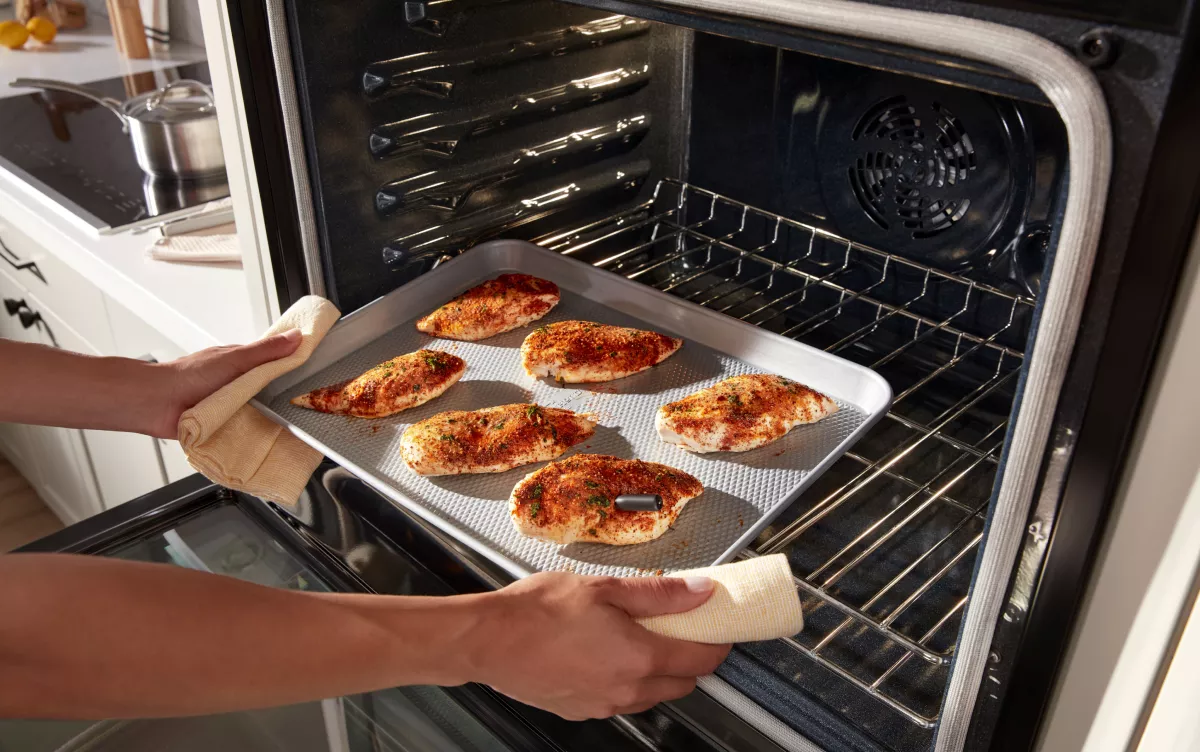
Always use oven mitts to handle hot trays and pans. Keep the area around the oven clear of flammable materials. Never leave the oven unattended while cooking. Ensure proper ventilation to avoid smoke buildup and check that the oven door seals tightly.
Conclusion
Using your kitchen oven is simple and helpful. Always preheat before cooking for best results. Choose the right temperature and cooking time for your food. Keep the oven clean to avoid bad smells and smoke. Use oven mitts to protect your hands from heat.
Check your food often to prevent burning. Enjoy cooking meals that taste great and save time. With practice, you will feel more confident and ready to try new recipes. Cooking with an oven makes meal preparation easy and fun. Give it a try today!