
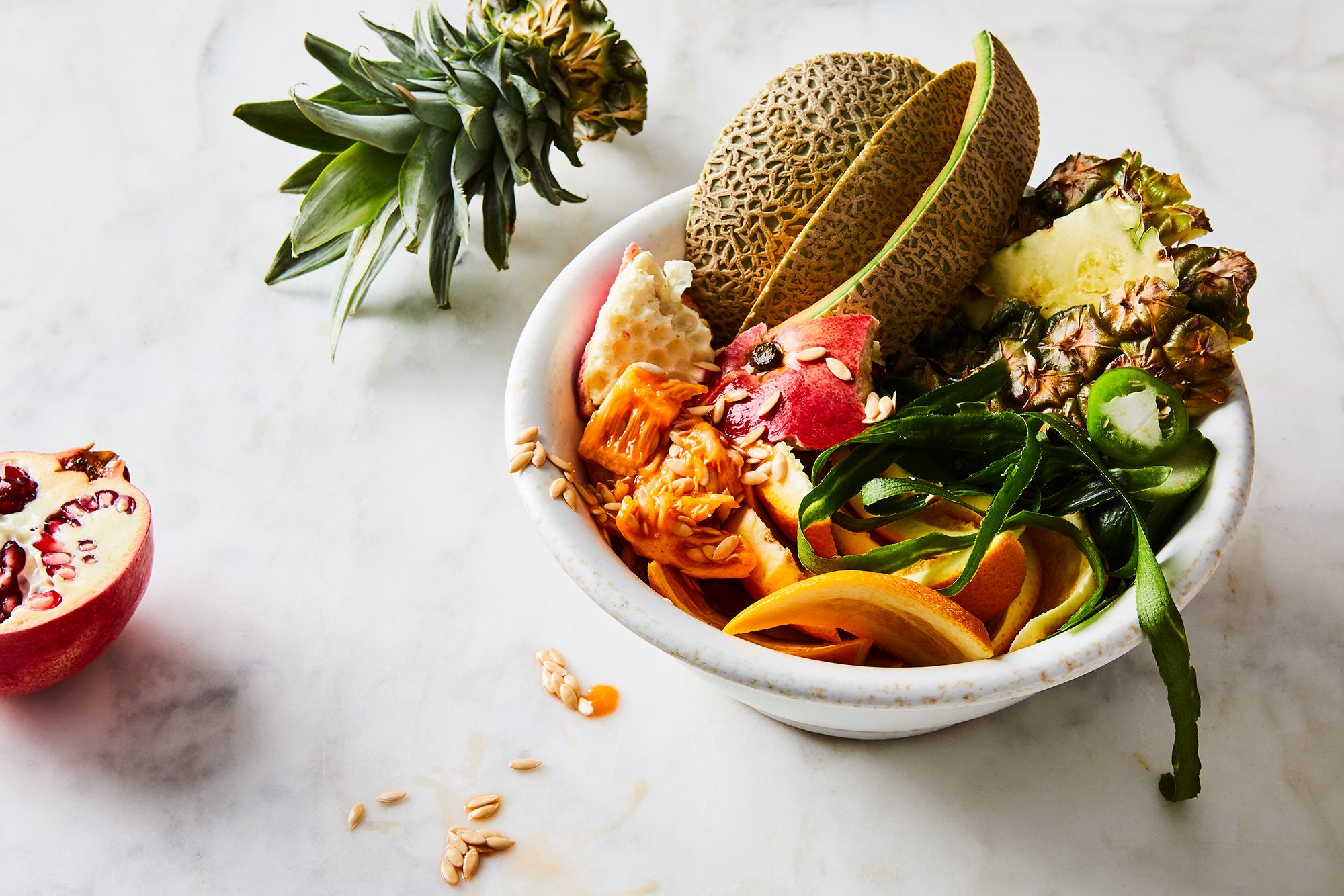
Have you ever thrown away kitchen scraps without a second thought? What if those leftovers could actually help your garden grow healthier and stronger?
Using kitchen scraps in your garden is a simple, eco-friendly way to reduce waste and boost your plants. You’ll discover easy steps to turn everyday food waste into garden gold. Ready to transform your scraps into something amazing? Keep reading to find out how!

Credit: www.youtube.com
Benefits Of Using Kitchen Scraps
Using kitchen scraps in your garden offers many benefits. It supports plant growth and helps the environment. Kitchen scraps turn into valuable resources that improve soil and reduce waste. This natural method saves money and promotes healthy gardening.
Nutrient-rich Soil Boost
Kitchen scraps add important nutrients to garden soil. They contain nitrogen, phosphorus, and potassium, which plants need. As scraps break down, they release these nutrients slowly. This process helps plants grow strong and healthy. It also improves soil texture and moisture retention.
Waste Reduction
Using kitchen scraps cuts down the amount of trash sent to landfills. Food waste makes up a large part of household garbage. Composting scraps keeps them out of bins and reduces harmful methane gas. This approach lowers your environmental impact and helps fight pollution.
Cost Savings
Reusing kitchen scraps reduces the need to buy chemical fertilizers. It also lowers waste disposal costs. By making your own compost, you save money on garden supplies. This budget-friendly practice supports sustainable living and helps your wallet.
Credit: canadale.ca
Best Kitchen Scraps For Gardens
Kitchen scraps offer valuable nutrients for garden soil. They help improve soil structure and boost plant growth. Choosing the right scraps ensures a healthy and thriving garden. Some scraps break down quickly, while others take longer but add essential minerals. Using scraps wisely reduces waste and supports sustainable gardening.
Vegetable Peels And Trimmings
Vegetable peels and trimmings are rich in nutrients. Carrot tops, potato skins, and onion ends add organic matter. They decompose fast and feed soil microbes. Avoid peels from spoiled vegetables to prevent pests. Chop scraps into small pieces for quicker breakdown. These scraps enhance soil fertility and moisture retention.
Coffee Grounds And Tea Leaves
Coffee grounds and tea leaves boost soil acidity and nutrients. They contain nitrogen, which plants love. Spread grounds thinly to avoid clumping. Tea leaves add organic matter and improve soil texture. Both scraps attract earthworms that aerate soil. Use them in compost or directly in garden beds.
Eggshells And Citrus Peels
Eggshells provide calcium, essential for strong plants. Crush shells before adding to soil for faster absorption. Citrus peels add nutrients but break down slowly. They can repel certain pests naturally. Avoid large pieces; cut them into small bits. Use these scraps sparingly to maintain soil balance.
Composting Kitchen Scraps
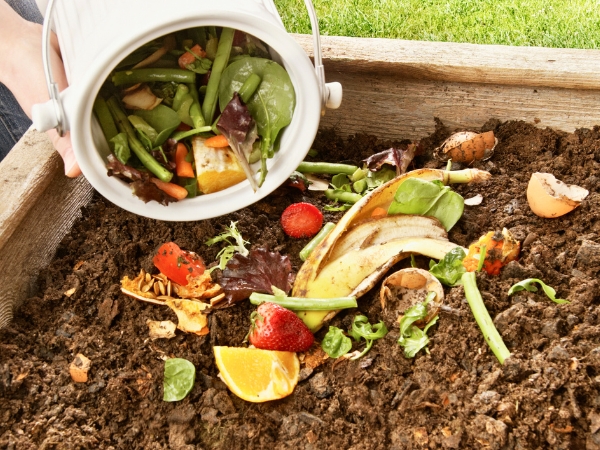
Kitchen scraps like vegetable peels and coffee grounds enrich garden soil naturally. Composting these scraps creates nutrient-rich soil that helps plants grow strong and healthy. It’s a simple way to reduce waste and boost your garden’s health.
Composting kitchen scraps is a fantastic way to enrich your garden while reducing waste. Imagine turning vegetable peels, coffee grounds, and eggshells into nutrient-rich compost. This approach not only benefits your plants but also contributes to a more sustainable lifestyle. Ready to transform your kitchen waste into garden gold? Let’s dive in!
Setting Up A Compost Bin
Choose a convenient location for your compost bin. It should be easily accessible from your kitchen yet far enough to avoid any unpleasant odors. A simple DIY bin made from wood pallets or a store-bought model can both work wonders. Make sure it has adequate ventilation. This helps to speed up the decomposition process. If you're worried about aesthetics, consider using a compost tumbler, which keeps everything neatly enclosed.
Balancing Greens And Browns
Achieving the perfect compost requires a balance of green and brown materials. Greens are your kitchen scraps, like fruit and vegetable waste, which provide nitrogen. Browns, on the other hand, include dried leaves, straw, and cardboard, offering carbon. Aim for a 2:1 ratio of browns to greens. This prevents your compost from becoming too wet or too dry. If your pile starts to smell, add more browns to balance it out.
Turning And Maintaining The Pile
Regularly turning your compost pile aerates it. This process accelerates decomposition by mixing in oxygen. Use a pitchfork or a compost aerator tool to do this every few weeks. Monitor the moisture level. It should be as damp as a wrung-out sponge. If it gets too dry, sprinkle some water; if it's too wet, add more browns. Have you ever considered how much waste your household produces in a week? By composting, you not only cut down on this waste but also create something valuable for your garden. So why not start today and watch your garden flourish?
Direct Use Of Scraps In Garden
Direct use of kitchen scraps in your garden saves waste and nourishes plants. It’s a simple way to recycle nutrients back into the soil. Using scraps directly can improve soil health, retain moisture, and even protect plants from pests. This approach requires little effort and no special tools.
Trench Composting
Dig a shallow trench about 6 to 8 inches deep. Place kitchen scraps like vegetable peels, coffee grounds, and eggshells inside. Cover the scraps with soil to hide them from animals. Over time, the scraps will break down and feed the plants above. This method reduces odors and speeds up decomposition.
Mulching With Scraps
Spread chopped or shredded kitchen scraps around your plants. Use soft scraps such as leafy greens or fruit peels. Mulching helps keep soil moist and cool. It also adds nutrients slowly as the scraps decompose. Avoid using oily or salty scraps to prevent harming plants.
Using Scraps As Natural Pest Repellent
Certain kitchen scraps can keep pests away. Citrus peels deter ants and aphids. Crushed eggshells create a barrier for slugs and snails. Garlic or onion scraps repel some insects. Place these scraps near vulnerable plants to protect them naturally. This method reduces the need for chemical pesticides.
Precautions When Using Kitchen Waste
Using kitchen scraps in your garden is a fantastic way to reduce waste and nourish your plants. However, it’s important to take certain precautions to ensure your garden stays healthy and inviting. Ignoring these can lead to problems like bad smells, pests, or even harm to your plants.
Avoiding Harmful Scraps
Not all kitchen waste is safe for your garden. Avoid adding meat, dairy, oily foods, and cooked leftovers, as they can attract pests and cause disease. Also, skip any scraps treated with pesticides or chemicals—they can poison your soil and plants.
Think about whether your scraps could introduce harmful bacteria or mold. For example, citrus peels in large amounts can make soil too acidic, affecting plant growth. Being selective with what you add helps keep your garden thriving.
Preventing Odors And Pests
Rotting scraps can quickly create unpleasant smells and attract unwanted visitors like rats, raccoons, and flies. To prevent this, chop your scraps into smaller pieces to speed up decomposition. Cover your scraps with a layer of dry leaves, soil, or shredded newspaper to keep odors down.
Ask yourself: How often are you turning your compost or waste pile? Regularly mixing it helps aerate the pile, reducing smell and discouraging pests. This simple habit makes a huge difference in maintaining a fresh garden area.
Proper Storage Tips
Storing kitchen scraps properly before adding them to your garden is key. Use a sealed container or compost bin with a lid to keep scraps contained and reduce exposure to pests. Keep the container in a cool, shaded spot to slow down decomposition and odors.
Consider freezing scraps if you can’t add them to your garden right away. This prevents them from rotting and smelling while you collect enough material. Have you tried this? It’s a handy trick that keeps your kitchen tidy and your garden ready for fresh inputs.

Credit: www.youtube.com
Tips For Lush Garden Growth
Getting lush growth from your garden means paying close attention to the basics. Using kitchen scraps is a fantastic start, but maximizing their benefits requires careful care and smart strategies. Here are some tips that help your garden thrive and make the most of those organic leftovers.
Regular Soil Testing
Soil testing gives you a clear picture of what nutrients your garden needs. You might be surprised to find that adding kitchen scraps alone isn’t enough to balance the soil.
Testing helps you avoid nutrient overload or deficiencies, which can stunt growth. Try testing your soil every few months, especially after adding scraps like vegetable peels or eggshells. This way, you know exactly how to adjust your feeding routine for healthier plants.
Consistent Watering Practices
Water plays a crucial role in breaking down kitchen scraps into nutrients plants can absorb. Too little water slows decomposition, while too much can wash nutrients away.
Keep your soil moist but not soggy. A simple way to check is by feeling the top inch of soil—if it’s dry, it’s time to water. Your garden will thank you with stronger roots and vibrant leaves.
Companion Planting With Scraps
Using kitchen scraps to feed certain plants can boost their growth and protect others nearby. For example, banana peels add potassium, great for tomatoes and peppers.
Planting garlic near your scraps can ward off pests naturally. Have you tried pairing plants this way? It’s like giving your garden a little teamwork boost, using scraps as a natural fertilizer and pest repellent.
Frequently Asked Questions
What Kitchen Scraps Are Best For Garden Composting?
Vegetable peels, fruit cores, coffee grounds, eggshells, and tea bags are ideal for composting. Avoid meat, dairy, and oily scraps as they attract pests and cause odor.
How Do Kitchen Scraps Improve Soil Quality?
Kitchen scraps add organic matter and nutrients to the soil. They enhance soil structure, moisture retention, and stimulate beneficial microbial activity for healthier plants.
Can I Use Citrus Peels Directly In My Garden?
Citrus peels are acidic and should be composted first. Direct application may harm soil pH and plant roots. Composting breaks down acidity safely.
How Often Should I Add Kitchen Scraps To My Garden Compost?
Add kitchen scraps regularly, ideally daily or every few days. This keeps your compost active and speeds up decomposition for nutrient-rich soil.
Conclusion
Using kitchen scraps in your garden helps reduce waste and saves money. You can compost peels, coffee grounds, and eggshells to enrich soil. These scraps add nutrients that plants need to grow strong. Start small and watch your garden thrive with natural care.
It’s an easy, eco-friendly way to support your plants. Give it a try and enjoy a greener, healthier garden. Simple actions make a big difference.