
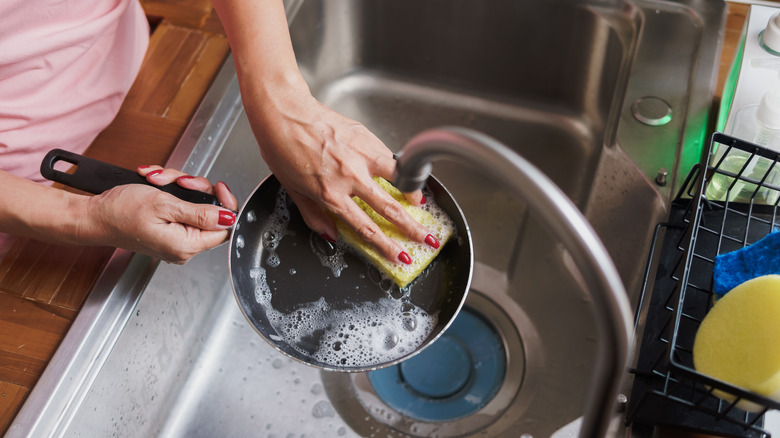
Are you making the most out of your kitchen sponge? This simple tool is more powerful than you think.
When used the right way, your kitchen sponge can keep your dishes spotless, your countertops clean, and even help prevent germs from spreading. But if you’re using it incorrectly, you might be missing out on its full potential—and worse, risking your health.
You’ll discover easy tips and tricks to use your kitchen sponge effectively and safely. Ready to transform your cleaning routine? Keep reading to unlock the secrets!
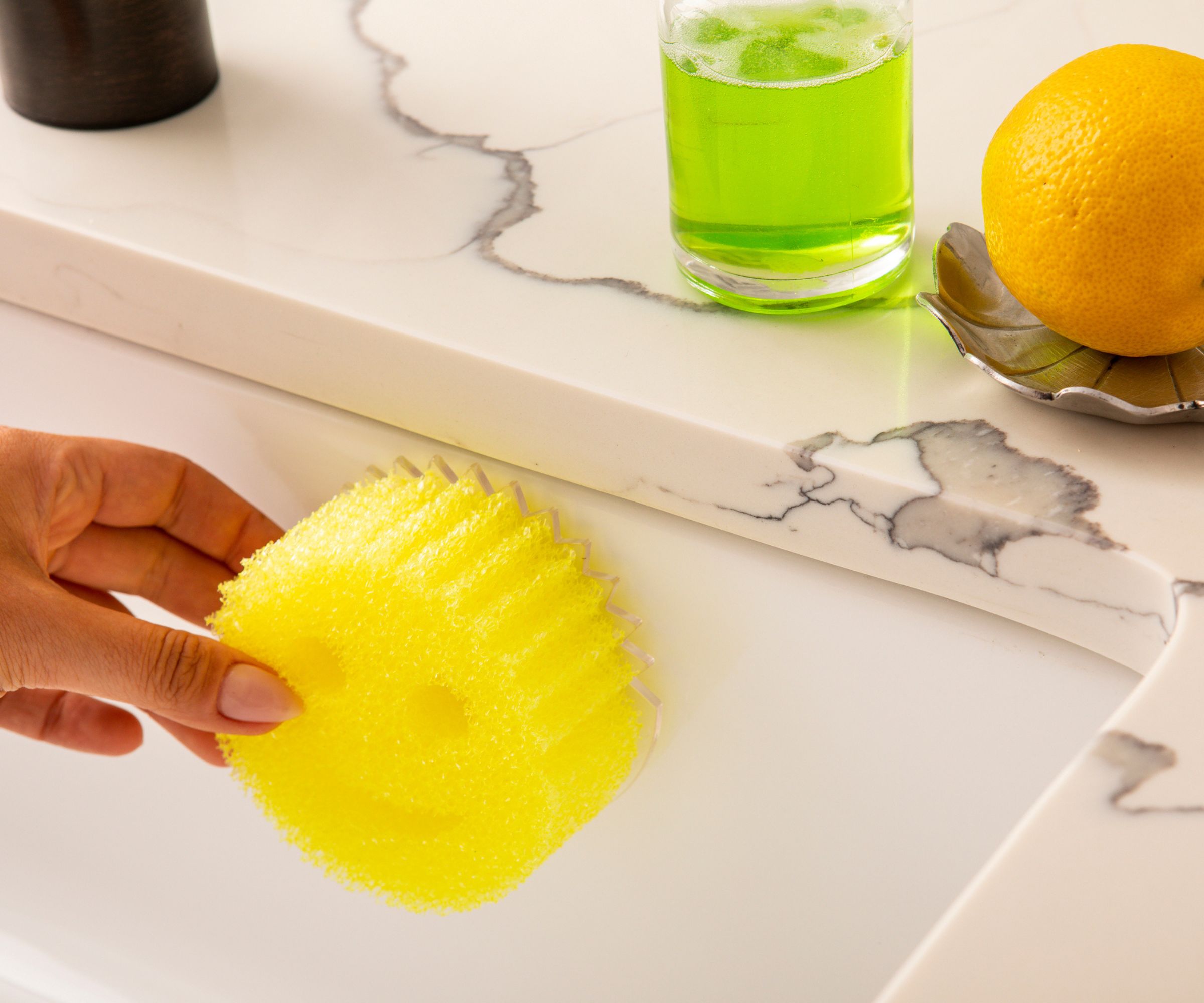
Credit: www.homesandgardens.com
Choosing The Right Sponge
Choosing the right kitchen sponge might seem simple, but it can make a big difference in your cleaning routine. The type of sponge you pick affects how well you clean, how long the sponge lasts, and even your kitchen’s hygiene. Let’s look at what options you have and how to find a sponge that fits your needs perfectly.
Types Of Kitchen Sponges
There are several types of kitchen sponges available, each designed for specific tasks. Some sponges have a soft side for gentle washing and a rough side for scrubbing tough stains. Others come as cellulose sponges, which absorb water quickly, or synthetic sponges that resist odors better.
You might have noticed how some sponges tear quickly or smell bad after a few uses. Choosing a sponge made for your specific cleaning tasks helps avoid this frustration. Have you ever tried a sponge that just didn’t clean well no matter how hard you scrubbed?
Material Benefits
Material matters a lot when picking your sponge. Cellulose sponges are great for soaking up spills and gentle cleaning but can hold bacteria if not dried properly. On the other hand, synthetic sponges dry faster and resist odor but might not absorb as much water.
Natural sponges, made from sea sponge, offer durability and are often eco-friendly, but they can be pricier. Think about what matters most to you—is it absorption, durability, or easy maintenance? Your choice can save you time and keep your kitchen healthier.
Size And Texture Options
The size and texture of your sponge affect its performance. Larger sponges cover more surface area, making them ideal for washing big pots or cleaning counters quickly. Smaller sponges give you better control for delicate dishes or tight spots.
Texture also plays a role. Softer sponges prevent scratching on non-stick pans, while rougher textures help remove baked-on food. Have you ever ruined a pan because the sponge was too harsh? Choosing the right texture helps avoid that problem.
Proper Sponge Usage
Using a kitchen sponge properly can make a big difference in your cleaning routine and kitchen hygiene. Sponges are versatile but need careful handling to avoid spreading germs or damaging surfaces. Let’s break down how to get the most out of your sponge without risking contamination or wear.
Effective Cleaning Techniques
Start by wetting your sponge before adding dish soap. This helps create a rich lather that lifts grease and food particles more easily.
Use a circular scrubbing motion to tackle stuck-on grime instead of scrubbing back and forth. This reduces wear on your sponge and surfaces.
Rinse the sponge frequently during cleaning to remove debris and maintain its effectiveness. A clogged sponge just spreads dirt around.
Avoiding Cross-contamination
Do you use one sponge for everything? That’s a common mistake. Keep separate sponges for dishes, countertops, and raw meat areas to prevent bacteria spread.
After each use, squeeze out excess water and store the sponge in a dry place. A wet sponge is a breeding ground for germs.
Replace your sponge regularly—every one to two weeks is ideal. Even if it looks clean, bacteria can hide deep inside.
Best Practices For Different Surfaces
- Non-stick pans:Use a soft sponge side to avoid scratching the coating.
- Countertops:A slightly abrasive sponge helps remove stains but test on a small area first.
- Glassware:Choose a gentle sponge or microfiber cloth to prevent cloudiness and scratches.
Adapting your sponge use depending on the surface protects your kitchenware and keeps everything looking new longer. Have you noticed how your favorite pan wears out faster when you’re too rough with the sponge?
Maintaining Sponge Hygiene
Keep your kitchen sponge clean by rinsing it well after each use. Squeeze out excess water and let it dry in a well-ventilated place. Regularly sanitize the sponge to prevent bacteria buildup and maintain hygiene.
Maintaining Sponge Hygiene Sponge hygiene is crucial for ensuring a clean kitchen environment. Your kitchen sponge can quickly become a breeding ground for bacteria if not properly cared for. To keep your sponges fresh and effective, it's essential to adopt regular cleaning and replacement practices.
Daily Cleaning Tips
A simple rinse isn't enough to keep your sponge clean. After each use, rinse your sponge thoroughly with hot water and wring it out completely. Let it dry in a well-ventilated area to prevent moisture accumulation, which can lead to bacterial growth. Consider microwaving your damp sponge for one minute daily to kill bacteria. Just be sure your sponge doesn’t contain metal. Alternatively, you can soak it in a mixture of water and vinegar for a few minutes.
Deep Sanitizing Methods
Weekly deep cleaning is a must for sponge hygiene. Place your sponge in the dishwasher with a heated dry cycle. This method ensures it gets thoroughly sanitized. You can also soak your sponge in a bleach solution (1 tablespoon of bleach in 1 quart of water) for five minutes. This kills most germs and leaves the sponge smelling fresh.
When To Replace Your Sponge
No matter how well you clean your sponge, replacement is inevitable. Do you notice an unpleasant odor or discoloration? These are clear signs it's time to swap it out. As a general rule, replace your sponge every two weeks. If you use it heavily, you might need to replace it more often. Keeping track of your sponge’s condition helps maintain a hygienic kitchen.
Creative Sponge Uses
Kitchen sponges aren’t just for washing dishes. Their unique texture and flexibility make them perfect for a variety of creative uses around your home. You might be surprised how many tasks you can tackle with a simple sponge beyond the sink.
Cleaning Hard-to-reach Areas
Sponges can easily get into tight spaces where cloths can't reach. Try using a cut sponge to clean the grout lines between tiles or narrow gaps around faucets. The sponge's soft texture prevents scratches while grabbing dirt effectively.
Have you ever struggled to clean the inside corners of your microwave or window tracks? A damp sponge trimmed to size can slide into these spots and lift away grime with minimal effort. This small trick saves time and spares your fingers from awkward scrubbing.
Removing Stains And Scratches
Kitchen sponges, especially the rough side, can help reduce minor scratches on surfaces like cutting boards or wooden furniture. Gently rub in a circular motion to diminish the appearance of marks.
For stubborn stains on countertops or stovetops, sprinkle a bit of baking soda on the sponge before scrubbing. This mild abrasive action lifts stains without damaging surfaces. Have you tried this simple hack yet?
Other Household Applications
Sponges can serve many unexpected roles around your home. Use them to:
- Protect fragile items during storage by placing sponge pieces between dishes.
- Keep plants moist by placing damp sponge chunks at the bottom of pots.
- Apply paint or stain in small, controlled amounts for craft projects.
Next time you look at your kitchen sponge, consider its potential beyond cleaning dishes. What other creative uses can you imagine?
Common Sponge Mistakes
Many people think using a kitchen sponge is straightforward, but common mistakes can reduce its effectiveness and even cause hygiene problems. Ignoring how you use and care for your sponge can lead to bacteria buildup and damage your kitchen surfaces. Let’s look at some frequent errors to avoid so your sponge works better and lasts longer.
Overusing One Sponge
Using the same sponge for too long is a big mistake. Sponges absorb food particles and moisture, creating a perfect environment for bacteria. I once kept a sponge for weeks, and it started to smell awful and looked worn out.
Change your sponge every one to two weeks, or sooner if it smells or falls apart. You can also have different sponges for different tasks, like one for dishes and another for counters. This simple habit keeps your kitchen cleaner and safer.
Ignoring Sponge Smells
A foul smell coming from your sponge is a clear warning sign. It means bacteria have taken over, and using that sponge will only spread germs. Don’t just mask the smell with bleach or air fresheners; the sponge needs proper cleaning or replacement.
To keep your sponge fresh, rinse it well after use and squeeze out excess water. You can also disinfect it by microwaving it for a minute or soaking it in vinegar. Regularly checking the smell helps you avoid unpleasant surprises and health risks.
Using Sponges On Unsuitable Surfaces
Not every surface handles sponges well. Using a rough or abrasive sponge on delicate surfaces like non-stick pans or glass can cause scratches and damage. I once ruined a new pan’s coating by scrubbing it with a heavy-duty sponge.
Match your sponge to the surface you’re cleaning. Soft sponges are best for delicate items, while tougher ones suit pots and grills. Taking a moment to choose the right sponge protects your kitchen tools and makes cleaning easier.
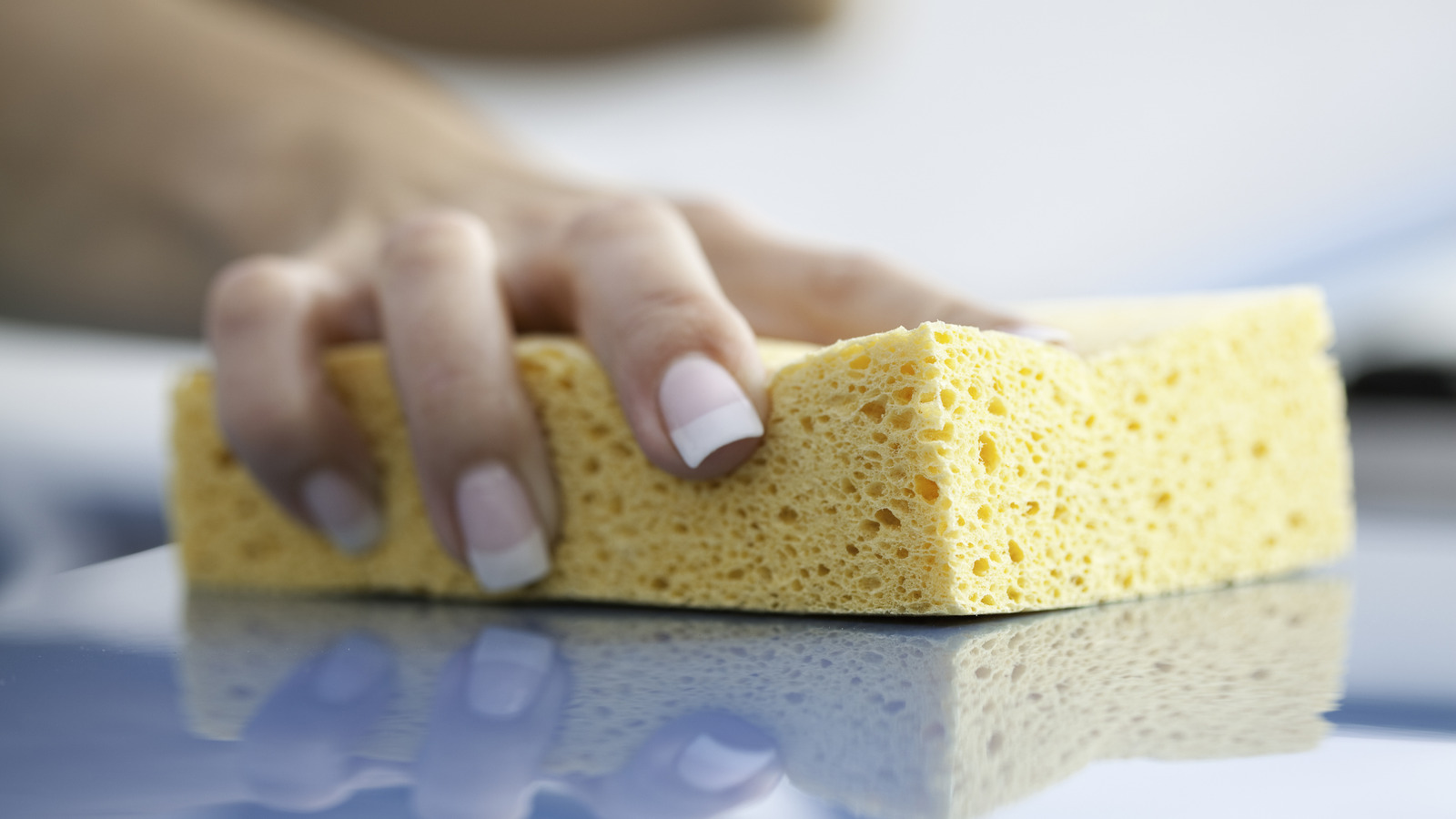
Credit: www.housedigest.com

Credit: www.airnex.store
Frequently Asked Questions
How Often Should I Replace My Kitchen Sponge?
Replace your kitchen sponge every 1 to 2 weeks. Frequent replacement prevents bacteria buildup and maintains hygiene. If it smells bad or looks worn, change it immediately to keep your kitchen clean and safe.
What Is The Best Way To Clean A Kitchen Sponge?
Clean your sponge by microwaving it damp for 1-2 minutes or soaking in bleach solution. This kills most bacteria and extends sponge life. Always rinse thoroughly before use to avoid chemical residue.
Can Kitchen Sponges Spread Germs In The Kitchen?
Yes, kitchen sponges can spread germs if not cleaned regularly. They harbor bacteria from food residues. Proper cleaning and frequent replacement reduce the risk of cross-contamination and keep your kitchen healthier.
How Do I Use A Kitchen Sponge Effectively?
Use the sponge gently to scrub dishes and surfaces. Avoid harsh scrubbing to prevent damage. Rinse it often during use and squeeze out excess water to keep it dry and fresh.
Conclusion
Using a kitchen sponge correctly keeps your dishes clean and safe. Replace sponges often to avoid germs. Always rinse and squeeze out water after use. Store the sponge where it can dry well. Clean your sponge regularly to stop bacteria growth.
A good sponge helps you scrub tough stains easily. Follow these simple steps for better kitchen hygiene every day. Small habits make a big difference in your kitchen’s cleanliness. Keep your sponge fresh, and your kitchen will stay healthier.