
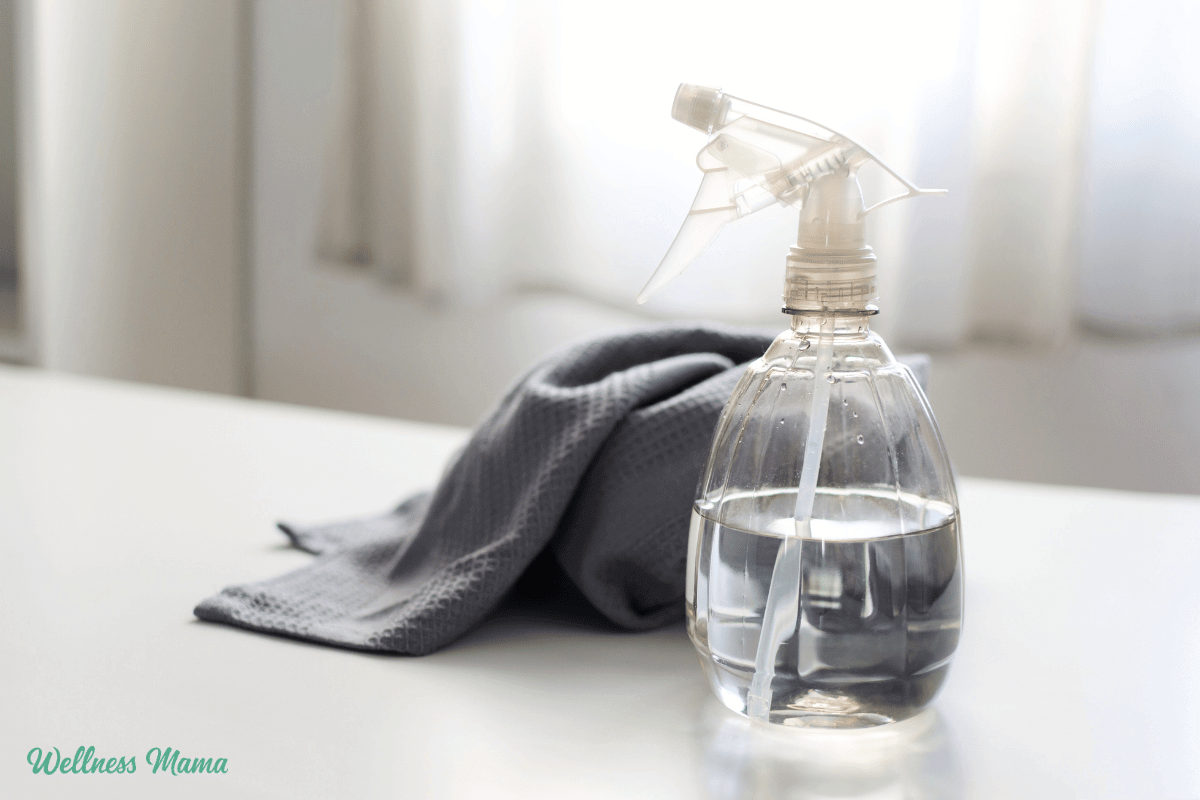
Are you tired of stubborn stains and greasy surfaces in your kitchen? What if you could clean your kitchen quickly, safely, and without harsh chemicals?
Vinegar might be the simple solution you’ve been looking for. This natural, affordable ingredient can transform your kitchen cleaning routine, making your space sparkle and smell fresh. Keep reading to discover easy and effective ways you can use vinegar to tackle messes and keep your kitchen spotless every day.
Credit: originallyyellow.com
Why Vinegar Works For Cleaning
Understanding why vinegar works so well for cleaning can change the way you approach your kitchen chores. It’s not just an old household trick—it’s a powerful, natural cleaner with properties that tackle dirt and germs effectively. Let’s look at what makes vinegar a standout choice for your kitchen cleaning needs.
Natural Acidity And Disinfecting Power
Vinegar contains acetic acid, which gives it a low pH level. This acidity breaks down grease, grime, and mineral deposits effortlessly. It also disrupts the environment that bacteria and mold need to survive, reducing their presence on surfaces.
When I first used vinegar to clean my stovetop, I was surprised at how quickly it dissolved baked-on food. It works on glass, countertops, and even cutting boards without harsh chemicals. This makes it a versatile option for many kitchen surfaces.
Safe And Eco-friendly Benefits
Unlike many commercial cleaners, vinegar is non-toxic and biodegradable. You don’t have to worry about inhaling strong fumes or leaving harmful residues where your food is prepared. This makes vinegar safer for children, pets, and anyone sensitive to chemicals.
Using vinegar reduces plastic waste too. You can refill your spray bottle instead of buying multiple single-use cleaning products. Have you considered how much waste you could cut down by switching to vinegar?

Credit: www.youtube.com
Preparing Vinegar Cleaning Solutions
Preparing vinegar cleaning solutions is simple and effective for many kitchen tasks. Vinegar’s natural acidity helps remove grease, stains, and odors. Mixing it with water and other ingredients creates versatile cleaners for surfaces, appliances, and even floors. Proper dilution ensures safety and better results. Understanding how to mix vinegar solutions correctly makes your kitchen shine without harsh chemicals.
Dilution Ratios For Different Uses
Vinegar strength varies depending on the task. Use the right mix for safety and cleaning power. Here are common dilution ratios:
- All-purpose cleaner: Mix one part vinegar with one part water.
- Glass and mirror cleaner: Combine one part vinegar with two parts water.
- Heavy-duty degreaser: Use undiluted vinegar or mix one part vinegar with half part water.
- Floor cleaner: Mix half cup vinegar in a gallon of warm water.
Always test a small area first to avoid damage. Use spray bottles for easy application and storage.
Combining Vinegar With Other Ingredients
Vinegar blends well with several natural ingredients to boost cleaning power. Avoid mixing vinegar with bleach or ammonia as it creates toxic fumes.
- Baking soda: Creates a fizzing action that lifts dirt and grime. Sprinkle baking soda, then spray vinegar.
- Lemon juice: Adds fresh scent and extra acidity for tough stains.
- Essential oils: Improve smell and add antibacterial properties. Add a few drops to vinegar solution.
These combinations make your vinegar cleaner more effective and pleasant to use.
Cleaning Kitchen Surfaces
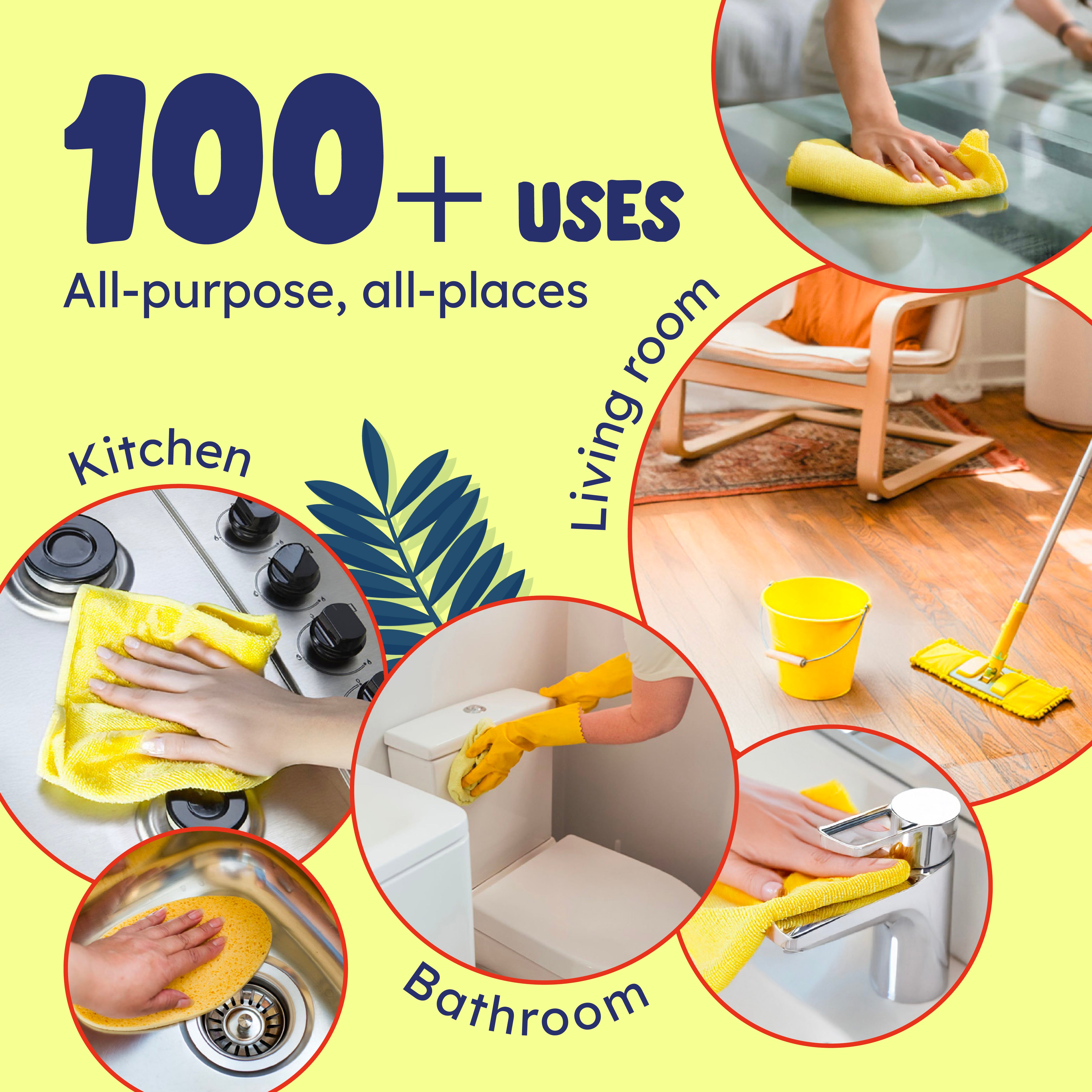
Vinegar is a natural and effective cleaner for kitchen surfaces. It removes grease, stains, and bacteria without harsh chemicals. Using vinegar keeps your kitchen fresh and safe. It works well on many materials, making it a versatile choice for cleaning.
Countertops And Cabinets
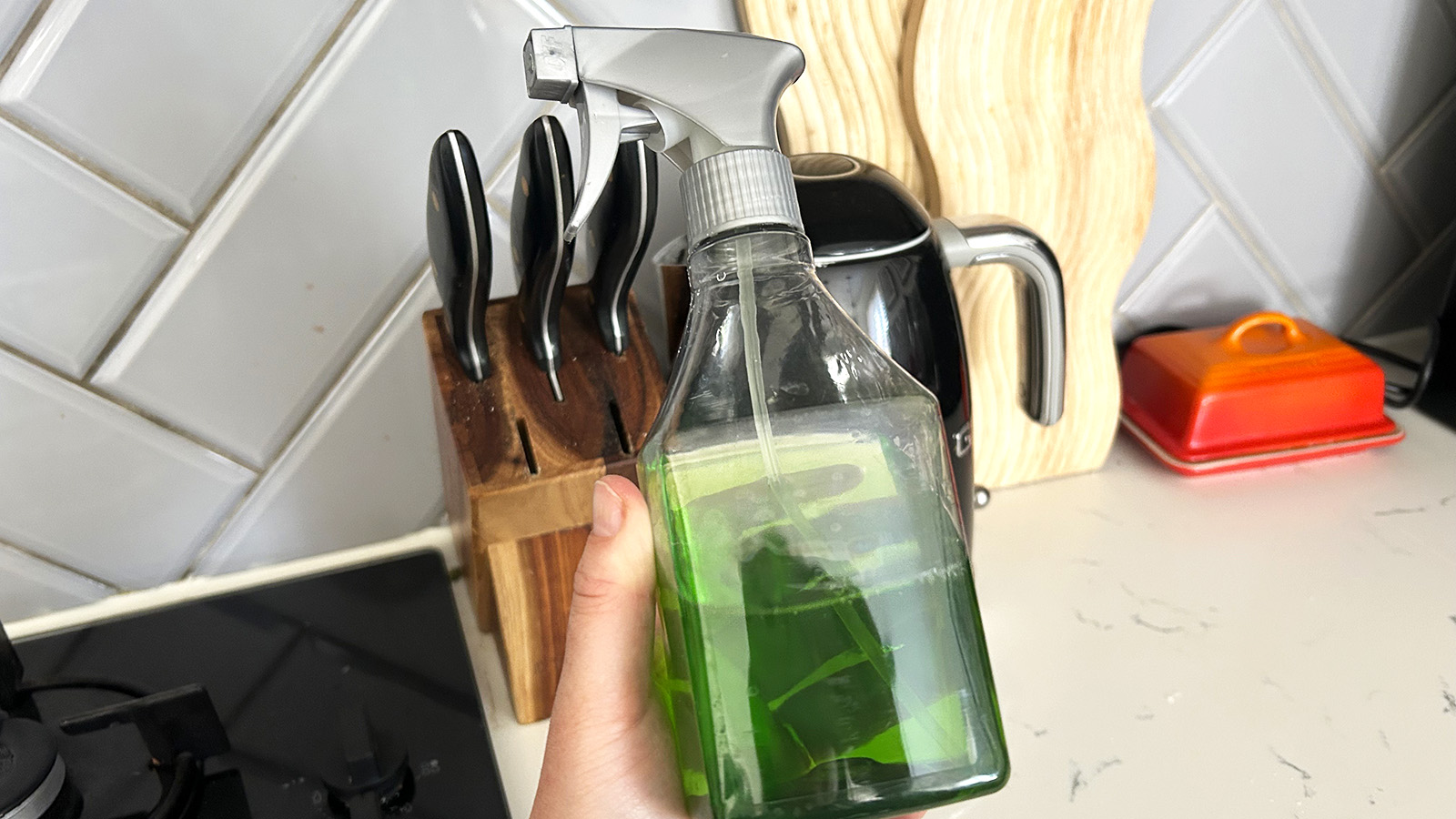
Mix equal parts of white vinegar and water in a spray bottle. Spray the solution on countertops and cabinet doors. Wipe with a soft cloth or sponge to remove dirt and grime. Avoid using vinegar on natural stone like granite or marble. Vinegar can dull these surfaces.
Sinks And Faucets
Pour undiluted vinegar into the sink to help clear away mineral deposits. Let it sit for 15 minutes, then scrub with a sponge. For faucets, soak a cloth in vinegar and wrap it around the base. Leave it for 10 minutes, then wipe clean. This removes build-up and makes faucets shine.
Stovetops And Ovens
Spray vinegar on greasy stovetops and oven surfaces. Let it sit for 5 to 10 minutes to loosen grease. Wipe with a damp cloth or sponge. For tough oven stains, mix vinegar with baking soda to form a paste. Apply the paste, let it sit, then scrub gently.
Removing Stains And Odors
Vinegar is a natural cleaner with many uses in the kitchen. It effectively removes stains and odors without harsh chemicals. Its acidic nature breaks down grime and neutralizes smells. Learn how vinegar can help in keeping your kitchen fresh and clean.
Eliminating Grease And Grime
Grease stains can be tough to remove. Vinegar makes it easier. Mix equal parts vinegar and water in a spray bottle. Spray the solution on greasy surfaces. Let it sit for a few minutes. Wipe with a clean cloth. This method works well on stovetops and counters.
For stubborn stains, make a paste with vinegar and baking soda. Apply the paste to the stain. Scrub gently with a sponge. Rinse with warm water. This paste is effective on pots, pans, and oven doors.
Neutralizing Food Smells
Cooking often leaves behind strong odors. Vinegar can neutralize these smells. Boil a cup of vinegar in a pot. Let the steam fill the kitchen. It absorbs odors like fish or burnt food.
You can also use vinegar in the fridge. Place a small bowl of vinegar inside. It will absorb unpleasant smells. Change the vinegar every few days for best results.
Maintaining Appliances With Vinegar
Vinegar is a natural cleaner that works well for kitchen appliances. It removes buildup and kills germs. Using vinegar helps keep appliances working properly and smelling fresh. This simple ingredient saves money and avoids harsh chemicals.
Descaling Coffee Makers And Kettles
Mineral deposits build up inside coffee makers and kettles over time. These deposits reduce heating efficiency and affect flavor. Vinegar breaks down these minerals quickly. Pour equal parts of water and white vinegar into the appliance. Run a full cycle or boil the solution. Afterward, rinse thoroughly with clean water. This process clears clogs and improves performance.
Refreshing Refrigerators And Microwaves
Refrigerators and microwaves often hold food odors and stains. Wiping surfaces with vinegar removes smells and cleans grime. Mix one part vinegar with two parts water in a spray bottle. Spray inside the fridge or microwave and wipe with a cloth. For tough stains, apply undiluted vinegar and let it sit for a few minutes before wiping. This keeps appliances fresh and hygienic.
Precautions When Using Vinegar
Vinegar is a natural and effective cleaner for many kitchen tasks. Still, it needs careful use to protect your surfaces and health. Knowing the right precautions helps you clean safely and avoid damage.
Surfaces To Avoid
Vinegar is acidic and can harm some materials. Avoid using it on these surfaces:
- Natural stone like granite, marble, or quartz
- Waxed or unfinished wood
- Aluminum or cast iron cookware
- Some hardwood floors
Using vinegar on these can cause dullness, etching, or corrosion. Test a small hidden spot first if unsure.
Proper Ventilation And Safety Tips
Vinegar has a strong smell that may irritate your eyes or throat. Always clean in a well-ventilated area. Open windows or turn on fans to keep air moving.
Wear gloves to protect your skin from irritation. Avoid mixing vinegar with bleach or hydrogen peroxide. These combinations create harmful gases.
Store vinegar out of reach of children and pets. Use it safely to keep your kitchen clean and healthy.
Credit: www.tomsguide.com
Frequently Asked Questions
What Are The Best Kitchen Surfaces To Clean With Vinegar?
Vinegar works well on countertops, sinks, glass, and stainless steel. Avoid using vinegar on natural stone like granite or marble, as it can damage the surface.
How Do I Make A Vinegar Cleaning Solution For The Kitchen?
Mix equal parts of white vinegar and water in a spray bottle. This solution effectively cleans and disinfects kitchen surfaces without harsh chemicals.
Can Vinegar Remove Grease And Grime From Kitchen Appliances?
Yes, vinegar cuts through grease and grime easily. Spray the solution, let it sit for a few minutes, then wipe with a clean cloth for best results.
Is Vinegar Safe To Use On Kitchen Cutting Boards?
Vinegar disinfects cutting boards, especially plastic or glass types. Avoid using it on wooden boards frequently to prevent drying and cracking.
Conclusion
Vinegar cleans your kitchen safely and cheaply. It removes stains and kills germs well. Use it on counters, sinks, and appliances. Mix with water for gentle cleaning. Avoid using on natural stone surfaces. Vinegar keeps your kitchen fresh without harsh chemicals.
Try it regularly for a tidy space. Simple, effective, and easy to find. Give vinegar a chance to help your cleaning.