
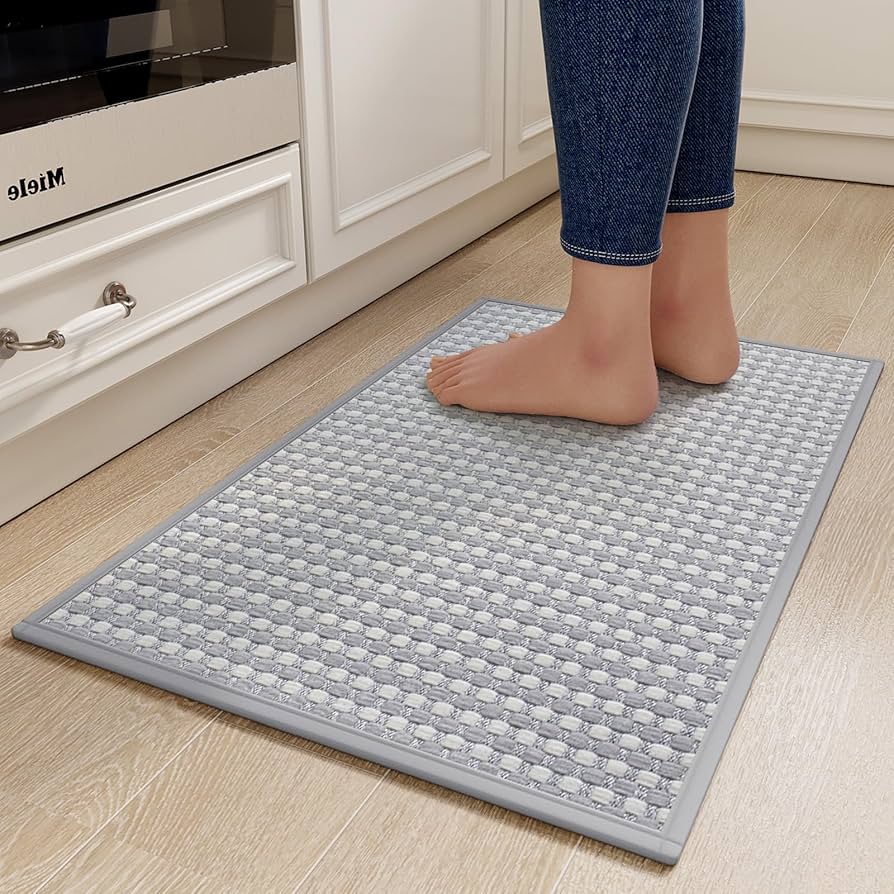
Your kitchen floor mats work hard every day, catching spills, crumbs, and dirt. But when was the last time you gave them a proper clean?
Washing your kitchen floor mats might seem like a chore, but doing it right can make your kitchen look fresher and keep germs at bay. You’ll discover simple, effective steps to wash your mats without damaging them. Stick with me, and you’ll learn how to keep your kitchen mats spotless, safe, and smelling great—all with minimal effort.
Ready to make your kitchen cleaner than ever? Let’s dive in!

Credit: www.amazon.com
Choosing The Right Cleaning Method
Choosing the right cleaning method for your kitchen floor mats can save you time and extend their life. Not all mats are created equal, so understanding the material and how it reacts to water and detergent is crucial. Before you start scrubbing, ask yourself: what’s the best way to clean this mat without causing damage?
Material Types And Care
Kitchen floor mats come in various materials like rubber, microfiber, cotton, and foam. Each one has specific cleaning needs. Rubber mats can usually handle a hose-down or mild soap wash, but harsh chemicals can ruin them.
Microfiber mats absorb water quickly but need gentle handling to avoid fraying. Cotton mats are soft but prone to shrinking if washed in hot water. Foam mats often require spot cleaning rather than full immersion because they can trap water inside.
Think about your mat’s material before choosing a cleaning method. Have you checked the care label? It often holds the best advice for keeping your mat fresh and intact.
Machine Washable Vs Hand Wash
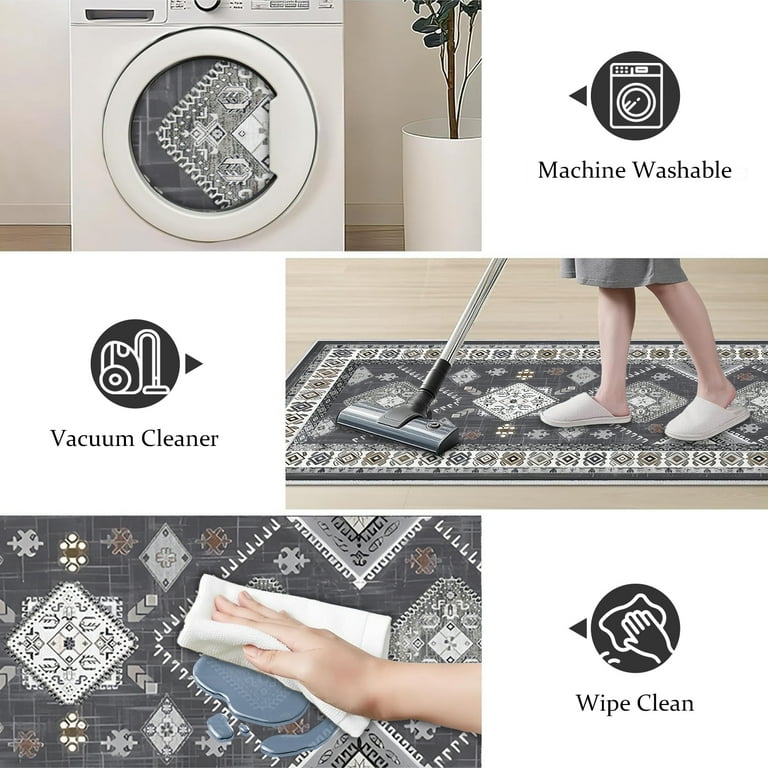
Some kitchen mats are designed to go right into your washing machine. Machine washable mats save time and usually come with clear instructions on water temperature and cycle type. However, not all mats can handle the agitator’s force.
Hand washing gives you more control, especially for delicate or thick mats. You can focus on stains and avoid wear and tear from machine spins. Using a soft brush and mild detergent works well for hand washing.
Consider how much effort you want to put in. Would you rather toss your mat in the machine or spend a few minutes scrubbing it by hand? Sometimes, a quick hand wash is all it takes to keep your mat looking new.
Preparing The Mats
Preparing your kitchen floor mats before washing is key to getting them truly clean. Skipping this step can leave dirt trapped inside the fibers, making your cleaning efforts less effective. Taking a few moments to prep the mats sets the stage for a deeper, more thorough wash.
Removing Loose Dirt And Debris
Start by taking your mats outside or to a well-ventilated area. Give them a good shake to dislodge loose dirt, crumbs, and dust. If shaking isn’t enough, use a vacuum cleaner with a brush attachment to suck out stubborn particles.
Pay special attention to corners and edges where dirt tends to gather. This simple step can save you time and improve the overall cleanliness after washing. Have you ever noticed how much dust hides in those hard-to-see spots?
Spot Treating Stains
Identify any visible stains or spots before you wash the mats. Apply a small amount of mild detergent or a stain remover directly on these areas. Let it sit for 5 to 10 minutes to break down grease or grime.
Use a soft brush or cloth to gently scrub the spots. This targeted approach prevents stains from spreading and ensures they come out in the wash. What stains on your mats have been the toughest to remove?
Washing The Mats
Remove loose dirt by shaking or vacuuming the kitchen floor mats. Use warm water and mild detergent to scrub them gently. Rinse well and air dry completely before placing back on the floor.
Washing the kitchen floor mats keeps them looking fresh and clean. It also helps maintain a hygienic kitchen environment. Proper washing removes stains, dirt, and bacteria. This ensures your mats stay in top condition for longer. Let's explore the best ways to wash your kitchen floor mats effectively.
Hand Washing Steps
Hand washing is a gentle method for delicate mats. Follow these simple steps:
- Fill a bucket with warm water and mild detergent.
- Submerge the mat in the soapy water.
- Gently scrub the surface with a soft brush.
- Rinse thoroughly with clean water.
- Hang the mat to air dry completely.
Machine Washing Tips
Some mats are safe for machine washing. Ensure yours is machine-washable first. Use these tips for best results:
- Place the mat in the washing machine.
- Select a gentle cycle with cold water.
- Add a mild laundry detergent.
- Avoid using bleach or harsh chemicals.
- Once washed, lay the mat flat to dry.
These methods help keep your kitchen mats clean and long-lasting.
Credit: www.walmart.com
Drying Techniques
Drying your kitchen floor mats properly is just as important as washing them. The right drying technique keeps your mats in great shape and prevents unpleasant smells or mold growth. Let’s look at some effective ways to dry your mats safely and thoroughly.
Air Drying Best Practices
Air drying is the safest way to dry your kitchen floor mats. Lay your mats flat on a clean, dry surface or hang them over a clothesline or railing to let the air do the work.
Make sure the area is well-ventilated to speed up drying time. If you hang your mat, avoid direct sunlight for long periods to prevent fading or material damage.
Have you noticed how damp mats can start to smell if left in a corner? Air drying helps avoid that by letting moisture evaporate naturally.
Avoiding Damage During Drying
Some mats contain rubber or non-slip backing that can get damaged by heat. Avoid using a dryer or placing mats near direct heat sources like radiators or heaters.
Heavy mats may become misshapen if hung improperly. Support the mat evenly by folding it over a thick rod or laying it flat to maintain its shape.
If your mat feels stiff after drying, try gently bending it a few times to restore flexibility without causing cracks or breaks.
Maintaining Clean Mats
Keeping kitchen floor mats clean is essential for a fresh and safe cooking space. Dirt, spills, and moisture can build up quickly. This buildup causes stains, odors, and even mold growth. Regular care helps maintain mats’ look and hygiene. Clean mats also protect your floors and reduce slip risks. Follow simple routines to keep mats in top shape every day.
Regular Cleaning Schedule
Set a cleaning routine based on mat use and kitchen activity. Wipe mats daily with a damp cloth to remove surface dust. Shake mats outside to get rid of loose dirt. Vacuum weekly to remove deep particles. For thorough cleaning, wash mats every two weeks or monthly. Use mild detergent and warm water for washing. Dry mats completely before placing them back on the floor.
Preventing Odors And Mold
Dry mats immediately after cleaning to avoid mold growth. Store mats in a dry, well-ventilated area when not in use. Use baking soda sprinkle to absorb bad smells. Let it sit for 15 minutes, then vacuum off. Avoid letting mats sit in damp areas for long. Check mats regularly for signs of mold or mildew. Clean mold spots with a vinegar solution to keep mats fresh.

Credit: www.vmathome.com
Frequently Asked Questions
How Often Should I Wash Kitchen Floor Mats?
Wash kitchen floor mats every 1 to 2 weeks. Frequent cleaning removes dirt, spills, and bacteria. This keeps your kitchen hygienic and mats fresh.
Can I Machine Wash All Kitchen Floor Mats?
Not all mats are machine washable. Check the care label first. Fabric and rubber mats often work well in machines, but some need hand washing.
What’s The Best Cleaning Solution For Kitchen Mats?
Use mild detergent or vinegar solution for cleaning. Avoid harsh chemicals to prevent damage. These solutions effectively remove stains and odors without harming mats.
How Do I Dry Kitchen Floor Mats After Washing?
Air dry mats flat or hang them outside. Avoid direct sunlight for rubber mats to prevent cracking. Proper drying prevents mold and extends mat life.
Conclusion
Washing kitchen floor mats keeps your space clean and fresh. Regular cleaning stops dirt and germs from building up. Use gentle soap and warm water for best results. Let mats dry completely before placing them back. Clean mats last longer and look better every day.
Small efforts make a big difference in kitchen hygiene. Keep your floor mats fresh for a healthier home. Easy steps, great results. Simple to do, worth the time.