
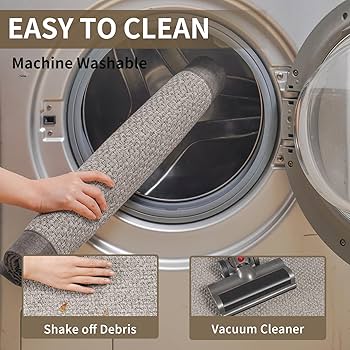
Your kitchen mat works hard every day, catching spills, crumbs, and dirt. But when was the last time you gave it a good clean?
Washing your kitchen mat in the washing machine might seem tricky, but it’s easier than you think—and it can make a big difference in keeping your kitchen fresh and safe. If you want to know the simple steps to get your mat spotless without damaging it, keep reading.
By the end of this article, you’ll have all the tips you need to wash your kitchen mats effectively and effortlessly.
Choosing The Right Mat
Choosing the right kitchen mat is key before washing it in a machine. Not all mats handle washing the same way. Picking a suitable mat ensures it stays clean and lasts longer. Consider the fabric and care instructions to avoid damage.
Material Matters
Kitchen mats come in many materials like cotton, rubber, and microfiber. Cotton mats absorb water well but can shrink if washed too hot. Rubber mats provide grip but might lose shape in the wash. Microfiber mats dry fast and resist stains but need gentle cycles. Knowing the material helps pick the right washing method.
Check Care Labels
Care labels give exact washing instructions. They tell you the best water temperature and cycle type. Some mats require hand washing or spot cleaning only. Ignoring these labels can ruin the mat’s texture and color. Always read and follow the care labels for best results.

Credit: www.amazon.ca
Pre-wash Preparation
Before tossing your kitchen mats into the washing machine, preparing them properly can make a big difference in the cleanliness and longevity of the mats. Taking a few moments to get rid of loose dirt and treat stubborn stains ensures that the wash cycle works more effectively. This preparation also helps protect your washing machine from damage caused by embedded debris.
Shake Off Debris
Start by taking your kitchen mat outside and giving it a good shake. This simple action removes crumbs, dust, and small particles that accumulate during daily use. You might be surprised how much dirt falls off with just a few firm shakes.
If your mat has a rubber backing, avoid harsh shaking that could damage it. Instead, gently beat the mat against a hard surface or use a soft brush to loosen dirt. Removing debris beforehand prevents your washing machine’s filter from clogging and keeps the machine running smoothly.
Spot Clean Stains
Spot cleaning is essential before the full wash. Look closely at your mat to identify any stubborn stains or grease spots. Treat these areas with a mild detergent or a mixture of baking soda and water.
Use a soft cloth or a toothbrush to gently scrub the stains. This targeted cleaning breaks down grime that a regular wash might not fully remove. Have you noticed that some stains seem to resist washing? Giving them extra attention beforehand can save you from rewashing the entire mat.
Machine Settings For Washing
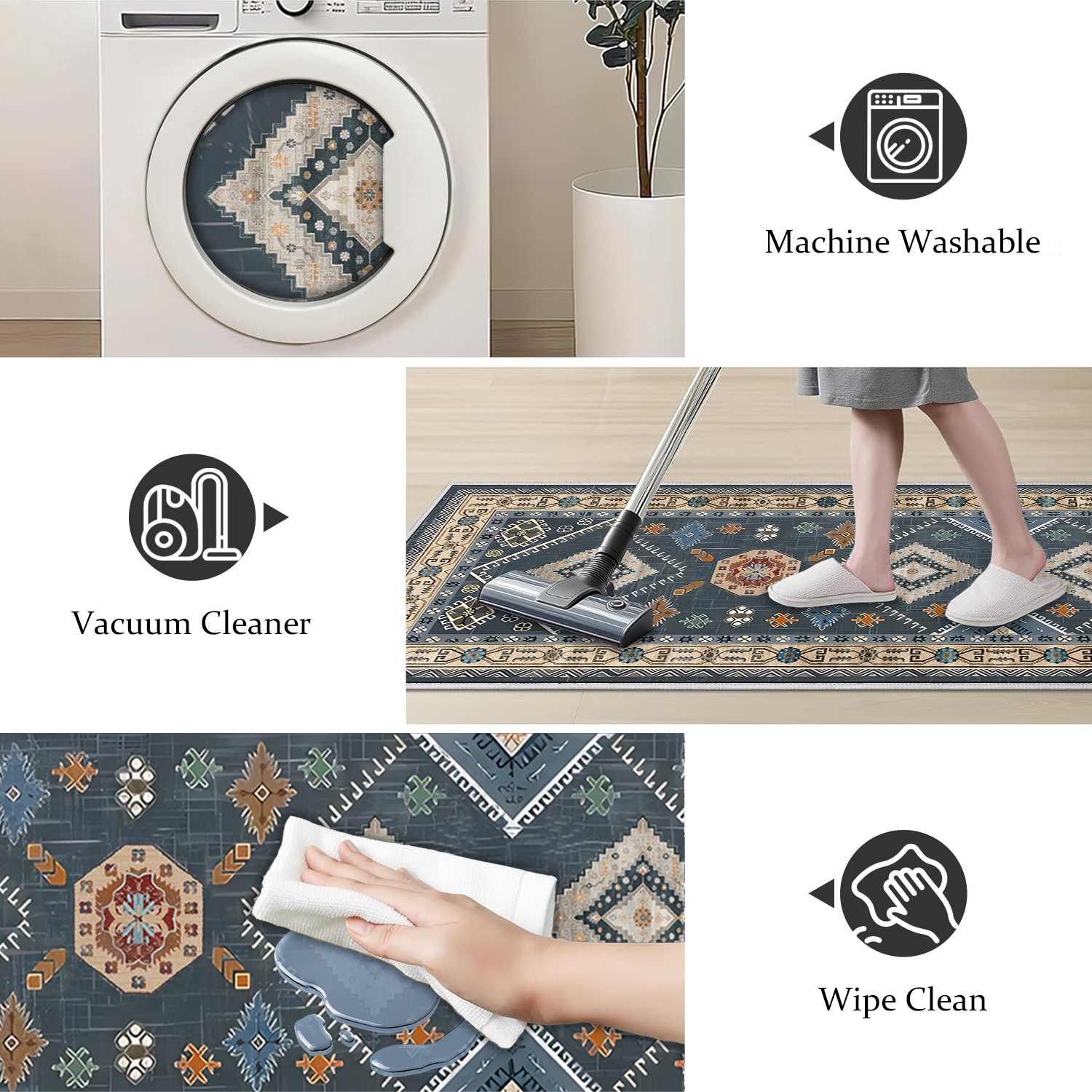
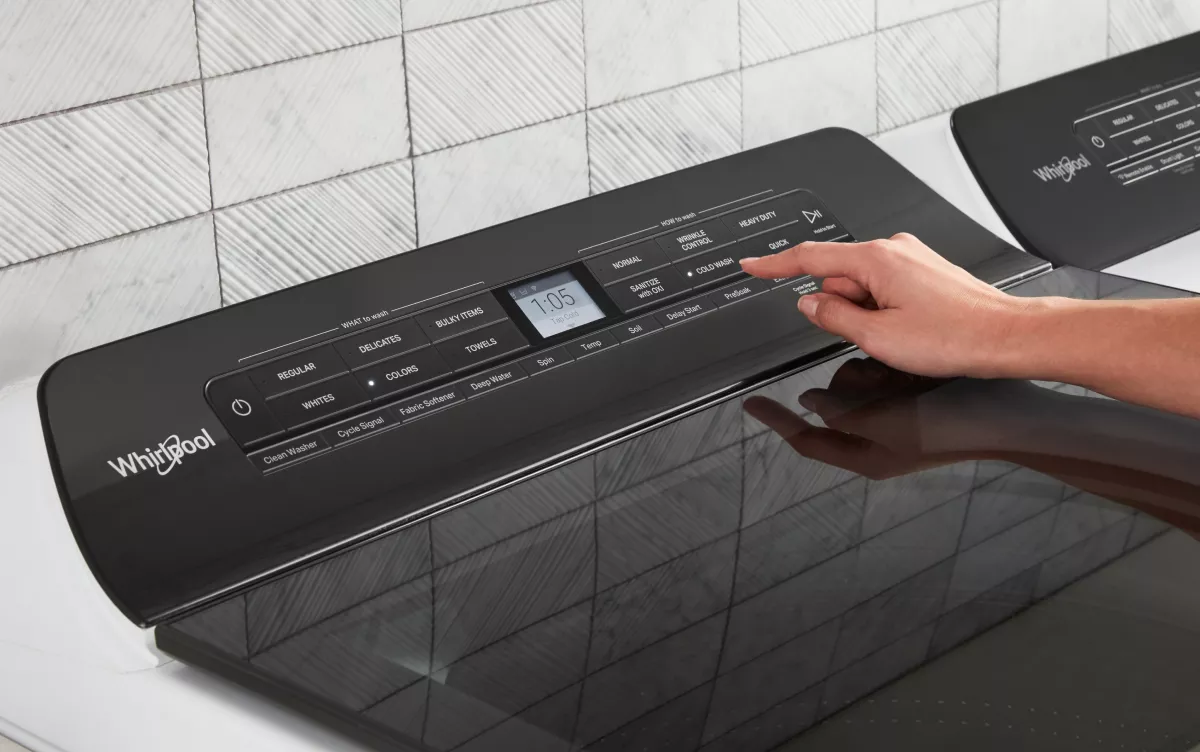
Choose a gentle cycle and cold water to protect your kitchen mats during washing. Use mild detergent and avoid bleach to keep colors bright and fabric soft. Select a low spin speed to prevent damage and maintain the mat’s shape.
Washing kitchen mats in a washing machine can be a convenient way to keep them fresh and clean. However, using the right machine settings is crucial to avoid damaging them. Here’s how you can ensure your mats are washed effectively while maintaining their quality.
Select Water Temperature
Choosing the right water temperature is the first step. Cold water is generally recommended for kitchen mats to prevent any shrinking or color fading. However, if your mats are especially dirty, warm water can be used to help dissolve grease and stains. Always check the mat's label for specific temperature recommendations.
Pick The Right Cycle
The washing cycle you choose can make a big difference. A gentle or delicate cycle is often best for kitchen mats as it minimizes wear and tear. If your mats are particularly robust, you might consider a normal cycle. But remember, the gentler the cycle, the longer your mats will last.
Use Suitable Detergent
Using the right detergent is essential for effective cleaning. Opt for a mild detergent to avoid harsh chemicals that might damage the mat fibers. Avoid using bleach unless absolutely necessary, as it can weaken the material. If you want to add a fresh scent, consider using a detergent with a light fragrance. What’s your experience with washing kitchen mats? Have you tried different settings and noticed a difference? Try experimenting with these settings to see what works best for your mats.
Credit: www.walmart.com
Drying Kitchen Mats
Drying kitchen mats properly is key to keeping them clean and lasting longer. After washing, drying removes moisture that can cause mold or bad smells. Choosing the right drying method helps maintain the mat’s shape and texture.
Some mats dry better in fresh air, while others need the speed of a dryer. Knowing which way to dry protects your mats from damage and keeps them safe for kitchen use.
Air Dry Vs. Machine Dry
Air drying is gentle and safe for most kitchen mats. Lay the mat flat or hang it outside. Sunlight helps kill germs and speeds drying. Air drying prevents shrinking and damage from heat.
Machine drying is faster but not always safe. Use a low heat or air fluff setting to avoid melting or warping. Check the mat’s label for dryer instructions. Some mats can handle machine drying without harm.
Avoiding Damage During Drying
- Do not dry mats on high heat to prevent shrinking or melting.
- Remove excess water before drying to speed the process.
- Keep mats flat while air drying to avoid wrinkles or bends.
- Avoid drying mats near direct heat sources like radiators.
- Check mats regularly during machine drying to stop early if needed.
Maintenance Tips
Keeping kitchen mats clean extends their life and keeps your kitchen fresh. Regular maintenance prevents dirt buildup and bad smells. It also stops mold from forming under the mat. A good cleaning routine helps your mats stay safe and comfortable to use daily.
Regular Cleaning Schedule
Set a fixed time for washing your kitchen mats. Washing them every two weeks works well for most homes. Use a gentle cycle and mild detergent in the washing machine. Always check the care label before washing. Shake off loose dirt before placing the mat in the machine. Dry mats completely before putting them back on the floor.
Preventing Odors And Mold
Keep mats dry to avoid mold growth. After washing, hang mats in a sunny spot or use a fan to dry fast. Avoid leaving wet mats on the floor. Spot clean spills immediately to stop stains and smells. Use baking soda on mats to absorb odors between washes. Vacuum mats regularly to remove dust and crumbs that cause smells.
Credit: www.whirlpool.com
Frequently Asked Questions
How Do I Prepare Kitchen Mats For Washing Machine?
Shake off dirt and debris before washing. Check care labels for machine wash instructions. Remove non-washable parts like rubber backing if possible.
What Washing Machine Settings Are Best For Kitchen Mats?
Use a gentle or delicate cycle with cold water. Avoid high heat to protect mat fibers and backing. Use mild detergent without bleach.
Can I Use Fabric Softener When Washing Kitchen Mats?
It’s best to avoid fabric softeners. They can reduce the mat’s slip resistance and damage rubber backing. Rinse mats thoroughly instead.
How Should I Dry Kitchen Mats After Washing?
Air dry kitchen mats flat or hang them in a well-ventilated area. Avoid using a dryer as heat can warp or damage mats.
Conclusion
Washing kitchen mats in a machine keeps them fresh and clean. Use mild detergent and a gentle cycle to protect the mats. Avoid high heat when drying to prevent damage. Regular cleaning helps remove dirt and bacteria effectively. Clean mats make your kitchen safer and more comfortable.
Follow these simple steps to care for your mats easily. Your kitchen will look neat and smell better too. Keep your mats clean, and enjoy a tidy cooking space every day.