

Have you ever wondered if your kitchen is truly safe from unexpected fires? When it comes to protecting your home, the kitchen is one of the most important places to focus on.
You might think a smoke detector is enough, but what about a heat detector? Understanding whether a heat detector is required in your kitchen could make all the difference in preventing a disaster. Keep reading to discover how this simple device can protect you, your family, and your home—before it’s too late.
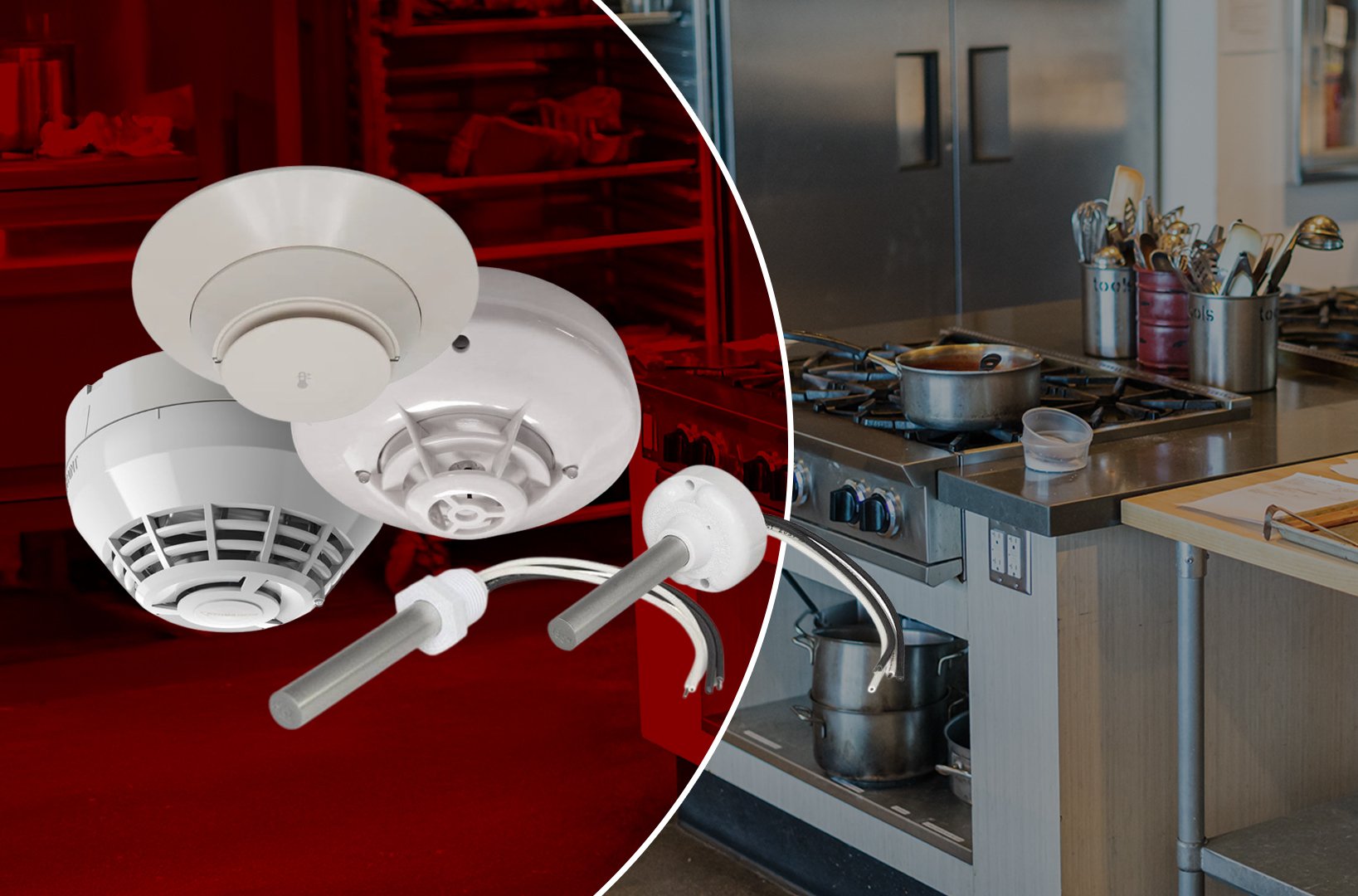
Credit: firealarm.com
Kitchen Fire Risks
The kitchen is often the heart of your home, but it can also be one of the most dangerous places if fire safety is overlooked. Cooking activities involve open flames, hot surfaces, and flammable oils, all combining to create a risk for fires. Understanding these risks helps you make smarter choices about safety measures, including whether a heat detector is necessary in your kitchen.
Common Causes Of Kitchen Fires
Many kitchen fires start from everyday actions that might seem harmless. Unattended cooking is the leading cause—leaving a pan on the stove without watching it can quickly turn into a fire hazard.
Other frequent causes include:
- Grease buildup on stovetops and vents catching fire
- Electrical appliances malfunctioning or overheating
- Flammable items left too close to heat sources, like dish towels or paper products
Have you ever rushed out of the kitchen only to worry if you left something on? That moment of doubt shows how easy it is to unintentionally increase fire risk.
Impact Of Fires In Residential Kitchens
Fires in kitchens can cause more than just property damage—they can threaten your safety and well-being. Smoke inhalation and burns are serious dangers, and the chaos of a fire can cause panic, making it harder to react swiftly.
Beyond immediate harm, fires can lead to long-term consequences such as:
- Costly repairs and loss of personal belongings
- Temporary displacement while your home is restored
- Emotional stress and trauma
Considering the impact, you might ask yourself: could a heat detector give me extra time to act before a fire spreads? Installing one could be a simple step to protect your kitchen and your family.
Types Of Heat Detectors
Understanding the types of heat detectors is key when deciding if you need one in your kitchen. Different detectors respond to heat changes in unique ways, affecting how quickly they alert you to potential fires. Knowing these differences helps you choose the right protection for your home or business.
Fixed Temperature Detectors
Fixed temperature detectors activate when the heat reaches a specific temperature, usually around 135°F (57°C). They stay silent until the temperature hits that point, which means they won’t react to brief heat spikes but will alert you during sustained high temperatures.
This type is reliable in kitchens where normal cooking creates occasional heat bursts. It avoids false alarms but may respond slower if the fire starts with a rapid temperature rise. Have you noticed how sometimes smoke alarms go off just from burnt toast? Fixed temperature detectors help reduce those annoying false alarms.
Rate-of-rise Detectors
Rate-of-rise detectors trigger when the temperature rises quickly, typically about 15°F (8.3°C) per minute. They focus on how fast the heat changes rather than just the temperature itself. This allows them to catch fires that develop rapidly, giving you an early warning.
In a kitchen, where sudden temperature jumps can signal danger, these detectors respond faster than fixed temperature ones. However, they might be more prone to false alarms during intense cooking. Have you ever wondered why some alarms go off just because you’re frying something hot? Rate-of-rise detectors might be the reason.
Heat Detectors Vs Smoke Detectors
Heat detectors and smoke detectors both serve to alert you of fire risks. They detect different signs of fire and work best in specific areas. Knowing their differences helps decide which fits your kitchen’s safety needs.
Functionality Differences
Heat detectors sense a rise in temperature. They activate only when the heat reaches a certain level. Smoke detectors identify smoke particles in the air. They can trigger alarms early during a fire’s start. Smoke detectors react faster in most fire types. Heat detectors avoid false alarms caused by cooking fumes.
Suitability For Kitchen Environments
Kitchens often produce smoke and steam during cooking. Smoke detectors may cause frequent false alarms here. Heat detectors are less likely to be triggered by normal kitchen activity. They detect actual fire heat rather than smoke or steam. This makes heat detectors more reliable for kitchen safety. Choosing the right detector reduces unnecessary alarms and keeps safety effective.
Regulations And Standards
Understanding the regulations and standards around heat detectors in kitchens is crucial. These rules are designed to keep you safe while ensuring your kitchen operates efficiently without unnecessary alarms. Knowing what your local and national requirements are can save you time, money, and stress.
Local Fire Safety Codes
Local fire safety codes vary widely depending on where you live. Some areas require heat detectors in kitchens, especially in commercial settings, while others do not. Checking with your local fire department or building authority will give you clear guidance.
These codes often focus on preventing false alarms caused by smoke from cooking but still emphasize early fire detection. You might find that a heat detector is mandatory if your kitchen is part of a larger commercial space or multi-unit building. Are you aware of how your local codes impact your kitchen safety setup?
Building Regulations For Kitchens
Building regulations often include rules about fire detection devices in kitchens to ensure overall safety. For instance, some regulations require heat detectors instead of smoke alarms in kitchens because smoke alarms can be triggered by regular cooking fumes.
In residential buildings, these rules might be less strict but still recommend heat detectors for enhanced protection. Commercial kitchens usually have stricter rules to comply with health and safety standards, which often means installing heat detectors strategically.
Have you checked whether your kitchen meets these building regulations? Sometimes, a simple upgrade to your fire detection system can make a big difference in safety and compliance.
Benefits Of Heat Detectors In Kitchens
Heat detectors offer important safety benefits in kitchens. They sense rising temperatures and alert occupants early. This early warning helps prevent fire damage and ensures safety. Unlike smoke detectors, heat detectors work well in smoky, steamy kitchen environments. They reduce false alarms caused by cooking fumes or steam. Installing heat detectors adds a reliable layer of fire protection in kitchens.
Early Fire Detection
Heat detectors spot fast temperature rises from flames or hot surfaces. They react quickly to fires before smoke spreads. This fast alert gives more time to act and escape. Early detection limits damage to property and reduces injury risk. Kitchens, with their many heat sources, benefit greatly from this quick warning.
Reducing False Alarms
Smoke from cooking often triggers false alarms in smoke detectors. Heat detectors ignore smoke and focus on temperature changes only. This reduces nuisance alarms that cause stress and interruptions. Fewer false alarms mean people take warnings more seriously. Heat detectors keep kitchens safer without constant, unnecessary alerts.
Installation Tips
Installing a heat detector in the kitchen requires careful planning to ensure it works effectively. Proper placement and regular upkeep are key factors for safety. Correct installation helps detect heat early and prevent damage. Follow these tips to install and maintain your kitchen heat detector properly.
Optimal Detector Placement
Place the heat detector on the ceiling, at least 10 feet away from cooking appliances. Avoid locations near vents, windows, or fans to prevent false alarms. Keep the detector away from areas with high humidity or steam, like above the stove. Position it where heat can reach quickly but not where smoke or cooking fumes trigger it unnecessarily.
- Mount the detector on a flat ceiling surface.
- Keep it at least 12 inches from walls or corners.
- Do not place near air conditioners or exhaust fans.
- Follow manufacturer guidelines for specific distance rules.
Maintenance And Testing
Regular maintenance keeps your heat detector reliable. Clean it every month to remove dust and grease. Use a soft brush or vacuum with a brush attachment. Test the detector once a month using the test button. Replace batteries annually or as recommended. Replace the entire unit every 10 years to ensure optimal function.
- Test the detector by pressing the test button.
- Clean gently to avoid damaging the sensor.
- Record test dates and battery changes.
- Replace units past their lifespan.
Alternatives And Complements
Heat detectors can enhance kitchen safety by detecting rising temperatures. Smoke alarms often get triggered by cooking, so consider heat detectors as an alternative. They can serve as a complement to smoke alarms, providing a balanced approach to fire safety.
When it comes to kitchen safety, many homeowners question whether a heat detector is essential. The kitchen, being a hotspot for culinary creativity, often sees a mix of smoke, heat, and occasionally, small fires. While heat detectors play a crucial role, exploring alternatives and complements can offer a more comprehensive safety net.
Using Smoke Detectors
Smoke detectors are popular in many homes for their ability to sense smoke particles. They can alert you to the first sign of a potential fire, even before flames become visible. However, in a kitchen, they can be quite sensitive and trigger false alarms frequently due to cooking activities. To minimize false alarms, consider a smoke detector with a hush button. This feature allows you to temporarily silence the alarm without disabling its function. Placing smoke detectors slightly away from the main cooking area can also help reduce unnecessary alerts.
Fire Suppression Systems
Fire suppression systems are a robust option to combat kitchen fires. These systems are designed to automatically release a fire-suppressing agent, like foam or gas, when they detect a fire. They can be installed under hoods or above stove tops, offering targeted protection where it's needed most. While they might seem like overkill for a regular kitchen, they provide peace of mind, especially in homes where cooking is a daily affair. If you have ever experienced a grease fire, you know the importance of quick action, making suppression systems a valuable addition. Think about how often you cook and the types of meals you prepare. Are you willing to invest in a system that could potentially save your home from fire damage? Balancing between proactive measures and essential safety tools is key to a safe kitchen environment.

Credit: www.fireangel.co.uk
Cost Considerations
Cost considerations play a big role in deciding to install a heat detector in a kitchen. Understanding upfront expenses and ongoing benefits helps make a smart choice. Kitchens have unique risks, so choosing the right detector matters.
Pricing Of Heat Detectors
Heat detectors vary in price based on type and features. Basic models start at a low cost. More advanced units with digital displays or wireless options cost more.
- Basic heat detectors: $20 - $50
- Mid-range models: $50 - $100
- High-end detectors: $100 and above
Installation fees add to the total expense. Professional installation ensures proper setup and safety.
Long-term Savings
Heat detectors can prevent costly fire damage. Early alerts reduce property loss and injury risk. Insurance companies may lower premiums with detectors installed.
Maintenance costs are generally low. Regular testing and battery changes keep detectors working well.
Investing in heat detectors saves money over time. They protect your home and provide peace of mind.
Credit: www.firedetectionshop.co.uk
Frequently Asked Questions
Is A Heat Detector Necessary For Kitchen Safety?
Yes, heat detectors are essential in kitchens. They detect rapid temperature rises, reducing false alarms from cooking smoke. This enhances fire safety without frequent disturbances, making them ideal for kitchen environments.
How Do Heat Detectors Differ From Smoke Alarms In Kitchens?
Heat detectors sense temperature spikes, while smoke alarms detect smoke particles. Kitchens often produce smoke during cooking, causing false alarms. Heat detectors prevent this by focusing on heat, offering more reliable fire detection in cooking areas.
Where Should Heat Detectors Be Installed In A Kitchen?
Install heat detectors on the ceiling, away from cooking appliances. Position them where heat can rise freely but avoid direct steam or grease sources. Proper placement ensures accurate detection and minimizes false alarms.
Are Heat Detectors Legally Required In Residential Kitchens?
Regulations vary by location, but many codes recommend heat detectors in kitchens. They complement smoke alarms and enhance fire safety. Check local fire safety codes to ensure compliance with heat detector requirements.
Conclusion
A heat detector in the kitchen helps catch fires early. It senses heat, not smoke, so it works well near stoves. Many safety rules suggest having one for protection. It can give extra time to act during a fire. Small investment, big peace of mind.
Keep your kitchen safer with a heat detector. Safety first, always.