
Have you ever wondered if you really need a smoke detector in your kitchen? Your kitchen is one of the busiest places in your home, filled with heat, steam, and sometimes unexpected sparks.
But does that mean a smoke detector is a must-have there? Knowing the answer could protect your home and loved ones from fire dangers you might not even realize. Keep reading to discover why a smoke detector in your kitchen might be more important than you think—and how it can keep you safe every day.

Credit: www.yourhomewiz.com
Smoke Detector Regulations
Smoke detector regulations are essential to keeping your home safe, especially in high-risk areas like the kitchen. These rules vary depending on national standards and local laws, but they all aim to prevent fire hazards and save lives. Understanding these regulations helps you decide the best way to protect your kitchen without causing false alarms.
National Fire Codes
National fire codes set the baseline for smoke detector requirements across the country. They usually require smoke detectors in every bedroom, hallway, and living area. However, these codes often treat kitchens differently due to the high chance of false alarms from cooking.
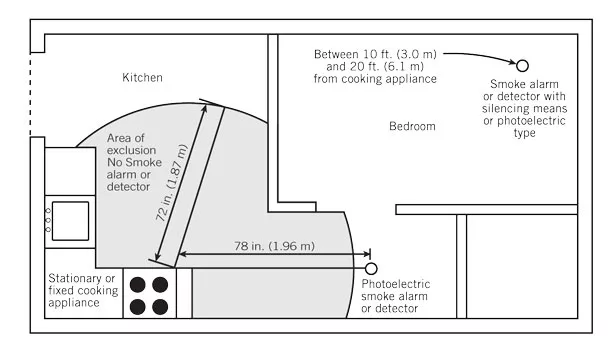
The National Fire Protection Association (NFPA) suggests installing smoke detectors at least 10 feet away from cooking appliances. This distance helps reduce false alarms while maintaining safety. You might wonder if this means you don’t need any detector right inside the kitchen, but the answer depends on specific local rules.
Local Building Requirements
Your city or county may have building codes that add extra rules on top of national standards. Some local laws require smoke detectors in or near kitchens, while others allow only heat detectors in those areas. Checking with your local fire department or building office can clear up any confusion.
For instance, a friend of mine recently renovated their kitchen and had to install a heat detector instead of a smoke detector because their local code prohibited smoke alarms inside the kitchen itself. This saved them from constant false alarms but still ensured early fire detection.
Exceptions For Kitchen Areas
Many regulations provide exceptions for kitchens because typical smoke detectors can trigger false alarms during normal cooking. Instead, heat detectors or specialized smoke alarms designed for kitchen use might be required. These devices react to high temperatures rather than smoke particles.
Have you ever had your smoke detector go off just because you burnt toast? That’s exactly why exceptions exist. Choosing the right type of detector for your kitchen balances safety with convenience, reducing unnecessary disruptions while keeping your home protected.
Types Of Smoke Detectors
Smoke detectors come in different types, each designed for specific fire detection needs. Choosing the right one for your kitchen can improve safety and reduce false alarms. Understanding the differences helps you pick the best option.
Ionization Vs Photoelectric
Ionization smoke detectors respond quickly to fast, flaming fires. They detect small smoke particles from flames. Photoelectric detectors sense slow, smoldering fires. These create larger smoke particles. Kitchens often trigger false alarms with ionization types due to cooking smoke. Photoelectric detectors are better for kitchens because they reduce false alarms.
Combination Alarms
Combination alarms use both ionization and photoelectric sensors. They provide broad fire detection coverage. These alarms detect both fast flames and slow smoldering fires. Combination alarms offer reliable protection in various home areas. They can be a good choice for kitchens if installed carefully.
Heat Detectors For Kitchens
Heat detectors sense temperature changes instead of smoke. They activate only when heat reaches a set level. This feature reduces false alarms caused by cooking smoke and steam. Heat detectors are ideal for kitchens with frequent smoke or steam. They provide safety without unnecessary noise.
Placement Challenges In Kitchens
Smoke detectors in kitchens face placement challenges due to frequent cooking smoke and steam. Proper positioning avoids false alarms while ensuring safety. Many codes recommend installing detectors just outside the kitchen area.
Placing smoke detectors in kitchens can be quite a puzzle. The main goal is safety, but the kitchen's unique environment introduces its own set of challenges. With cooking activities generating heat and smoke, the placement of smoke detectors demands careful consideration to avoid unnecessary disruptions.
False Alarms From Cooking
A common frustration in the kitchen is the frequent triggering of smoke alarms while cooking. A sizzling steak or a slightly overdone toast can set off the alarm, causing more annoyance than safety. You might find yourself waving a towel under the detector more often than you'd like. This inconvenience often leads people to disable the alarm, which defeats its purpose entirely.
Ideal Locations For Detectors
Finding the right spot for a smoke detector in the kitchen is crucial. Installing the detector too close to cooking appliances can lead to frequent false alarms. It's recommended to place it at least 10 feet away from cooking appliances to minimize unwanted alerts. Additionally, positioning it near the entryway of the kitchen can help in detecting smoke before it spreads to other parts of the home.
Using Heat Detectors Instead
In areas where smoke detectors might be more of a nuisance, consider using heat detectors. These devices are designed to sense rapid temperature increases rather than smoke. They are less likely to trigger false alarms from cooking activities. Heat detectors can be a smart alternative, especially in bustling kitchens where culinary experiments are frequent. Choosing the right type of detector and its placement could be the difference between peace of mind and constant irritation. Have you considered all the options for your kitchen's safety setup?
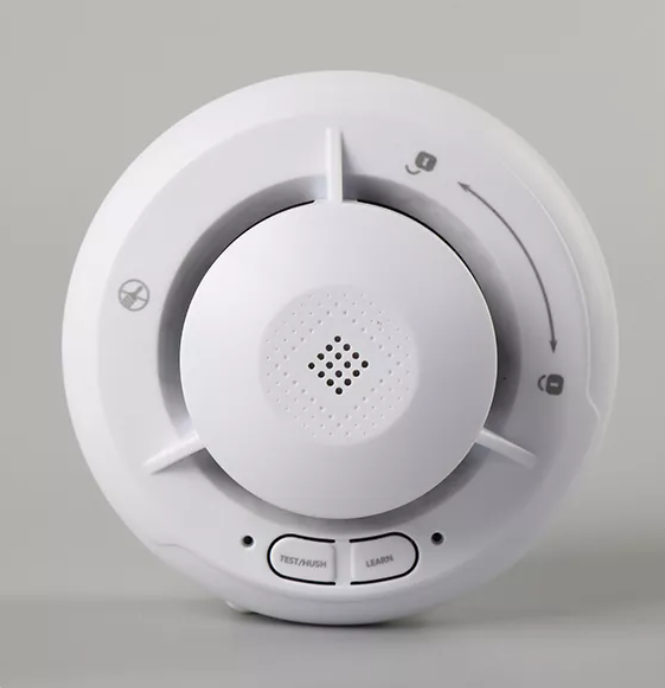
Credit: www.kingdunalarm.com
Safety Benefits Of Kitchen Detectors
Kitchen smoke detectors offer crucial safety benefits that go beyond simple alert systems. They serve as your first line of defense against fire hazards that can quickly escalate in a kitchen environment. Understanding these benefits can help you decide how to best protect your home and loved ones.
Early Fire Detection
Smoke detectors in the kitchen catch fires in their earliest stages, giving you precious minutes to act. Cooking fires can start silently, producing smoke long before flames appear.
Imagine a small grease fire that begins unnoticed while you’re distracted. A detector will alert you immediately, allowing you to extinguish it before it spreads.
Preventing Property Damage
Early warnings from kitchen detectors limit the damage a fire can cause to your home and belongings. Fires that go undetected can destroy cabinets, appliances, and even the entire structure.
By alerting you early, these devices reduce repair costs and help maintain your home’s value. Wouldn’t you want to avoid the expense and hassle of major fire damage?
Protecting Occupants
Smoke detectors protect everyone in your home by providing an early warning to evacuate. Kitchens are busy places where people may not notice danger immediately.
Quick alerts give you and your family time to escape safely, reducing the risk of injury or worse. How much peace of mind is knowing your loved ones can get out safely worth to you?
Installation Tips
Proper installation of a smoke detector in the kitchen ensures safety without frequent false alarms. Follow these tips to place and maintain your device correctly. This will help your smoke detector work effectively and last longer.
Distance From Cooking Appliances
Place smoke detectors at least 10 feet away from ovens, stoves, and other cooking devices. This distance reduces false alarms caused by normal cooking smoke or steam. Mount detectors on the ceiling or high on a wall, as smoke rises. Avoid placing detectors near windows, doors, or vents where drafts can interfere.
Maintenance And Testing
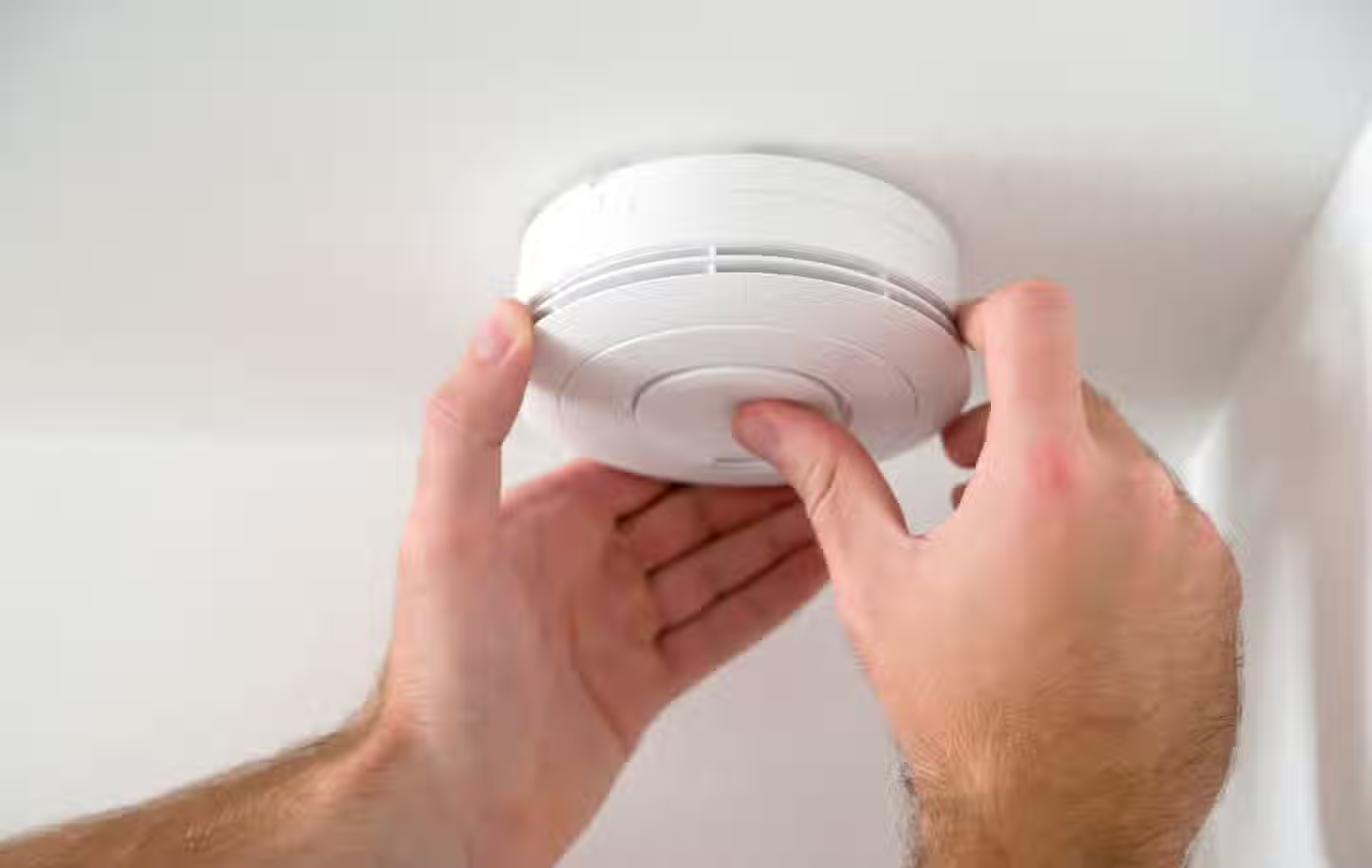
Test your smoke detector monthly to confirm it works well. Press the test button until you hear the alarm sound. Clean the device regularly to remove dust and grease. Use a soft brush or vacuum cleaner gently around the sensor. Replace the smoke detector every 10 years or as recommended by the manufacturer.
Battery Vs Hardwired Systems
Battery-powered detectors are easy to install and move. Check batteries twice a year and replace them promptly. Hardwired detectors connect to your home's power and often include a battery backup. They provide reliable operation without battery changes but need professional installation. Choose based on your kitchen setup and convenience.
Credit: www.servpro.com
Alternative Safety Devices
Smoke detectors are essential, but kitchens can be tricky places for them due to frequent cooking smoke and steam. This is why many homeowners turn to alternative safety devices that help protect the kitchen without constant false alarms. These alternatives can provide reliable safety while fitting better with your cooking environment.
Fire Extinguishers
Every kitchen should have a fire extinguisher within easy reach. It’s your first line of defense if a small fire starts on the stove or in the oven. Knowing how to use it properly can stop a disaster before the fire department arrives.
Choose a multipurpose extinguisher rated for kitchen fires (Class K or ABC). Place it near an exit so you can escape if needed. Regularly check the pressure gauge and replace or recharge it after use.
Range Hood Vents
Range hood vents do more than remove cooking smells—they reduce smoke and heat buildup. This can lower the risk of a fire starting or spreading in your kitchen. A well-functioning vent keeps the air clear, which helps reduce smoke detector false alarms.
Make sure your range hood is properly installed and cleaned often. Grease buildup can become a fire hazard itself. If you don’t have one, consider installing a vent with a strong fan and a good filter to improve kitchen safety.
Smart Home Fire Alerts
Technology can make your kitchen safer with smart fire alert systems. These devices connect to your phone and notify you instantly if smoke or heat is detected. You can react quickly, even if you're not at home.
Some smart detectors differentiate between cooking smoke and real fire threats. This reduces annoying false alarms while keeping you protected. Would you trust a system that alerts you remotely to prevent a kitchen fire from spreading?
Frequently Asked Questions
Is A Smoke Detector Necessary Inside The Kitchen?
A smoke detector inside the kitchen is often not recommended due to frequent cooking smoke. Instead, place detectors nearby, like in hallways, to avoid false alarms while maintaining safety.
Where Should Kitchen Smoke Detectors Be Installed?
Install smoke detectors at least 10 feet from cooking appliances. This placement reduces false alarms while ensuring early fire detection near the kitchen area.
Are Smoke Alarms Required By Law In Kitchens?
Building codes vary, but most require smoke alarms near kitchens, not inside. Check local regulations to ensure compliance and optimal fire safety.
What Type Of Smoke Detector Suits Kitchens Best?
Photoelectric smoke detectors are best near kitchens. They detect smoldering fires and reduce false alarms caused by cooking smoke compared to ionization detectors.
Conclusion
Smoke detectors save lives by alerting you early. Kitchens have many fire risks, so safety matters. A smoke detector in the kitchen helps catch fires fast. It gives you time to act and call for help. Always follow local rules about smoke detector placement.
Choose a detector designed to handle kitchen smoke and steam. Regularly check and maintain your smoke detector for best results. Keeping your kitchen safe protects your home and family. Simple steps can prevent serious accidents and damage. Safety starts with awareness and the right tools nearby.