
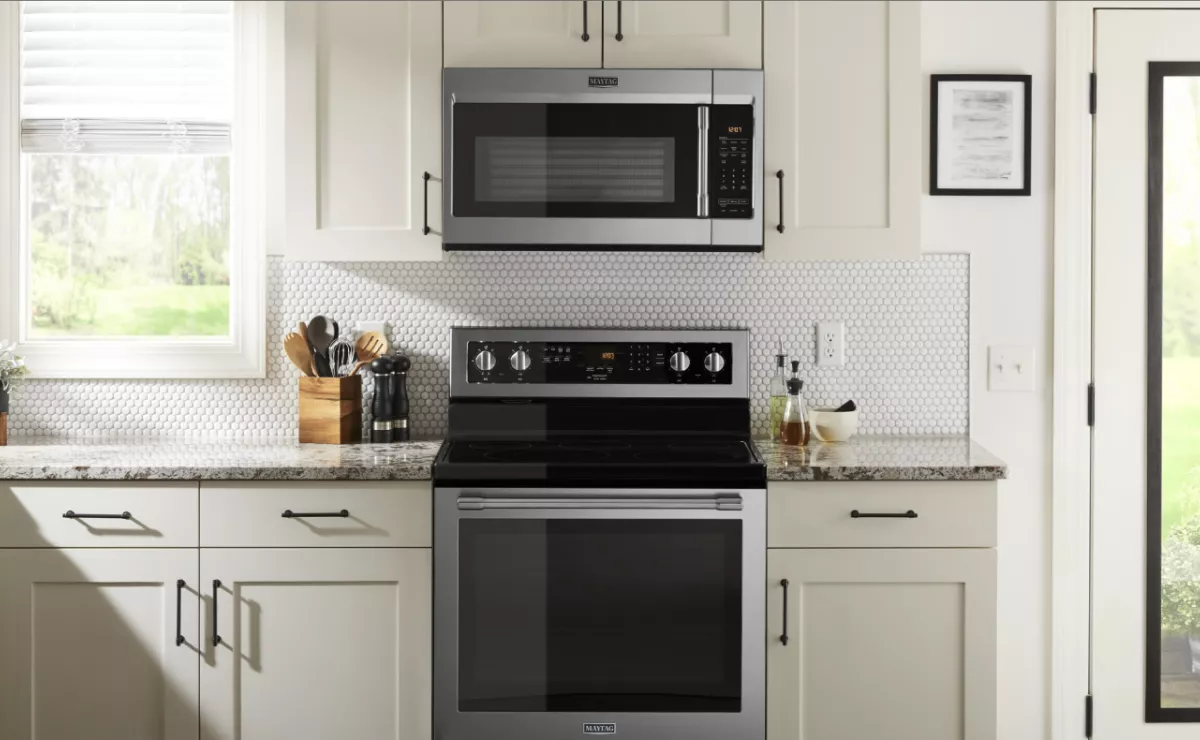
Have you ever stopped to think about what really makes up your kitchen? You might list your fridge, microwave, or toaster, but where does your oven fit in?
Is an oven just another kitchen appliance, or is it something more essential? Understanding this can change how you see your cooking space and even how you use your oven every day. Keep reading, and you’ll discover surprising facts that will make you appreciate your oven like never before.
What Qualifies As A Kitchen Appliance
Understanding what qualifies as a kitchen appliance helps you better organize your cooking space and choose tools that truly enhance your efficiency. A kitchen appliance is any device that uses electricity or gas to perform specific tasks related to food preparation or storage. These devices range from small gadgets like blenders to larger installations like refrigerators, all designed to make your cooking experience smoother.
Common Kitchen Appliance Types
Kitchen appliances come in various shapes and sizes. You have large appliances, often called "major appliances," like ovens, refrigerators, and dishwashers. These are usually built into your kitchen or take up significant space.
Then there are smaller appliances, which you can easily move or store away. These include toasters, mixers, coffee makers, and food processors. Each serves a unique role but shares the common goal of simplifying your kitchen tasks.
Role In Food Preparation
Think about the last meal you cooked. Did you use an appliance to speed up chopping, blend ingredients, or bake your dish? Appliances like ovens are essential because they apply heat evenly and reliably, transforming raw ingredients into delicious meals.
Kitchen appliances save you time and effort, making complex cooking techniques accessible. They can also improve food safety by ensuring proper cooking temperatures. What kitchen tool do you rely on most to turn your ideas into tasty dishes?

Credit: www.consumerreports.org
Oven's Function In The Kitchen
The oven plays a vital role in the kitchen. It heats food evenly and thoroughly. Many dishes depend on an oven for perfect cooking. The oven’s function goes beyond just heating. It transforms raw ingredients into delicious meals.
Cooking And Baking Capabilities
An oven allows a wide range of cooking techniques. It bakes bread, cakes, and cookies. Roasting meats and vegetables is easy with an oven. It can also broil foods quickly at high heat. Slow cooking and dehydrating are possible too. The oven’s controlled heat makes food tender and flavorful. It provides consistent temperatures for perfect results. This versatility makes it essential in any kitchen.
Types Of Ovens
There are several types of ovens used in kitchens. Each type suits different cooking needs and spaces.
- Conventional ovens use heating elements at top and bottom.
- Convection ovens have fans to circulate hot air.
- Microwave ovens heat food using electromagnetic waves.
- Toaster ovens are small and ideal for quick meals.
- Steam ovens cook food using steam for moisture retention.
- Wall ovens are built into kitchen walls for space-saving.
Choosing the right oven depends on cooking style and kitchen size. Each type offers unique advantages for preparing meals.
Oven Vs Other Kitchen Appliances
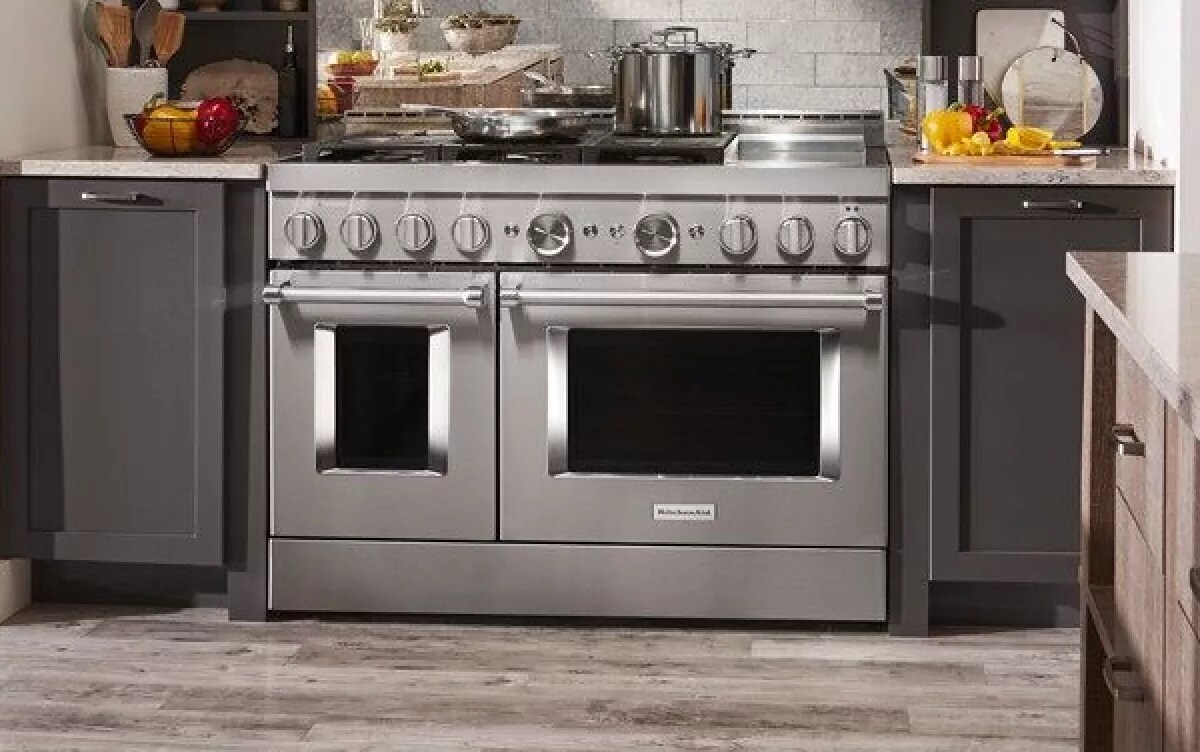
In every kitchen, appliances serve different roles. The oven stands out among them. It's a versatile tool essential for baking, roasting, and more. Yet, how does it compare to other appliances?
Differences In Usage
Ovens excel in baking and roasting. They handle large meals well. In contrast, microwaves heat food quickly. They suit reheating and simple cooking tasks. Toasters focus on browning bread and bagels. They offer quick results. Slow cookers simmer food over hours. They are perfect for stews and soups. Each appliance has unique strengths.
Energy Consumption Comparison
Ovens usually consume more energy. This is due to their size and heat output. Microwaves use less energy. They cook food faster and require less power. Toasters consume minimal energy. They operate for short periods. Slow cookers use low energy. They work over extended hours but maintain low temperatures. Understanding energy use helps in choosing the right appliance.
Credit: www.kitchenaid.com
Benefits Of Having An Oven
Owning an oven brings several advantages that can transform your cooking experience. It’s more than just a tool; it’s a gateway to making meals easier, tastier, and more diverse. Understanding the benefits can help you decide how an oven fits into your kitchen and lifestyle.
Versatility In Cooking
An oven lets you cook a wide range of dishes, from baking bread to roasting vegetables and meats. You can try out new recipes without needing multiple appliances cluttering your kitchen.
Think about how you can prepare a whole meal in one device—roast chicken alongside baked potatoes, for example. This flexibility saves you time and effort, especially on busy days.
Enhancing Meal Quality
Ovens provide consistent heat that helps food cook evenly, improving texture and flavor. You’ll notice a crisp crust on your baked goods and juicy tenderness in roasted meats.
Have you ever tasted a homemade pizza straight from the oven? That flavor and texture come from the controlled heat an oven offers, something you can’t easily replicate on a stovetop.
Choosing The Right Oven
Choosing the right oven is crucial for your kitchen’s functionality and your cooking style. An oven isn’t just another appliance; it’s where your meals come to life. Picking one that fits your space and meets your needs can save you time, effort, and frustration.
Size And Capacity Considerations
Think about the space available in your kitchen. A large oven might seem great, but it can overwhelm a small kitchen and waste energy if not fully used.
Ask yourself: how many people do you usually cook for? If you often prepare meals for a family or guests, a bigger capacity oven is essential. On the other hand, if you mostly cook for one or two, a compact oven will do just fine.
Also, consider the types of dishes you enjoy. Baking large roasts or multiple trays at once requires more space inside the oven. Measuring your kitchen space and checking the oven’s interior dimensions can help you avoid surprises.
Features To Look For
Modern ovens come with features that can make cooking easier and more enjoyable. Look for options like convection cooking, which circulates hot air for even baking. This feature can reduce cooking time and improve results.
Self-cleaning functions save you from scrubbing baked-on messes. However, they can add to the oven’s cost, so weigh how often you’ll use this feature.
Think about controls, too. Digital displays and touch controls are precise and user-friendly. But some cooks prefer simple knobs for quick adjustments without fuss.
Extra features like timers, delayed start, and temperature probes can make your cooking experience smoother. Ask yourself which features will truly benefit your routine, rather than just looking for the flashiest options.
Maintaining Your Oven
Maintaining your oven is key to keeping it working efficiently and safely in your kitchen. Regular care not only extends its lifespan but also ensures your food cooks evenly every time. Simple habits can save you from costly repairs and frustrating breakdowns.
Cleaning Tips
Cleaning your oven regularly prevents grease and food residue buildup that can affect cooking performance. Use a mixture of baking soda and water to create a gentle scrub for the interior walls—avoid harsh chemicals that might damage the surface or leave harmful residues.
Wipe spills immediately after the oven cools to prevent stubborn stains. Don’t forget to clean the oven racks by soaking them in warm, soapy water for at least 30 minutes before scrubbing with a non-abrasive sponge.
Have you tried using a steam-cleaning setting if your oven has one? It loosens grime with minimal effort and reduces the need for scrubbing.
Safety Precautions
Always unplug or switch off your oven before cleaning to avoid electrical hazards. Avoid spraying cleaning agents directly inside the oven; instead, apply them to a cloth or sponge first.
Keep children and pets away when the oven is hot or during cleaning to prevent accidents. Check the door seals regularly—damaged seals can cause heat loss and increase energy consumption.
Do you remember the last time you inspected your oven’s wiring or heating elements for wear and tear? Spotting early signs of damage can prevent fires and costly repairs.

Credit: www.samsung.com
Frequently Asked Questions
Is An Oven Classified As A Kitchen Appliance?
Yes, an oven is a kitchen appliance. It is essential for baking, roasting, and cooking various foods efficiently.
What Types Of Ovens Are Common Kitchen Appliances?
Common ovens include conventional, convection, microwave, and toaster ovens. Each serves different cooking needs in the kitchen.
How Does An Oven Function As A Kitchen Appliance?
An oven heats food by surrounding it with hot air. This controlled heat cooks food evenly and thoroughly.
Can Ovens Improve Kitchen Cooking Efficiency?
Yes, ovens save time and energy by cooking food evenly. They allow multitasking and consistent cooking results in the kitchen.
Conclusion
An oven clearly fits as a kitchen appliance. It helps cook and bake food with heat. Many homes rely on ovens daily. They come in different types and sizes. Ovens make meal preparation easier and faster. Most kitchens include an oven for convenience.
Choosing the right oven depends on your needs. Understanding its role helps in better kitchen planning. Ovens remain essential tools for tasty meals. Simple, useful, and common—ovens belong in every kitchen.