
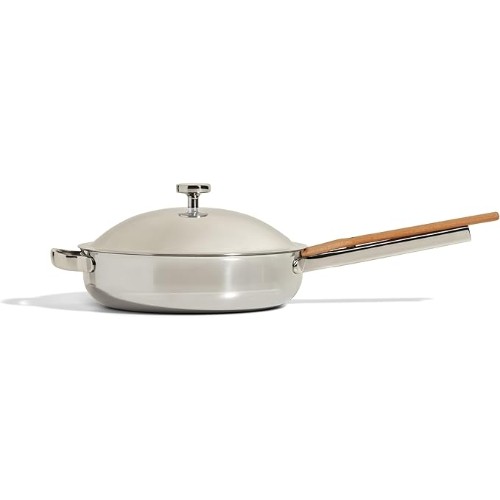
Are you wondering if your Authentic Kitchen cookware can safely go into the oven? You’re not alone.
Knowing whether your pots and pans can handle the heat makes a big difference in how you cook and what meals you can create. Imagine confidently sliding your favorite pan into the oven without worrying about damage or safety. You’ll discover exactly what makes Authentic Kitchen cookware oven safe or not—and how to get the most from your kitchen tools.
Keep reading to protect your cookware and unlock new cooking possibilities.
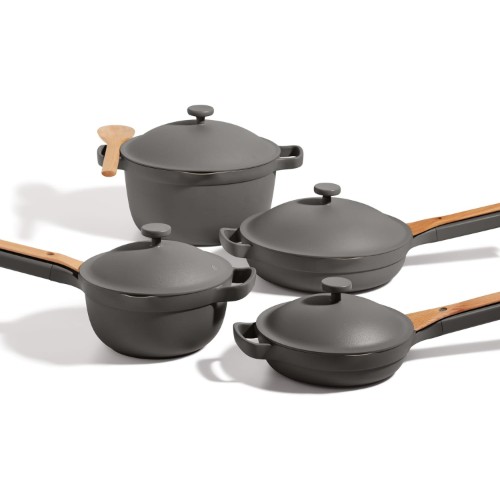
Credit: authentickitchencookware.com
Types Of Authentic Kitchen Cookware
Choosing the right cookware can change how you cook and how your food tastes. Authentic kitchen cookware comes in various types, each with unique features and oven safety levels. Understanding these differences helps you pick the best option for your cooking style and oven use.
Cast Iron
Cast iron is known for its durability and excellent heat retention. It can go from stovetop to oven without any problem, making it perfect for recipes that start with searing and finish with baking. Just remember to season it well to keep it nonstick and rust-free.
Stainless Steel
Stainless steel cookware offers a sleek look and is highly resistant to rust and corrosion. Most authentic stainless steel pans are oven safe up to high temperatures, but always check the handles as some may have plastic parts. This type is great if you want even heating and easy maintenance.
Nonstick
Nonstick cookware is popular for easy food release and quick cleanup. However, not all nonstick pans handle oven heat well; many are limited to temperatures under 400°F. If you want to use nonstick in the oven, look for labels that specifically say “oven safe” and follow temperature limits closely.
Copper
Copper cookware heats up quickly and offers precise temperature control. Authentic copper pans usually have stainless steel linings to prevent reactions with food. While copper itself is oven safe, the lining and handle materials will determine the maximum oven temperature.
Ceramic
Ceramic cookware is praised for its natural nonstick surface and even heat distribution. Most ceramic pieces are oven safe, but the temperature tolerance varies by brand. It’s best to consult the manufacturer’s guidelines to avoid cracking or damage.
Oven Safety Features To Look For
Choosing oven-safe cookware means understanding the specific safety features that protect both your cookware and your oven. Not all pots and pans are built to endure oven temperatures, so identifying key elements can save you from melted handles or cracked lids. Let’s look at what makes cookware truly oven safe and what you need to check before heating your Authentic Kitchen pieces.
Heat Resistance Limits
Every cookware has a maximum temperature it can safely handle. Authentic Kitchen cookware usually specifies this limit clearly. If you exceed this temperature, the cookware can warp or release harmful fumes.
Check the product details or packaging for the heat tolerance. For example, some pieces may be safe up to 450°F, while others might only handle 350°F. Knowing this helps you avoid accidental damage and keeps your food safe.
Handle Materials
The handles often determine whether cookware is oven safe. Plastic handles may melt or warp under high heat, while metal or silicone handles tend to withstand oven temperatures better.
If you’ve ever pulled a pan from the oven and found the handle too hot or melted, you know why this matters. Look for handles labeled as oven safe or made from heat-resistant materials to ensure safe use.
Lid Compatibility
Not all lids are designed for the oven. Glass lids may shatter under high heat unless tempered specifically for oven use. Metal lids usually handle heat better but check their specifications.
Using a lid not meant for the oven can cause breakage and injury. Verify if your Authentic Kitchen cookware lids are oven safe before placing them inside the oven.
Manufacturer Guidelines
Always read the manufacturer’s instructions. Authentic Kitchen provides clear oven safety information that you shouldn’t ignore. These guidelines include temperature limits, suitable oven types, and care tips.
Following these instructions prevents accidents and extends the life of your cookware. Have you ever ignored a guideline and regretted it? Learning from those moments is key to safer cooking.
Common Oven-safe Cookware Materials
Authentic kitchen cookware often uses materials like stainless steel, cast iron, and oven-safe glass. These materials handle high heat well and are safe to use in ovens. Knowing the cookware material helps ensure safe cooking and prevents damage.
Understanding which cookware is oven-safe is crucial for any home chef. Cooking with the wrong material can lead to damaged cookware or, worse, ruined meals. Different materials react differently to high temperatures. Let's dive into the common oven-safe cookware materials and how they perform in your kitchen.
Metal Cookware
Metal is a popular choice for oven-safe cookware. Stainless steel and cast iron are particularly reliable due to their heat tolerance. Stainless steel resists warping and can handle high oven temperatures. It's also non-reactive, ensuring your food's flavor remains intact. However, always check if your stainless steel cookware has plastic handles, which might not be oven-safe. Cast iron, on the other hand, is renowned for its excellent heat retention. It's perfect for dishes that require even cooking. A well-seasoned cast iron skillet can enhance your dish's flavor, but remember to use oven mitts as the entire pan gets hot.
Glass And Ceramic Options
Glass and ceramic cookware are excellent for baking. They distribute heat evenly, making them ideal for casseroles and baked goods. Pyrex is a common glass option and is typically oven-safe, but it can shatter if exposed to sudden temperature changes. Always let it reach room temperature before placing it in the oven. Ceramic dishes often have beautiful designs, doubling as serving dishes. They are durable and retain heat well. However, they can be heavy, so handle with care.
Silicone Components
Silicone is a newer material that's gaining popularity for its flexibility and non-stick properties. It's perfect for baking molds and mats, which can withstand temperatures up to 428°F (220°C). Silicone is also easy to clean and store, thanks to its flexible nature. One downside is that it doesn't conduct heat as well as metal, so baking times might vary. Always check your baked goods for doneness. Have you tried using silicone bakeware? How did it affect your cooking experience?
Risks Of Using Non-oven-safe Cookware
Using cookware that isn’t oven safe might seem harmless at first, but it can lead to several serious problems. Many people underestimate the risks involved until they face damage or safety issues firsthand. Understanding these dangers helps you protect your kitchen, your health, and your food quality.
Damage To Cookware
Non-oven-safe cookware often contains materials like plastic handles or coatings that can melt or warp under high heat. I once tried placing a skillet with a rubber grip in the oven, and it ruined the entire handle within minutes. This kind of damage means you’ll need to replace your cookware sooner, costing you more money over time.
Even metals not designed for oven use can crack or discolor, affecting the cookware’s performance. Would you want your favorite pan to lose its smooth surface or develop weak spots? Choosing the right cookware prevents these avoidable issues.
Fire Hazards
Using the wrong cookware in the oven can become a fire risk. Materials like plastic or wood handles can catch fire or smoke when exposed to oven temperatures. Imagine the panic if a spark flares up in your kitchen—it's a dangerous situation you can avoid.
Even if your cookware doesn’t ignite, overheating can cause smoke or sparks that trigger your smoke alarm or worse. Are you willing to risk your home’s safety just to save a few minutes of cooking time?
Toxic Fumes
Some non-oven-safe cookware releases harmful fumes when overheated. Synthetic coatings or adhesives may break down and emit toxic chemicals. I learned this the hard way when a cheap non-stick pan started producing a sharp chemical smell in the oven.
Breathing in these fumes can cause headaches, dizziness, or worse health effects. You owe it to yourself and your family to avoid exposing your kitchen to these invisible threats.
Food Safety Concerns
Using inappropriate cookware can affect how your food cooks and its safety. Warped or damaged pans can lead to uneven cooking, leaving some parts undercooked. Have you ever bitten into food that looked done but was still raw inside?
Moreover, melted coatings or materials can leach into your meals, contaminating your food. Protect your health by ensuring your cookware is oven safe and reliable for every recipe you try.
Tips For Safe Oven Use
Using your Authentic Kitchen cookware safely in the oven means understanding how to protect both your cookware and yourself. There are simple yet important habits to adopt that ensure your cookware lasts longer and your cooking experience stays safe and enjoyable.
Checking Manufacturer Labels
Always look for oven safety information on the cookware or its packaging. The manufacturer will specify the maximum temperature your cookware can handle. Ignoring these details can lead to damage or even dangerous situations.
If you don't see clear instructions, don’t guess. Contact customer support or check the brand’s website for precise guidelines. Knowing the limits helps you use your cookware confidently without risking cracks or warping.
Avoiding Sudden Temperature Changes
Have you ever taken a hot pan out of the oven and placed it directly onto a cold surface? That shock can cause your cookware to crack. Sudden temperature changes stress the material, especially glass or ceramic pots.
Instead, place hot cookware on a warm surface or a thick trivet. Let it cool gradually before washing or moving it to a cooler spot. This small habit can save you from unexpected cracks and costly replacements.
Proper Cleaning Methods
Cleaning your cookware correctly after oven use prevents damage and maintains its appearance. Avoid using harsh abrasives or metal scrubbers, which can scratch surfaces and reduce non-stick effectiveness.
Use warm water, mild dish soap, and a soft sponge. For stuck-on food, soak the cookware first rather than scrubbing aggressively. This gentle care extends the life of your cookware and keeps it looking new.
Using Oven Mitts And Trivets
Handling hot cookware without protection can cause burns or accidents. Always use thick oven mitts to remove cookware from the oven safely. Thin gloves or towels don’t provide enough heat resistance.
Place hot cookware on trivets instead of directly on countertops. This prevents heat damage to your surfaces and stabilizes the cookware. Do you have a favorite pair of oven mitts or a trusted trivet? If not, investing in them is a smart move for safety and convenience.
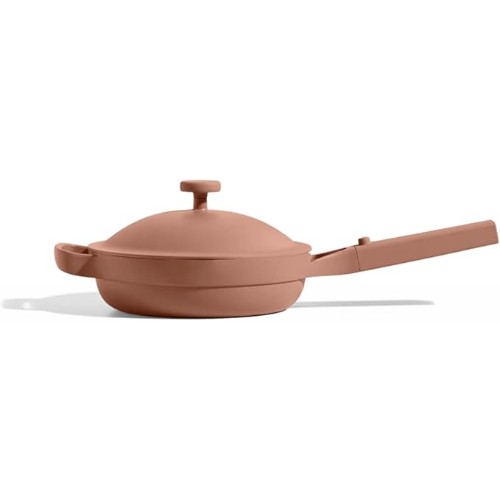
Credit: authentickitchencookware.com
Troubleshooting Common Issues
Troubleshooting common issues with Authentic Kitchen cookware can save you time and money. Even high-quality cookware can face problems after regular use, especially when exposed to oven heat. Understanding how to identify and fix these issues helps you maintain your cookware’s performance and safety.
Warped Cookware
Warping happens when your cookware bends or loses its flat shape, usually from sudden temperature changes. This can cause uneven cooking or wobbling on the stove. To prevent warping, avoid moving your pans directly from the refrigerator to a hot oven.
If your pan has warped, try heating it gradually in the oven instead of applying high heat immediately. Sometimes, gently pressing the warped area back into shape while warm can help, but be careful not to damage the surface further.
Discolored Surfaces
Discoloration is common with metal cookware after exposure to high oven temperatures. It doesn’t usually affect the cookware’s performance, but it can look unappealing. You can often restore the shine with a mix of baking soda and water or a specialized cleaner.
Try scrubbing the discolored area gently with a soft cloth to avoid scratching. If discoloration persists, consider whether the cooking temperature was too high or if the cookware was exposed to harsh chemicals.
Handle Damage
Handles on Authentic Kitchen cookware are usually oven-safe, but frequent exposure to extreme heat can weaken or loosen them. Loose handles pose safety risks when lifting heavy dishes. Regularly check your handles for signs of wear or wobbling.
Tighten screws or bolts if possible, and replace damaged handles promptly. If you notice discoloration or melting on plastic handles, avoid using that cookware in the oven until the handles are fixed or replaced.
Cracked Or Broken Cookware
Cracks or breaks can happen if cookware is dropped or exposed to sudden temperature changes. A cracked pan can be dangerous to use in the oven as it may break further under heat stress. Inspect your cookware carefully after any impact.
Small cracks often mean it’s time to retire the piece. Using cracked cookware risks accidents and uneven cooking. Investing in a replacement is safer and ensures your meals cook evenly without hazards.
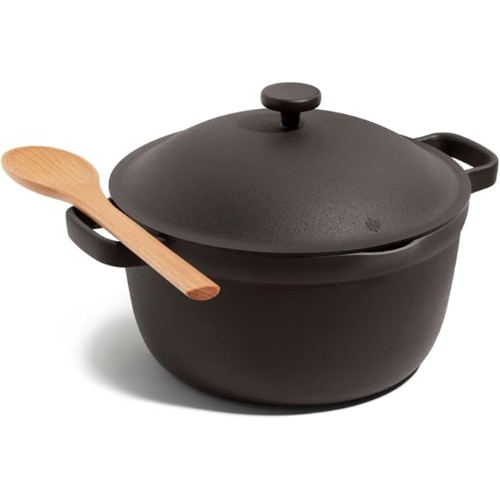
Credit: authentickitchencookware.com
Frequently Asked Questions
Is Authentic Kitchen Cookware Safe For Oven Use?
Yes, most Authentic Kitchen cookware is oven safe. Check the product label for the maximum temperature limit. Avoid using cookware with plastic handles in the oven to prevent melting or damage.
What Materials Make Authentic Kitchen Cookware Oven Safe?
Authentic Kitchen cookware made from stainless steel, cast iron, or hard-anodized aluminum is oven safe. These materials withstand high temperatures without warping or releasing harmful chemicals.
Can I Use Authentic Kitchen Non-stick Pans In The Oven?
Some Authentic Kitchen non-stick pans are oven safe up to a certain temperature. Always verify the temperature limits on the cookware’s instructions before using non-stick pans in the oven.
How To Check If My Authentic Kitchen Cookware Is Oven Safe?
Look for oven-safe symbols or temperature ratings on the cookware’s base or packaging. Consult the manufacturer’s website or manual for specific oven safety details and temperature guidelines.
Conclusion
Authentic Kitchen cookware can handle oven heat safely. Always check the product details for temperature limits. Avoid sudden temperature changes to protect your cookware. Use oven-safe lids if included to keep food moist. Proper care helps your cookware last longer.
Cooking with the right tools makes meals better and easier. Trust your cookware but stay cautious with heat. Enjoy cooking and baking with confidence every time.