
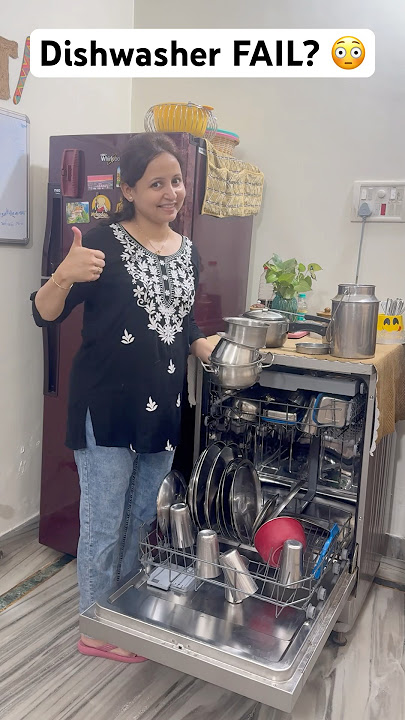
Are you tired of spending long hours scrubbing dishes after every meal? You might be wondering if a dishwasher is a good fit for your Indian kitchen.
With the variety of spices, oily cookware, and different types of utensils you use daily, the idea of a dishwasher might seem confusing or even impractical. But what if it could save you time, reduce your effort, and still keep your dishes sparkling clean?
Keep reading to discover how a dishwasher can change the way you manage your kitchen, making your life easier without compromising on cleanliness.

Credit: nikshanonline.com
Dishwasher Benefits In Indian Kitchens
Dishwashers offer clear benefits for Indian kitchens. They help manage daily chores with ease. The busy lifestyle demands quick and efficient solutions. Dishwashers reduce the time spent on washing utensils. They also improve hygiene by cleaning thoroughly.
Time-saving Convenience
Washing dishes by hand takes a lot of time. Dishwashers clean many utensils at once. This frees up time for other tasks or relaxation. The machine works while you do other things. It simplifies kitchen routines and reduces stress.
Water And Energy Efficiency
Traditional washing uses much more water than dishwashers. Dishwashers use less water and electricity. This saves resources and lowers utility bills. Many models have eco-friendly settings for better efficiency. Saving water is important in areas facing shortages.
Enhanced Hygiene And Cleaning
Indian cooking often leaves oily and sticky residue. Dishwashers use hot water that removes tough stains. They kill germs and bacteria better than hand washing. This ensures cleaner and safer utensils. Clean dishes promote better health for the family.
Challenges With Dishwashers In Indian Homes
Introducing a dishwasher in an Indian kitchen is not without its challenges. The variety of cookware, the nature of Indian cooking, and the typical kitchen setup all pose unique hurdles. Understanding these issues can help you decide if a dishwasher fits your daily routine and kitchen environment.
Handling Diverse Utensil Types
Indian kitchens often have a mix of utensils made from different materials—stainless steel, aluminum, brass, copper, and non-stick. Dishwashers are usually optimized for stainless steel and ceramic items but can damage or discolor softer metals like aluminum and brass.
You might find that your favorite copper handi or brass serving bowl doesn’t come out the same after a wash cycle. This means you’ll need to separate utensils carefully or wash some by hand, reducing the convenience you expect from a dishwasher.
Dealing With Stubborn Food Residues
Indian food often leaves oily, spicy, and sticky residues that can be tough to remove. Dishwashers may struggle with dried curry stains or thick chutney remnants, especially if you don’t pre-rinse or soak the dishes.
Have you ever noticed how a plate with leftover dal or paneer sticks in the dishwasher? This can lead to multiple wash cycles, wasting water and electricity. You’ll need to adjust your washing habits, possibly adding a pre-wash step to keep the dishwasher effective.
Space Constraints And Kitchen Layout
Many Indian homes, especially in cities, have compact kitchens with limited counter space. Finding room for a dishwasher can be tricky, and the appliance itself requires plumbing and electrical connections that might not be readily available.
Think about your kitchen’s layout—does it allow for a dishwasher without cluttering your workspace? If space is tight, a compact or portable dishwasher might be an option, but even then, installation challenges can arise.
Choosing The Right Dishwasher
Dishwashers can save time and effort in busy Indian kitchens. They handle tough, oily utensils well and keep the kitchen tidy. Choosing the right model ensures it fits your space and cleans Indian cookware efficiently.
Choosing the right dishwasher for an Indian kitchen can feel like navigating through a maze of options. With varied utensils and cooking techniques, it's crucial to select a machine that meets your specific needs. This guide will help you make an informed decision, ensuring your investment adds real value to your kitchen.
Capacity And Size Considerations
When selecting a dishwasher, think about how much space you have in your kitchen. Dishwashers come in various sizes, and you want one that fits seamlessly without cramping your space. Consider your family size and cooking habits to determine the capacity you'll need. For smaller families or kitchens with limited space, a compact model might be ideal. However, larger families or those who frequently host gatherings might benefit from a full-sized dishwasher. Always measure the available space before making your purchase to avoid any fitting issues.
Wash Programs For Indian Dishes
Indian cuisine involves a range of dishes that often leave stubborn residues on utensils. It's essential to choose a dishwasher with wash programs specifically designed to tackle these challenges. Look for models offering intensive or heavy-duty wash cycles. Some advanced dishwashers come with specialized settings for delicate glassware or heavily soiled pots and pans. If you frequently cook dishes that require deep cleaning, investing in a model with these features can save you time and effort. Consider the ease of use and flexibility of changing wash programs based on your daily needs.
Budget And Maintenance Costs
While it's tempting to splurge on a top-of-the-line model, setting a realistic budget is crucial. Dishwashers are available across a wide price range, so it’s possible to find one that suits both your needs and your wallet. Remember to factor in the long-term maintenance costs as well. Some dishwashers may have lower upfront costs but could be expensive to maintain due to the need for proprietary parts or frequent repairs. Research the warranty options and check user reviews for insights into the reliability of the models you're considering. Balancing upfront costs with long-term efficiency can lead to smarter spending.
Tips For Effective Dishwasher Use
Using a dishwasher in an Indian kitchen can save time and effort. Following some simple tips can make the cleaning process more effective. These tips help in protecting your dishes and improving the dishwasher’s performance.
Proper Loading Techniques
Place larger pots and pans at the bottom rack. Keep plates and bowls facing the center. Avoid overcrowding to allow water to reach all surfaces. Position glasses and cups on the top rack, upside down. Make sure utensils do not nest together to clean well.
Pre-washing And Soaking Practices
Remove large food particles before loading. Soak tough, burnt, or oily utensils in warm water. This reduces stains and prevents clogging. Avoid heavy scrubbing as dishwashers clean better with some food residues. Use a gentle rinse to prepare items for washing.
Selecting Suitable Detergents
Choose detergents made for hard water if water is hard. Use powdered or gel detergents suitable for Indian dishwashing needs. Avoid using regular soap as it creates too many suds. Check the detergent label for dishwasher compatibility. Using the right detergent enhances cleaning and protects dishes.
Alternatives To Dishwashers In Indian Kitchens
Dishwashers might not always fit well into the traditional Indian kitchen setup due to space, water usage, and the nature of Indian cookware. But that doesn’t mean you’re left without options. There are several practical alternatives that can keep your kitchen clean and efficient without relying solely on dishwashers.
Manual Washing Best Practices
Manual washing remains the most common method in Indian kitchens. To make it effective, use hot water and a good quality scrubber to remove stubborn oil and spices quickly.
Organize your washing area with separate sections for soaking, scrubbing, and rinsing. This helps speed up the process and ensures thorough cleaning.
Try soaking utensils in warm, soapy water before scrubbing—it softens dried food and reduces the effort required. Have you noticed how a little patience at the start can save time later?
Semi-automatic Dishwashing Solutions
Semi-automatic dishwashers offer a middle ground between manual washing and full machines. These require some manual effort but save time and water compared to washing entirely by hand.
They are compact and ideal if you have limited kitchen space. Plus, these models often handle the tough Indian grease better because you can pre-rinse before loading.
Think about your daily dish load—would a semi-automatic option reduce your washing time and water usage without disrupting your kitchen flow?
Professional Cleaning Services
Hiring professional cleaning services can be a practical alternative, especially during large gatherings or festivals. These experts use industrial-grade cleaning tools and detergents suited for Indian cookware.
Outsourcing dishwashing frees up your time and ensures a deep clean that might be hard to achieve daily. Many services offer flexible plans, so you can book them as needed.
Could this be a way to keep your kitchen spotless without adding daily workload? Sometimes, the best solution is to get help when you need it.

Credit: chandraaryavidyamandir.com

Credit: www.youtube.com
Frequently Asked Questions
Is A Dishwasher Suitable For Indian Kitchens?
Yes, dishwashers suit Indian kitchens well. They handle tough stains from spices and oils effectively, saving time and effort.
Can Dishwashers Clean Indian Utensils Thoroughly?
Dishwashers clean Indian utensils thoroughly with high-temperature water and strong jets. They remove stubborn food residues and maintain hygiene.
Do Dishwashers Save Water In Indian Households?
Dishwashers use less water than handwashing, especially with full loads. They are eco-friendly and cost-effective for Indian homes.
What Types Of Indian Cookware Work In Dishwashers?
Most stainless steel, ceramic, and glass cookware are dishwasher safe. Avoid washing cast iron and brass in dishwashers to prevent damage.
Conclusion
Dishwashers can save time and effort in Indian kitchens. They clean dishes thoroughly, even tough stains. Using a dishwasher may reduce water and energy use. Space and cost might be challenges for some homes. Choosing the right model is important for Indian utensils.
Overall, dishwashers offer convenience but need thoughtful use. They suit busy lifestyles and modern kitchens well. Consider your kitchen size and daily needs before buying. A dishwasher can be a helpful addition, not a must-have.