
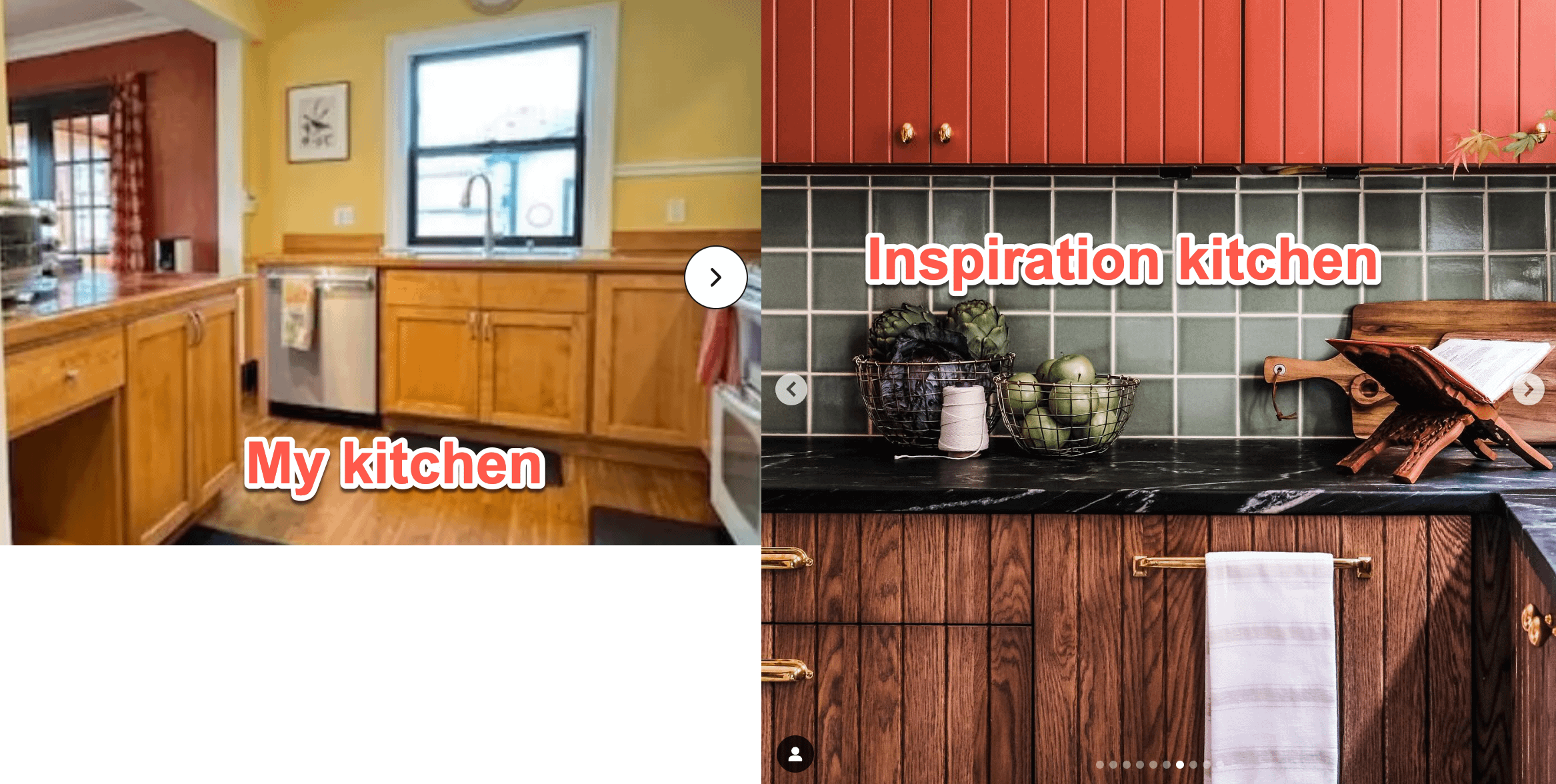
Are you thinking about giving your kitchen cabinets a fresh new look? One of the biggest questions you might have is whether to spray or brush the paint.
This choice can make a huge difference in how your cabinets turn out and how much time and effort you’ll spend. You want a finish that looks smooth, lasts long, and doesn’t eat up your weekend. Keep reading, because we’ll break down the pros and cons of both methods, helping you pick the best one for your kitchen makeover.
By the end, you’ll feel confident about your painting plan and excited to get started!
Spray Painting Benefits
Spray painting offers many benefits for kitchen cabinets. It creates a clean, professional look that brush painting often can’t match. This method helps save time and effort while covering large surfaces evenly. Spray painting works well on smooth and detailed cabinet surfaces alike. Below are some key advantages of using spray paint for your kitchen cabinets.
Smooth Finish And Coverage
Spray paint produces a smooth, even finish without brush marks. It reaches small crevices and detailed areas easily. This method covers surfaces uniformly, reducing the need for multiple coats. The fine mist allows paint to settle gently on the surface. This creates a sleek, polished look that lasts long.
Speed And Efficiency
Spray painting is much faster than brushing or rolling. It covers large areas quickly with fewer strokes. This saves time during both prep and painting stages. Cleanup is also easier, especially with spray systems using water-based paints. Homeowners complete projects faster, with less effort and mess.
Best Surfaces For Spraying
- Flat cabinet doors and drawer fronts
- Detailed molding and trim work
- Hardwood and MDF surfaces
- Previously painted or primed cabinets
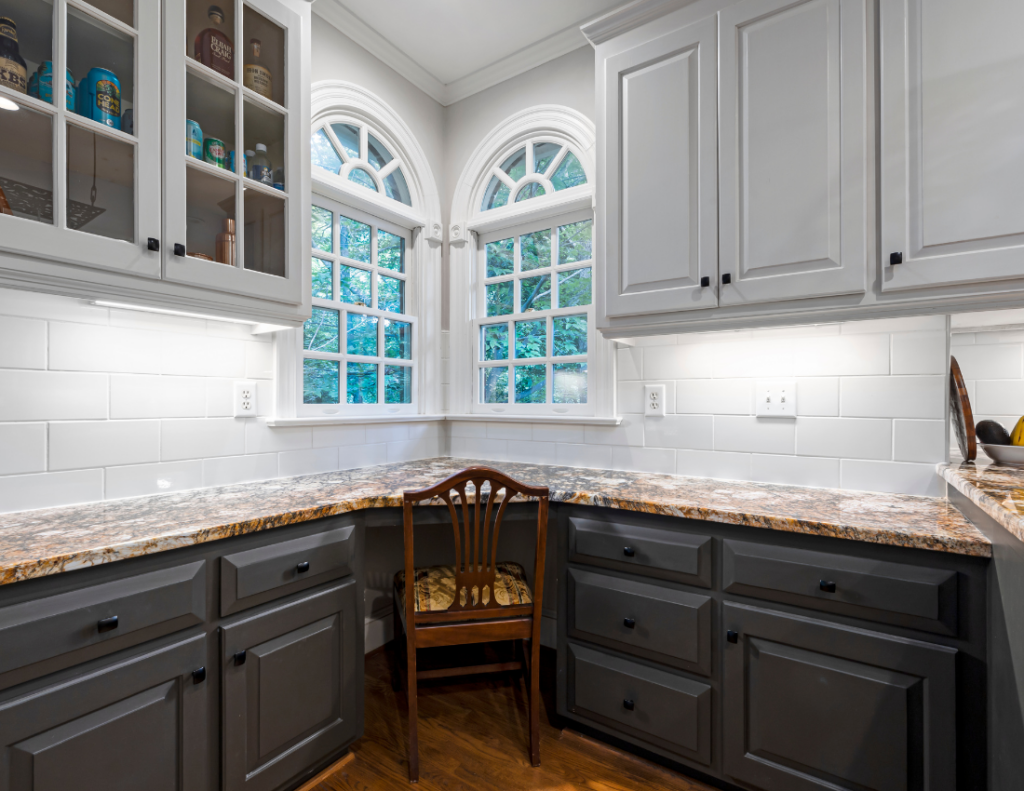
Spray painting works best on smooth or semi-smooth surfaces. It enhances the look of wood grains and decorative details. Proper surface preparation ensures the paint adheres well and lasts longer.
Credit: cabinetcoatingkings.com
Brush Painting Benefits
Choosing to brush paint your kitchen cabinets offers several benefits that can make your project smoother and more satisfying. Brush painting gives you more control over the application and lets you achieve finishes that spray painting can’t always match. It also simplifies maintenance, making future touch-ups less daunting.
Precision And Control
Brush painting allows you to focus on small details and edges with accuracy. You can easily guide the brush to avoid drips and runs, which is especially helpful around intricate cabinet moldings. This control means you’re less likely to make mistakes that require sanding or repainting.
Imagine painting a delicate corner—spraying might cause overspray on nearby surfaces, but a brush lets you keep paint exactly where you want it. This precision also helps if you’re working in a tight space or around hardware without removing it.
Textured Finishes
Some people actually prefer a subtle brush stroke texture on their cabinets because it adds character and depth. Spray painting tends to create an ultra-smooth finish, which isn’t always the desired look. The brush’s natural bristle pattern can give your cabinets a handcrafted feel.
If you want a matte or satin finish with a bit of texture, brushing is a simple way to achieve that without extra steps. It’s also easier to control the thickness of the paint, which can enhance the final appearance.
Easy Touch-ups
Over time, kitchen cabinets face chips and scratches. Brushed paint makes touch-ups straightforward because you can blend new paint with the old without needing special equipment. A quick brush stroke can cover blemishes without repainting the entire cabinet.
Have you ever struggled to match sprayed paint during repairs? With brush painting, you can keep some paint on hand for spot fixes that don’t stand out. This ease of maintenance saves you time and keeps your cabinets looking fresh longer.
Equipment And Material Needs
Spraying cabinets needs a paint sprayer, masks, and drop cloths for even coverage. Brushing requires quality brushes and smooth paint for fewer streaks. Choosing the right tools helps achieve a clean finish.
To paint kitchen cabinets, you need the right tools and materials. The choice between spraying and brushing impacts your equipment needs. Each method offers different benefits and challenges. Understanding these can help you make a more informed decision.
Types Of Sprayers
Sprayers come in various types, each with unique features. Airless sprayers are popular for their speed and efficiency. They deliver a smooth finish on larger surfaces. HVLP sprayers offer more control and are suitable for detailed work. They produce less overspray, minimizing paint waste. Consider your project size and detail level when choosing a sprayer.
Choosing The Right Brushes
Brushes vary in shape, size, and material. Synthetic brushes work well with water-based paints. They maintain shape and provide a smooth finish. Natural bristle brushes are ideal for oil-based paints. They offer good paint pickup and release. Select a brush that complements your paint type and cabinet details.
Paint Types Compatible
Different paints work better with specific tools. Latex paint is water-based and dries quickly. It's compatible with synthetic brushes and HVLP sprayers. Oil-based paint offers a durable finish and suits natural bristle brushes. It takes longer to dry but provides a hard, glossy surface. Choose your paint based on the desired finish and tool compatibility.
Preparation Steps
Preparation is the foundation of a smooth and lasting paint job for your kitchen cabinets. Without careful prep work, even the best paint can peel or chip quickly. Taking the time to clean, sand, and protect your workspace will save you headaches later and deliver professional-looking results.
Cleaning And Sanding
Start by removing all grease, dirt, and grime from your cabinets. Use a degreasing cleaner or a mix of warm water and dish soap to wipe down every surface. This step ensures the paint sticks well and doesn’t bubble or peel.
After cleaning, sand the cabinet surfaces lightly with fine-grit sandpaper. Sanding creates a rough surface that helps the paint adhere better. Pay attention to edges and corners where paint tends to wear off first.
Priming Cabinets
Applying a good primer is crucial, especially if your cabinets have stains or are made of a glossy material. Primer helps seal the wood and prevents stains from bleeding through your paint. It also improves the paint’s durability and finish.
Choose a primer that matches your cabinet material—wood, laminate, or metal. Use a brush or spray to cover every inch evenly, avoiding drips and thick spots. Have you noticed how a well-primed surface makes the final color pop?
Protecting Surrounding Areas
Protect the countertops, floors, and appliances before you start painting. Use painter’s tape to cover edges and plastic sheets or drop cloths to shield larger areas. This step keeps your kitchen clean and saves you from tough cleanup jobs.
Think about how much time you could waste scrubbing paint off surfaces you forgot to cover. Preparing your workspace carefully means you stay focused on painting, not cleaning up mistakes.
Common Challenges
Painting kitchen cabinets can be tricky. Both spraying and brushing bring challenges. Knowing these helps you avoid common mistakes. It also improves your final look and saves time. Here are key issues to watch for with each method.
Avoiding Drips And Runs
Drips happen when paint is too thick or applied too fast. Brushing requires steady, light strokes to prevent runs. Spraying can cause drips if the nozzle stays too long in one spot. Use thin coats and move evenly. Let each layer dry fully before adding another.
Managing Overspray
Spraying spreads tiny paint droplets beyond the cabinets. This can stain nearby walls or floors. Protect surfaces with drop cloths and painter’s tape. Work in a well-ventilated area to reduce paint buildup in the air. Control the spray pattern by adjusting the nozzle size and pressure.
Dealing With Brush Strokes
Brush strokes show up when paint is thick or brush quality is low. Use a high-quality brush with soft bristles for smooth results. Apply thin layers in the direction of the wood grain. Light sanding between coats helps remove brush marks and creates a sleek finish.

Credit: www.youtube.com
Cost And Time Comparison
Choosing between spraying or brushing paint on kitchen cabinets affects both budget and schedule. Each method demands different costs upfront and time investment. Understanding these factors helps pick the best fit for your project.
Initial Investment
Brushing paint requires basic tools like brushes, rollers, and trays. These are usually affordable and easy to find. Spraying needs a paint sprayer, which can cost more upfront. Quality sprayers range from budget-friendly to professional models. Also, spraying may need extra materials like masking tape and plastic sheets to protect surfaces.
Labor And Time Requirements
Brushing takes longer because of careful strokes and multiple coats. It demands steady hands and patience to avoid streaks. Spraying covers large areas quickly and evenly. Setup and cleanup for spraying take time but still usually less than brushing. Overall, spraying cuts down labor hours, saving effort on bigger jobs.
Long-term Maintenance
Brushed paint may show brush marks or uneven wear over time. Touch-ups with a brush are simple and cheap. Sprayed paint often has a smooth, uniform finish that resists chipping better. Repairing sprayed cabinets can be tricky to blend with original paint. Both methods need occasional maintenance, but spraying tends to last longer with less visible wear.
Expert Recommendations
Experts often weigh the pros and cons of spraying versus brushing kitchen cabinets. Each method has unique benefits that suit different project needs. Understanding these expert tips helps choose the right technique for a smooth, lasting finish. The decision depends on factors like cabinet design, paint type, and workspace conditions.
When To Choose Spraying
Spraying works best for large, flat cabinet surfaces. It applies paint evenly and quickly. Cabinets with intricate details or many edges also benefit from spraying. This method reduces brush marks and gives a smooth finish. Use spraying if you want a professional look in less time. Proper ventilation and protective gear are essential during spraying.
When To Opt For Brushing
Brushing suits small projects or touch-ups. It allows better control around corners and edges. For textured or raised panel cabinets, brushing helps paint reach all surfaces. Use a high-quality brush to avoid streaks and bristles in the paint. Brushing is ideal if spraying equipment is unavailable or space is limited.
Hybrid Approaches
Combining spraying and brushing can offer the best results. Spray large flat areas for a smooth base coat. Brush detailed sections and edges to ensure full coverage. This method balances speed with precision. It also minimizes paint waste and cleanup time. Many professionals recommend hybrid approaches for a flawless finish.

Credit: kitchenmakeovers.co.uk
Frequently Asked Questions
Is Spraying Paint Faster Than Brushing Cabinets?
Yes, spraying paint is generally faster because it covers surfaces evenly. It reduces drying time and reaches tight spots easily.
Which Method Gives A Smoother Finish On Cabinets?
Spraying typically provides a smoother, more professional finish. Brushing can leave visible strokes, especially on flat cabinet surfaces.
Are Brushes Better For Detailed Cabinet Areas?
Yes, brushes offer more control for detailed or intricate cabinet parts. They help avoid overspray and ensure precise coverage.
What Are The Cost Differences Between Spraying And Brushing?
Brushing requires minimal tools and is cheaper upfront. Spraying involves equipment costs but saves time and paint in the long run.
Conclusion
Choosing between spraying or brushing kitchen cabinets depends on your needs. Spraying gives a smooth, fast finish but needs more prep. Brushing takes longer but offers more control and less mess. Think about your skill level, time, and budget before deciding.
Either way, good preparation and patience will help your cabinets look great. The right method makes your kitchen shine.