

Thinking about adding a dishwasher to your kitchen? You might wonder if it’s a simple task or a complicated project.
The good news is, it’s often easier than you expect. Imagine saving time on washing dishes every day and enjoying a cleaner kitchen with less effort. But before you start, there are key things you need to know to make the process smooth and hassle-free.
Keep reading to discover what it takes to add a dishwasher to your kitchen—and how you can do it without stress.
Credit: www.thegritandpolish.com
Assessing Kitchen Space
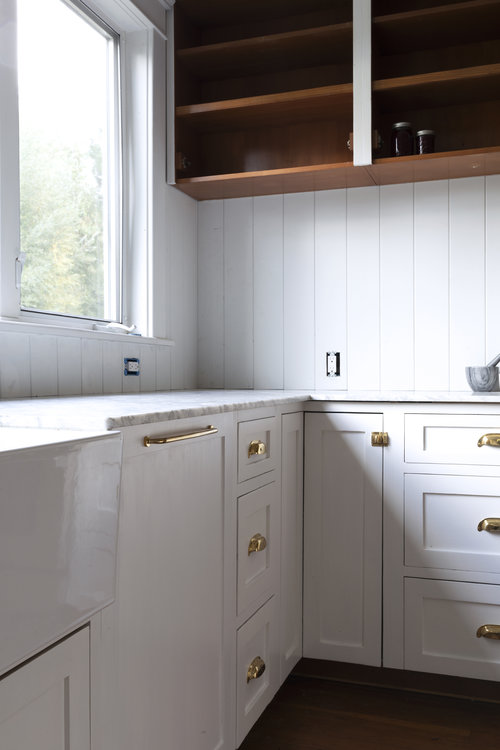
Adding a dishwasher to your kitchen needs careful thought about space. Space assessment helps avoid fitting problems and costly changes. It ensures the dishwasher fits well without crowding the kitchen. This process involves checking the kitchen layout and measuring available areas. It also means looking at cabinet setup to see if changes are needed. Proper space assessment leads to a smooth installation and better kitchen flow.
Measuring Available Area
First, measure the spot where the dishwasher will go. Use a tape measure to check width, height, and depth. Standard dishwashers need about 24 inches wide and 24 inches deep. Check if there is enough room for the dishwasher door to open fully. Also, see if nearby appliances or cabinets block access. Write down all measurements carefully for planning.
Considering Cabinet Modifications
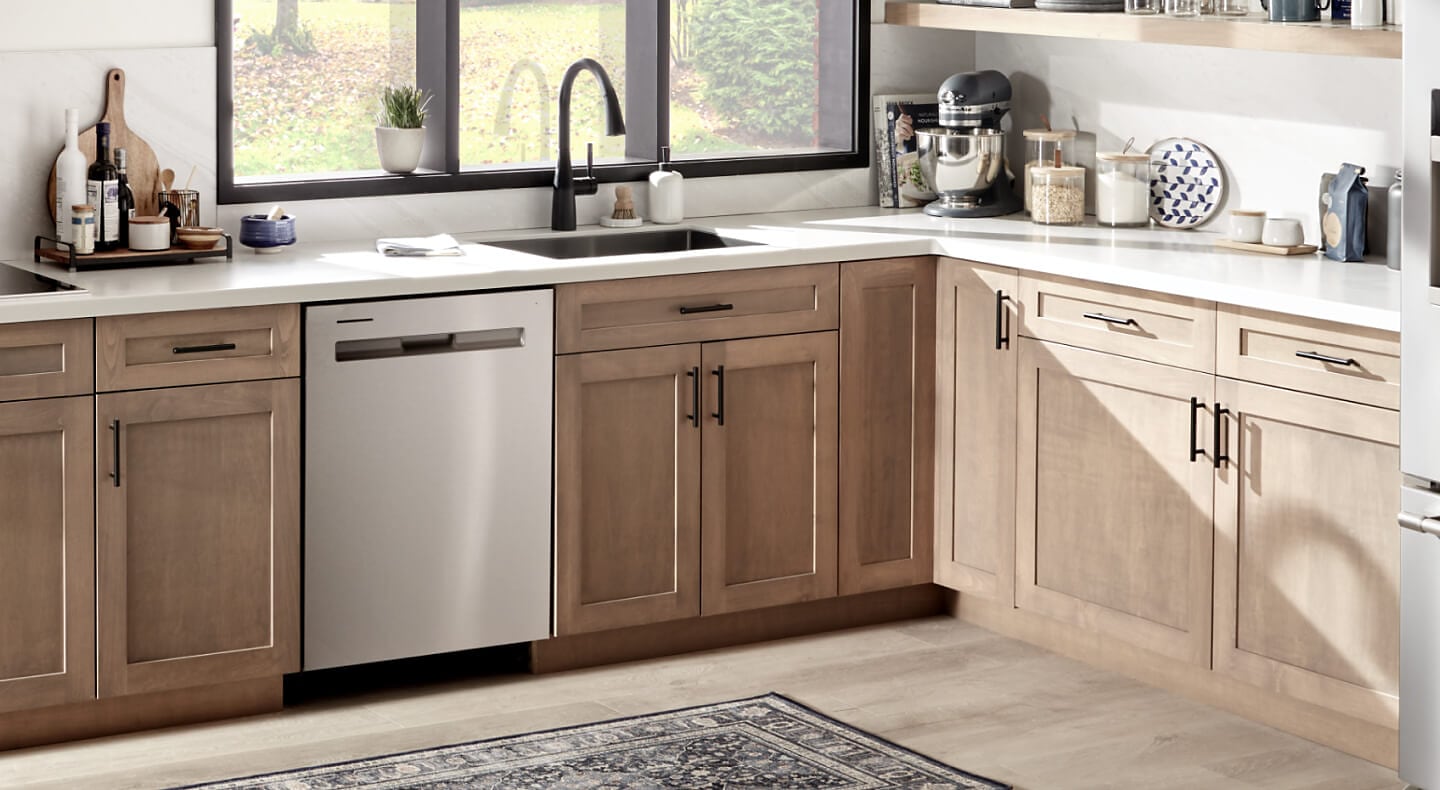
Kitchen cabinets may need changes for dishwasher fitting. Sometimes removing a cabinet or part of it is necessary. Look for cabinets next to the sink for easier plumbing connections. Check if cutting cabinets affects kitchen storage space. Think about cabinet style and material to match new changes. Small modifications can make dishwasher installation easier and cleaner.
Credit: www.maytag.com
Checking Plumbing Requirements
Adding a dishwasher to your kitchen isn’t just about picking the right model or fitting it under the counter. The plumbing setup plays a crucial role in making sure your new appliance works smoothly. Before you start installation, understanding your kitchen’s plumbing requirements can save you time and unexpected expenses.
Water Supply Connection
Your dishwasher needs a steady water supply to operate efficiently. Typically, it connects to the hot water line under your sink. Check if there’s an accessible valve nearby that you can tap into without disrupting your existing plumbing.
If you don’t have a dedicated supply line, adding one might mean calling a plumber. This is especially true if your current pipes don’t support the pressure or flow needed. Have you inspected the valve condition recently? Old or corroded valves can cause leaks or poor water delivery, so replacing them before installation can avoid headaches later.
Drainage Setup
Proper drainage is just as important as water supply. Dishwashers usually drain into the sink’s plumbing, often through an air gap or a high loop in the drain hose. This prevents dirty water from flowing back into the dishwasher.
Check if your sink drain has an available inlet or connection point for the dishwasher drain hose. If not, you may need to install a branch tailpiece or modify the existing drain pipe. Consider the location of your garbage disposal, if you have one, since dishwashers often connect to it for drainage.
Have you thought about how your current drainage setup handles the dishwasher’s water output? Ensuring your drain can handle this extra volume prevents backups and water damage. Taking a moment to verify these plumbing points helps you avoid costly fixes after installation.
Evaluating Electrical Needs
Assessing your kitchen’s electrical setup is key before installing a dishwasher. Check for a dedicated power outlet and proper wiring to handle the appliance safely. This ensures smooth operation and prevents electrical issues.
Adding a dishwasher to your kitchen can be a game-changer, but it’s crucial to evaluate your kitchen’s electrical needs before proceeding. Understanding the electrical requirements is key to ensuring a smooth installation process. You might be wondering if your current setup can handle the addition of a dishwasher. Let's dive into the essentials of evaluating the electrical needs.
Power Outlet Placement
First, consider the location of your power outlets. Dishwashers require a dedicated outlet that is typically installed under the sink or behind the dishwasher space. Check if there's an available outlet near your desired dishwasher location. If not, you might need to call in an electrician to install one. This could add to your cost, but it’s necessary for safety and functionality. Wouldn't you rather have peace of mind knowing your appliance is safely connected?
Circuit Capacity
Next, assess your circuit capacity. Dishwashers generally require a dedicated 15-amp or 20-amp circuit. It's important to ensure that your electrical panel can handle this additional load. Consult your circuit breaker to see if there’s room for a new circuit. If your panel is maxed out, you may need an upgrade, which can be an involved process. Not sure what to look for? Consider hiring a professional to evaluate your circuit capacity and make recommendations. By addressing these electrical needs early, you can avoid unexpected hurdles during installation. Are you ready to make your kitchen more efficient with a new dishwasher?
Choosing The Right Dishwasher
Choosing the right dishwasher makes the installation process smoother. It fits your kitchen space and meets your daily needs. Picking the best model saves water, energy, and time. Focus on size, capacity, and energy ratings for a smart choice.
Size And Capacity Options
Dishwashers come in various sizes. The standard width is 24 inches. Compact models are around 18 inches wide. Choose size based on your kitchen space and dish volume.
Capacity varies by model. Larger machines hold more dishes per cycle. Smaller ones suit small families or limited space. Check the number of place settings the dishwasher can handle. This helps avoid overloading or wasting cycles.
Energy Efficiency Ratings
Energy-efficient dishwashers save money on bills. Look for Energy Star certified models. They use less water and electricity.
Higher efficiency means better performance with less waste. Some dishwashers have eco-friendly wash cycles. These cycles lower energy use without losing cleaning power.
Choosing a dishwasher with good energy ratings reduces your home's environmental impact. It also cuts monthly utility costs.
Installation Process Steps
Adding a dishwasher to your kitchen involves a few clear steps that can make the process smoother than you might expect. Understanding the installation process helps you prepare better and avoid common pitfalls. Let's break down what you'll be doing from start to finish.
Preparing The Site
Start by choosing the right spot for your dishwasher, usually near the sink to simplify plumbing connections. Clear out the cabinet space and check if the dimensions fit your appliance perfectly. Don't forget to turn off the water supply and power before you begin any work.
Have you measured the width, height, and depth of your dishwasher? Small miscalculations here can cause delays or require adjustments later.
Connecting Plumbing And Electrical
Next, hook up the water supply and drainage. Most dishwashers require a hot water line connection and a drain hose that ties into your sink’s plumbing. Make sure all connections are tight to avoid leaks.
Electrical wiring usually means plugging into a dedicated outlet or hardwiring the unit. Check your dishwasher’s manual for specific electrical requirements, and if you’re unsure, consulting a professional electrician can save headaches.
Securing The Appliance
Once the plumbing and electrical are set, slide the dishwasher into place. Use mounting brackets or screws to secure it to the countertop or adjacent cabinetry. This step prevents movement and ensures stability during operation.
Have you checked that the dishwasher sits level? An uneven dishwasher can cause poor drainage or even damage over time.
Common Challenges And Solutions
Adding a dishwasher to a kitchen is a smart upgrade, but it comes with challenges. Knowing common issues helps avoid surprises. Solutions make the process smoother and faster. Let’s explore key challenges and how to handle them.
Space Constraints
Dishwashers need enough space under the counter. Some kitchens have tight layouts with limited cabinet space. Removing a cabinet or adjusting shelves may be necessary.
Measure carefully before buying. Consider compact or slim models if space is tight. Custom cabinet work can create the perfect fit.
Plumbing Adjustments
Dishwashers require water supply and drainage connections. Older kitchens may lack these connections near the installation spot. Adding new pipes or modifying existing ones might be needed.
Professional plumbers ensure secure water lines and proper drainage. Installing a dishwasher inlet valve and drain hose is crucial to prevent leaks.
Electrical Upgrades
Dishwashers often need a dedicated electrical circuit. Older homes may lack enough power outlets or proper wiring. Upgrading the electrical system may be required for safety and code compliance.
Hiring a licensed electrician ensures the dishwasher gets enough power. Installing a dedicated breaker or outlet near the dishwasher is common.
Expert Tips For Smooth Installation
Adding a dishwasher to your kitchen can be a game-changer, but ensuring a smooth installation requires some expert insights. Whether you decide to tackle the job yourself or hire a professional, knowing what tools and materials are essential and how to maintain your new appliance will save you time and frustration. Let’s dive into some practical tips to help you avoid common pitfalls and enjoy your dishwasher hassle-free.
Hiring Professionals Vs. Diy
Thinking about saving money by installing the dishwasher yourself? While DIY can be rewarding, it demands a solid understanding of plumbing and electrical connections. If you’re unsure about handling water lines or wiring, hiring a professional can prevent costly mistakes and potential damage.
On the other hand, if you have basic handyman skills and the right tools, installing a dishwasher yourself is doable. Be honest about your comfort level with tasks like cutting into cabinets or connecting water and drainage lines. A professional’s experience often speeds up the process, but DIY gives you full control and satisfaction.
Tools And Materials Needed
Before you start, gather the essential tools and materials to avoid interruptions. You will typically need:
- Adjustable wrench and screwdriver set
- Drill with bits suitable for cabinetry
- Plumber’s tape and hose clamps
- Dishwasher installation kit (including water supply line, drain hose, and electrical wiring)
- Level to ensure proper appliance positioning
Having these ready makes the process smoother. Missing a tool halfway through can lead to frustration and delays.
Maintenance Advice
Once installed, keeping your dishwasher in top shape is key to avoiding future headaches. Regularly check hoses and connections for leaks—small drips can cause big damage over time. Clean the filter and spray arms monthly to maintain efficient washing.
Have you ever noticed your dishes not coming out clean? It might be time to run a cleaning cycle with dishwasher cleaner or vinegar. Simple upkeep like this extends your dishwasher’s life and keeps it running quietly and efficiently.

Credit: www.espares.co.uk
Frequently Asked Questions
Can I Add A Dishwasher Without Major Kitchen Remodeling?
Yes, you can add a dishwasher with minimal remodeling. It requires access to plumbing and electrical lines. Sometimes, only cabinet modification is needed, making the process easier and cost-effective.
How Much Does It Cost To Install A Dishwasher?
Dishwasher installation costs range from $200 to $500. Costs vary based on plumbing, electrical work, and kitchen layout complexity. Always get multiple quotes for the best price.
Do All Kitchens Have Space For A Dishwasher?
Not all kitchens have built-in dishwasher space. Smaller kitchens may need cabinet removal or rearrangement. Custom solutions can help fit a dishwasher in tight spaces.
How Long Does Dishwasher Installation Usually Take?
Installation typically takes 2 to 4 hours. Time depends on plumbing, electrical setup, and kitchen configuration. Professional installation ensures safety and functionality.
Conclusion
Adding a dishwasher to your kitchen can be simple with the right plan. You need to check space, water supply, and electrical connections first. Some kitchens may need small changes, but many fit dishwashers easily. Doing a bit of homework helps avoid mistakes and extra costs.
A dishwasher saves time and keeps dishes clean. Think about your kitchen layout and needs before starting. With careful steps, adding a dishwasher becomes a smooth task. It makes daily chores easier and your kitchen more modern.