
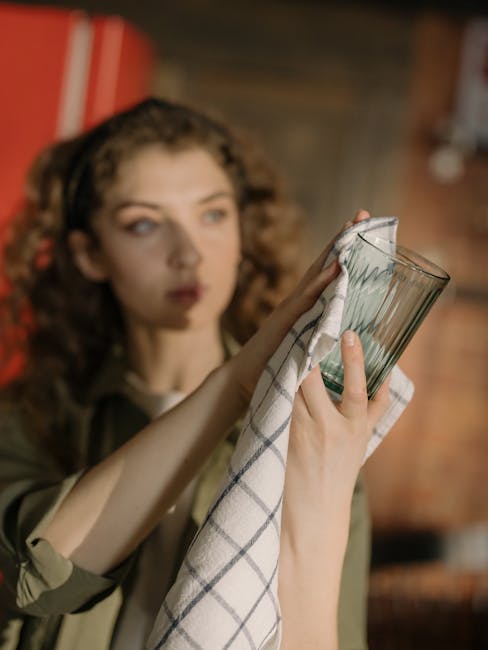
Have you ever wondered if it’s okay to wash your kitchen towels with your regular clothes? It seems like a simple question, but the answer can affect your laundry routine—and even your health.
You might be risking cross-contamination or ruining your clothes without realizing it. You’ll discover what really happens when kitchen towels share a wash cycle with your clothes, and learn the best way to keep everything fresh and clean. Keep reading to find out how to protect your laundry and keep your home hygienic.
Kitchen Towels And Clothes: Washing Basics
Washing kitchen towels with your regular clothes might seem like a time-saver, but it’s worth understanding the basics before you toss them all into the same load. Kitchen towels often have different needs compared to clothing due to their material and the types of dirt they collect. Knowing these differences can help you keep both your clothes and towels in great shape while avoiding unwanted surprises.
Material Differences
Kitchen towels are usually made from thick, absorbent fabrics like cotton or linen. These materials are designed to soak up spills and clean surfaces, so they tend to be heavier and more textured than typical clothing fabrics.
Your clothes, on the other hand, are often made from a variety of fibers including cotton, polyester, or blends that require gentler washing cycles. Mixing heavy, rough kitchen towels with delicate clothes can cause friction, leading to wear and tear on your garments.
Think about how a heavy towel rubbing against a thin shirt might create pilling or even small holes. Keeping these materials separate can protect your favorite clothes and extend their lifespan.
Cross-contamination Risks
Kitchen towels often come into contact with food residues, oils, and sometimes bacteria from raw ingredients. Washing them with your clothes raises the question: could these contaminants transfer to your garments?
While hot water and detergent usually kill most germs, some bacteria and odors can linger if towels aren’t washed thoroughly. This risk is especially relevant if you use the same load for clothes you wear next to your skin.
Consider whether you want your clothes exposed to these kitchen messes. Running kitchen towels on a separate, high-temperature cycle can reduce the chance of cross-contamination and keep your laundry fresher overall.

Credit: www.prima.co.uk
When To Wash Towels Separately
Knowing when to wash kitchen towels separately helps keep your laundry clean and fresh. Kitchen towels often carry food stains and germs that can spread to clothes. Washing them alone prevents cross-contamination and maintains hygiene. Separate washing also protects delicate fabrics from rough towel fibers.
Heavy Soiling
Kitchen towels often have heavy stains from grease, sauces, and food particles. Washing these towels with clothes can leave stains behind. Heavy soiling requires stronger detergents and hotter water. Towels need a thorough clean that may damage softer clothing. Washing towels separately ensures better stain removal and protects clothes.
Bacterial Concerns
Kitchen towels harbor bacteria from raw food and spills. These germs can transfer to clothes during washing. Towels need a hot water cycle to kill bacteria effectively. Washing towels separately helps avoid spreading germs to other laundry. It keeps your clothes safe and your family healthier.
Safe Ways To Wash Towels With Clothes
Washing kitchen towels with clothes can spread germs if not done properly. Separate towels and use hot water to keep everything clean and fresh. Avoid mixing heavily soiled towels with delicate clothing to prevent damage.
Washing kitchen towels with clothes might seem unconventional, but it's a practical solution for many. If done correctly, it can save time and energy without compromising cleanliness. However, you must follow certain guidelines to ensure your towels and clothes both emerge fresh and intact from the laundry cycle.
Sorting By Color And Fabric
Begin by sorting your laundry based on color and fabric type. Mixing dark and light colors can lead to color bleeding, leaving your clothes and towels with unwanted stains. Segregate towels and clothes into whites, lights, and darks. This prevents color transfer and keeps your laundry looking fresh and vibrant. Fabric type also matters. Washing heavy fabrics like towels with delicate clothes can cause damage. Separate heavy and light fabrics to maintain the quality of both towels and clothes.
Choosing The Right Detergent
Opt for a detergent that is gentle yet effective. A mild detergent ensures both your towels and clothes are cleaned without being too harsh on the fibers. Consider using a detergent designed for sensitive skin if you or your family members have skin sensitivities. This helps prevent allergic reactions and keeps your laundry routine safe for everyone. Using too much detergent can leave residues on both towels and clothes. Follow the recommended dosage to avoid this issue.
Optimal Water Temperature
Choosing the right water temperature is crucial. Hot water can sanitize towels but might shrink or damage delicate clothes. Cold water, on the other hand, is gentle on clothes but may not effectively clean heavily soiled towels. Compromise with warm water if you're washing a mixed load. It provides a balance between effective cleaning and fabric care. Remember to check the care labels on your clothes and towels. They often provide specific temperature recommendations to ensure the longevity of your items. By following these guidelines, you can enjoy the convenience of washing kitchen towels with clothes without any laundry mishaps. Have you tried this method before, and did it work for you?
Credit: www.housedigest.com
Expert Tips For Maintaining Kitchen Towels
Keeping your kitchen towels fresh and clean is essential for a hygienic cooking space. These towels often carry food particles, oils, and bacteria, so proper care is key to extending their life and maintaining safety. Let’s look at some practical tips that can help you maintain your kitchen towels efficiently.
Drying Techniques
How you dry your kitchen towels can make a big difference in their lifespan and smell. Air-drying is gentle and helps prevent shrinkage, but make sure the towels dry completely to avoid mildew.
If you use a dryer, choose a medium heat setting to keep fibers soft without damaging them. Adding dryer balls can help speed up drying and reduce static.
Frequency Of Washing
Kitchen towels should be washed frequently, ideally after every two or three uses. If you use them to wipe raw meat juices or spills, wash them immediately to avoid bacteria buildup.
Overwashing can wear out towels faster, so balance cleanliness with care. Keeping a few extra towels on hand can help you rotate and avoid overuse.
Avoiding Odors And Stains
To keep odors at bay, avoid leaving damp towels in the laundry basket or washing machine. Use hot water and a good detergent to break down oils and food residues.
For stubborn stains, try soaking towels in a mixture of baking soda and vinegar before washing. This natural remedy lifts stains without harsh chemicals and keeps your towels fresh.
Eco-friendly Laundry Practices
Eco-friendly laundry practices help you reduce your environmental impact while keeping your kitchen towels and clothes fresh. Choosing the right methods can save energy, water, and reduce harmful chemicals. This approach not only benefits the planet but also extends the life of your fabrics.
Energy Saving Tips
One simple way to save energy is to wash your kitchen towels and clothes in cold water. Heating water uses a lot of energy, and cold water can clean many fabrics just as well. You might be surprised how effective cold water detergent formulas have become.
Another tip is to run full loads instead of small ones. This maximizes the energy used per wash cycle and reduces the number of loads you need. You could also air dry towels and clothes to cut down on electricity from dryers.
Natural Cleaning Alternatives
Using natural cleaning alternatives can protect your skin and the environment. Try adding white vinegar or baking soda to your laundry as natural softeners and odor removers. They are gentle, effective, and affordable options you can easily keep at home.
Essential oils like lavender or tea tree can add a fresh scent without synthetic chemicals. Have you ever considered how much residue is left behind by commercial detergents? Switching to natural cleaners might make you feel better about what touches your skin every day.
:strip_icc()/BHG-Washing-Sheets-and-Towels_1_C1b1T1lTKA8Amitev_OlQX-4b0ca48bdeb446389438a9653e8f2a61.jpg)
Credit: www.bhg.com
Frequently Asked Questions
Can I Wash Kitchen Towels With Regular Clothes?
It is not recommended. Kitchen towels harbor bacteria and food particles. Washing them with clothes can spread germs and cause odors. Use hot water and separate loads for kitchen towels to ensure proper hygiene and cleanliness.
Will Washing Towels With Clothes Cause Bad Odors?
Yes, mixing towels with clothes may cause unpleasant smells. Kitchen towels retain moisture and food residue that can transfer odor. Wash them separately with hot water and detergent to prevent bad smells and maintain freshness.
How Often Should Kitchen Towels Be Washed Separately?
Kitchen towels should be washed after every 2-3 uses. Frequent washing prevents bacteria buildup and cross-contamination. Always wash them separately from clothes using hot water for best hygiene results.
What Is The Best Water Temperature For Washing Kitchen Towels?
Use hot water, ideally above 60°C (140°F), to kill bacteria on kitchen towels. Hot water removes grease and food stains effectively. Avoid cold or lukewarm water for kitchen towels to maintain cleanliness.
Conclusion
Washing kitchen towels with clothes can spread germs easily. Towels often carry food stains and bacteria. Mixing them with clothes may not clean either well. It’s safer to wash towels separately in hot water. This helps kill germs and keeps clothes fresh.
Using proper detergent also improves cleanliness. Keeping towels apart protects your health and clothes. Simple habits make a big difference in hygiene. Choose what works best for your home’s cleanliness. Clean towels and clothes mean a healthier living space.