
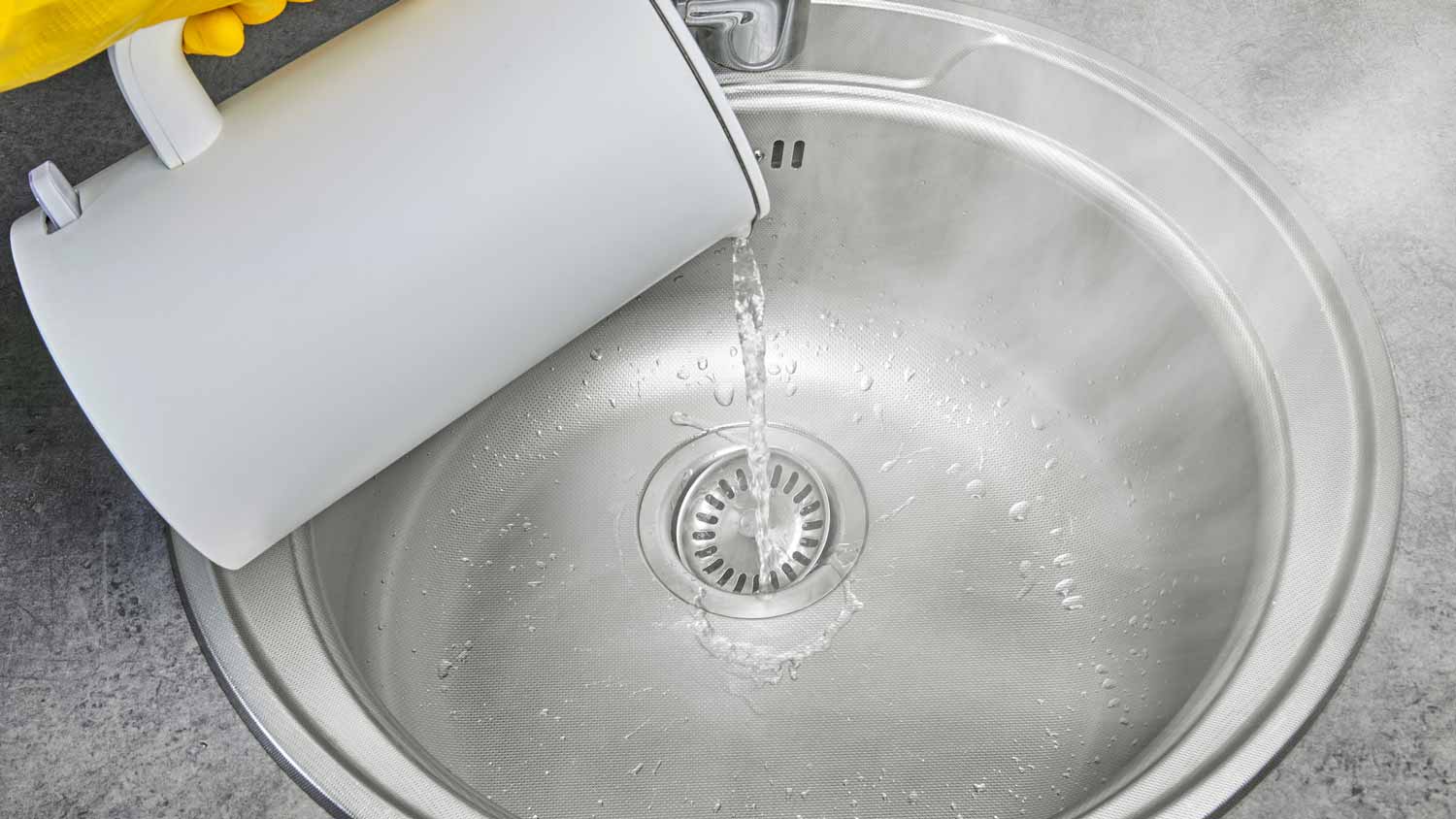
Have you ever wondered if pouring boiling water down your kitchen sink is safe? It seems like a quick fix to clear clogged drains or clean away grease.
But before you grab that kettle, it’s important to know what really happens when boiling water meets your pipes. This simple action could either help your sink or cause unexpected damage. Keep reading to discover the truth and learn the best ways to care for your kitchen plumbing without risking costly repairs.
Credit: blog.cheapism.com
Boiling Water And Sink Materials
Pouring boiling water down your kitchen sink might seem like a simple way to clear clogs or sanitize drains. But the safety of this action depends heavily on what your sink and pipes are made of. Understanding how boiling water interacts with different materials helps you avoid costly damage and maintain your plumbing system's health.
Effects On Pvc Pipes
Most modern homes use PVC pipes for their kitchen plumbing. PVC is a type of plastic that can soften or warp when exposed to high temperatures.
Boiling water, which is around 212°F (100°C), is right at the edge of PVC’s tolerance. Pouring it frequently or in large amounts can weaken the joints or cause the pipes to deform over time.
So, if your plumbing relies on PVC, ask yourself: is there a gentler way to clear the drain? Using warm water mixed with vinegar or baking soda might be safer and still effective.
Impact On Metal Pipes
Older homes often have metal pipes made of copper or galvanized steel. These materials handle heat better than PVC and can usually tolerate boiling water without immediate damage.
However, repeated exposure to boiling water can accelerate corrosion, especially in galvanized steel pipes. Copper pipes resist corrosion but can still become damaged if the water is extremely hot and the flow is constant.
Think about how often you pour boiling water down the drain. Could frequent use lead to premature pipe wear and unexpected leaks?
Considerations For Composite Sinks
Composite sinks, made from materials like quartz or granite mixed with resin, are popular for their durability and style. But the resins in these sinks can be sensitive to sudden temperature changes.
Pouring boiling water directly onto the sink surface can cause discoloration or even cracking in some cases. Always check your sink’s manufacturer guidelines before using boiling water.
Instead of risking damage, try pouring boiling water slowly and avoid letting it pool in one spot. Have you noticed any signs of heat damage on your sink from past attempts?
Common Kitchen Scenarios
Boiling water often comes up in kitchen tasks. Many people wonder if it is safe to pour boiling water down the sink. The answer depends on what you need to do. Common kitchen scenarios can help clarify when it works and when it does not.
Clearing Clogs With Boiling Water
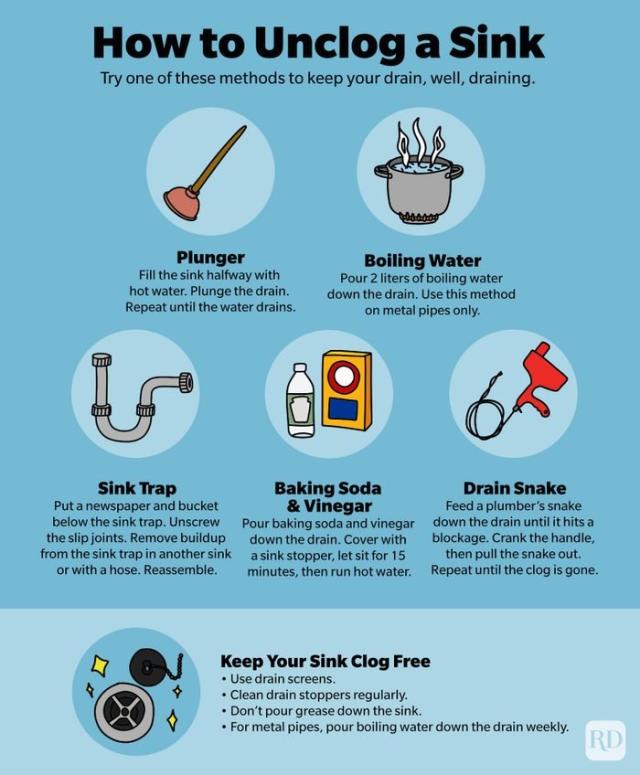
Boiling water can help clear simple clogs. It works best on grease or soap buildup. Pour slowly to avoid damage. Avoid using boiling water on PVC pipes. Hot water can soften or crack them. For metal pipes, boiling water usually poses no risk.
Sanitizing Drains
Boiling water kills many bacteria in drains. It helps keep your kitchen smelling fresh. Pouring boiling water regularly can reduce germs. This is an easy way to maintain hygiene. Avoid pouring too fast to prevent splash burns.
Disposing Of Grease And Food Residue
Pouring grease down the sink is risky. Boiling water can melt grease but may cause blockages later. Grease solidifies in pipes as it cools. Dispose of grease in the trash instead. Use boiling water to rinse small food bits. It helps move residue without harming pipes.
Potential Risks
Pouring boiling water down the kitchen sink might seem like a quick fix for clogs or to sanitize the pipes. However, this seemingly harmless action carries potential risks that homeowners should be aware of. Let’s delve into these risks to ensure your plumbing system remains in top shape.
Pipe Damage And Warping
Boiling water can be a serious threat to your pipes, especially if they're made of PVC or old metal. PVC pipes, commonly used in modern plumbing, are not designed to withstand the high temperatures of boiling water. Over time, this can lead to warping or even cracks, resulting in costly repairs.
If you’ve got metal pipes, you might think you’re in the clear. However, repeated exposure to extreme heat can weaken the metal, leading to leaks or bursts. Is risking the integrity of your plumbing system worth a momentary convenience?
Sealant And Adhesive Concerns
Your plumbing system relies on various sealants and adhesives to keep everything watertight. Unfortunately, these materials aren’t immune to the effects of boiling water. High temperatures can break down these sealants over time, causing leaks and potential water damage.
Imagine needing to call a plumber because a small action like pouring water compromised your sink’s seal. Always think twice before exposing your plumbing to unnecessary heat.
Safety Hazards In The Kitchen
Handling boiling water in the kitchen is inherently risky. Spills or splashes can cause severe burns or injuries. If you’re multitasking, the chances of an accident increase significantly.
Furthermore, consider the potential for accidents if children or pets are nearby. A simple moment of distraction could lead to a hazardous situation. Is the risk worth the convenience?
In making small decisions, such as pouring boiling water down your sink, it’s important to weigh the potential risks. Consider safer alternatives for unclogging or cleaning your drains. Your kitchen and its plumbing will thank you for it!

Credit: www.drano.com
Expert Recommendations
Experts advise caution when pouring boiling water down the kitchen sink. The safety depends on your plumbing type and sink materials. Knowing when it is safe helps prevent damage and costly repairs.
When Boiling Water Is Safe
Boiling water is safe for metal pipes like copper or steel. It can help dissolve grease and clear minor blockages. Avoid pouring boiling water if your sink has plastic or PVC pipes. Hot water may soften or warp these materials, causing leaks. Always check your plumbing type before pouring boiling water.
Alternatives To Boiling Water
Use warm water with baking soda and vinegar for cleaning. This mixture breaks down grease without harming pipes. A plunger or drain snake can clear clogs safely. Enzyme-based drain cleaners work gently on organic buildup. These options protect your plumbing and keep your sink safe.
Maintenance Tips For Your Sink
- Run hot tap water regularly to flush pipes.
- Avoid pouring grease or oil down the drain.
- Use a drain strainer to catch food particles.
- Schedule periodic professional inspections for old plumbing.
- Clean your sink and drains monthly with safe solutions.
Following these tips helps keep your kitchen sink in good shape. Proper care reduces the risk of damage from hot water or debris.
Environmental And Plumbing Considerations
Pouring boiling water down the kitchen sink affects both the environment and your plumbing. Understanding these impacts helps protect your home and local water systems. Boiling water can influence the delicate balance in septic tanks and municipal sewer lines.
Impact On Septic Systems
Septic systems rely on bacteria to break down waste. Boiling water can kill these helpful bacteria. Without them, waste may not decompose properly. This can lead to blockages and system failure.
Pouring small amounts occasionally might not harm the system. Large amounts or frequent use can disrupt the bacteria balance. It is better to let hot water cool before draining it.
Effects On Municipal Sewer Lines
Municipal sewer lines carry wastewater to treatment plants. Boiling water can soften grease and fats stuck in pipes. This may help clear minor clogs. Yet, very hot water can also damage older pipes, especially those made of plastic.
Excessive use of boiling water can increase energy use at treatment plants. The water needs cooling before processing. This can raise operational costs and environmental impact.
Credit: www.aol.com
Frequently Asked Questions
Can Boiling Water Damage Kitchen Sink Pipes?
Boiling water can damage certain pipes, especially PVC or older plastic ones. Metal pipes usually withstand heat better. Always check your sink’s pipe material before pouring boiling water to avoid warping or leaks.
Is Boiling Water Effective For Unclogging Drains?
Yes, boiling water can help dissolve grease and soap buildup in drains. However, it’s less effective on solid clogs and might harm plastic pipes. Use it cautiously and combine with other methods if needed.
How Often Can I Pour Boiling Water Down The Sink?
Pouring boiling water occasionally is generally safe for metal pipes. Frequent use on plastic pipes can cause damage. Limit boiling water use to a few times a week to maintain pipe integrity.
Are There Safer Alternatives To Boiling Water For Cleaning Sinks?
Yes, safer options include baking soda and vinegar or enzyme-based drain cleaners. These methods effectively clean without risking pipe damage. They’re environmentally friendly and reduce the chance of harm to your plumbing.
Conclusion
Pouring boiling water down the kitchen sink can be safe in some cases. It helps clear small clogs and cleans grease when done carefully. Avoid doing this if your pipes are old or made of plastic. Always check your plumbing type first.
Small amounts are better than large pours. Using boiling water regularly might damage certain pipes. Choose safer alternatives if unsure. Taking simple precautions protects your sink and plumbing. Keep your kitchen running smoothly with smart water use.