
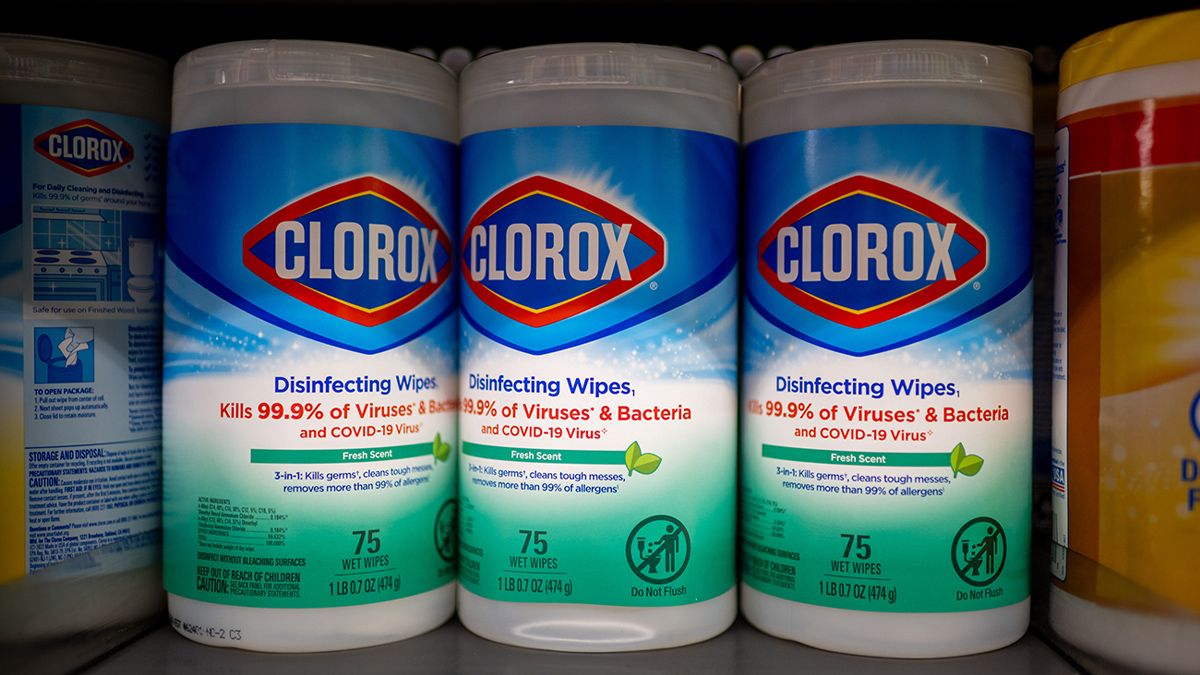
You want your kitchen to be clean and safe, especially when it comes to the surfaces where you prepare your food. Clorox wipes are a popular choice for quick and easy cleaning, but is it really safe to use them on your kitchen countertops?
You might be wondering if these wipes could damage your surfaces or leave harmful residues behind. You’ll discover the truth about using Clorox wipes on different countertop materials and learn how to keep your kitchen both spotless and safe. Keep reading to protect your home and your health.

Credit: www.youtube.com
Clorox Wipes And Kitchen Surfaces
Cleaning kitchen surfaces properly is essential for maintaining a healthy home. Clorox wipes are popular because they kill germs quickly and are easy to use. But you might wonder if they are safe for all your kitchen countertops, especially since these surfaces differ in material and durability.
Types Of Kitchen Countertops
Kitchen countertops come in many materials, each with its own care needs. Common types include:
- Granite:Durable but can dull if exposed to harsh chemicals.
- Marble:Porous and sensitive to acidic or abrasive cleaners.
- Quartz:Engineered stone that resists stains but can be damaged by strong chemicals.
- Laminate:Budget-friendly, but the surface can peel or discolor if wiped with harsh products.
- Butcher Block/Wood:Needs gentle cleaning to avoid drying or warping.
Knowing your countertop type helps you decide if Clorox wipes are a good fit for regular cleaning or if you should choose something milder.
How Clorox Wipes Work
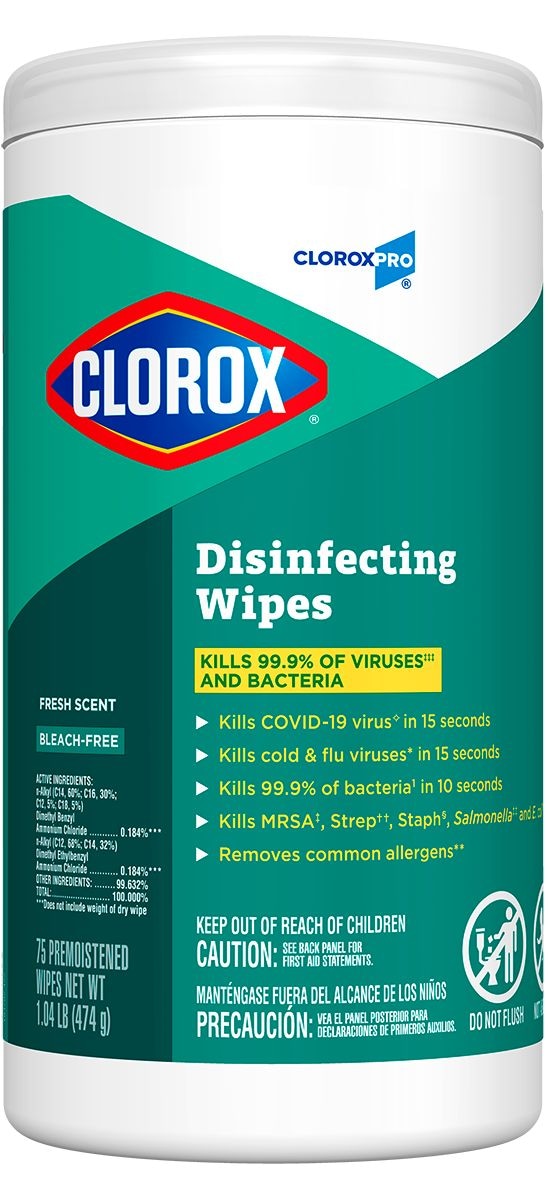
Clorox wipes contain disinfectants designed to kill bacteria and viruses on contact. Their main ingredient is usually a form of bleach or quaternary ammonium compounds.
These chemicals break down germs quickly but can also affect certain surfaces negatively. For example, the bleach in Clorox wipes might strip the finish on natural stone or fade color on laminate.
Have you noticed any dull spots or discoloration after wiping your counters? That could be a sign the wipes are too harsh for that surface. Testing on a small, hidden area first is a smart way to protect your countertops while keeping them clean.
Safety Concerns With Clorox Wipes
Using Clorox wipes on kitchen countertops raises several safety concerns. Understanding these concerns helps protect your health and the surfaces you clean. Some ingredients in these wipes can be harsh. They might cause damage to certain materials and leave residues that require careful handling.
Chemical Composition
Clorox wipes contain disinfectants like bleach and quaternary ammonium compounds. These chemicals kill germs effectively but can irritate skin and eyes. Prolonged exposure may cause respiratory issues for sensitive individuals. The wipes also have fragrances and preservatives that some people might find allergenic. Always use them in a well-ventilated area. Avoid direct contact with food or utensils without rinsing.
Potential Surface Damage
Some countertops are sensitive to harsh chemicals. Natural stone surfaces like granite or marble can dull or etch when cleaned with Clorox wipes. Laminate and wood finishes may also degrade over time. The wipes’ strong ingredients can strip protective coatings. Test a small hidden area before full use. Wiping with water afterward can reduce chemical build-up and surface wear.
Using Clorox Wipes Properly
Using Clorox wipes properly ensures effective cleaning and safety. These wipes are great for maintaining clean kitchen countertops. To maximize their effectiveness, it's essential to follow proper guidelines.
Application Tips
Before using Clorox wipes, clear the countertop of any debris. Wipe the surface in one direction to avoid spreading germs. Use enough wipes to cover the entire area. Dispose of wipes after one use to prevent contamination.
Recommended Contact Time
Allow the surface to remain wet for at least four minutes. This contact time ensures the elimination of bacteria and viruses. Do not rush the process for better results.
Rinsing And Drying
After the contact time, rinse the countertop with water. Use a clean cloth to dry the surface thoroughly. This step prevents residue build-up and keeps the area safe for food preparation.
Alternatives To Clorox Wipes
Clorox wipes are popular for cleaning kitchen countertops. Still, some people worry about the chemicals they contain. Many prefer safer or gentler options. These alternatives can clean effectively without harsh ingredients. They suit families with children or sensitive skin. Choosing the right product keeps your kitchen clean and safe.
Natural Cleaning Options
Natural products use ingredients from nature. They avoid strong chemicals and toxins. These options are gentle on surfaces and skin.
- White vinegar: Kills many germs and removes stains.
- Baking soda: Acts as a mild abrasive to scrub dirt.
- Lemon juice: Has natural antibacterial properties and fresh scent.
- Castile soap: Plant-based soap that cleans without harsh chemicals.
- Essential oils: Tea tree or lavender oils add extra disinfecting power.
Mix vinegar with water for a simple spray cleaner. Combine baking soda and water for a paste to scrub tough spots. Lemon juice brightens and disinfects naturally. These options clean well without harming your countertop.
Other Disinfectant Products
Many products disinfect without using Clorox wipes. Some are designed for kitchen use and safe on many surfaces.
- Hydrogen peroxide: Kills germs and dries quickly without residue.
- Alcohol-based sprays: Contain at least 70% alcohol to disinfect surfaces.
- Disinfectant sprays labeled for food contact surfaces: Ensure safety around food.
- Microfiber cloths with water: Remove dirt and bacteria effectively.
Always check product labels for surface compatibility. Test on a small area before full use. These products provide safe and effective cleaning without harsh chemicals.
Expert Recommendations
Experts agree that Clorox wipes can be a handy tool for cleaning kitchen countertops, but they also stress the importance of using them correctly. Understanding when and how to use these wipes will help you maintain a safe and hygienic kitchen space without damaging your surfaces. Here’s what professionals recommend to keep your countertops both clean and intact.
When To Use Clorox Wipes
Use Clorox wipes primarily for quick, everyday cleaning and disinfecting. They work best on non-porous surfaces like laminate, sealed granite, and quartz countertops. If you spill raw meat juices or other harmful bacteria, these wipes can efficiently reduce risk when used promptly.
However, avoid relying on them for deep cleaning heavy grease or stubborn stains. In those cases, a dedicated cleaner or soap and water might be more effective. Also, consider wiping down after cooking to prevent bacteria buildup but not as a replacement for thorough cleaning.
Precautions To Take
- Check Surface Compatibility:Test the wipe on a small, hidden area first to ensure it doesn’t discolor or damage your countertop.
- Follow Contact Time:Let the surface stay wet for the recommended time on the label to ensure proper disinfection.
- Rinse If Necessary:For food preparation areas, some experts suggest rinsing the surface with water after using disinfectant wipes to avoid chemical residue.
- Ventilate Your Kitchen:Use wipes in a well-ventilated space to avoid inhaling fumes, especially if you have sensitive lungs.
- Avoid Using on Unsealed Surfaces:Natural stone like marble or unsealed wood may get damaged by the chemicals in the wipes.
Have you ever thought about what’s really left behind after wiping down your counters? Taking these precautions seriously can make a big difference in the safety and longevity of your kitchen surfaces.

Credit: www.gianteagle.com
Credit: www.partycity.ca
Frequently Asked Questions
Are Clorox Wipes Safe For All Kitchen Countertop Materials?
Clorox wipes are safe for most sealed countertops like granite and laminate. Avoid using them on unsealed wood or natural stone, as they can cause damage or discoloration. Always check the countertop manufacturer’s cleaning recommendations before use.
Can Clorox Wipes Damage Kitchen Countertops?
When used properly, Clorox wipes do not damage sealed countertops. However, frequent use or harsh scrubbing might wear off protective coatings. Test on a small area first to ensure no adverse effects occur.
How Often Should I Use Clorox Wipes On Countertops?
Use Clorox wipes daily or after food preparation for effective disinfection. Regular cleaning helps eliminate germs and bacteria, keeping your kitchen safe and hygienic.
Do Clorox Wipes Leave A Residue On Countertops?
Clorox wipes may leave a slight residue if not wiped dry. To avoid buildup, follow with a clean, damp cloth to remove any leftover cleaning solution.
Conclusion
Clorox wipes can clean many kitchen countertops safely. Always check the label for your countertop type. Avoid using wipes on surfaces like natural stone or wood. Let the surface dry well after wiping. Use them carefully and in small amounts.
Clean counters help keep your kitchen healthy. Choose the right cleaner for your countertop material. Simple steps protect your surfaces and family’s health. Keep your kitchen clean and safe every day.