
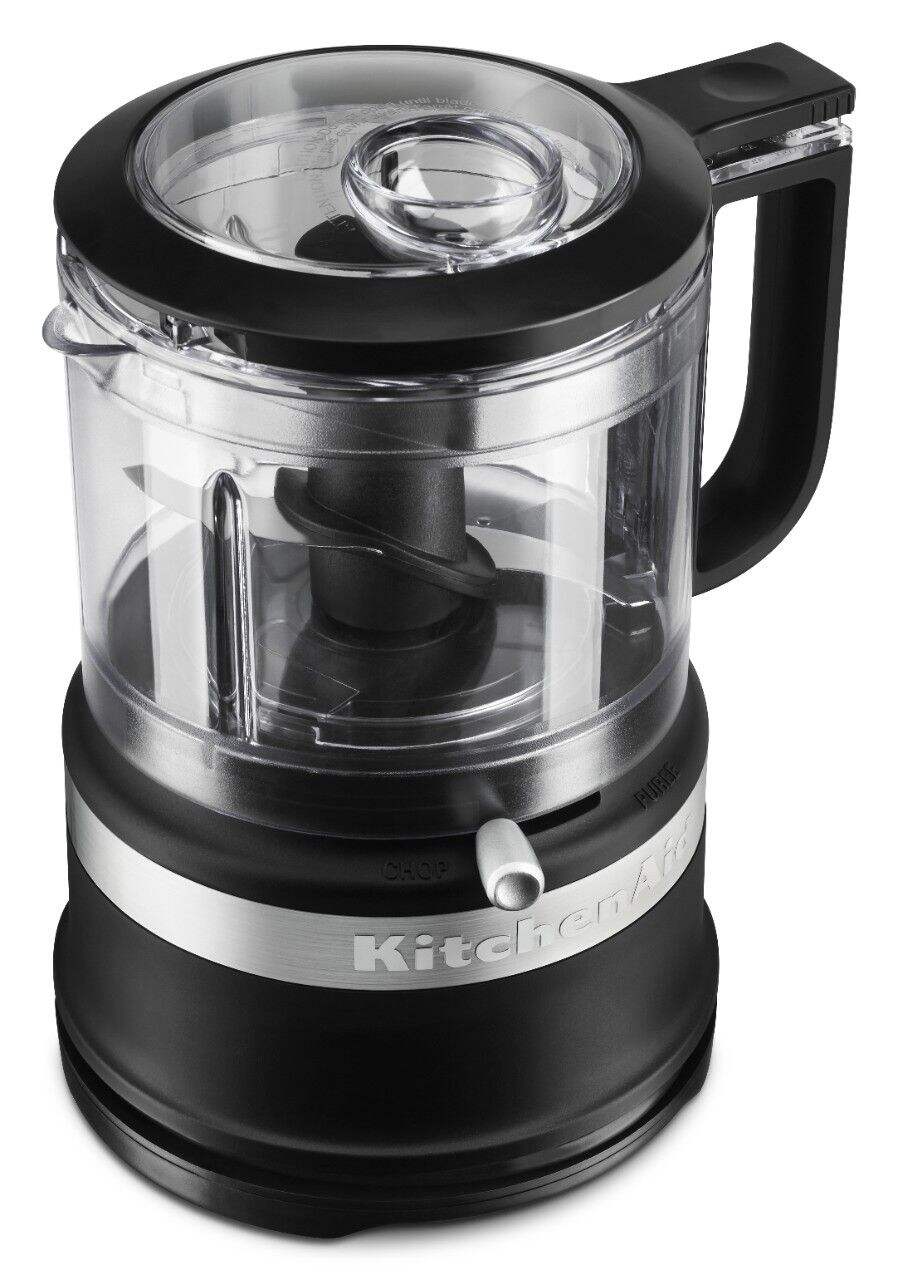
Are you wondering if your Kitchen Aid food processor is dishwasher safe? Cleaning kitchen gadgets can be a hassle, especially when you’re short on time.
You want to keep your food processor spotless without risking damage or wasting effort. You’ll discover exactly how to clean your Kitchen Aid food processor the right way. By the end, you’ll know the safest and quickest methods to keep it sparkling clean, so you can focus more on cooking and less on cleanup.
Keep reading to find out everything you need to know!
Kitchen Aid Food Processor Parts
The Kitchen Aid Food Processor is made up of several important parts that work together to make food prep easier and faster. Understanding these parts will help you know which ones are dishwasher safe and which need more careful cleaning. Let’s take a closer look at what makes up this handy kitchen tool.
Main Components
Your Kitchen Aid Food Processor usually includes a few key parts:
- Motor Base:This is the heavy part that powers the blades. It should never go in the dishwasher.
- Work Bowl:The large container where you place your ingredients. Most models have dishwasher-safe bowls.
- Lid:The cover that locks the bowl in place during operation. Usually dishwasher safe but check your manual.
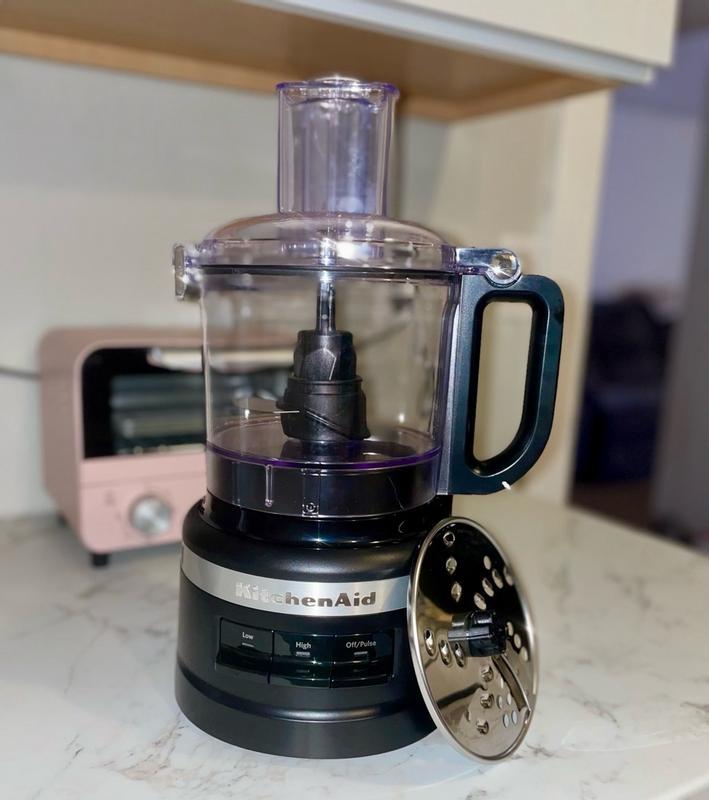
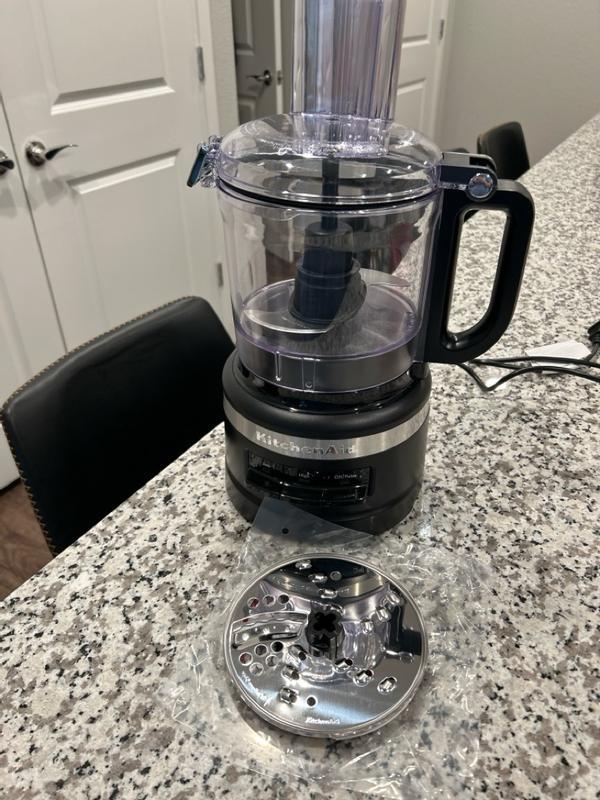
- Blades and Discs:These do the chopping, slicing, and shredding. Many are dishwasher safe but require careful placement to avoid damage.
- Pushers:Used to guide food safely into the blades. These small parts often clean well in the dishwasher.
Knowing these parts helps you clean your processor efficiently without risking damage.
Materials Used
The materials in your Kitchen Aid Food Processor affect how you should clean each part. Most work bowls and lids are made from BPA-free plastic. This plastic holds up well in the dishwasher’s top rack.
Blades and discs are usually stainless steel, which resists rust and can handle dishwasher cleaning. However, sharp blades can dull faster if exposed to harsh dishwasher detergents regularly.
The motor base contains electrical components and a metal exterior. Because water can cause damage, it’s important to clean this part only with a damp cloth.
Have you noticed how some parts still feel sticky after dishwasher cleaning? Sometimes handwashing with warm, soapy water is better, especially for removing oily residues from blades.
Credit: www.kitchenaid.com
Dishwasher Safety Of Parts
Understanding which parts of your Kitchen Aid food processor are dishwasher safe can save you time and prevent damage. Not all components handle dishwasher heat and water pressure the same way. Knowing what you can safely place in the dishwasher helps keep your appliance in top shape longer.
Dishwasher Safe Components
Many parts of the Kitchen Aid food processor are designed for easy cleanup. Usually, the bowl, lid, and most blades are dishwasher safe. These pieces are made from durable plastic or stainless steel that withstands high temperatures without warping or degrading.
- The main bowl: Typically dishwasher safe on the top rack.
- The lid and feed tube: Also safe for the top rack to avoid warping.
- Blades and discs: Stainless steel parts usually handle dishwasher cleaning well.
Placing these parts on the top rack prevents direct heat exposure and reduces the chance of damage. Have you noticed how your dishwasher’s heating element can sometimes be too harsh on plastic? That’s why the top rack is your safest bet.
Parts To Avoid In Dishwasher
Not every component of your Kitchen Aid food processor can handle the dishwasher environment. Some parts contain delicate seals, motors, or plastic that may warp or crack. Avoid placing the motor base or any parts with electrical components in the dishwasher.
- Motor base: Never submerge or put in the dishwasher as it can cause permanent damage.
- Seals and gaskets: These can lose their flexibility and fail after repeated dishwasher cycles.
- Plastic parts with labels or decals: Hot water and detergent may cause peeling or fading.
Taking a moment to wash these parts by hand can extend their lifespan significantly. Have you ever experienced a gasket that stopped sealing properly? That often happens after dishwasher misuse.
Cleaning Tips For Food Processor
Keeping your Kitchen Aid food processor clean is key for safe and tasty meals. Proper cleaning stops germs and keeps parts working well. Use the right cleaning methods to protect your appliance and enjoy fresh food every time. Here are simple tips to clean your food processor efficiently.
Hand Washing Guidelines
Remove all detachable parts before washing. Use warm, soapy water to clean blades and bowls. Handle blades carefully to avoid cuts. Use a soft sponge or cloth to avoid scratches. Rinse parts thoroughly with clean water. Dry parts immediately to prevent rust or water spots. Avoid soaking parts for a long time as it can damage seals.
Using Dishwasher Effectively
Check if your food processor parts are dishwasher safe. Place small parts on the top rack to prevent damage. Avoid placing heavy items on delicate parts. Use a gentle dishwasher cycle with mild detergent. Remove parts quickly after the cycle ends to dry them properly. Regular dishwasher use can shorten the lifespan of some parts, so balance hand washing and dishwasher use.
Common Issues With Dishwasher Use
Using a dishwasher to clean your Kitchen Aid food processor might seem convenient, but it can lead to some common issues. Understanding these problems can help you avoid costly damage and keep your appliance working smoothly for years. Let’s look at what could go wrong when you rely on your dishwasher too often.
Damage Risks
Dishwashers use high heat and strong water pressure, which can harm delicate parts of your food processor. Plastic components may warp or crack, and metal blades can dull faster. Seals and gaskets might lose their tight fit, causing leaks or poor performance.
Have you noticed discoloration or a strange smell after dishwasher cleaning? These are signs that the materials are breaking down. Even if your model is labeled dishwasher safe, frequent washing in a dishwasher can shorten its lifespan.
Maintaining Longevity
To keep your Kitchen Aid food processor in top shape, hand washing is often the safer choice. Use warm, soapy water and a soft sponge to clean parts gently. Dry everything thoroughly before reassembling to prevent rust and mold.
If you must use a dishwasher, place parts on the top rack away from the heating element. Avoid using harsh detergents or high-temperature settings. Regularly inspect blades and seals for wear and replace them promptly to avoid bigger issues.
What small changes can you make in your cleaning routine to protect your investment? Sometimes, a little extra care goes a long way in preserving your kitchen tools.
Manufacturer’s Care Recommendations
KitchenAid food processors are an essential tool in many kitchens. To ensure they last, following the manufacturer’s care recommendations is key. These guidelines help maintain the appliance's efficiency and longevity. Proper care also keeps the warranty valid, which is crucial for long-term use.
Official Cleaning Instructions
KitchenAid provides specific cleaning instructions for their food processors. Most removable parts are dishwasher safe. This includes the bowl, lid, and blades. Place them on the top rack of the dishwasher. This prevents damage from high heat. Always use a gentle detergent. Avoid harsh chemicals to keep parts in good condition.
For the motor base, use a damp cloth. Unplug it first for safety. Wipe the exterior carefully. Never submerge the motor base in water. This can cause damage. Regular cleaning prevents buildup and ensures smooth operation.
Warranty And Cleaning
The warranty covers defects in materials and workmanship. Proper cleaning is crucial to keep the warranty valid. Misuse or neglect can void the warranty. Following the care guide helps protect your investment. In case of issues, contact KitchenAid support. They provide guidance on maintenance and repairs.
Always keep a copy of the receipt. It’s needed for any warranty claims. Understanding the warranty terms helps avoid unexpected costs. Maintain your food processor with care. It will serve you well for years.
Credit: www.kitchenaid.com
Comparing With Other Brands
Comparing KitchenAid food processors with other brands reveals interesting differences in dishwasher safety. Many users want to know which models clean easily without damage. Dishwasher-safe parts make kitchen cleanup faster and simpler. Some brands offer more features that protect their components during washing. Understanding these differences helps buyers choose the best option for their needs.
Dishwasher Safety Features
KitchenAid food processors generally have dishwasher-safe bowls and blades. They recommend placing parts on the top rack only. Some other brands offer fully dishwasher-safe components, including lids and pushers. A few brands use materials that resist warping or cracking in hot water. Others have parts that require hand washing to keep their shape and function.
- KitchenAid: Top-rack dishwasher safe bowls and blades
- Cuisinart: Many parts dishwasher safe but some need hand wash
- Hamilton Beach: Dishwasher safe parts with durable plastic
- Breville: Some parts dishwasher safe; others require hand wash
User Experiences
Many KitchenAid users report their food processor parts hold up well after dishwasher cleaning. Some notice slight wear after frequent washing but no serious damage. Users of other brands share mixed experiences. Some find parts stay clean and intact after dishwasher use. Others mention warping or discoloration after repeated cycles. Overall, careful placement in the dishwasher helps preserve parts better.
- KitchenAid users praise ease of cleaning and durability
- Cuisinart users appreciate dishwasher-safe parts but hand wash some pieces
- Hamilton Beach users find dishwasher cleaning convenient and safe
- Breville users prefer hand washing some parts to extend lifespan
Credit: www.kitchenaid.com
Frequently Asked Questions
Is Kitchen Aid Food Processor Dishwasher Safe?
Yes, most Kitchen Aid food processor parts are dishwasher safe. However, always check the user manual for specific cleaning instructions to avoid damage.
Which Kitchen Aid Parts Can Go In The Dishwasher?
Typically, the bowl, lid, and blades are dishwasher safe. The motor base must be cleaned by hand only to prevent damage.
How To Clean Kitchen Aid Food Processor Safely?
Remove all detachable parts and wash them in the dishwasher or by hand. Wipe the motor base with a damp cloth only.
Can Dishwasher Damage Kitchen Aid Food Processor Parts?
Improper dishwasher use can damage parts. Avoid high heat cycles and place components on the top rack to protect them.
Conclusion
KitchenAid food processor parts mostly go in the dishwasher. Always check the user manual for exact instructions. Some pieces need hand washing to last longer. Avoid putting the motor base in the dishwasher. Cleaning your processor properly keeps it working well.
Taking care of parts saves time and effort. Now you know how to clean your KitchenAid safely. Easy cleaning means more time for cooking fun.