
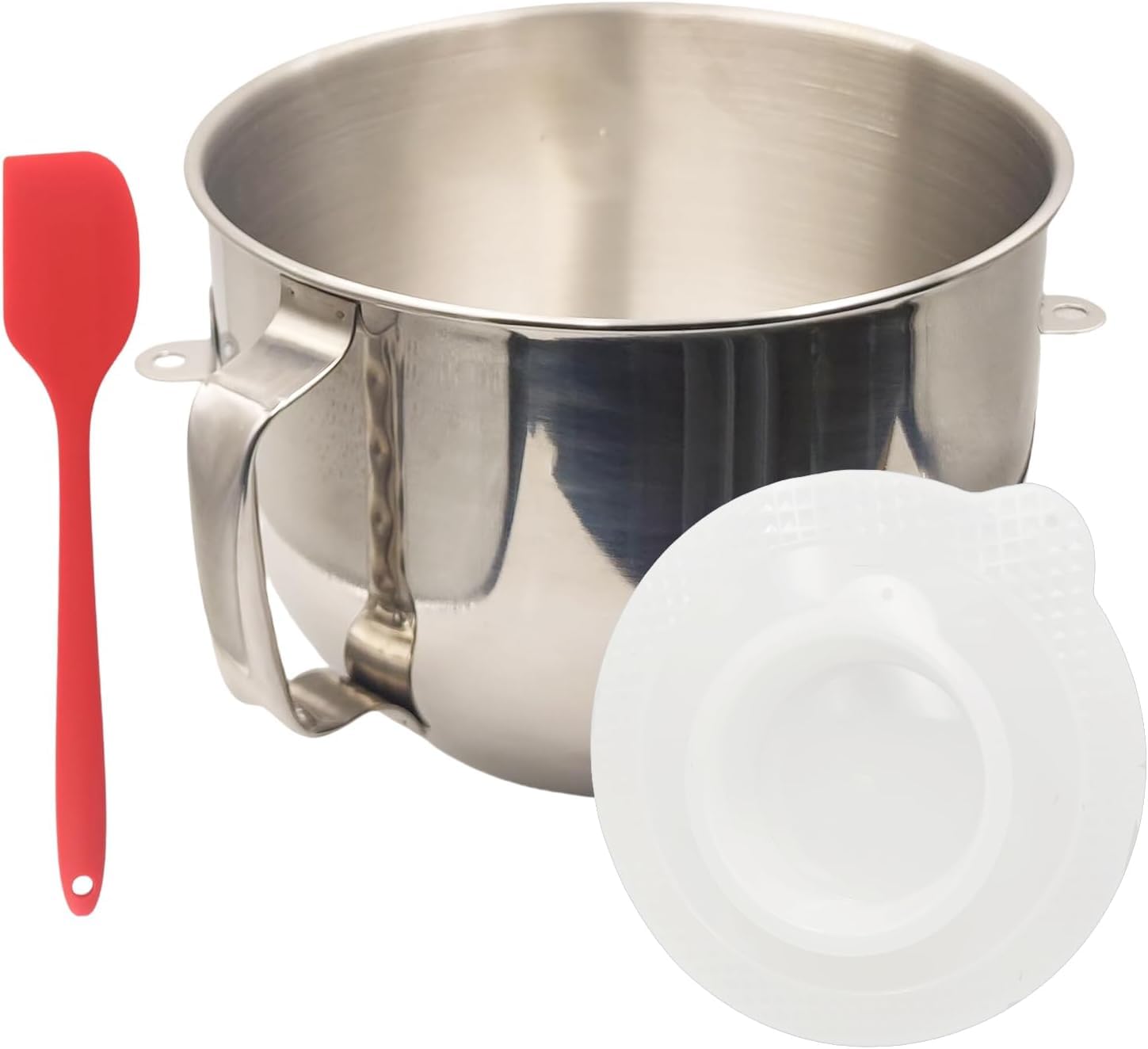
Are you wondering if your KitchenAid mixing bowl is safe to clean in the dishwasher? You want to make sure your favorite kitchen tool stays in great shape without extra hassle.
Knowing the right way to care for your mixing bowl can save you time and prevent damage. Keep reading to discover the simple truth about dishwasher safety for your KitchenAid bowl and learn how to keep it looking and working like new.
Kitchenaid Mixing Bowl Materials
KitchenAid mixing bowls come in different materials. Each type offers unique benefits and care needs. Knowing the materials helps in proper cleaning and maintenance. It also guides you on whether the bowl is dishwasher safe. Understanding these details keeps your bowl in good shape for years.
Types Of Kitchenaid Bowls
- Stainless Steel Bowls
- Glass Bowls
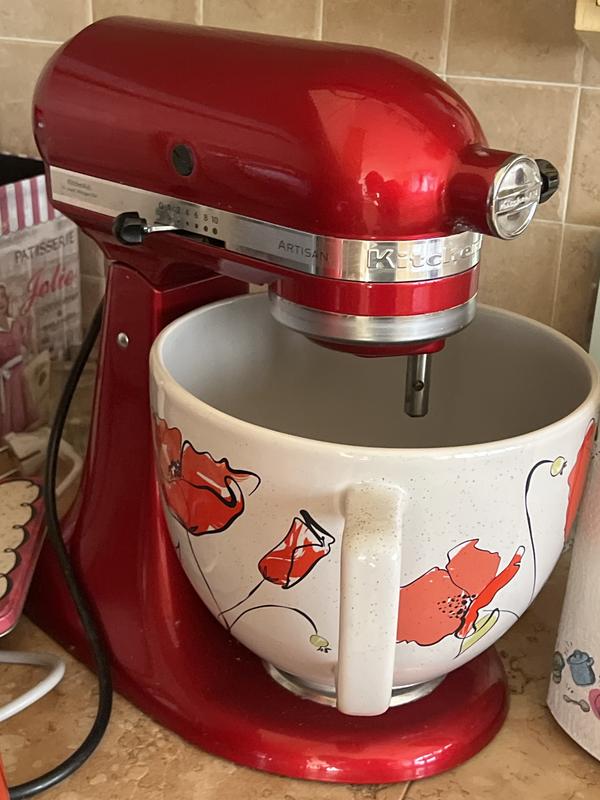
- Ceramic Bowls
- Plastic Bowls
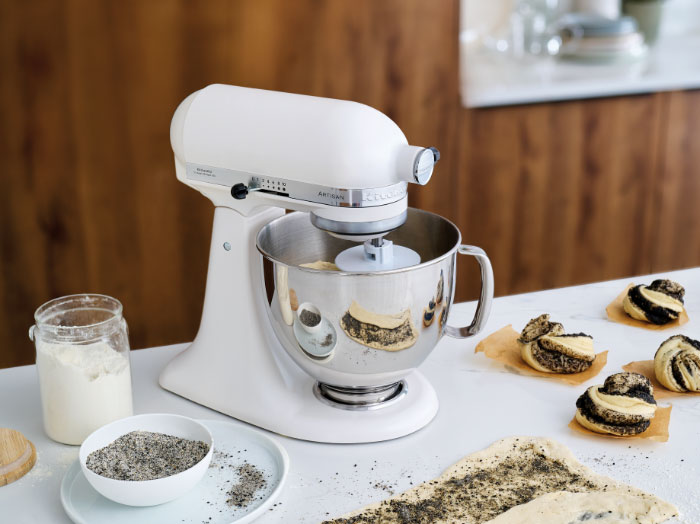
Stainless steel bowls are the most common. They are lightweight, durable, and resist stains. Glass bowls offer a clear view of ingredients. Ceramic bowls provide a classic look and feel. Plastic bowls are light and budget-friendly but less durable.
Material Properties And Durability
Stainless steel is strong and does not rust. It handles heat well and resists dents. Glass bowls are heavy but can chip or break easily. Ceramic bowls are sturdy but may crack under sudden temperature changes. Plastic bowls can scratch and stain over time.
Most stainless steel bowls are dishwasher safe. Glass and ceramic bowls usually are too but check for cracks. Plastic bowls vary; some are dishwasher safe, others are not. Always read the care instructions for your specific bowl model.
Credit: www.kitchenaid.ie
Dishwasher Safety For Different Bowls
Dishwasher safety is an essential consideration when it comes to maintaining the longevity and functionality of your KitchenAid mixing bowls. Each type of bowl material—stainless steel, glass, ceramic, and plastic—has its own unique needs and requirements when faced with the harsh conditions inside a dishwasher. Ensuring you clean them properly not only preserves their appearance but also their utility in your cooking adventures.
Stainless Steel Bowls
Stainless steel bowls are generally safe to put in the dishwasher. These bowls are designed to withstand high temperatures and aggressive detergents without losing their luster. However, it's a good idea to place them on the top rack to avoid direct exposure to the heating element.
Glass Bowls
Glass bowls can go in the dishwasher, but caution is advised. Sudden temperature changes can cause thermal shock, potentially leading to cracks. To mitigate this, avoid placing them near the heating element and opt for a gentle cycle.
Ceramic Bowls
Ceramic bowls often come with decorative glazes that might not fare well in the dishwasher. Over time, the glaze can chip or fade. Hand washing is usually recommended to preserve their aesthetic appeal.
Plastic Bowls
Plastic bowls can be dishwasher-safe, but it's crucial to check the manufacturer's instructions. Some plastics can warp or melt under high heat. Always place them on the top rack and use a cooler wash setting to maintain their shape.
Have you ever noticed how a little attention to cleaning can extend the lifespan of your kitchen tools? By understanding the specific needs of your mixing bowls, you can ensure they remain a staple in your culinary toolbox for years to come.
Manufacturer’s Care Instructions
Understanding the Manufacturer’s Care Instructions is key to keeping your KitchenAid mixing bowl in great shape. These instructions provide specific advice straight from the source, helping you avoid damage and extend the life of your bowl.
Official Cleaning Guidelines
KitchenAid clearly states that most of their mixing bowls are dishwasher safe, but there are exceptions depending on the material. Stainless steel bowls usually handle dishwasher cycles well, while glass or ceramic bowls might require hand washing to prevent chipping or cracking.
Always check the product manual that came with your bowl or visit KitchenAid’s official website for the exact cleaning recommendations. Following these guidelines ensures your bowl stays shiny and functional for years.
Warnings And Precautions
The manufacturer warns against using abrasive cleaners or scrubbers, as these can scratch the surface of your mixing bowl. Even if the bowl is dishwasher safe, placing it near heavy pots or sharp utensils can cause damage during the wash cycle.
Consider this: have you ever noticed tiny scratches or dull spots on your mixing bowl after a few dishwasher runs? That’s a sign to rethink how you clean it. Taking simple precautions like using the top rack or a gentle cycle can make a big difference.
Credit: www.kitchenaid.co.uk
Common Issues With Dishwasher Use
Using a dishwasher for your Kitchen Aid mixing bowl might seem easy. Many users prefer this to save time. Yet, dishwashers can cause some problems. Knowing these issues helps protect your bowl’s quality. Understanding risks guides you in choosing the best cleaning method.
Potential Damage Risks
Dishwasher heat can warp or crack the bowl. High temperatures may weaken the material over time. The strong water jets can cause scratches on the surface. Detergents in dishwashers are often harsh. They might cause discoloration or wear on the bowl. Small parts like rubber seals may degrade faster. These damages reduce the bowl’s lifespan and performance.
Effect On Bowl Finish And Coating
The finish of the bowl can dull after several washes. Dishwasher detergents may strip protective coatings. This can make the bowl look old and worn out. The bowl’s shine and smoothness may fade. Repeated dishwasher cycles speed up this process. Preserving the finish means washing by hand might be better. Gentle cleaning keeps the bowl looking new longer.
Tips For Safe Cleaning
Keeping your Kitchen Aid mixing bowl clean helps it last longer and stay looking great. Proper cleaning prevents damage and keeps your bowl safe for food use. Follow these tips to clean your mixing bowl safely and effectively.
Hand Washing Techniques
Use warm water and mild dish soap for hand washing. Avoid abrasive scrubbers that can scratch the bowl’s surface. Use a soft sponge or cloth to gently clean inside and outside. Rinse well with clean water to remove all soap. Dry the bowl with a soft towel to prevent water spots.
Dishwasher Loading Tips
Place the mixing bowl securely on the bottom rack of the dishwasher. Avoid stacking heavy items on or inside the bowl. Make sure the bowl does not block water spray from dishwasher jets. Use a gentle or normal wash cycle to protect the finish. Remove the bowl promptly after the cycle ends to avoid moisture buildup.
Detergent Recommendations
Choose a mild dishwasher detergent with no harsh chemicals or bleach. Avoid detergents with strong fragrances that might leave residue. Use the recommended amount of detergent to prevent buildup. For hand washing, stick to gentle dish soaps designed for delicate dishes. These choices help keep your mixing bowl clean without damage.

Credit: www.amazon.ca
User Experiences And Reviews
User experiences and reviews offer valuable insights about the Kitchen Aid mixing bowl’s dishwasher safety. Real users share their stories after daily use. Their feedback helps others decide how to care for the bowl properly.
Positive Feedback
- Many users report the bowl cleans easily in the dishwasher.
- The stainless steel surface remains shiny without stains.
- Most say the dishwasher does not damage the bowl’s finish.
- Users appreciate the convenience of safe dishwasher cleaning.
- Several reviews mention no odor or residue after washing.
- People like that the bowl fits well in standard dishwasher racks.
Reported Problems
- A few users notice slight discoloration after multiple washes.
- Some report water spots or smudges needing extra wiping.
- There are cases of minor dents from dishwasher rack placement.
- Occasional fading of printed measurements on the bowl’s side.
- A small number mention rattling noises during dishwasher cycles.
- Some recommend hand washing to maintain a perfect finish.
Alternatives For Cleaning Kitchenaid Bowls
Cleaning KitchenAid mixing bowls does not always require a dishwasher. Many prefer gentle alternatives that keep the bowl’s finish intact. These methods can help remove stubborn stains and residues without harsh chemicals or machines. They are simple, safe, and effective for everyday use.
Soaking And Scrubbing Methods
Fill the bowl with warm water and a small amount of dish soap. Let it soak for 10 to 15 minutes. This softens dried batter or dough stuck to the surface. Use a soft sponge or cloth to scrub gently. Avoid steel wool or abrasive pads that can scratch the bowl. Rinse thoroughly with warm water to remove soap residue. Dry the bowl with a clean towel to prevent water spots.
Using Natural Cleaners
Baking soda and vinegar work well for deep cleaning. Sprinkle baking soda inside the bowl. Add a few drops of white vinegar to create a fizzing reaction. Let it sit for 5 to 10 minutes. Use a soft brush or sponge to scrub the surface gently. This mixture helps remove stains and odors naturally. Rinse the bowl with warm water and dry it completely. Lemon juice is another natural option. Rub lemon over stains or mix lemon juice with baking soda for extra power.
Frequently Asked Questions
Is The Kitchen Aid Mixing Bowl Dishwasher Safe?
Yes, most Kitchen Aid mixing bowls are dishwasher safe. Always check your model’s user manual for specific care instructions. Using the dishwasher can save time and maintain bowl cleanliness effectively.
Can Dishwasher Damage Kitchen Aid Mixing Bowls?
Dishwashers generally do not damage Kitchen Aid bowls if used properly. Avoid high heat settings and harsh detergents to preserve the bowl’s finish and durability.
How To Clean Kitchen Aid Mixing Bowls Safely?
Hand wash with warm, soapy water for best results. If using a dishwasher, place the bowl on the top rack to avoid damage.
Are All Kitchen Aid Mixing Bowls Dishwasher Compatible?
No, not all Kitchen Aid bowls are dishwasher safe. Stainless steel bowls usually are, but glass or ceramic may require hand washing.
Conclusion
Kitchen Aid mixing bowls are generally dishwasher safe. Always check the specific bowl’s care instructions. Avoid harsh detergents to keep the finish looking new. Hand washing works well for longer bowl life. Using the dishwasher saves time and effort in cleaning.
Taking good care ensures your bowl lasts many years. Trust simple steps to keep your kitchen tools in top shape. Clean bowls mean better baking and cooking results every time.