
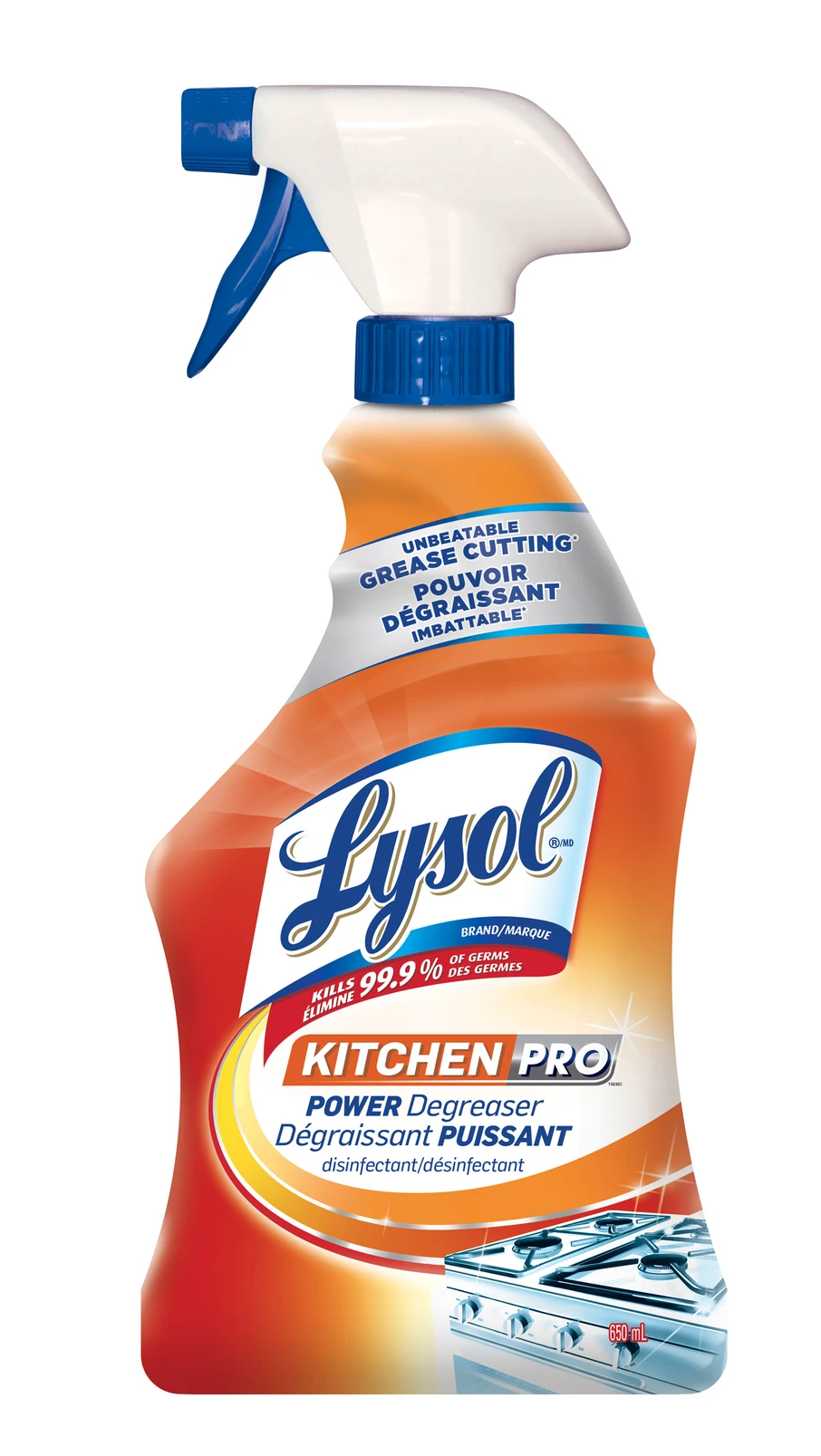
Are you wondering if Lysol Antibacterial Kitchen Cleaner is safe to use on your beautiful granite countertops? You want your kitchen to be spotless and germ-free, but not at the cost of damaging your surfaces.
Using the wrong cleaner can dull or even ruin the natural shine of your granite. You’ll discover the truth about Lysol’s effects on granite and learn the best ways to keep your countertops both clean and protected. Keep reading to make sure you’re caring for your kitchen the right way.
Lysol Antibacterial Kitchen Cleaner Basics
Understanding the basics of Lysol Antibacterial Kitchen Cleaner can help you decide if it’s right for your granite surfaces. Knowing what’s inside and how it’s meant to be used allows you to protect your kitchen investments effectively. Let’s break down the key elements that make this cleaner popular and consider how they interact with natural stone.
Key Ingredients
Lysol Antibacterial Kitchen Cleaner includes several active components designed to kill bacteria and remove grease. Common ingredients include:
- Alkyl dimethyl benzyl ammonium chloride:A powerful disinfectant that targets germs.
- Surfactants:These help break down oils and dirt for easier cleaning.
- Fragrances and stabilizers:Added to improve scent and shelf life.
These ingredients work well on sealed surfaces but can sometimes affect porous materials like granite if used improperly. Have you ever noticed dull spots or etching on your granite after cleaning? That’s often due to harsh chemicals interacting with the stone’s surface.
Intended Uses
Lysol Antibacterial Kitchen Cleaner is made for general kitchen surfaces such as countertops, sinks, and appliances. Its main goal is to eliminate bacteria and leave surfaces visibly clean and fresh.
However, the product label usually advises caution or avoidance on natural stone like granite and marble. This is because acidic or abrasive cleaners can damage the protective seal on granite, leading to stains or erosion.
Do you want a cleaner that disinfects without risking your granite’s shine? Consider products specifically labeled safe for natural stone or use mild soap and water for routine cleaning.

Credit: www.walmart.ca
Granite Surface Characteristics
Granite is a popular choice for kitchen surfaces. It offers a beautiful, natural look with strong durability. Understanding granite's characteristics helps in choosing the right cleaner. Granite is a natural stone formed from volcanic activity. Its unique patterns and colors come from minerals like quartz and feldspar. This stone resists heat and scratches well, making it ideal for kitchens. Yet, granite is porous. It can absorb liquids and stains if not sealed properly. Care is essential to maintain its shine and longevity.
Composition And Durability
Granite is mainly made of quartz, feldspar, and mica. These minerals give granite its strength and hardness. This natural stone can last for decades with proper care. Granite resists heat from hot pots and pans. It also handles daily wear and tear better than many materials. However, granite can chip or crack from heavy impact. Sealing the surface helps protect against stains and moisture. Regular sealing keeps granite looking fresh and durable.
Common Cleaning Challenges
Granite’s porous nature makes cleaning tricky. Some cleaners can damage the stone’s seal or cause dullness. Acidic or harsh chemicals can etch or discolor granite. Water spots and streaks often appear after cleaning. Grease and food stains can seep into unsealed areas. Dirt can build up in granite’s natural crevices. Choosing a gentle, pH-balanced cleaner is important. Avoid abrasive scrubbers that scratch the surface.
Potential Effects Of Lysol On Granite
Using Lysol Antibacterial Kitchen Cleaner on granite surfaces raises concerns about possible damage. Granite is a natural stone that needs gentle care. Some cleaning products can harm its beauty and durability. Understanding how Lysol interacts with granite helps protect your countertops effectively.
Chemical Reactions To Avoid
Lysol contains chemicals that may react with granite's minerals. Strong acids or bleach can cause discoloration or etching. Etching leaves dull spots that ruin the shine. Avoid cleaners with harsh ingredients like:
- Hydrochloric acid
- Ammonia
- Bleach
- Alcohols in high concentrations
These chemicals can break down granite’s surface and cause stains. Using them repeatedly speeds up wear and tear. Always check the cleaner’s label before use.
Impact On Sealant And Finish
Granite countertops often have a protective sealant. This sealant keeps liquids from soaking into the stone. Lysol’s strong ingredients can wear down this protective layer. When the sealant fades, granite becomes vulnerable to stains and damage.
Repeated use of Lysol may dull the countertop’s finish. It can strip away the shine that makes granite attractive. To maintain the sealant, choose cleaners made for natural stone. Gently wipe surfaces and avoid harsh scrubbing.
Expert Recommendations For Granite Care
Granite countertops are a beautiful and durable choice for kitchens, but they need special care to keep their shine and integrity intact. Experts recommend avoiding harsh chemicals that can dull the surface or cause damage over time. Understanding the right way to clean and maintain granite will save you from costly repairs and keep your kitchen looking fresh.
Safe Cleaning Alternatives
Instead of using Lysol Antibacterial Kitchen Cleaner, which might contain acids or harsh chemicals, consider milder options designed specifically for granite. A simple mix of warm water and a few drops of dish soap can effectively clean your countertops without harm.
- Use a soft cloth or sponge to avoid scratches.
- Spray a mixture of equal parts water and isopropyl alcohol for disinfecting.
- Try pH-neutral granite cleaners available in stores for tough stains.
Have you noticed how some cleaners leave a dull film? That’s a sign they might be too harsh. Always test a small area first to see how your granite reacts before cleaning the entire surface.
Maintenance Tips
Granite needs regular sealing to protect it from stains and moisture. Experts suggest sealing your countertops at least once a year, but high-use areas may require more frequent attention.
- Wipe up spills immediately to avoid permanent stains.
- Use cutting boards to prevent scratches and dulling of the surface.
- Avoid placing hot pans directly on granite to prevent heat damage.
Think about how often you use your kitchen. Is your cleaning routine protecting your granite or slowly wearing it down? Small daily habits can make a big difference in extending the life of your countertops.
User Experiences And Feedback
Many users find Lysol Antibacterial Kitchen Cleaner effective but worry about its impact on granite surfaces. Feedback shows mixed results—some report no damage, while others advise caution to avoid dullness or etching. Testing on a small area first is often recommended.
User Experiences and Feedback When it comes to maintaining the pristine look of your granite countertops, finding the right cleaner is crucial. Many homeowners have turned to Lysol Antibacterial Kitchen Cleaner, eager to discover if it lives up to its promise of cleanliness without compromising the beauty of granite. Let's dive into what real users have to say about their experiences with this product.
Positive Outcomes
Many users have praised Lysol Antibacterial Kitchen Cleaner for its effectiveness in removing stubborn stains and grease from granite surfaces. One user mentioned how it cut down their cleaning time significantly, allowing them to enjoy a sparkling kitchen without much effort. Some appreciated the fresh scent it leaves behind, adding a pleasant aroma to their kitchens. Others felt reassured by its antibacterial properties, especially in homes with kids and pets.
Reported Issues
Despite the positive feedback, some users have reported issues when using Lysol on granite. A few noted that over time, their granite seemed to lose its shine, raising concerns about the cleaner's long-term effects. There were also mentions of residue left behind, requiring an additional wipe down with water to achieve a streak-free finish. This extra step can be inconvenient, especially if you're short on time. Have you used Lysol Antibacterial Kitchen Cleaner on your granite surfaces? How did it work for you? Your insights could help others make informed decisions about their cleaning routines.

Credit: www.walmart.ca
Best Practices For Using Lysol On Granite
Using Lysol Antibacterial Kitchen Cleaner on granite requires care to keep the stone safe. Granite is natural and porous. Harsh chemicals can damage its surface and dull its shine. Following best practices helps maintain granite’s beauty while keeping it clean and germ-free.
Dilution And Application Methods
Always dilute Lysol cleaner before applying it to granite. Use a spray bottle with a mix of water and Lysol. This lowers the chemical strength, protecting the stone. Spray the solution lightly on the surface. Avoid soaking the granite to prevent seepage into pores.
Use a soft cloth or sponge to wipe the surface gently. Do not scrub hard, as this may scratch the granite. Rinse the cloth often in clean water. After cleaning, wipe the granite with a damp cloth to remove any residue. Dry the surface with a clean, dry towel to avoid water spots.
Frequency And Precautions
- Clean granite with Lysol only when needed, not daily.
- Frequent use can break down the stone’s protective seal.
- Use a mild dish soap and water for regular cleaning instead.
- Test Lysol on a small hidden area before full use.
- Avoid acidic or abrasive cleaners that harm granite.
- Keep Lysol away from edges and seams where it can cause damage.
- Ensure the area is well-ventilated during cleaning to avoid fumes buildup.

Credit: www.amazon.com
Frequently Asked Questions
Is Lysol Antibacterial Kitchen Cleaner Safe For Granite?
Lysol Antibacterial Kitchen Cleaner is not recommended for granite. It contains harsh chemicals that can dull and damage granite surfaces over time.
Can Lysol Cleaner Harm Granite Countertops?
Yes, Lysol cleaner can harm granite by stripping its natural sealant. This leads to stains, discoloration, and surface etching.
What Cleaner Is Best For Granite Surfaces?
Use a pH-neutral, granite-specific cleaner for safe cleaning. Avoid acidic or abrasive products to maintain granite’s shine and durability.
How Often Should I Clean Granite With Lysol?
Avoid using Lysol on granite. Instead, clean granite weekly with a gentle, granite-safe cleaner to protect its finish and prevent damage.
Conclusion
Lysol Antibacterial Kitchen Cleaner can be harsh on granite surfaces. Granite needs gentle care to stay strong and shiny. Using cleaners with acids or bleach may damage it over time. Choose products made specifically for natural stone instead. Always test any cleaner on a small spot first.
Wiping granite with a soft cloth keeps it clean without harm. Protect your countertops by picking safe cleaning options. Your granite will look beautiful and last longer this way. Simple steps make a big difference in care and safety.