

Are your kitchen cabinets looking dull or sticky? You might be wondering if Murphy Oil Soap is the right choice to clean them without causing damage.
You want a solution that’s effective, gentle, and easy to use. You’ll discover how Murphy Oil Soap works on kitchen cabinets, whether it’s safe for different finishes, and tips to get the best results. Keep reading to find out if this popular cleaner can bring back the shine to your cabinets and make your kitchen feel fresh again.
Benefits Of Murphy Oil Soap
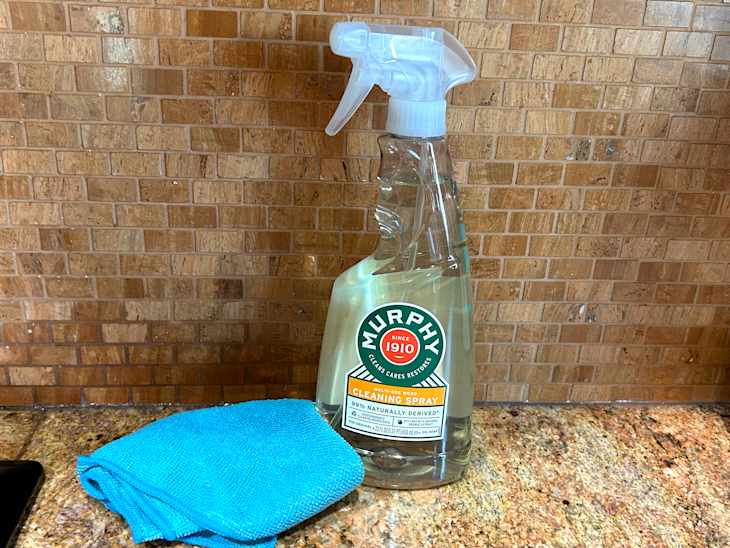
Murphy Oil Soap offers many benefits for cleaning kitchen cabinets. It cleans effectively without harming wood surfaces. Its natural formula makes it safe for regular use. Many homeowners choose it for gentle yet thorough cleaning.
Natural Ingredients
Murphy Oil Soap contains plant-based oils and natural ingredients. It avoids harsh chemicals that can damage wood or paint. This makes it a safer choice for your kitchen cabinets and the environment. The natural formula reduces the risk of allergies or irritation.
Gentle On Wood Surfaces
This soap cleans wood without stripping its natural oils. It preserves the wood’s finish and prevents drying or cracking. You can use it on different wood types, including varnished or sealed cabinets. Its gentle action keeps cabinets looking fresh and well-maintained.
Effective Dirt Removal
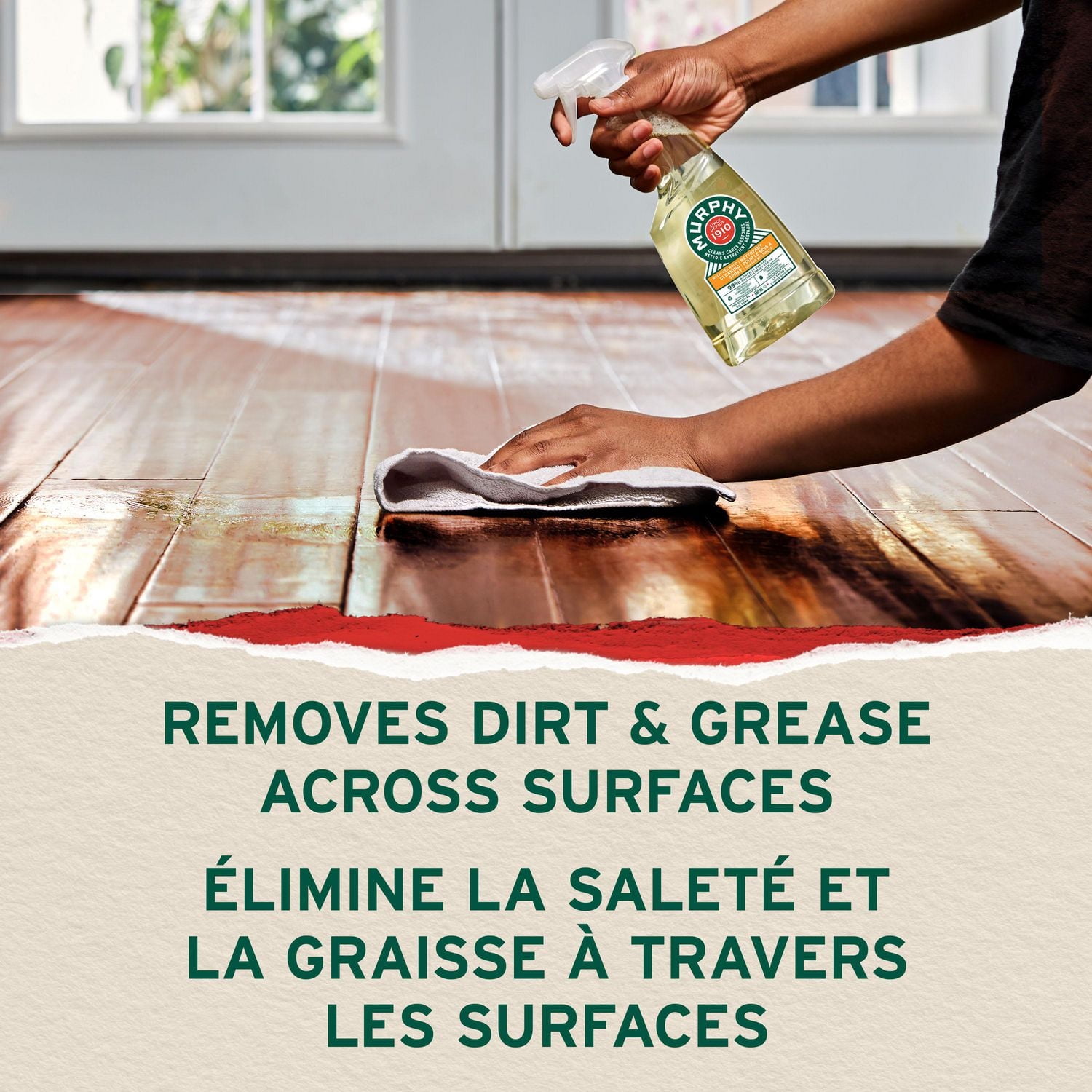
Murphy Oil Soap dissolves grease, grime, and food stains easily. It lifts dirt without leaving residue or sticky film. This helps keep kitchen cabinets clean and shiny. The soap also removes fingerprints and smudges for a neat appearance.
Credit: www.thekitchn.com
How Murphy Oil Soap Works
Understanding how Murphy Oil Soap works helps explain its popularity for cleaning kitchen cabinets. This soap is made with natural oils that gently clean wood surfaces without harsh chemicals. It lifts dirt and grime while protecting the wood’s finish. The mild formula makes it safe and effective for regular use in kitchens.
Cleaning Mechanism
Murphy Oil Soap uses natural vegetable oils to break down dirt. These oils penetrate the surface and dissolve grease and grime. The soap creates a mild lather that lifts away dirt without stripping the wood. It cleans deeply but keeps the wood hydrated and shiny. This balance helps maintain cabinets’ appearance over time.
Suitable Surfaces
This soap is ideal for finished wood surfaces like cabinets. It works well on varnished, sealed, or painted wood. Avoid using it on unsealed wood or surfaces sensitive to water. It also cleans laminate or vinyl cabinets gently. Use it on other kitchen surfaces with caution and test first.
Application Tips
- Dilute the soap with warm water for best results.
- Use a soft cloth or sponge to apply the solution.
- Wipe gently to avoid damaging the finish.
- Rinse the cloth often to remove lifted dirt.
- Dry cabinets with a clean, dry cloth after cleaning.
- Test on a small hidden area before full use.
Using Murphy Oil Soap On Kitchen Cabinets
Using Murphy Oil Soap on kitchen cabinets offers a gentle yet effective cleaning option. This soap is known for its ability to clean wood surfaces without stripping natural oils. It helps maintain the cabinets' finish and keeps them looking fresh. The mild formula works well on various cabinet materials.
Preparation Steps
- Remove all items from the cabinets.
- Dust the surface with a dry cloth or duster.
- Mix Murphy Oil Soap with warm water following the label instructions.
- Use a soft cloth or sponge for cleaning.
- Test the solution on a small hidden area first.
Cleaning Process
Dip the cloth or sponge into the soap solution and wring it out well. Wipe the cabinet surfaces gently in the direction of the wood grain. Avoid soaking the wood with excess water. Rinse the cloth often and change the water if it becomes dirty. Dry the cabinets with a clean, dry cloth to prevent water damage.
Frequency Of Use
Clean kitchen cabinets with Murphy Oil Soap every two to four weeks. Frequent cleaning keeps grease and dirt from building up. Avoid daily use to protect the wood finish. Spot clean spills immediately to prevent stains. Regular care helps maintain the cabinets’ beauty and durability.

Credit: www.walmart.ca
Pros And Cons For Cabinets
Murphy Oil Soap is a popular choice for cleaning wood surfaces, but how well does it work on kitchen cabinets? Understanding its pros and cons can help you decide if it fits your cleaning routine. Let’s break down what makes it a good option and where it might fall short.
Advantages
- Effective at Removing Dirt and Grime:Murphy Oil Soap cuts through grease and sticky residues without harsh chemicals. It leaves cabinets looking fresh without stripping the wood’s natural oils.
- Gentle on Wood:Unlike some cleaners that can dry out wood, Murphy Oil Soap nourishes and maintains the finish. This can extend the life of your cabinets, keeping them smooth and shiny.
- Easy to Use:Just dilute with water, apply with a cloth, and wipe clean. The process is simple enough for quick touch-ups or deep cleaning sessions.
- Safe for Most Finishes:It works well on sealed and unsealed wood, making it versatile for different cabinet types in your home.
Potential Drawbacks
- Not Ideal for Painted Cabinets:If your cabinets have a painted or lacquered finish, Murphy Oil Soap may leave a residue or dull the surface. You might need a different cleaner for these types.
- Requires Thorough Rinsing:If not wiped off completely, the soap can leave a sticky film that attracts dust. This means you’ll need to follow up with a clean damp cloth.
- May Not Remove Stubborn Stains:While great for general cleaning, it might struggle with tough grease spots or baked-on food. You may need to supplement with a stronger cleaner occasionally.
- Potential for Overuse:Using it too often can build up soap residue over time. Moderation is key to keep your cabinets clean without buildup.
Have you noticed any residue left after cleaning your cabinets? Trying Murphy Oil Soap on a small hidden area first can save you from surprises. How do you balance gentle cleaning with the need to tackle tough kitchen messes? Your experience can guide your choice here.
Comparing Murphy Oil Soap To Other Cleaners
Murphy Oil Soap cleans kitchen cabinets gently without harsh chemicals. It removes dirt and grease while protecting wood surfaces. Compared to other cleaners, it is safe and effective for wood cabinets.
Cleaning kitchen cabinets can be a daunting task, with a plethora of cleaning products to choose from. Among these, Murphy Oil Soap often stands out due to its reputation for being gentle yet effective. But how does it really measure up against other popular cleaners? Let's take a closer look at how Murphy Oil Soap compares to other cleaning solutions.
Common Alternatives
When considering alternatives to Murphy Oil Soap, popular choices include vinegar solutions, commercial all-purpose cleaners, and dish soap mixed with water. Each of these has its own benefits and drawbacks. Vinegar is a natural cleaner but can leave a strong odor, while all-purpose cleaners are convenient but may contain harsh chemicals. Dish soap is gentle but might require more elbow grease to remove grease and grime effectively.
Performance Differences
Murphy Oil Soap is known for its ability to clean without leaving a residue, making it ideal for wood surfaces. Compared to vinegar, it doesn't have an overpowering smell, and unlike some commercial cleaners, it won't strip the wood's natural finish. If you've ever used dish soap, you might have noticed that it can sometimes leave a filmy layer unless thoroughly rinsed, a problem you won't face with Murphy Oil Soap.
Cost Considerations
Budget is a significant factor for many households. Murphy Oil Soap is generally affordable and available in various sizes to suit different needs. In contrast, vinegar is often the cheapest option, but keep in mind the potential need for additional purchases like essential oils to mask its odor. All-purpose cleaners can vary widely in price, especially those marketed as eco-friendly or specialized for wood, potentially making Murphy Oil Soap a more cost-effective choice for regular use. Have you ever considered the long-term costs and effects of your cleaning products? Choosing the right cleaner not only impacts your wallet but also the longevity of your kitchen cabinets.
Expert Tips For Best Results
Getting the most out of Murphy Oil Soap for your kitchen cabinets is all about technique and care. The product is gentle yet effective, but how you use it makes a big difference. Here are expert tips to help you avoid damage, enhance shine, and maintain the beauty of your cabinets over time.
Avoiding Damage
Always dilute Murphy Oil Soap with warm water before applying it to your cabinets. Using it full strength can strip finishes or leave sticky residues. Test the solution on a small, hidden area first to check for any adverse reactions.
Use a soft cloth or sponge rather than abrasive scrubbers. Scrubbing too hard can scratch or wear down the cabinet surface. Remember, gentle cleaning preserves the wood’s natural look and extends its life.
Enhancing Shine
After cleaning, wipe down your cabinets with a clean, damp cloth to remove any leftover soap. Residue can dull the finish instead of enhancing it. Then, dry the surface immediately with a soft towel to prevent water spots.
For a richer shine, try adding a few drops of olive oil or a wood conditioner after cleaning. Buff your cabinets lightly with a microfiber cloth to bring out a natural glow. This simple step can make your kitchen feel refreshed without harsh chemicals.
Maintaining Cabinets
Regular cleaning is key, but avoid overdoing it. Too much moisture can warp wood or cause finishes to peel. Aim for a light clean every week and a deeper clean with Murphy Oil Soap once a month.
Keep your cabinets away from direct sunlight and heat sources, which can dry out and fade the finish. Have you noticed your cabinets looking dull after a few months? Adding a maintenance routine with Murphy Oil Soap could be the fix you need to keep them looking new.
Credit: www.walmart.ca
Frequently Asked Questions
Is Murphy Oil Soap Safe For Kitchen Cabinet Surfaces?
Yes, Murphy Oil Soap is safe for most kitchen cabinet surfaces. It gently cleans wood without stripping natural oils or causing damage.
How Effective Is Murphy Oil Soap On Grease Stains?
Murphy Oil Soap effectively removes grease and grime from kitchen cabinets. Its formula breaks down oily residues, leaving cabinets clean and refreshed.
Can Murphy Oil Soap Damage Cabinet Finishes?
Murphy Oil Soap is gentle and usually does not damage finishes. Always test on a small area first to ensure compatibility with your cabinets.
How Often Should I Clean Cabinets With Murphy Oil Soap?
For best results, clean kitchen cabinets with Murphy Oil Soap every 2 to 4 weeks. Regular cleaning maintains their appearance and prevents buildup.
Conclusion
Murphy Oil Soap cleans kitchen cabinets gently and effectively. It removes dirt without harming wood surfaces. Many users find it easy to use and safe. Just follow the instructions for the best results. Remember to test on a small spot first.
This helps avoid any damage or discoloration. Regular cleaning keeps cabinets looking fresh and new. So, Murphy Oil Soap can be a good choice for your kitchen. Try it and see how well it works for your cabinets.