
Choosing the right flooring for your kitchen can feel overwhelming. You want something that looks stunning, lasts long, and is easy to clean.
Have you ever wondered if polished porcelain tile could be the perfect fit for your kitchen floors? This type of tile is gaining popularity, but is it really a smart choice for your busy kitchen? Keep reading to discover the pros and cons, so you can make an informed decision that suits your style and daily needs.
Your dream kitchen floor might be just a few paragraphs away.
Credit: www.homedepot.com
Benefits Of Polished Porcelain Tiles
Polished porcelain tiles offer several benefits that make them a popular choice for kitchen floors. Their unique combination of strength, beauty, and practicality fits well in busy kitchen spaces. These tiles can handle daily use while keeping your kitchen looking stylish and clean.
Durability And Strength
Polished porcelain tiles are very strong and long-lasting. They resist scratches and cracks better than many other flooring options. This toughness makes them ideal for kitchens, where heavy pots and foot traffic are common. They also resist stains and moisture, helping maintain their quality over time.
Aesthetic Appeal
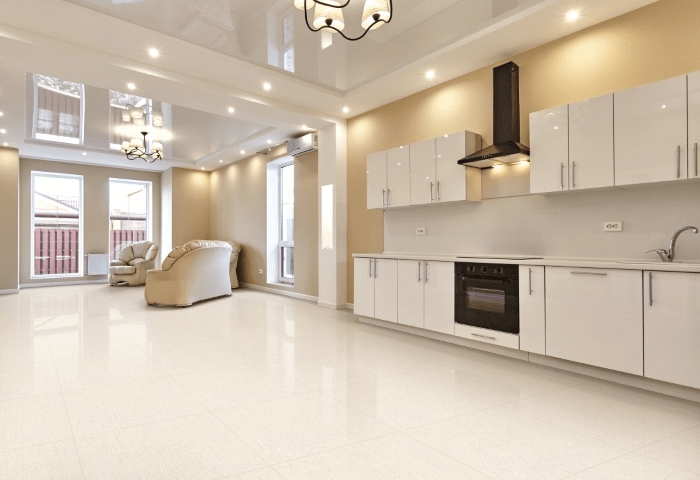
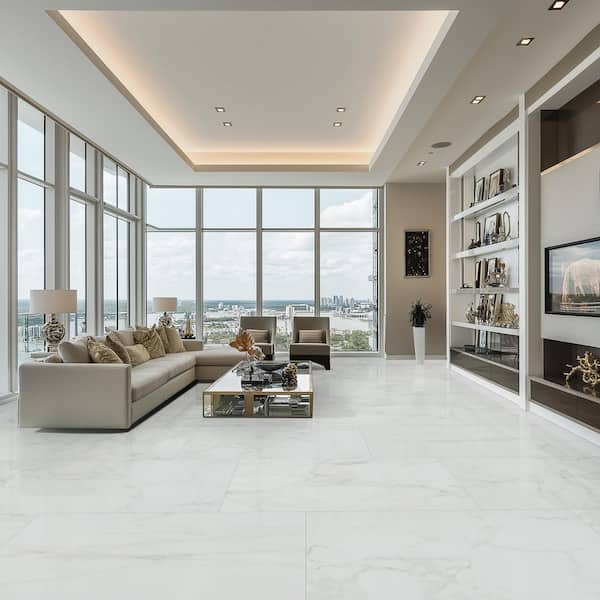
These tiles have a smooth, shiny surface that adds a modern, elegant look to kitchens. The polished finish reflects light, making the room feel brighter and more spacious. Polished porcelain tiles come in various colors and patterns, allowing you to match any kitchen style easily.
Ease Of Cleaning
Cleaning polished porcelain tiles is simple and quick. Their smooth surface does not trap dirt or spills, so wiping them down takes little effort. These tiles do not require special cleaners; regular mopping keeps them spotless. This easy maintenance helps kitchens stay hygienic and fresh.

Credit: www.tilemountain.co.uk
Potential Drawbacks In Kitchen Use
Polished porcelain tile offers a sleek and shiny look for kitchen floors. Despite its beauty, there are some drawbacks to consider before choosing it for your kitchen. These issues may affect safety, upkeep, and long-term appearance.
Slip Resistance Concerns
Polished porcelain tiles have a very smooth surface. This makes them slippery, especially when wet. Kitchens often have spills and water on the floor. This increases the risk of slipping and falling. Extra caution or mats may be needed for safety.
Maintenance Challenges
Keeping polished porcelain tiles clean can be hard. The shiny surface shows smudges, dirt, and water spots easily. Frequent cleaning is necessary to keep the floor looking good. Harsh cleaners can damage the polished finish, so gentle products are best.
Visible Scratches And Wear
The polished finish can show scratches and wear over time. Heavy foot traffic, dropped utensils, and moving furniture can cause marks. These scratches are more noticeable on dark or glossy tiles. Regular care and avoiding abrasive tools help reduce damage.
Comparing Polished Porcelain With Other Flooring Options
Polished porcelain tiles offer a sleek, durable surface ideal for kitchen floors. Compared to wood or vinyl, they resist stains and scratches better. Their smooth finish also makes cleaning easier than many other flooring types.
When it comes to choosing the right flooring for your kitchen, you might wonder how polished porcelain tiles stand up against other popular choices. Polished porcelain is known for its sleek, shiny finish that can make any kitchen look modern and clean. But how does it compare with other materials like matte porcelain, natural stone, vinyl, and laminate? Let's explore the differences to help you make an informed decision for your kitchen floor.
Matte Porcelain Tiles
Matte porcelain tiles offer a more subtle and understated look compared to polished porcelain. They have a textured finish that provides better slip resistance, which is ideal if you have kids or pets running around. While polished tiles may show smudges and footprints more easily, matte tiles tend to hide these imperfections better, reducing the frequency of cleaning.
Natural Stone
Natural stone, such as marble or granite, exudes luxury and elegance but comes with a heftier price tag. Stone can be porous, meaning it requires regular sealing to prevent stains and damage from spills. In contrast, polished porcelain is non-porous and more resistant to moisture, making it a practical choice for busy kitchens without sacrificing style.
Vinyl And Laminate
Vinyl and laminate flooring are often chosen for their affordability and ease of installation. They can mimic the look of natural materials but may not offer the same durability as porcelain tiles. While polished porcelain can withstand heavy foot traffic and resist scratches, vinyl and laminate might show wear and tear more quickly, especially in high-traffic areas like the kitchen. What matters most to you in a kitchen floor? Is it the look, durability, or ease of maintenance? By weighing these options, you can find the perfect flooring that meets your needs and enhances your kitchen's aesthetic.

Credit: faceimpex.com
Installation Tips For Kitchen Floors
Installing polished porcelain tile in your kitchen can transform the space with its sleek and shiny surface. However, proper installation is key to maintaining its beauty and durability over time. Paying attention to specific installation details will help you avoid common pitfalls and enjoy your kitchen floors for years.
Choosing The Right Tile Size
The size of the tile you select affects both the look and practicality of your kitchen floor. Larger tiles create a more seamless and modern appearance, reducing grout lines and making cleaning easier. Smaller tiles, on the other hand, offer better slip resistance and are useful for uneven floor surfaces.
Think about your kitchen’s layout and how you want the space to feel. Do you want it to look spacious and open? Larger polished porcelain tiles might be the answer. But if you have a lot of corners or tricky areas, smaller tiles could save you frustration during installation.
Grout Selection And Sealing
Choosing the right grout color is more than an aesthetic choice; it also affects maintenance. Lighter grout can highlight dirt and stains, while darker grout tends to hide them better. Consider grout that complements the polished tile but also fits your cleaning routine.
Sealing your grout is essential to protect it from moisture and stains, especially in a kitchen where spills are common. Without sealing, grout can deteriorate and discolor quickly. Regularly resealing grout helps keep your kitchen floor looking fresh and new.
Professional Vs Diy Installation
Installing polished porcelain tile requires precision and the right tools. If you have experience with tile work, a DIY approach can save money and give you a sense of accomplishment. However, polished tiles are slippery and can show any imperfections in installation very clearly.
Hiring a professional ensures the floor is perfectly level, tiles are aligned, and grout lines are consistent. Professionals also know how to handle the delicate polished surface to avoid scratches during installation. Ask yourself if you have the time, skills, and patience to manage these details yourself before deciding.
Expert Recommendations
Experts often weigh the pros and cons of polished porcelain tile for kitchen floors. Their insights help you decide if this sleek surface fits your lifestyle and kitchen needs. Understanding their advice can save you time, money, and frustration down the road.
Best Practices For Longevity
Maintaining polished porcelain tile requires consistent care. Use a soft broom or vacuum regularly to remove dirt that can scratch the surface. Avoid harsh chemicals; mild detergents work best to keep the shine without damage.
Sealing the grout lines prevents stains and moisture buildup. Many professionals recommend resealing grout every 6 to 12 months, depending on your kitchen traffic. Have you thought about how often you clean your floors? That frequency impacts the tile’s lifespan more than you might expect.
Ideal Kitchen Settings
Polished porcelain shines in kitchens with moderate foot traffic. It’s perfect for homeowners who prioritize aesthetics and easy cleaning. However, in homes with kids or pets, slipping risks can increase, so consider alternatives or additional safety features.
This tile suits kitchens with ample natural light because it reflects brightness beautifully. If your kitchen tends to be dim, the polished finish can help enhance the space’s feel. Would your kitchen benefit from more light reflection?
Safety Measures
Polished surfaces can be slippery, especially when wet. Experts suggest adding non-slip mats in high-use areas like near the sink or stove. Another option is to choose tiles with a slight texture or anti-slip coating.
Wearing shoes with good grip indoors also reduces slip risks. Installing proper lighting can help you spot spills immediately, preventing accidents. Are you ready to take these precautions to keep your kitchen safe?
Frequently Asked Questions
Is Polished Porcelain Tile Slip-resistant For Kitchens?
Polished porcelain tiles have a smooth surface, which can be slippery when wet. Using anti-slip coatings or textured options improves safety in kitchen areas.
How Durable Is Polished Porcelain Tile For Kitchen Floors?
Polished porcelain tiles are highly durable and resistant to scratches, stains, and moisture. They withstand heavy kitchen traffic and last for years with proper care.
Does Polished Porcelain Tile Require Special Maintenance?
Polished porcelain tiles need regular cleaning with mild detergents. Avoid abrasive cleaners to maintain their shine and prevent surface damage in kitchen floors.
Are Polished Porcelain Tiles Heat Resistant In Kitchens?
Yes, polished porcelain tiles resist heat well, making them ideal for kitchen floors near stoves or ovens without risk of damage or discoloration.
Conclusion
Polished porcelain tile offers a sleek look for kitchen floors. It is strong and easy to clean, making daily chores simple. The shiny surface reflects light, brightening the space well. Some tiles can be slippery when wet, so choose carefully.
Overall, polished porcelain suits many kitchen styles. It balances beauty with practical use. Consider your needs and style before deciding. This tile can be a smart choice for your kitchen floor.